Sit-ups aren’t the best move for your core—they can strain your neck and back while doing little for overall strength.
Luckily, there are smarter, safer exercises that target your entire core for better stability, posture, and injury prevention. From planks to mountain climbers, these moves will challenge your abs in ways sit-ups never could.
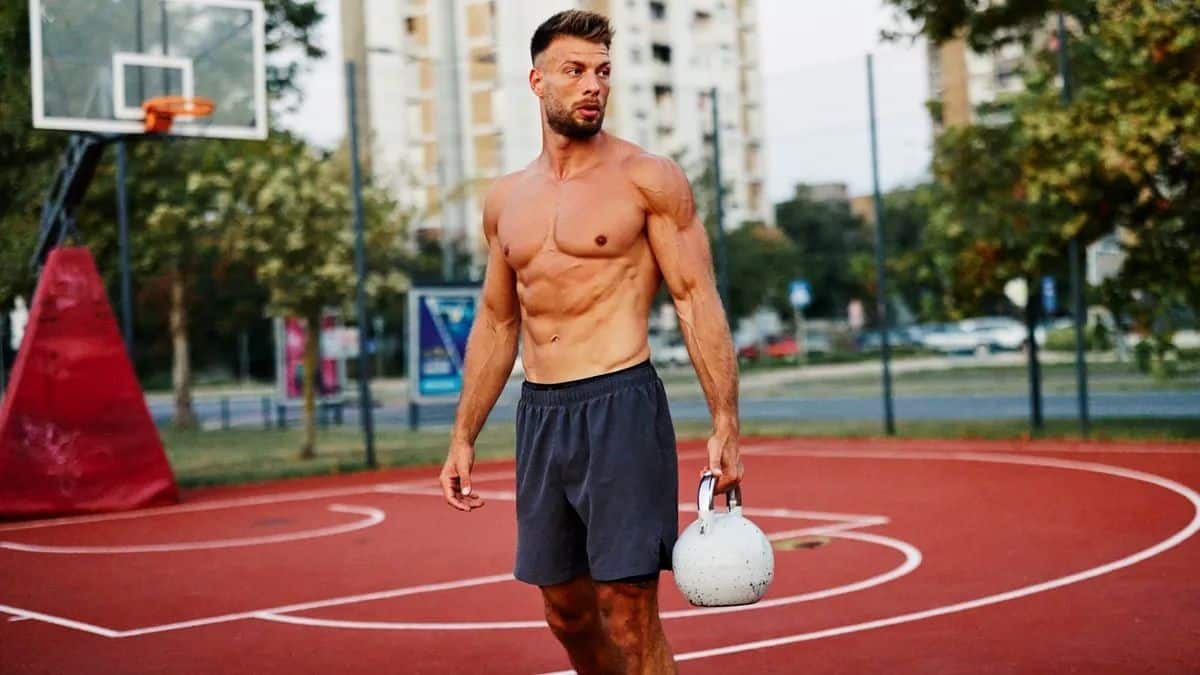
Ready to build a stronger, more functional core? Keep reading to find out which exercises make the cut.
Jump to:
The Core – More Than Just Abs
Understanding Core Anatomy
When people think of core muscles, they often picture the rectus abdominis—the “six-pack” muscles. But the core is much more complex. It includes deeper muscles like the transverse abdominis, which wraps around your spine, the obliques (responsible for twisting and side bending), and the muscles of your lower back.
These deep muscles are crucial for spinal stability and posture, yet are often overlooked in traditional exercises like sit-ups. By focusing on exercises that engage the entire core, you’ll enhance both strength and functionality.
The Benefits of Strengthening the Entire Core
Strengthening the core improves more than just appearance. A strong core leads to better posture and balance, reducing the risk of lower back injuries. It also boosts athletic performance by enhancing stability during cardio and strength workouts. Whether you’re lifting weights or running, a well-developed core helps you move with greater control and power.
Plank Variations for Total Core Activation
Standard Plank
The plank is one of the most effective full-body exercises for core activation. While holding a plank, your shoulders, glutes, and abs work together to keep your body stable.
To perform a plank properly, maintain a neutral spine, actively engage your core, and avoid letting your hips sag. This is a static exercise, but it activates every major muscle in your core, along with your arms and legs.
Side Plank
A variation of the standard plank, the side plank shifts the focus to the obliques and stabilizing muscles. To increase the challenge, you can lift the top leg or perform side plank dips. These additional movements activate even more muscles while also improving balance and core endurance.
Plank with Leg Raises
Adding leg raises to a plank introduces instability, which forces your core to work harder. This variation incorporates the lower body as well, improving both core and leg strength. Keep your hips steady as you alternate lifting your legs, ensuring that your core remains fully engaged throughout the movement.
Dead Bug – Low-Impact, High-Effectiveness
Why the Dead Bug Works
The dead bug is a fantastic exercise for improving coordination between your limbs and core. It’s particularly helpful for those who experience lower back pain since it’s performed while lying down, eliminating the strain that standing or seated exercises can create.
How to Perform the Dead Bug
To do the dead bug, lie on your back with your legs lifted to a tabletop position (knees bent at 90 degrees). Extend one arm overhead while straightening the opposite leg, keeping your lower back flat against the ground. Alternate sides while focusing on maintaining a neutral spine without arching your back.
Russian Twists – Powerful for Obliques
Engaging the Entire Core
Russian twists are a rotational exercise that works not only the obliques but also the lower back and hip flexors. This movement is especially beneficial for athletes, as it mimics the twisting actions used in many sports.
How to Perform Russian Twists Safely
When doing Russian twists, you can use either bodyweight or light weights. Sit on the floor, lean back slightly, and twist your torso from side to side. Focus on controlled movements to avoid straining your lower back. Keep your core tight and move slowly to engage the correct muscles.
Variations
For an advanced challenge, perform Russian twists on a balance ball or add resistance with a medicine ball. These variations increase the difficulty by adding instability or weight, forcing your core to work even harder to maintain control.
Bicycle Crunches – Functional and Dynamic
Why Bicycle Crunches Beat Sit-Ups
Bicycle crunches target both the upper and lower abs, as well as the obliques, making them a more comprehensive core workout than traditional sit-ups. The rotational movement of the bicycle crunch engages the entire core, promoting better muscle balance and coordination.
Form Tips
To perform bicycle crunches effectively, move slowly and with purpose. Focus on engaging your core rather than relying on momentum. Twist through your torso, not just your neck, to fully activate the obliques. Remember, quality movement matters more than speed.
Mountain Climbers – Cardio Meets Core Strength
Why Mountain Climbers are Superior
Mountain climbers combine cardio with core stability, making them an efficient exercise for burning fat while strengthening your core. By keeping your core engaged throughout the movement, you train your abs, shoulders, and legs simultaneously.
Full Body Engagement
This exercise not only works your core but also your entire body. The continuous movement of bringing your knees to your chest engages your lower body, while your arms stabilize your upper body.
Different Mountain Climber Variations
To add variety, try cross-body mountain climbers, where you bring your knee to the opposite elbow for extra oblique activation. You can also slow down the movement to focus on core stability rather than speed, further improving your control and strength.
Hollow Body Hold – The Gymnast’s Secret
Why Gymnasts Use This Move for Core Strength
The hollow body hold is a favorite among gymnasts because it strengthens deep core muscles while training the body to maintain a tight midsection. This position requires full engagement of the entire core, making it one of the most effective exercises for building total-body stability.
How to Perform the Hollow Body Hold
To perform the hollow body hold, lie on your back and lift your arms and legs a few inches off the ground, keeping your lower back pressed into the floor. Your body should form a slight curve, resembling a banana shape. The key is to hold this position without letting your lower back arch.
Progressions
If the full hollow body hold is too difficult, start with a tucked hollow hold where your knees are bent. As you get stronger, progress to the full hollow position by extending your legs and arms fully.
Conclusion
These seven exercises offer a safer and more effective way to strengthen your core than traditional sit-ups. By incorporating movements like planks, dead bugs, and mountain climbers into your routine, you’ll target all areas of your core while improving your balance, posture, and overall strength.