Social media is filled with shredded physiques and #bodygoals that can set unrealistic expectations—especially for young men.
In the pursuit of muscularity, many are now reaching for performance-enhancing drugs like steroids, once reserved for elite athletes but increasingly common among everyday gym-goers.
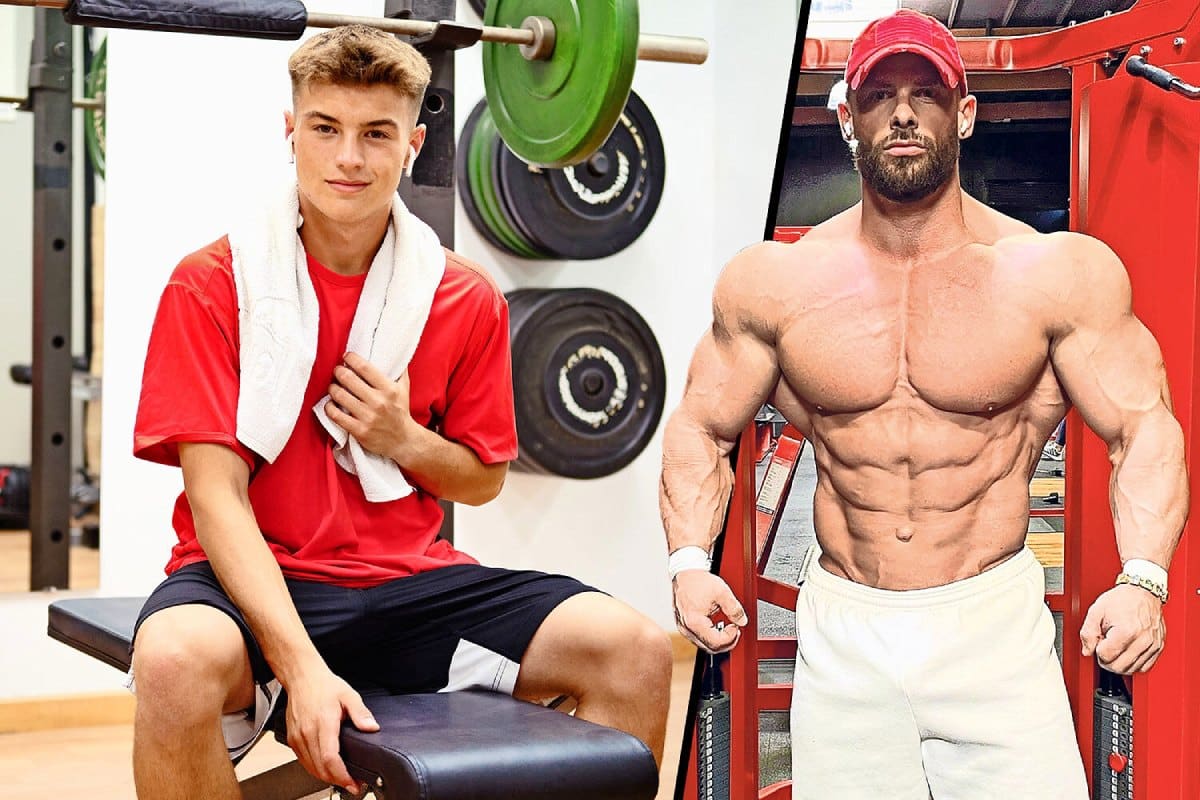
In a recent NPR episode of It’s Been a Minute, host Brittany Luse sat down with clinical psychologist and Harvard lecturer Dr. Roberto Olivardia to unpack a growing mental health crisis among men: muscle dysmorphia.
This often-overlooked form of body dysmorphia is fueling a silent epidemic—and steroids are at the center of it.
Here’s what you need to know about the pressures pushing boys toward steroids, what muscle dysmorphia really looks like, and why it’s time we talk more openly about men’s body image issues.
Jump to:
The Rising Popularity of Steroids Among Young Men
Steroids, particularly anabolic-androgenic steroids (AAS), are synthetic substances that mimic testosterone. They’ve long been associated with enhanced athletic performance, but their use now extends well beyond competitive sports.
According to Dr. Olivardia, the demographic most at risk isn’t professional athletes—it’s adolescent and young adult males simply trying to look like the men they see online. “The ideal male body promoted today is hyper-muscular, lean, and extremely defined,” he said. “That image is rampant across Instagram, TikTok, and even Hollywood.”
Unfortunately, this perception has real consequences. Many young men are turning to dangerous compounds—often unregulated or acquired without medical supervision—to quickly achieve the results they feel pressured to attain.
What Is Muscle Dysmorphia?
Muscle dysmorphia is a subtype of body dysmorphic disorder (BDD). It causes individuals, typically men, to perceive their bodies as too small or underdeveloped—even when they are muscular or physically healthy.
This distorted self-image drives obsessive workout routines, strict dieting, and ultimately, steroid use. “It’s a compulsive belief that one’s body is never big enough, muscular enough, or good enough,” Dr. Olivardia explained. “And it can take over a person’s life.”
Warning Signs of Muscle Dysmorphia
- Excessive lifting routines beyond normal athletic training
- Avoidance of situations where others might see their body (pool parties, locker rooms)
- Constant self-comparison to others on social media
- Preoccupation with eating or supplement use to increase muscle size
- Using steroids despite health risks
Unlike traditional BDD, which often focuses on perceived flaws like nose, skin, or hair, muscle dysmorphia is exclusively about musculature and physique.
The Harmful Impact of Steroid Use
Many users believe steroids are a quick and effective way to change their bodies—but rarely consider the long-term cost. The side effects aren’t just physical. They’re psychological, emotional, and social, too.
Short-Term Effects
- Acne, oily skin, and rapid mood swings (“roid rage”)
- Increased aggression or irritability
- Decreased natural testosterone production
- Sleep disturbances
Long-Term Risks
- Heart disease and high blood pressure
- Liver damage or cancer
- Infertility and testicular shrinkage
- Severe depression or anxiety once usage stops
- Dependency or continued use to maintain appearance
And the social stigma around asking for help often prevents men from seeking the medical or psychological support they need.
The Social Media Factor: Fueling the Obsession
Fitness influencers, actors, and even everyday gym-goers contribute to a curated, idealized version of male beauty. Photoshopped pictures and suspiciously rapid transformations have become the norm, misleading viewers about what’s actually achievable through natural training and diet.
“We’re in a time where getting bigger seems like the same kind of cultural obsession that getting smaller is for women,” said Luse in the NPR podcast. This statement reflects a growing awareness of how gendered beauty expectations are evolving—and widening.
“The Adonis Complex” and Why This Is Nothing New
The term “Adonis Complex,” popularized by Dr. Olivardia in his book of the same name, refers to the cultural obsession with masculine beauty. Though the concept has deeper roots, dating back to Greek mythology’s god of ideal male youth, the modern version is far more toxic due to social reinforcement.
What’s changed is the intensity of exposure. Boys today are immersed in imagery from an early age. Instagram algorithms feed them transformation videos, supplement ads, and shirtless “progress” updates daily. It becomes a digital echo chamber of inadequacy.
What Can Parents, Coaches, and Friends Do?
Awareness is the first step. Not enough people understand that body dysmorphia can affect boys just as severely as girls. Opening lines of communication, asking non-judgmental questions, and offering mental health resources can make a huge difference.
Steps Toward Prevention and Support
- Model body neutrality and healthy behavior around boys early on
- Limit social media time and critically engage with body-focused content
- Encourage strength as part of functionality and wellness—not just appearance
- Normalize therapy and mental health check-ins for all genders
- Be vigilant about sudden physical or mood changes that may suggest steroid use
“Being muscular should never come at the cost of your mental health or your life,” Dr. Olivardia emphasized. True strength starts with self-acceptance, not self-punishment.
The Bigger Conversation About Men and Body Image
Society is slowly catching up to the idea that body image issues affect boys and men too. But much of the existing guidance, education, and healthcare is still geared toward women. That leaves a gap in care, understanding, and empathy.
Breaking the stigma means shifting how we talk about masculinity, strength, and attractiveness. It also means offering support not dismissal when young men express dissatisfaction with their bodies. “Everybody deserves to feel good in their body—whatever it looks like,” said Luse.
Final Thoughts
The rise of steroid use and muscle dysmorphia is more than a fitness trend—it’s a public health concern. And the more we connect the dots between unrealistic cultural standards and risky behavior, the better chance we have at protecting the next generation.
Want to learn more? Check out Dr. Roberto Olivardia’s book, The Adonis Complex, for a deeper dive into the psychology behind men’s body pressures.
And if you or someone you know struggles with body image, disordered eating, or suspected steroid use, reach out to a healthcare provider or mental health expert. There’s help—and hope—available.