Walking uphill on a treadmill might seem like a simple adjustment to your cardio routine.
But science shows it’s one of the most effective ways to dramatically increase calorie burn and fat loss without the joint-pounding impact of running.
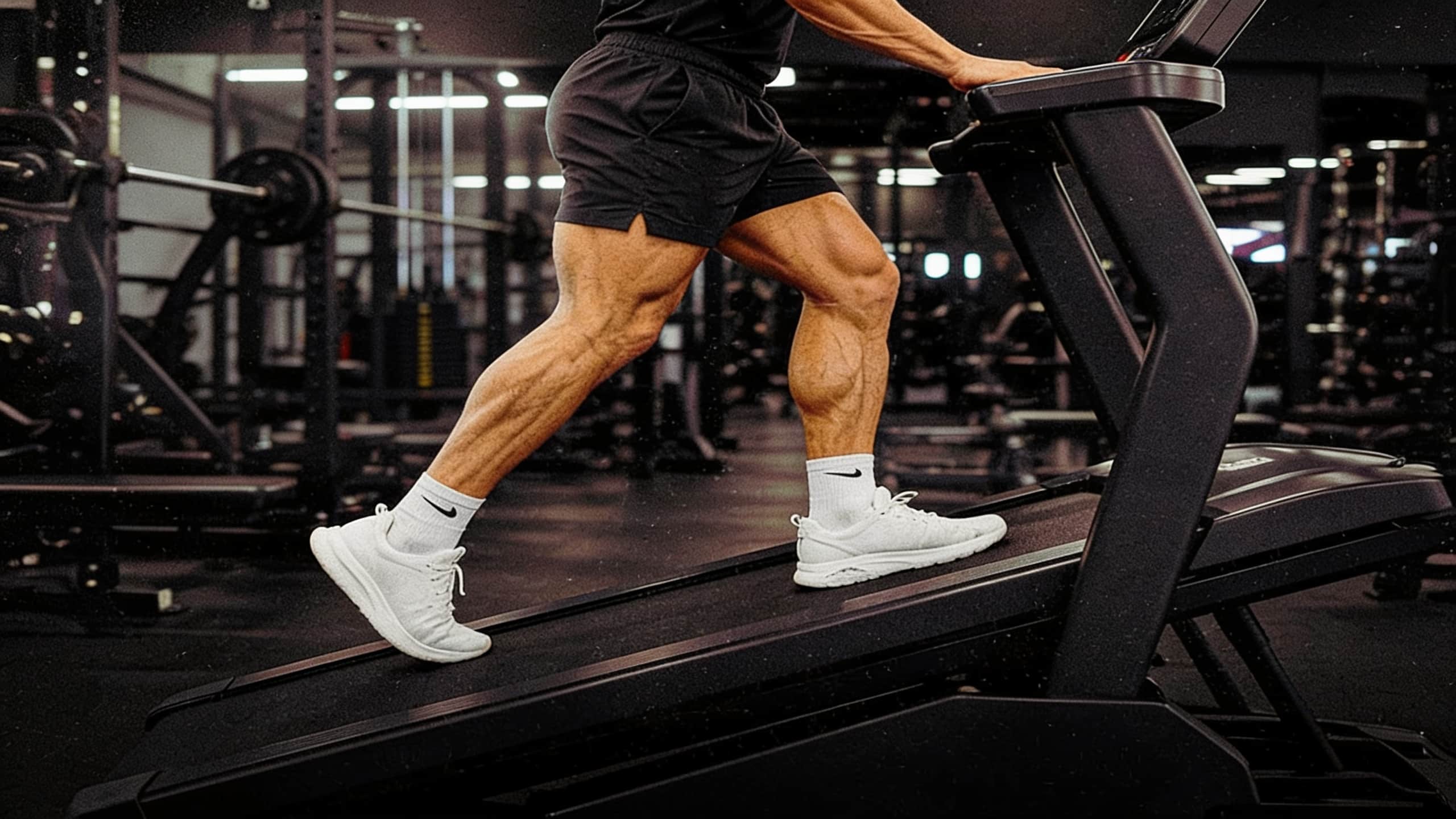
The viral “12-3-30” workout—12% incline, 3 mph, 30 minutes—has brought incline walking into the spotlight, and research reveals why this low-impact method delivers such impressive metabolic results.
From burning 151% more calories than flat walking to shifting your body toward greater fat oxidation, incline training offers a smarter approach to cardiovascular fitness.
Jump to:
- The Metabolic Power of Walking Uphill
- Superior Fat Oxidation During Incline Training
- Muscle Recruitment: More Than Just Cardio
- Joint-Friendly Alternative to Running
- Optimal Incline Range for Maximum Benefits
- Critical Form Considerations
- Programming Incline Walking Into Your Routine
- Progression Strategies for Long-Term Results
- Beyond Weight Loss: Additional Health Benefits
- Making Incline Walking Sustainable
The Metabolic Power of Walking Uphill
When you walk on an incline, your body works against gravity with every step. This fundamental change in biomechanics transforms a casual walk into a serious calorie-burning session.
According to the American College of Sports Medicine metabolic equations, each 1% increase in treadmill grade raises caloric burn by approximately 12% compared to flat walking at the same speed. That’s a dramatic multiplier effect that compounds as the incline steepens.

If you want something simple that actually works, this is one of the most effective tools I’ve used to build strength, conditioning, and endurance without needing a full gym setup.
- Full-body training with one weight using swings, squats, and presses
- Solid cast iron build that feels stable and lasts for years
- Comfortable grip that makes high-rep workouts easier to handle
Research demonstrates that walking at a 12% incline burns approximately 151% more calories than walking at the same speed on flat ground. For a 70kg person completing the popular 12-3-30 protocol, this translates to roughly 304 calories burned in just 30 minutes.
Even moderate inclines produce substantial benefits. Walking at a 10% incline can increase calorie expenditure by 25-50% compared to flat walking, making it an accessible option for those building up to steeper grades.
Superior Fat Oxidation During Incline Training
Beyond total calorie burn, incline walking appears to shift how your body fuels itself during exercise. This distinction matters enormously for body composition goals.
Studies show that incline walking produces 40.6% fat oxidation compared to 33.1% for flat running when matched for total calorie expenditure. This means a greater proportion of burned calories comes from fat stores rather than carbohydrates.
Sports scientists emphasize the metabolic flexibility benefits of this training adaptation. Regular incline walking appears to improve your body’s capacity to utilize fat as fuel, a valuable adaptation for endurance performance and sustainable weight management.
The moderate intensity of incline walking keeps you in an optimal heart rate zone for fat oxidation—challenging enough to create metabolic demand but sustainable enough to maintain for extended periods.
If you want something simple that actually works, this is one of the most effective tools I’ve used to build strength, conditioning, and endurance without needing a full gym setup.
- Full-body training with one weight using swings, squats, and presses
- Solid cast iron build that feels stable and lasts for years
- Comfortable grip that makes high-rep workouts easier to handle
Muscle Recruitment: More Than Just Cardio
Walking uphill transforms cardiovascular exercise into a comprehensive lower-body workout. The biomechanics of incline walking recruit significantly more muscle mass than flat-ground walking.
Your posterior chain—glutes, hamstrings, and calves—works considerably harder with each step against gravity. This increased muscle activation contributes directly to higher energy expenditure and explains why incline walking feels dramatically more challenging than the speed alone would suggest.
Exercise physiologists highlight this muscle recruitment as a key advantage. You’re simultaneously improving cardiovascular fitness while strengthening and toning major muscle groups, creating a time-efficient dual benefit.
Joint-Friendly Alternative to Running
One of incline walking’s most compelling advantages is delivering high metabolic demand without high impact. Rehabilitation specialists view this form of training as invaluable for specific populations.
Individuals with joint sensitivities, older adults, those recovering from injuries, or anyone seeking to minimize wear-and-tear on knees and hips can achieve comparable or superior calorie burns to running without the repetitive impact forces.
Walking maintains constant contact with the ground, eliminating the landing impact that occurs with each running stride. Yet the metabolic challenge of steep inclines can match or exceed moderate-pace running.
If you want something simple that actually works, this is one of the most effective tools I’ve used to build strength, conditioning, and endurance without needing a full gym setup.
- Full-body training with one weight using swings, squats, and presses
- Solid cast iron build that feels stable and lasts for years
- Comfortable grip that makes high-rep workouts easier to handle
This makes incline walking particularly valuable for long-term exercise sustainability and injury prevention.
Optimal Incline Range for Maximum Benefits
While steeper might seem better, exercise physiologists recommend specific parameters for balancing effectiveness with safety and sustainability.
Most experts suggest an 8-12% incline range for optimal calorie burn without excessive strain on the lower back, Achilles tendons, or knees. The viral 12-3-30 protocol sits at the upper end of this recommended range.
Speed should remain moderate—typically between 2.5-3.5 mph for most individuals. The incline provides the intensity; excessive speed isn’t necessary and may compromise form or increase injury risk.
Duration can vary based on fitness level, but 20-45 minutes represents a practical range for most training sessions. Beginners should start with shorter durations at lower inclines, progressively increasing both variables as conditioning improves.
Critical Form Considerations
Proper technique determines whether incline walking delivers its promised benefits or creates problems. One common mistake dramatically undermines effectiveness.
If you want something simple that actually works, this is one of the most effective tools I’ve used to build strength, conditioning, and endurance without needing a full gym setup.
- Full-body training with one weight using swings, squats, and presses
- Solid cast iron build that feels stable and lasts for years
- Comfortable grip that makes high-rep workouts easier to handle
Holding treadmill handrails can reduce calorie burn by 20-30% during incline walking. Gripping rails transfers body weight support away from your legs, defeating much of the metabolic advantage.
If you need handrails for balance, your incline is likely too steep for your current fitness level. Reduce the grade until you can walk hands-free with proper posture.
Maintain an upright torso position rather than leaning excessively forward. Your body should remain relatively vertical, with perhaps a slight forward lean from the ankles rather than the waist.
Keep your core engaged and shoulders back. Landing should occur on your midfoot to heel, with a natural rolling motion through to your toes.
Programming Incline Walking Into Your Routine
Incline walking can serve multiple roles within a comprehensive fitness program. Its versatility makes it suitable for various training contexts.
As standalone cardiovascular training, 3-5 sessions weekly of 20-45 minutes provides substantial aerobic conditioning and calorie expenditure for weight management.
If you want something simple that actually works, this is one of the most effective tools I’ve used to build strength, conditioning, and endurance without needing a full gym setup.
- Full-body training with one weight using swings, squats, and presses
- Solid cast iron build that feels stable and lasts for years
- Comfortable grip that makes high-rep workouts easier to handle
For active recovery between higher-intensity training sessions, incline walking offers moderate cardiovascular stimulus while promoting blood flow and recovery without excessive muscular or nervous system fatigue.
Some individuals incorporate incline walking as a finisher after resistance training, capitalizing on already-elevated metabolism and depleted glycogen stores to maximize fat oxidation.
Progression Strategies for Long-Term Results
Like any training stimulus, progressive overload ensures continued adaptation and prevents plateaus. Several variables can be manipulated to advance your incline walking practice.
Increase duration: Gradually extend session length from 20 minutes toward 45-60 minutes as conditioning improves.
Steepen incline: Progress from 8% toward 12-15% over weeks or months, allowing your body to adapt to each new grade before advancing.
Modest speed increases: Small increments from 2.5 mph to 3.0-3.5 mph substantially increase intensity when combined with steep inclines.
If you want something simple that actually works, this is one of the most effective tools I’ve used to build strength, conditioning, and endurance without needing a full gym setup.
- Full-body training with one weight using swings, squats, and presses
- Solid cast iron build that feels stable and lasts for years
- Comfortable grip that makes high-rep workouts easier to handle
Interval variations: Alternate between different incline percentages or speeds within a single session to create variable metabolic demands.
Weighted vest addition: Advanced practitioners can add 5-10% of body weight through a weighted vest for additional resistance, though this should only be attempted after mastering unweighted incline walking with excellent form.
Beyond Weight Loss: Additional Health Benefits
While calorie burn and fat loss capture most attention, incline walking delivers broader health improvements that extend beyond appearance.
Cardiovascular adaptations include improved heart efficiency, enhanced stroke volume, and better aerobic capacity. These changes translate to greater endurance in daily activities and reduced cardiovascular disease risk.
Lower-body strength gains, particularly in posterior chain muscles, improve functional movement patterns, posture, and reduce injury risk in everyday activities.
Mental health benefits mirror those of other aerobic exercises—reduced stress, improved mood regulation, and better sleep quality. The moderate intensity allows for sustainable practice without excessive physical or mental fatigue.
If you want something simple that actually works, this is one of the most effective tools I’ve used to build strength, conditioning, and endurance without needing a full gym setup.
- Full-body training with one weight using swings, squats, and presses
- Solid cast iron build that feels stable and lasts for years
- Comfortable grip that makes high-rep workouts easier to handle
Bone density improvements occur through weight-bearing exercise, particularly valuable for aging populations concerned about osteoporosis prevention.
Making Incline Walking Sustainable
The best exercise program is one you’ll actually maintain. Incline walking offers several advantages for long-term adherence.
Low injury risk compared to high-impact alternatives means fewer forced breaks and more consistent training over months and years.
Accessibility requires only a treadmill or hilly terrain, making it practical for home gyms, commercial facilities, or outdoor environments.
The moderate intensity allows for multitasking—many people watch shows, listen to podcasts, or catch up on audiobooks during sessions, making the time feel productive beyond just exercise.
Results come relatively quickly, with most individuals noticing improved conditioning within 2-3 weeks and measurable body composition changes within 4-6 weeks of consistent practice.
If you want something simple that actually works, this is one of the most effective tools I’ve used to build strength, conditioning, and endurance without needing a full gym setup.
- Full-body training with one weight using swings, squats, and presses
- Solid cast iron build that feels stable and lasts for years
- Comfortable grip that makes high-rep workouts easier to handle
For those seeking an evidence-based, joint-friendly cardiovascular training method that maximizes calorie burn and fat oxidation, incline walking represents one of the most effective and sustainable options available. The science clearly supports what many fitness enthusiasts have discovered through experience: sometimes the simplest adjustments—like walking uphill—produce the most impressive results.