A veteran ultrarunner’s race turned into a fight for his life — and somehow, he won.
Jeff Browning, one of America’s most decorated long-distance trail runners, suffered a mid-race heart attack during the TDS race in Chamonix, France on August 24, collapsing near an aid station with no pulse before emergency crews brought him back.
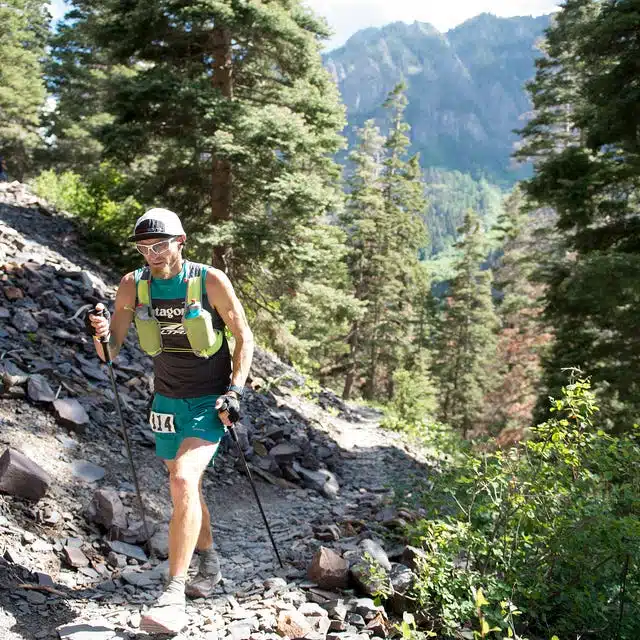
After nine days in hospital, multiple surgical procedures, and an outpouring of support from the global trail running community, the 55-year-old is now looking ahead — and he’s already talking about getting back on the trails.
Here’s the full story of what happened, how he survived, and what comes next.
Jump to:
A Race That Became a Life-or-Death Emergency
The TDS race kicked off at 11:50 p.m. on August 24 in Courmayeur, Italy, sending competitors through one of ultrarunning’s most technically demanding routes toward Chamonix, France.
Browning — a Hardrock 100 champion, six-time finisher of the Western States 100, and longtime Keen-sponsored athlete — was deep into the race when things took a terrifying turn.
He reportedly fell midway through the course, began experiencing blurry vision, and then collapsed near an aid station. What followed were three critical minutes that would determine everything.
Three Minutes That Made All the Difference
Race and emergency medical teams were on the scene almost instantly, administering defibrillation before Browning was airlifted by helicopter to a hospital in France.
Surgeons placed three stents in an emergency procedure. More procedures followed at a second hospital before he was finally stable.
George Plomarity, business director for Keen’s running division and Browning’s crew chief during the race, was present during those agonizing first moments.
It’s fortunate that it happened to be in an aid station where they were doing medical checks. The moment that I realized he didn’t have a pulse until he was intubated, you know, wasn’t more than three minutes tops.
Three minutes. In cardiac emergencies, that window is everything.
The proximity to trained medical personnel almost certainly saved his life — a detail that isn’t lost on anyone close to the situation.
Nine Days, Two Hospitals, and a Community Rallying Behind Him
Browning spent nine days recovering at Grenoble Alpes University Hospital in France, undergoing multiple procedures along the way.
The trail running world took notice. Messages, prayers, and an overwhelming wave of support flooded in from athletes and fans across the globe — a testament to how deeply respected the Flagstaff, Arizona-based runner is within the sport.
When Browning finally broke his silence on social media, the emotion in his words was palpable.
I’m so grateful for all the prayers, love and support from this entire community and the future remains to be seen, but I’m happy to share that there is a path forward and a path to me getting stronger and being back on the trails.
He didn’t stop there. Browning made a point of publicly crediting the medical staff whose fast, skilled response made his survival possible.
As I continue to heal up from these two procedures and surgery and nine days in the hospital, I finally get to move to an apartment today and get out of the hospital. I’ll be in France for about another week before I can travel home. But I just want to especially thank the amazing doctors and staff here in France for keeping me alive.
What Recovery Looks Like From Here
Browning has been discharged from Grenoble Alpes University Hospital and is now recuperating in a nearby apartment — a major milestone after more than a week of intensive hospital care.
He’ll remain in France for approximately one more week before doctors clear him to make the long journey home to Arizona.
The road back will be long, and the ultrarunning community knows better than to expect a quick turnaround after a cardiac event of this severity. But Browning’s mention of returning to the trails — even cautiously framed — signals the kind of competitive spirit that has defined his career.
A Legend in the Sport — and Why This Moment Matters
To understand why the trail running world reacted so strongly, you only need to look at Browning’s résumé.
At 55, he remains one of the most accomplished ultrarunners of his generation — a Hardrock 100 champion, a six-time Western States 100 finisher, and a sponsored professional athlete still competing at the sport’s highest levels.
His survival is remarkable. His mindset coming out of it is something else entirely.
For anyone who has ever laced up a pair of trail shoes, pushed past a wall of exhaustion, or simply admired what the human body can endure, Browning’s story is a powerful reminder that resilience doesn’t stop at the finish line.
The path forward exists. And if Jeff Browning has anything to say about it, that path leads back to the mountains.