Peptides have exploded in popularity, from weight-loss clinics to biohacking forums, with promises ranging from rapid fat loss to injury healing and even life extension.
But which ones actually deliver on their bold claims?
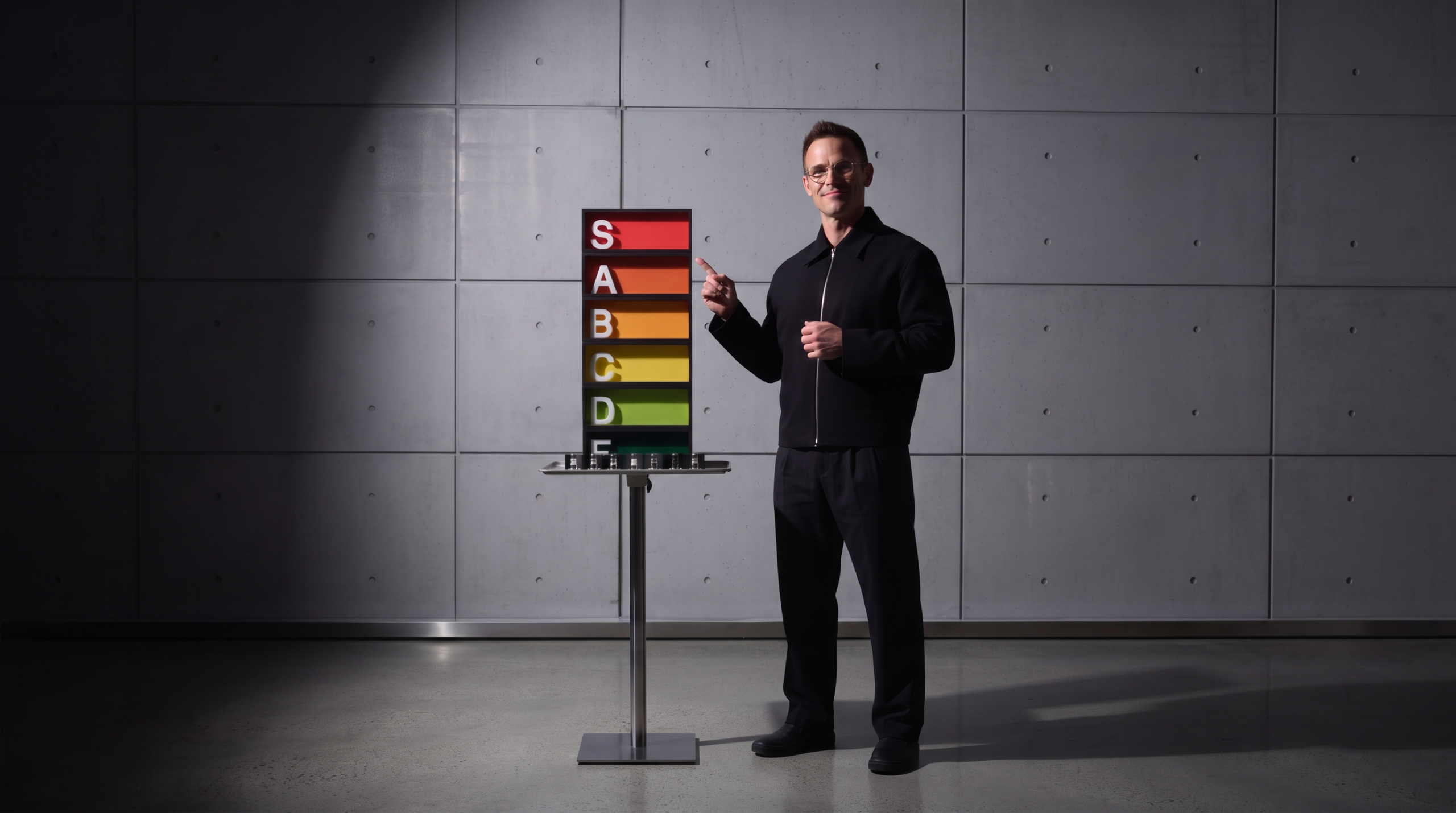
In a recent viral ranking, fitness expert Jeff Nippard broke down the most talked-about peptides, separating the science-backed superstars from the overhyped disappointments.
His verdict might surprise you—especially when it comes to what truly deserves the top spot.
Jump to:
The Weight-Loss Peptides That Actually Work
Semaglutide, better known by its brand name Ozempic, has transformed the weight-loss landscape. It works by activating GLP-1 receptors in your brain, significantly reducing hunger signals.
The results speak volumes. Comparing one year of weight loss with diet and exercise alone versus the same approach plus semaglutide reveals a dramatic difference in outcomes.
But this medication isn’t without drawbacks.
You will lose muscle if you don’t lift weights and eat enough protein, and nausea and diarrhea are quite common.
Nippard emphasizes an important caveat: semaglutide should be reserved for people who genuinely need it.
I also don’t think it should be used by people who are already lean trying to get shredded, but it is safe for overweight people when prescribed by a medical doctor.
Context matters enormously. For overweight individuals working with medical supervision, semaglutide earns a solid A-tier ranking.
The Even More Powerful Alternative
Tirzepatide takes the GLP-1 concept further by activating two receptors instead of one. This dual action suppresses appetite even more effectively than semaglutide.
The enhanced mechanism translates to greater weight loss for many users. Like its predecessor, tirzepatide also lands in A-tier when used appropriately under medical guidance.
Then there’s retatrutide, the newest player activating three receptors and producing even more dramatic weight loss in clinical trials.
Despite impressive results, retatrutide currently lacks FDA approval, which pushes it down to B-tier until regulatory bodies complete their safety evaluations.
The Wolverine Peptide: Healing or Hype?
BPC-157 has earned the nickname “the Wolverine peptide” for its supposed ability to accelerate injury recovery. Anecdotal reports flood fitness communities with miraculous healing stories.
Looking at the actual research paints a more complicated picture.
One frequently cited study showed 50% more blood vessel formation in injured rat legs treated with BPC-157. Impressive in rodents, certainly—but rats aren’t humans.
The total human research on BPC-157 amounts to studies involving just 30 people. That’s an astonishingly small evidence base for such widespread use.
The anecdotes are strong, but most injuries heal on their own anyway, so it’s hard to know if it’s the BPC that’s working.
Another concern: quality control. BPC-157 isn’t FDA-approved, meaning no standardized manufacturing oversight exists. What you’re actually getting in that vial remains uncertain.
Until large-scale human trials establish both efficacy and safety, BPC-157 sits in low C-tier—intriguing but unproven.
Anti-Aging Peptides: Promise Without Proof
The longevity space overflows with compounds promising to turn back your biological clock. Epitalon and MOTS-c frequently appear in anti-aging protocols.
Both peptides demonstrate plausible biological mechanisms for extending lifespan. Laboratory studies show they can influence cellular processes linked to aging.
Here’s the problem: those lifespan extensions occurred in flies, mice, and rats. Zero reliable evidence exists showing they extend human lifespan or even improve human healthspan markers.
Promising mechanisms don’t equal real-world results. For now, epitalon and MOTS-c receive an F-tier grade based on current human evidence.
NAD+: Overhyped Coenzyme
NAD+ infusions and supplements dominate longevity clinics and biohacker circles. Celebrities tout its age-reversing benefits.
First, a technical correction: NAD+ isn’t actually a peptide—it’s a coenzyme involved in cellular energy production.
Second, the human evidence supporting anti-aging benefits remains remarkably weak despite the massive hype. Small studies with limited follow-up don’t justify the extraordinary claims or expensive price tags.
NAD+ therapies land in D-tier: lots of marketing, minimal proof.
The True S-Tier Intervention
After ranking all the peptides and similar compounds, Nippard reveals what truly deserves the highest tier.
It’s not a peptide at all.
This last one isn’t technically a peptide either, but it can help you look fitter, healthier, it can heal your injuries, and help you live longer. Exercise. I’m putting it in S tier.
Exercise delivers on every promise the peptide industry makes—and backs it up with mountains of high-quality human evidence.
Regular physical activity demonstrably:
- Burns fat through increased energy expenditure and metabolic improvements
- Builds muscle and preserves lean mass during weight loss
- Accelerates injury recovery by improving blood flow and tissue repair
- Extends lifespan according to decades of population studies
- Improves healthspan by reducing disease risk across virtually every organ system
Unlike unregulated peptides, exercise comes with extensive safety data, costs nothing, and produces benefits that extend far beyond any single mechanism.
Making Informed Decisions
The peptide landscape requires critical thinking. Marketing often races ahead of science, especially in the longevity and performance spaces.
For clinically meaningful weight loss in overweight individuals, GLP-1 medications like semaglutide and tirzepatide offer genuine benefits when prescribed appropriately. Medical supervision remains essential.
For injury healing, the evidence supporting peptides like BPC-157 remains preliminary at best. Traditional rehabilitation, proper nutrition, and patience allow most injuries to heal effectively.
For anti-aging and longevity, current peptides lack the human evidence to justify their use. Established interventions—exercise, nutrition, sleep, stress management—provide proven benefits without the uncertainty.
The S-tier intervention sits right in front of you, requiring no prescription, no injections, and no regulatory approval.
Just movement, consistency, and effort.