Complicated morning routines might look impressive on paper, but they often become excuses for inaction.
That’s the blunt assessment from a veteran who’s maintained the same structured routine since 2004—and believes most people are sabotaging themselves with unrealistic expectations.
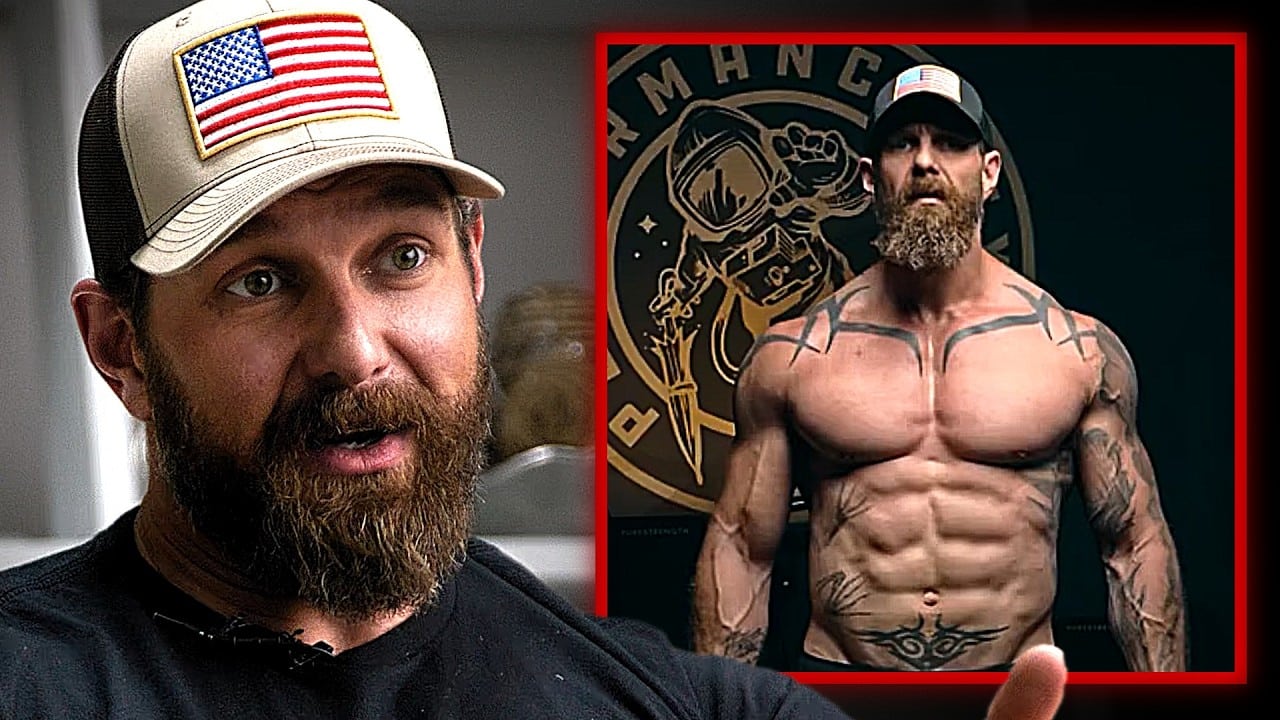
In a recent conversation on the Mulligan Brothers podcast, he broke down why simple, repeatable habits beat elaborate routines every time—and how a basic 20-minute walk might be the most powerful mental health tool available.
His approach strips away the complexity that keeps people from starting, focusing instead on building micro-wins that compound over time.
Jump to:
The Problem With Chasing Perfect Routines
Many people gravitate toward complex morning routines precisely because they’re unattainable, he suggests. If a routine requires equipment most don’t have or time most can’t spare, it provides a convenient excuse for inaction.
People like complicated morning routines and they like to look at this magical morning routine that’s all the bells and whistles. And I think a large portion of that is because if it’s unreachable, then they don’t have to do it.
He’s maintained consistency since 2004 with basics: waking at the same time, hitting the gym on schedule, eating similar meals. The same protein shake for 14 years.
It works because it’s built for sustainability, not social media appeal.
Start With Goals You Can Actually Maintain
Unrealistic goal-setting destroys momentum before it begins. Setting aspirations without considering lifestyle constraints guarantees failure.
A lot of people, they set these goals that are so unrealistic, you ain’t going to make them. You don’t have the discipline to pull it off. And I know it’s nice to hope and want, but it ain’t going to work.
His alternative? Radically simple starting points that remove barriers to consistency.
The Seven-Day Foundation
Instead of overhauling everything simultaneously, he recommends proving capability with basic commitments:
- Go to bed at the same time every day for seven days
- Wake up at the same time every day for seven days
- Add a 20-minute walk after dinner
- Add another walk before work
Once these become automatic, assessment becomes possible. What fits within existing life structure? Where can adjustments create space?
There’s something you can do just for you that makes you exponentially better without a lot of effort.
The Power of Micro-Wins
His approach centers on stacking small victories throughout the day. Each completed task builds momentum for what follows.
By 10:00 a.m., he’s typically accomplished six distinct goals: waking on schedule, completing fitness work, cold plunge, 20-minute walk, protein shake, diet adherence, and making his first meeting on time.
I’ve done that seven days a week, every day for five years. Pretty good, man. That’s pretty repeatable.
Repeatability matters more than intensity. A habit maintained for years delivers exponentially more benefit than heroic efforts abandoned after weeks.
Evening Routines That Build Connection
His evening walk happens every night after dinner—as reliably as showering. For couples, he suggests an even simpler version: ten minutes on the front porch, regardless of weather.
Five minutes for each partner to decompress and share whatever’s happening in their life. No phones, no distractions.
It builds a bond with your partner, whatever it’s going to be. But people don’t want to just line it out.
The 20-Minute Walk That Changes Everything
If he could give everyone a single gift, it would be understanding the transformative power of walking 20 minutes daily.
Average walking pace covers roughly one mile in 20 minutes. He completes this three times daily—accumulating 3 miles per day, 21 miles weekly.
The average person can walk a mile in 20 minutes. I do it three times a day, 3 miles a day, 21 miles a week. Anybody can do that.
This isn’t athletic training—it’s foundational health maintenance accessible to virtually everyone.
Multiple Benefits From One Simple Habit
Walking delivers compounding returns across multiple health dimensions:
- Improved digestion after meals
- Better circadian rhythm regulation
- Enhanced sleep quality
- Metabolism activation
- Mental clarity and stress reduction
- Connection time with partners or friends
For married couples specifically, he considers the post-dinner walk essential. Ten minutes walking away from home, ten minutes returning—with each partner getting dedicated time to speak and be heard.
The best thing you’ve ever done, man. It’ll help you digest your food, set circadian rhythm, you’ll get better sleep, kickstart your metabolism, and actually giving you guys 10 minutes to speak instead of being on your phones.
Physical Fitness as Mental Health Foundation
Physical capability expands options for processing information and navigating challenges. When physical demands arise, fitness removes that variable from consideration.
More importantly, physical competence builds confidence that translates across life domains.
The confidence that comes from that is really the key to mental health. It’s stop feeling like a victim.
His perspective on depression and mental health struggles centers on action rather than rumination. Discussing mental health from bed accomplishes nothing.
Movement as Depression Intervention
His advice for those struggling: get up and move. Drive 15 minutes to a coffee shop. Sit inside and observe people interacting.
Human connection and environmental change pull people from depressive cycles.
It pulls people out of depression. They don’t want to listen to like, I want to be alone. I know you do. That’s why you’ve had this depression for 20 years. Get out and move.
Isolation reinforces depression. Breaking that pattern requires physical action, even when motivation is absent.
The Best Diet Is The One You’ll Actually Follow
Dietary philosophy parallels his routine-building approach. Optimal nutrition plans fail if adherence is impossible.
Best diet in the world is the one you’ll actually stick to. Doesn’t matter what it is. That could be keto. That can be vegan. That can be whatever you want it to be. If you’ll actually stick to it, that’s the best diet for you.
People accumulate failures by attempting unsustainable approaches, then blame the method rather than examining sustainability. Each abandoned diet becomes another entry in the loss column.
Consistency beats optimization when optimization prevents consistency.
Making Time By Taking Time
Men especially sacrifice personal maintenance while prioritizing provider roles, he notes. Years pass without gym visits, abandoned hobbies, disappeared friendships.
Before you know it, you’ve let yourself go. It’s been 10 years. You can’t draw me a diagram to the inside of your local gym.
His morning routine creates bandwidth for full presence later. Completing personal maintenance early means coming home without competing priorities—available as father and husband without mental compartmentalization.
Routines adapt to circumstances. Working night shifts? The entire structure shifts accordingly. Traveling overseas? Everything adjusts to maximize benefit within new constraints.
Building Rather Than Copying
Looking at established routines from successful people misses how those systems developed. They weren’t implemented overnight—they evolved gradually through experimentation and refinement.
Trying to adopt someone else’s complete routine ignores the incremental building process and personalization that made it sustainable for them.
Start with what’s achievable now, then build systematically.
The Workplace Culture of Walking
His team incorporates 20-minute walks into work culture. During lunch breaks, groups of 15 people walk together—getting outside, syncing up, managing stress collectively.
It allows them to sync up. It gets them outside. And it really helps with mental health. And job’s stressful, man. Work is stressful. If you don’t take time for yourself, you’ll never find it. Sometimes you just got to make it.
Organizations that embed healthy habits into daily structure remove individual motivation as a barrier. Walking becomes default rather than optional.
Personal health investment doesn’t require finding time—it requires making time, even when circumstances suggest otherwise.