Hips that ache after years of sitting may be stuck rather than stiff, a popular mobility coach said in a recent YouTube video.
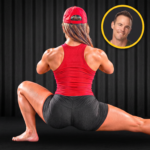
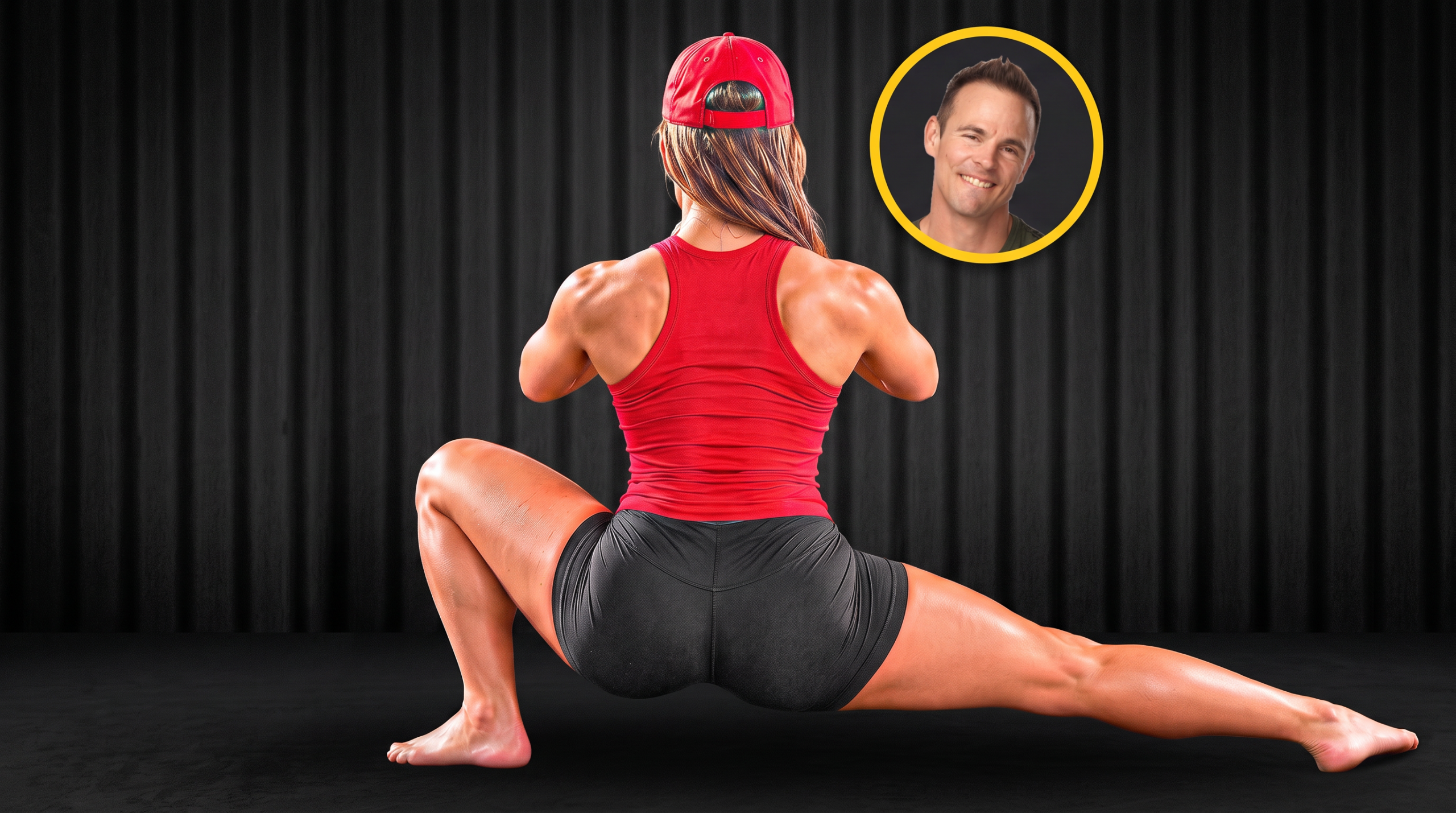
His fix is a single move called the Cossack squat, and a session takes about five minutes.
It stings the first time you sink in, and that sting is exactly the point.
Why would a side-to-side squat undo years of chair time?
Stick around for a 10-second test that reveals how much lower you can go by the end.
Jump to:
Why Hips Get Stuck (It’s Not Short Muscles)
Trouble getting out of a car or bending down to tie your shoes? The coach says short, tight muscles are not the culprit.
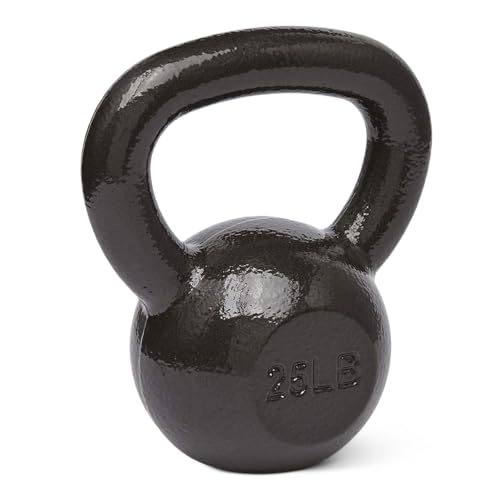
If you want something simple that actually works, this is one of the most effective tools I’ve used to build strength, conditioning, and endurance without needing a full gym setup.
- Full-body training with one weight using swings, squats, and presses
- Solid cast iron build that feels stable and lasts for years
- Comfortable grip that makes high-rep workouts easier to handle
Real troublemaker: protective tension. Your brain slams on the brakes long before muscles actually run out of stretch.
Think of that like a car alarm that goes off when somebody just leans on the car.
Your brain sounds the alarm early, with no real danger in sight. The upside: you can teach it to let go through daily movement.
One caveat. Protective tension is the coach’s own framing, and joint structure and tissue quality can also limit motion, so persistent pain deserves a professional opinion.
Why Sideways Beats Straight Down
Sitting eight, ten, even twelve hours daily locks hips into one pattern. A standard squat simply repeats the seated position.
Your hips are not stiff, they are stuck.
Cossack squats shift weight laterally. One hip sinks deep while the inner thigh of the straight leg stretches and strengthens at once.
Training flexibility like strength is the coach’s whole philosophy, so every rep works inside the range you want to open.
If you want something simple that actually works, this is one of the most effective tools I’ve used to build strength, conditioning, and endurance without needing a full gym setup.
- Full-body training with one weight using swings, squats, and presses
- Solid cast iron build that feels stable and lasts for years
- Comfortable grip that makes high-rep workouts easier to handle
Take the 10-Second Test First
Hold a doorframe or pole and sink into a side lunge with your heel down. Then note two things:
- Where the pinch begins
- Where your heel starts to lift
Remember that spot. You’ll return to it shortly.
The Five Levels, Step by Step
Each level calls for six reps on one leg, pausing two seconds at the bottom before driving up through the bent leg. Working one side at a time lets hips settle without shifting across.
Level 1: Hold On and Add a Towel
- Grip a doorframe or pole with both hands, feet wide.
- Slide a folded towel or thin book under the working heel. That lift eases pressure on a stiff ankle, so hips do more work.
- Bend one knee, sit back into the hip, and keep the other leg straight, toes up.
- Let the knee track over the middle of the foot, chest tall.
Sink only as far as feels comfortable. Depth comes later.
Level 2: Lose the Towel
Once Level 1 feels easy, remove the towel but keep holding on. With both heels down, try sinking a little deeper.
Level 3: Let Go, Towel Back
Release the support, return the towel, and clasp hands in front of your chest. Hips now have to hold you steady, so staying shallower is perfectly fine.
If you want something simple that actually works, this is one of the most effective tools I’ve used to build strength, conditioning, and endurance without needing a full gym setup.
- Full-body training with one weight using swings, squats, and presses
- Solid cast iron build that feels stable and lasts for years
- Comfortable grip that makes high-rep workouts easier to handle
Level 4: Free and Low
Ditch the towel for good. Sink as low as possible, bent heel flat, straight-leg toes up, controlling every inch on the way back.
Feeling solid? Point the straight-leg toes forward instead. The coach uses this variation to target inner thighs and prep for the splits.
Level 5: Elevate the Straight Leg
Rest the straight leg on a box, then sink low into the working leg and drive up. A taller box means a harder move, since the top leg must be flexible too.
Start with a low step and raise it gradually.
Progression Rules
- Move up only when the level below feels easy and pain free.
- If a level feels off today, drop back or use less range.
- Stay present with what your body tells you.
- Repeat everything on the left leg, starting again from Level 1.
The Retest: Did You Get Lower?
After both sides, grab the doorframe again and sink into one side, heel down. Notice how much deeper you travel before discomfort or heel lift.
That extra depth is your nervous system starting to trust the position.
According to the coach, roughly nine in ten students sink lower on that first retest. That figure comes from his own classes rather than a controlled trial, so treat it as encouraging, not guaranteed.
If you want something simple that actually works, this is one of the most effective tools I’ve used to build strength, conditioning, and endurance without needing a full gym setup.
- Full-body training with one weight using swings, squats, and presses
- Solid cast iron build that feels stable and lasts for years
- Comfortable grip that makes high-rep workouts easier to handle
Next Up: The Cossack Flow
One gap remains. Every level ends back at standing, so hips never practice carrying range from one side to the other.
Flow fills that gap, letting hips move freely while you stay low, held up by your own strength. Begin only when Level 4 feels easy and pain free on both legs.
- Side to side: Sink into one leg, rise to standing, then sink into the other. Keep it slow and smooth.
- Low side to side: Repeat closer to the ground, near a horse stance, never fully standing. Legs carry you throughout.
- All the way down: Glide from one Cossack straight into the other. Touch the floor with hands whenever support is needed.
Finish each session with 30 seconds of flow, and retest depth weekly.
Your Top Questions, Answered
Where Should It Hurt?
A pull through the inner thigh or groin that fades after leaving the position is normal. Sharp pain in the front of the hip, or any knee pain, means stop and go back a level.
How Often Should You Train?
Three days weekly, with a rest day between sessions, is plenty. Hips need recovery just like any muscle after strength work.
Backing the strength-style approach, the coach cited a 2021 review of 11 studies finding that resistance training improved range of motion about as well as stretching.
If you want something simple that actually works, this is one of the most effective tools I’ve used to build strength, conditioning, and endurance without needing a full gym setup.
- Full-body training with one weight using swings, squats, and presses
- Solid cast iron build that feels stable and lasts for years
- Comfortable grip that makes high-rep workouts easier to handle
What About Arthritis or a Hip Replacement?
You can still try it, he says. Choose an appropriate level and listen closely to feedback from your body.
What If Your Heels Keep Lifting?
Keep the towel under the working heel, and sink only as far as that heel stays planted. Elevation lets hips do the work while ankles catch up, so stay on it as long as needed.
The Bottom Line
Five minutes, three days a week is the coach’s recipe for reclaiming range your chair has been stealing.
That early discomfort, he says, is a nervous system catching up, and it eases with practice.