Vegan athletes often face skepticism about whether plant-based diets can truly support muscle growth and athletic performance.
But bikini pro and soon-to-be fitness coach Eleni is living proof that building and maintaining muscle on a vegan diet isn’t just possible—it’s surprisingly straightforward.
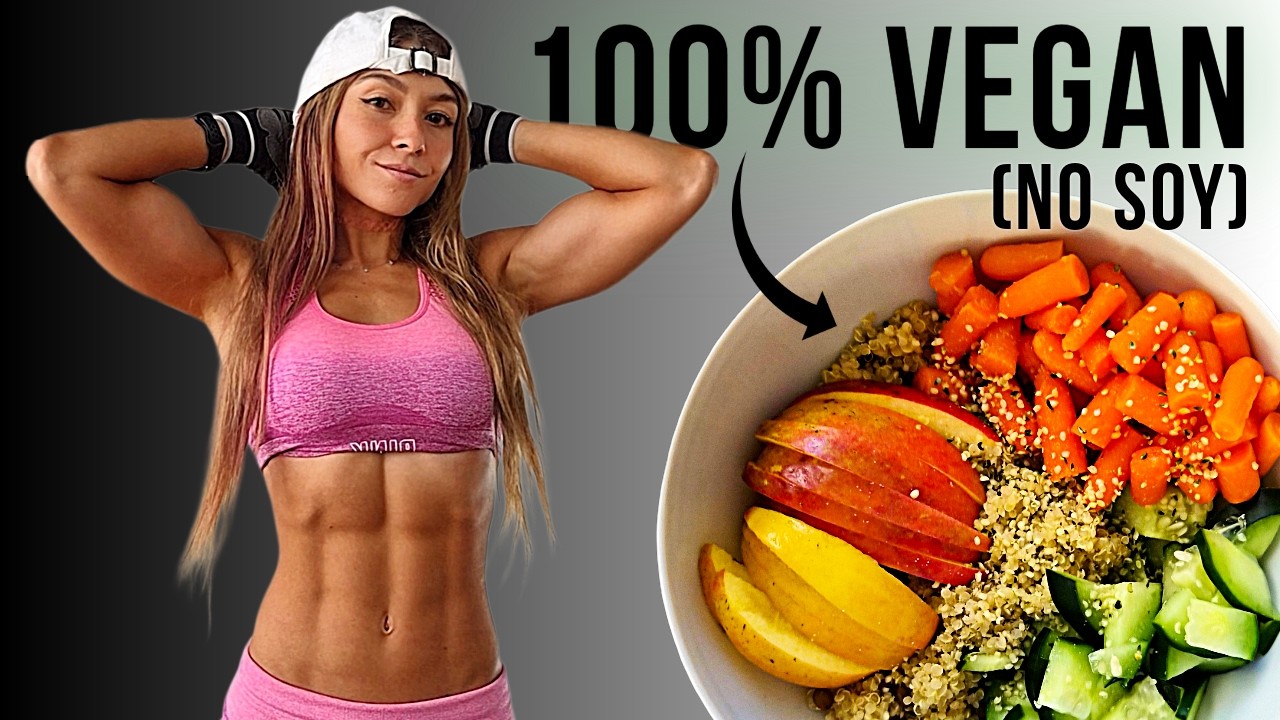
In a recent video, she broke down her entire daily eating routine, revealing practical meal ideas that require minimal cooking skills and zero soy products.
Her approach challenges common assumptions about protein requirements while offering actionable strategies for anyone looking to thrive on plants.
Jump to:
Moving Beyond Mock Meats
Transitioning to veganism can feel overwhelming, especially for athletes concerned about protein intake. Eleni experienced this firsthand when she initially adopted plant-based eating.
When I think back to when I started following a plant-based diet, I remember being very confused to how I could get enough protein without meat. So, I would rely a lot on mock meats in the beginning, which were great for me to make this transition, but also are not really ideal if you’re looking for a more balanced healthy diet.
She’s developed a meal plan built around whole food sources that’s both budget-friendly and preparation-minimal. Her complete daily routine requires no soy—crucial for those with sensitivities—and relies heavily on staples available at mainstream stores like Costco.

If you want something simple that actually works, this is one of the most effective tools I’ve used to build strength, conditioning, and endurance without needing a full gym setup.
- Full-body training with one weight using swings, squats, and presses
- Solid cast iron build that feels stable and lasts for years
- Comfortable grip that makes high-rep workouts easier to handle
Breakfast: Starting Simple With Oats
Eleni’s morning meal exemplifies her philosophy of effortless nutrition. She prepares oatmeal in a rice cooker, eliminating active cooking time entirely.
Her breakfast formula includes half a cup of dry oatmeal, one scoop of protein powder (though she emphasizes this is optional), one teaspoon of chia seeds, and fresh fruit. This combination delivers approximately 370 calories and 22 grams of protein.
Finding suitable protein powder proved challenging given Eleni’s sensitivities to soy and artificial sweeteners. She discovered that certain ingredients triggered immediate reactions.
If I have soy, for example, my skin will break out and I’ll have headaches. My energy levels are going to get wacky. I’m going to get moody.
After extensive trial and error, she settled on Phita brand protein powder and also recommends Tropeaka from Amazon for those with digestive concerns. Both options avoid artificial sweeteners while providing clean ingredient profiles that don’t disrupt gut health.
Lunch: The Quinoa Power Bowl
Midday nutrition centers around another rice cooker-friendly combination: quinoa and brown lentils. This pairing creates complementary amino acid profiles while requiring zero culinary expertise.
Her lunch bowl contains:
If you want something simple that actually works, this is one of the most effective tools I’ve used to build strength, conditioning, and endurance without needing a full gym setup.
- Full-body training with one weight using swings, squats, and presses
- Solid cast iron build that feels stable and lasts for years
- Comfortable grip that makes high-rep workouts easier to handle
- 1/4 cup quinoa (measured dry)
- 1/4 cup brown lentils (measured dry)
- 100 grams baby carrots
- 100 grams cucumber
- 1 teaspoon hemp seeds
- 200 grams packaged sweet potato sticks
These ingredients total roughly 583 calories with 24 grams of protein, 114 grams of carbohydrates, and 4 grams of fat. The pre-cut sweet potato from Costco eliminates prep work entirely—perfect for self-proclaimed lazy cooks.
Rethinking Complete Proteins
Eleni addresses common misconceptions about amino acid combining that often intimidate new vegans. While quinoa does contain all essential amino acids, she emphasizes this shouldn’t become an obsession.
There’s this whole myth that you have to be completing proteins and combining proteins in every single meal when you follow a plant-based diet, which is partially true. But the way that people phrase it is as if the plant-based diet is inferior because of that.
Modern nutritional science confirms that bodies maintain amino acid pools throughout the day. Consuming varied plant proteins across meals naturally provides complete amino acid profiles without meticulous meal-by-meal planning.
Dinner: Chickpea Pasta Simplicity
Evening meals couldn’t be more straightforward. Eleni prepares chickpea pasta with store-bought marinara sauce and serves it alongside raw spinach seasoned with lime and salt.
Her dinner portions include 100 grams of dry chickpea pasta, 100 grams of marinara sauce, one tablespoon of nutritional yeast, and spinach. This combination provides approximately 443 calories, 27 grams of protein, 72 grams of carbs, and 4 grams of fat.
Nutritional yeast adds both cheesy flavor and additional protein while remaining completely plant-based. For budget-conscious eaters, she suggests substituting regular chickpeas for the pasta, though she personally loves chickpea pasta enough to justify the expense.
If you want something simple that actually works, this is one of the most effective tools I’ve used to build strength, conditioning, and endurance without needing a full gym setup.
- Full-body training with one weight using swings, squats, and presses
- Solid cast iron build that feels stable and lasts for years
- Comfortable grip that makes high-rep workouts easier to handle
Snacking Strategy and Mental Sustainability
Between structured meals, Eleni reaches for fruit—bananas, apples, strawberries, or frozen options from Costco. She also incorporates air-popped popcorn as a high-volume, low-calorie snack that satisfies psychological cravings.
These snacks contribute roughly 430 additional calories and 9 grams of protein daily. The popcorn serves dual purposes: physical satiation and mental satisfaction from the ritual of snacking while watching television.
Building Sustainable Habits
Eleni’s approach includes two weekly “cheat days” that balance her otherwise structured eating pattern. This strategy addresses her self-awareness about moderation challenges.
I’m a person that I don’t stop eating until I see the bottom of the package. And that’s why I structure my routine this way. I have those cheat days where I allow myself to eat anything that I want.
This honest acknowledgment highlights an important principle: effective nutrition plans accommodate individual psychology, not just physiology. Forcing moderation where it doesn’t naturally exist often leads to unsustainable restriction and eventual abandonment of health goals.
The Low-Fat Approach
Eleni’s weekday eating totals approximately 1,800 calories with 82 grams of protein, 343 grams of carbohydrates, and just 16 grams of fat. This extremely low-fat distribution works specifically for her energy levels and body composition goals.
She’s careful to note this macronutrient split won’t suit everyone. Some individuals thrive on higher fat intakes, and experimentation remains essential for finding personal optimal ratios.
If you want something simple that actually works, this is one of the most effective tools I’ve used to build strength, conditioning, and endurance without needing a full gym setup.
- Full-body training with one weight using swings, squats, and presses
- Solid cast iron build that feels stable and lasts for years
- Comfortable grip that makes high-rep workouts easier to handle
For me, I find that my energy levels got way better when I just decreased the amount of fat in my diet and increase the amount of carbs instead. And I follow a very low-fat diet now, but that might not be for you.
Her weekend eating patterns naturally incorporate more dietary fat, creating weekly balance rather than daily perfection.
Challenging Protein Orthodoxy
Perhaps most surprisingly, Eleni targets just 0.8 grams of protein per pound of body weight—significantly lower than typical bodybuilding recommendations. She previously consumed 120-150 grams daily, believing extreme protein intake was necessary for muscle development.
I didn’t see any changes in my ability to build muscle since I made this drop since I limited my protein intake and since I made the switch to a plant-based diet. I actually saw better results quite honestly.
Her improved results likely stem from multiple factors: better overall diet sustainability, elimination of foods triggering inflammation, and reduced digestive stress. This experience demonstrates that more protein doesn’t automatically equal more muscle, especially when excessive intake compromises adherence or gut health.
Practical Takeaways for Vegan Athletes
Eleni’s routine offers several transferable lessons regardless of dietary preferences:
- Simplicity trumps complexity for long-term adherence
- Kitchen equipment like rice cookers can eliminate cooking barriers
- Bulk purchasing from warehouse stores makes plant-based eating affordable
- Pre-prepared vegetables and frozen fruits reduce preparation friction
- Nutritional yeast and hemp seeds boost protein without soy
- Psychological satisfaction matters as much as nutritional targets
She emphasizes that her exact meal plan shouldn’t be copied verbatim. Individual factors—height, activity level, metabolism, genetics, and body composition—all influence optimal nutrition strategies.
Mental Health as Physical Health
Throughout her discussion, Eleni returns repeatedly to sustainability and self-compassion. Extreme short-term restriction might suit competition preparation, but long-term health requires finding equilibrium between goals and enjoyment.
If you want something simple that actually works, this is one of the most effective tools I’ve used to build strength, conditioning, and endurance without needing a full gym setup.
- Full-body training with one weight using swings, squats, and presses
- Solid cast iron build that feels stable and lasts for years
- Comfortable grip that makes high-rep workouts easier to handle
Mental health is also part of our health and it also impacts our physique a lot. It impacts our bodies.
She encourages social flexibility, suggesting that taking scales to restaurants represents unsustainable obsession for most people’s lifestyles. Building physiques shouldn’t require sacrificing relationships or mental wellbeing.
Her final reminder centers on consistency over perfection: single meals or days don’t derail progress. Grace during setbacks and immediate recommitment create lasting results far more effectively than guilt-driven restriction cycles.
For athletes considering plant-based nutrition or vegans struggling with protein targets, Eleni’s approach demonstrates that muscle maintenance requires neither animal products nor culinary expertise—just thoughtful planning, self-awareness, and realistic expectations about individual needs.