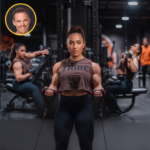
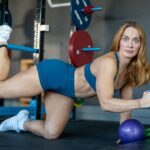
A popular fitness creator just tested every viral glute exercise clogging her social feed.
Her judging question for each move was simple: will this actually grow your glutes?
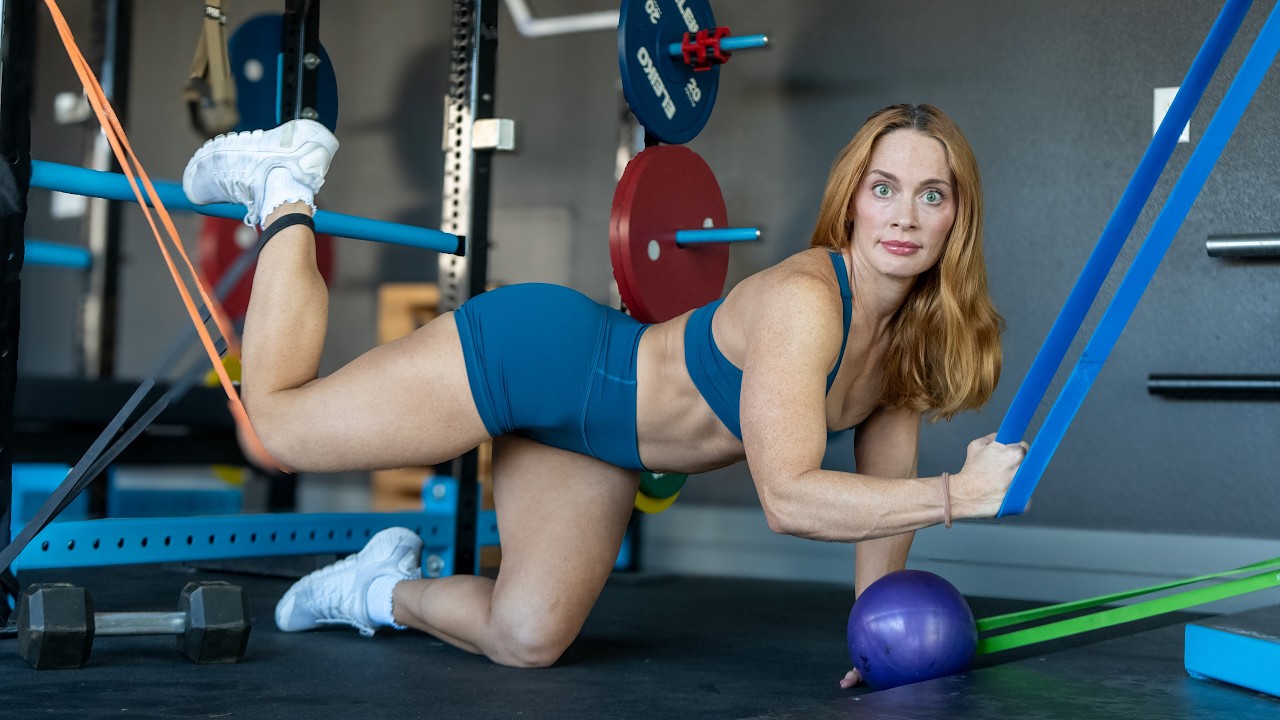
In a recent YouTube video, she sorted over a dozen trending movements into keepers, trash-bin candidates, and works-in-progress.
Several hyped favorites flopped.
One even earned a polite disagreement with Jeff Nippard himself.
Which moves deserve a spot in your next glute block? Keep reading.

If you want something simple that actually works, this is one of the most effective tools I’ve used to build strength, conditioning, and endurance without needing a full gym setup.
- Full-body training with one weight using swings, squats, and presses
- Solid cast iron build that feels stable and lasts for years
- Comfortable grip that makes high-rep workouts easier to handle
Jump to:
The Exercises She Is Keeping
Dead Stop Smith Machine Single-Leg RDL
The viral pitch: a dead stop forces the glute max to do 100% of the work.
Her take is more nuanced, yet still glowing. The Smith machine removes grip fatigue and delivers serious stability for a single-leg lift.
We are 100% keeping this one. I love this variation.
One surprise: because the lift can be loaded heavy, lats, QL, and erectors fatigue too. No exercise isolates one muscle completely, so rest well before switching legs.
Pro tip: grab a plate to rest the weight on. Most Smith machine stops sit too high for full range of motion.
V-Squat Machine Step-Up
Setups vary by gym, but the payoff is consistent. Nothing in your hands means pure lower-body focus without momentum.
I really really like this one 100%. We’re keeping it.
Standard step-ups tempt lifters to drop at the bottom or push off the trailing foot. Here, slow reps and a longer range of motion come naturally.
If you want something simple that actually works, this is one of the most effective tools I’ve used to build strength, conditioning, and endurance without needing a full gym setup.
- Full-body training with one weight using swings, squats, and presses
- Solid cast iron build that feels stable and lasts for years
- Comfortable grip that makes high-rep workouts easier to handle
KAS Glute Bridge
This move has gone from trend to staple. Despite the fancy name, she sees it as a close relative of the hip thrust.
It’s really just a hip thrust with a shortened range of motion.
Lifters stay near the top and lower only a few inches. The bar never rests, so tension stays constant where glutes are most shortened.
- Knee check: if knees rock toward the weight, the range has crept into hip-thrust territory.
- Best for: anyone who struggles to feel glutes during thrusts, or whose quads and hamstrings take over.
- Load: expect slightly lighter weights than a full hip thrust.
Weighted Glute Med Kickback
Kickback debates get heated. Claims that one version hits only glute med and another hits only lower glutes remain unproven, as she points out.
Might be a little bit true, but we’re not exactly sure.
Her advice: pick one kickback you can truly feel and skip stacking four variations in a week. The keeper here keeps the body in the frontal plane, holding a plate for a stretch, then squeezing at the end range.
Smith Machine Reverse Frog Pump
Awkward? Absolutely. She filmed it in an empty gym, joking she would never attempt it with an audience.
I just feel like I feel fully shortened and then I still have more range of motion to push through, and that glute is still activated.
Lifters who feel reverse hypers mostly in the low back may find this a useful alternative. Set safeties low, rest your head flat on the bench, and relax your neck.
If you want something simple that actually works, this is one of the most effective tools I’ve used to build strength, conditioning, and endurance without needing a full gym setup.
- Full-body training with one weight using swings, squats, and presses
- Solid cast iron build that feels stable and lasts for years
- Comfortable grip that makes high-rep workouts easier to handle
Worth Practicing: Rotational Cable Step Down
The pitch: this move removes quads from the step down while adding rotation most exercises lack. Her verdict is a conditional yes.
Let’s keep it but modify by just practicing a lot.
Setup is tricky and coaching cues are less intuitive. Rotation can also creep into your back, so she plans to update viewers after more testing.
The Toss Pile
Ballerina Bulgarians
Social media promised they hit the upper-glute “shelf” ten times harder than regular Bulgarian split squats. Her experience said otherwise.
Toss this one in the trash.
Range of motion shrinks and quads take over. Regular Bulgarians let lifters load heavier while isolating one leg.
Seated Cable Deadlift
Jeff Nippard’s reasoning makes sense on paper: more range of motion, extra stability from foot pads, and less back stress. She tested it anyway and landed elsewhere.
I’m actually going to disagree with Jeff and I’m going to toss this one.
Grip became the limiter, and arms stretched out front shifted burn into her lats. A standing deadlift lets lifters tuck lats and pull heavier.
If you want something simple that actually works, this is one of the most effective tools I’ve used to build strength, conditioning, and endurance without needing a full gym setup.
- Full-body training with one weight using swings, squats, and presses
- Solid cast iron build that feels stable and lasts for years
- Comfortable grip that makes high-rep workouts easier to handle
She did note her gym’s machine may play a role, so results can differ.
More Moves That Missed the Mark
- Seated good morning: glute range of motion falls short. She suggests a heavier standard good morning instead.
- Glute jump-style stretch variation: lengthened tension sounds great, but better options load far heavier and feel steadier. Lunge variations or assisted-machine step-ups fit the bill.
- Frog pump on a hamstring curl machine: it failed to imitate the Smith machine version, and her low back took over. A reverse hyper is her pick.
Sumo Squat Into RDL: Burner, Not Builder
One viral clip claimed this combo doubled someone’s glutes. That is a huge promise for a single exercise.
She did feel a glute burn, likely from the external rotation and shortened knee position. Still, the hinge portion gets capped by your squat strength.
It’s not like they don’t work. It’s just that you’ll get more bang from your buck when you’re going really really heavy.
Verdict: fun finisher, not a replacement for dedicated squats and deadlifts.
Assisted Pull-Up Machine Step Down: Depends on Your Strength
Critics say gym equipment should stay in its lane. She disagrees, arguing that versatile machines serve gyms better.
The catch? Weight stack limits. Even while warming up, she used much of the stack, and later reps lacked glute-specific feel at the dead stop.
If you want something simple that actually works, this is one of the most effective tools I’ve used to build strength, conditioning, and endurance without needing a full gym setup.
- Full-body training with one weight using swings, squats, and presses
- Solid cast iron build that feels stable and lasts for years
- Comfortable grip that makes high-rep workouts easier to handle
If you’re a beginner and this seems more convenient to you than traditional step ups and you feel like you’re able to push the load on the machine, then go for it.
Stronger lifters should lean toward single-leg leg press or traditional step-ups instead.
How to Put This Into Practice
- Anchor your program with heavy squat, hinge, and thrust patterns first.
- Add one or two keepers like the single-leg Smith RDL or V-squat step-up.
- Choose a single kickback variation that you genuinely feel.
- Try the KAS bridge if hip thrusts light up everything except your glutes.
- Treat gimmicky combos as finishers, never foundations.
Her broader lesson: viral does not equal effective. Judge each movement by loadability, stability, and whether you feel it where intended.