In a recent live stream, certified clinical nutritionist Autumn Bates shared 11 highly specific nutrition and lifestyle strategies designed to break through weight loss plateaus.
These aren’t the basic pillars she typically covers—protein, fiber, and healthy fats—but rather advanced tactics that build upon those foundations.
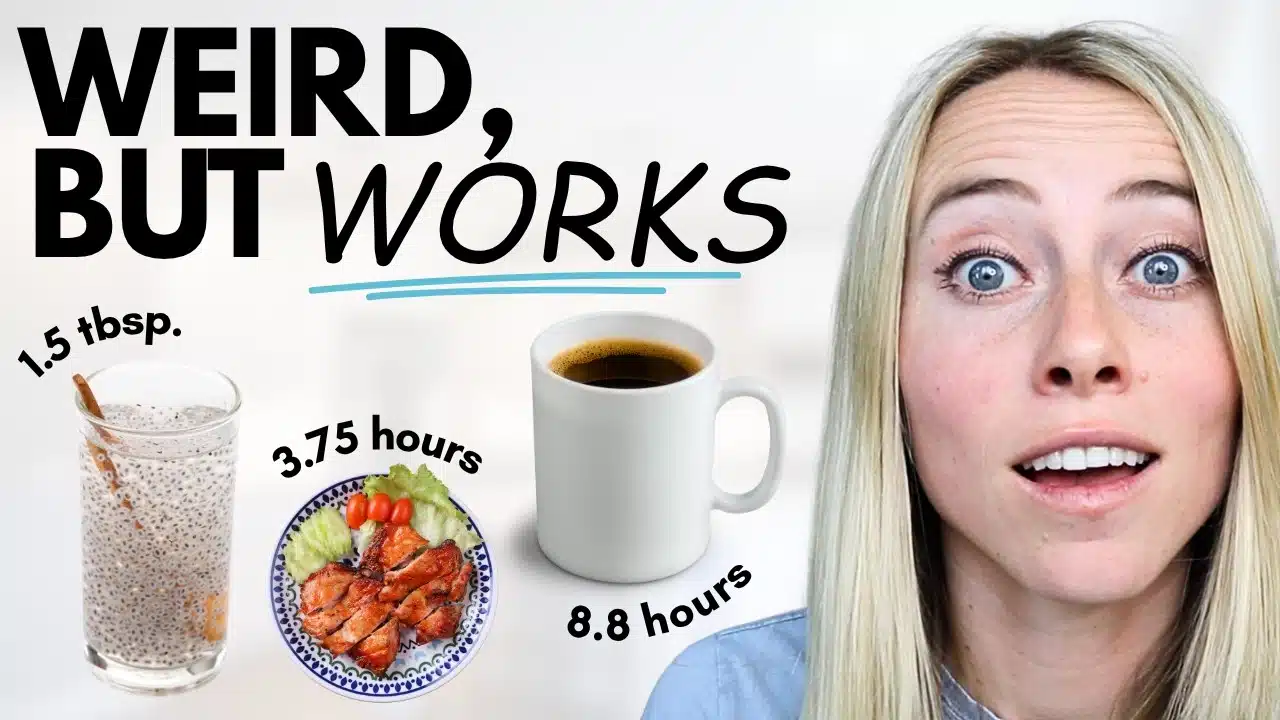
With her master’s degree in nutrition and human performance, Bates emphasized these tools work best when core nutrition habits are already in place.
Some strategies can be implemented immediately, even while reading, making them remarkably accessible for anyone stuck in their fat loss journey.
Jump to:
- Sleep an Extra 1.2 Hours Every Night
- Add Half a Cup of Sweet Potato at Dinner
- Cut Caffeine 8.8 Hours Before Bed
- Target 8,300 Steps Daily
- Consume 10 Grams of Fiber Per Meal
- Swap Bell Peppers for Broccoli
- Include One Cup of Beans at Lunch
- Practice Vacuum Exercises Daily
- Complete 20 Chair Squats Every Hour
- Never Eat Peanut Butter Alone
- Space Meals 3 Hours and 45 Minutes Apart
Sleep an Extra 1.2 Hours Every Night
A 2022 study revealed participants who increased sleep from 6.5 hours to 7.7 hours consumed approximately 270 fewer calories daily without conscious restriction.
Quality sleep lowers ghrelin, the hunger hormone, improves insulin sensitivity, and reduces sugar cravings. Poor sleep triggers the opposite cascade—increased hunger, heightened cravings for ultra-processed foods, and metabolic dysfunction.
When we get good quality sleep, it lowers our hunger hormone ghrelin. It also improves our insulin sensitivity, which makes it easier for us to burn fat as fuel and it reduces our sugar cravings.
This single intervention creates a ripple effect throughout weight loss efforts, making subsequent strategies far more effective.
Add Half a Cup of Sweet Potato at Dinner
Timing matters with carbohydrates, especially higher glycemic options like sweet potatoes.
Consuming approximately half a cup of sweet potato 2-4 hours before bed provides just enough starch to improve sleep quality without causing problematic blood sugar crashes. This modest portion contains only 23 net carbs—enough to support restorative sleep for most people pursuing fat loss.
Too much starch triggers insulin spikes followed by crashes that release cortisol, disrupting sleep throughout the night. Finding this sweet spot maximizes sleep-promoting benefits while maintaining fat-burning capacity.
Cut Caffeine 8.8 Hours Before Bed
Research demonstrates caffeine consumed closer than 8.8 hours to bedtime reduces total sleep time by approximately 45 minutes, even when individuals feel they’re sleeping normally.
Bates recommends stopping all caffeine intake by noon, or 10 a.m. for caffeine-sensitive individuals who experience jitteriness from moderate consumption.
Some people are slow metabolizers of caffeine and if that’s you, if you feel like jittery from too much coffee or even like a little bit more than usual coffee, you might be caffeine sensitive.
This strategy preserves caffeine’s workout and alertness benefits while eliminating its sleep-disrupting effects and subsequent hunger increases.
Target 8,300 Steps Daily
Studies identify 8,300 steps as the threshold where substantial health and weight loss benefits emerge.
This step count inversely correlates with obesity, reduces acid reflux, lowers blood pressure, decreases diabetes risk, and alleviates major depressive disorder symptoms.
A 30-minute daily walk provides 3,500-4,500 steps, making the remaining 4,000 steps achievable through normal daily movement. Interestingly, research suggests diminishing returns and potential negative effects beyond 16,000 steps due to elevated cortisol and increased hunger.
Consume 10 Grams of Fiber Per Meal
Distributing fiber evenly across meals prevents bloating while maximizing hunger suppression at each eating occasion.
Bates identifies “fiber superstars”—single ingredients providing 10 grams:
- 1¼ cups raspberries
- 1 whole avocado
- 3 tablespoons chia seeds
- ½ cup black beans
- ¾ cup pinto beans or chickpeas
- 3½ artichoke hearts
- 1½ tablespoons basil seeds
This approach simplifies meal planning while delivering fiber’s cardiovascular, metabolic, and satiety benefits throughout the day.
Swap Bell Peppers for Broccoli
Bell peppers frequently appear as default vegetables in weight loss meals, yet their high water content and minimal chewing requirement make them far less satiating than alternatives.
Broccoli, cauliflower, Brussels sprouts, and carrots require more chewing, create greater fullness, and extend satiety between meals. Bates suggests treating bell peppers like onions—as flavor enhancers rather than primary vegetables.
Clients making this swap report dramatically reduced between-meal snacking and improved satisfaction from meals.
Include One Cup of Beans at Lunch
Regular bean consumption correlates with weighing 5.5 pounds less compared to non-consumers, with research showing 31% increased fullness when beans are added to meals.
Strategic placement at lunch specifically combats the notorious 3 p.m. snacking urge—that familiar kitchen raid seeking chocolate or quick energy.
The reason why I’m recommending it specifically at lunch for a lot of people is because it can help to reduce the risk of that 3:00 p.m. snacking situation.
Beans deliver exceptional nutrient density alongside fiber and protein, making weight loss more sustainable through enhanced satiety.
Practice Vacuum Exercises Daily
Vacuum exercises strengthen transverse abdominal muscles wrapping from back to front, reducing waist circumference even when body fat percentage has already decreased significantly.
The technique involves exhaling completely, then drawing the belly button toward the spine while holding for several seconds. Performed 2-3 times daily, this takes mere seconds yet effectively reactivates weakened core muscles.
Bates notes this proves particularly valuable post-pregnancy or for anyone with persistent belly protrusion despite fat loss, as core weakness often underlies the issue rather than remaining body fat.
Complete 20 Chair Squats Every Hour
“Exercise snacks” break up prolonged sitting without requiring dedicated workout time or equipment.
A 2025 study found hourly movement bursts reduce body fat percentage, waist circumference, fasting glucose, blood pressure, while improving cholesterol markers. Chair squats—simply standing and lightly tapping the seat 20 times—take approximately one minute yet stimulate muscle contractions that enhance insulin sensitivity.
This micro-habit proves especially valuable for desk workers unable to take frequent walks, transforming sedentary workdays into opportunities for metabolic improvement.
Never Eat Peanut Butter Alone
Peanut butter lacks sufficient protein and fiber for true satiety, while its salt-fat combination creates a “bliss point” encouraging overconsumption.
Incorporating peanut butter into complete meals—like overnight oats—harnesses its flavor and healthy fats without triggering the jar-finishing spiral.
Bates recounts her husband consuming half a jar daily when lunches lacked adequate nutrition, a pattern that ceased once meals provided proper satiety and peanut butter became a meal component rather than standalone snack.
Space Meals 3 Hours and 45 Minutes Apart
The migrating motor complex—a gut-cleaning process—requires precisely 3 hours and 45 minutes to complete one cycle, flushing food particles and bacteria that otherwise cause bloating, gas, and potentially small intestinal bacterial overgrowth.
Eating interrupts this cycle, preventing completion and contributing to digestive discomfort.
Beyond gut health, this spacing allows insulin to dip between meals, ramping up fat burning capacity. These natural insulin fluctuations optimize the body’s ability to utilize stored fat for fuel while supporting digestive wellness.
Bates emphasizes these strategies compound when implemented together, creating momentum that breaks through plateaus where fundamental nutrition principles alone prove insufficient.