Going from 30% body fat to a visible six-pack at 10% sounds brutal.
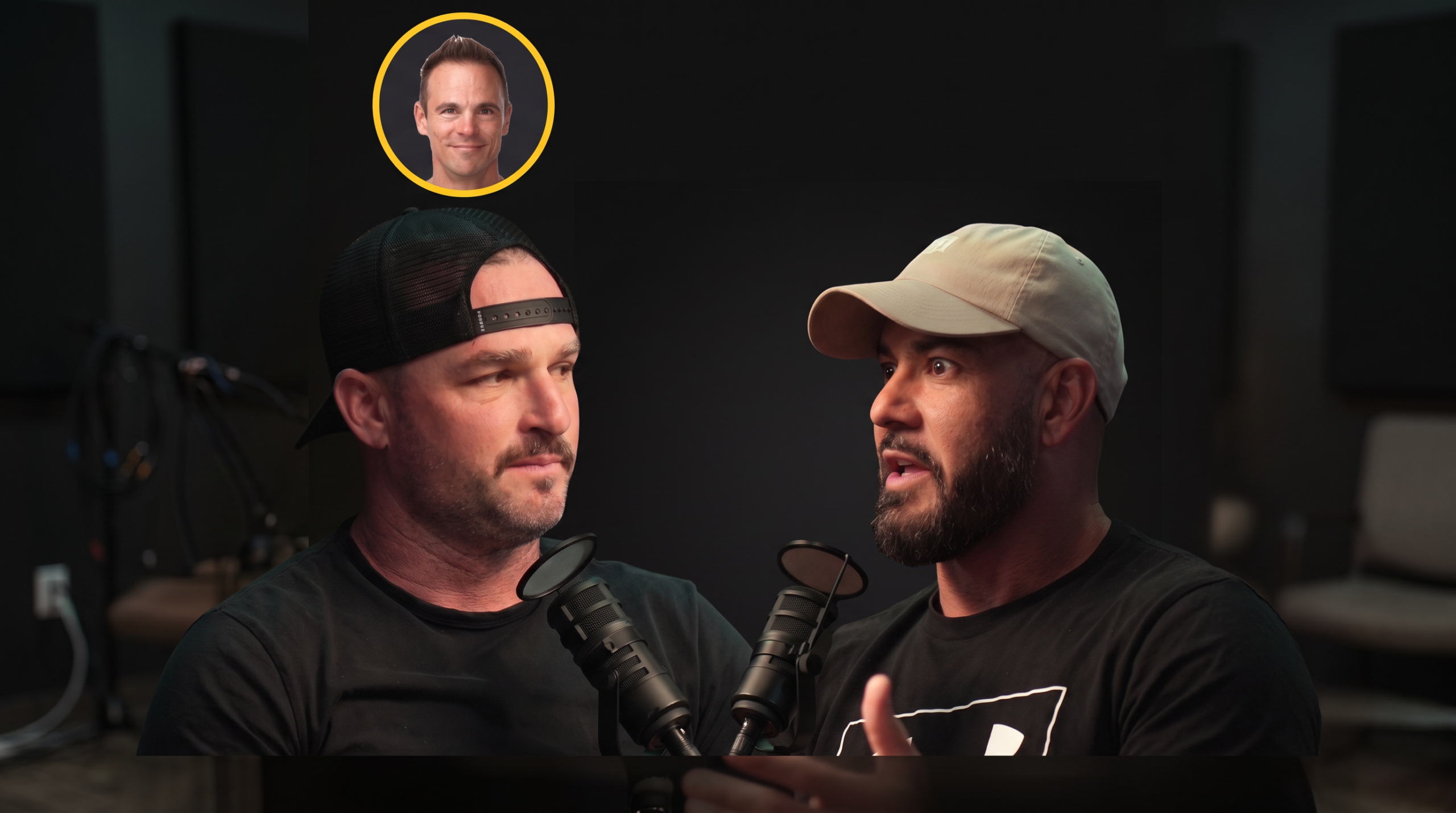
On episode 2400 of the Mind Pump podcast, the hosts argued the journey is far simpler than most people assume.
Their roadmap starts with one food rule that, they say, can melt 15 to 20 pounds on its own.
Next comes a protein habit most dieters get backwards.
Which popular “diet staples” do the hosts say quietly sabotage progress?
Jump to:
Why Visceral Fat Matters More Than The Number
Body fat percentage is only half the story. The hosts pointed to visceral fat, the type packed around organs beneath muscle, as the real health villain.

If you want something simple that actually works, this is one of the most effective tools I’ve used to build strength, conditioning, and endurance without needing a full gym setup.
- Full-body training with one weight using swings, squats, and presses
- Solid cast iron build that feels stable and lasts for years
- Comfortable grip that makes high-rep workouts easier to handle
A big, rock-hard belly is the classic sign. Visceral fat tends to climb alongside insulin resistance, so building muscle and keeping blood sugar healthy helps hold it in check.
Strength training, they noted, seems to beat other exercise styles at trimming visceral fat. Their theory: muscle acts as a storage tank for glycogen, making the body more insulin sensitive. That remains a theory rather than settled science.
The Number One Saboteur: Heavily Processed Foods
Everyone knows the simple answer: eat fewer calories than you burn. The hosts called that answer incomplete.
Why are people eating or behaving in ways that encourage overeating? That’s what we need to look at.
Burning too little isn’t the main culprit, they argued. They cited the Hadza, a modern hunter-gatherer tribe, whose daily calorie burn reportedly resembles that of a typical Western couch potato, since the body adapts to activity levels.
Their focus landed on controlled feeding studies. Participants given heavily processed meals reportedly ate roughly 500 to 600 more calories daily than those eating whole foods, even with similar macros.
Strict calorie tracking can still make processed foods fit a diet. The hosts countered that most everyday dieters don’t track perfectly, which is where trouble starts.
If you want something simple that actually works, this is one of the most effective tools I’ve used to build strength, conditioning, and endurance without needing a full gym setup.
- Full-body training with one weight using swings, squats, and presses
- Solid cast iron build that feels stable and lasts for years
- Comfortable grip that makes high-rep workouts easier to handle
The Boiled Potato Test
One host recalled a vivid example from guest Chris Kresser.
Imagine if I put four or five plain boiled potatoes in front of you, no salt, no butter, and told you to eat them in 30 minutes. Could you eat a whole family-sized bag of potato chips? It’s right around the same amount.
One of those is engineered to be hyper-palatable. Foods built to be irresistible make overeating effortless.
Skip The Restriction Mindset
Telling clients “you can’t” backfires, like warning a toddler. Instead, the coach-hosts said, try a flexible rule: eat as much as you want, as long as it’s whole food.
With clients needing to drop 30-plus pounds, this single swap reportedly delivered 15 to 20 pounds of loss before anything else changed. Results like these are personal anecdotes, so individual outcomes will vary.
Eat Protein First
Protein ranks second on their list because it crushes appetite and cravings. Most meals arrive carbs first, protein last, and the hosts suggested flipping that order.
They also highlighted studies on high-protein breakfasts of 30 to 50 grams, linked to less overeating later in the day.
If you want something simple that actually works, this is one of the most effective tools I’ve used to build strength, conditioning, and endurance without needing a full gym setup.
- Full-body training with one weight using swings, squats, and presses
- Solid cast iron build that feels stable and lasts for years
- Comfortable grip that makes high-rep workouts easier to handle
Best Protein Picks For Fat Loss
- Lean whole sources: white meat, fish and ground turkey deliver more protein per calorie.
- Chicken thighs: only slightly higher in calories than breasts, far tastier and easier to reheat.
- Grass-fed red meat: an 8-ounce grass-fed ribeye has fewer calories than grain-fed because of less fat.
- Shakes and bars: useful in a pinch, but less filling than solid food.
Protein powders count as processed food, the hosts pointed out, and don’t blunt hunger like chicken or steak. Shakes shine for people struggling to gain weight, or when someone is short on protein late at night.
Strength Train To Build Muscle, Not Just Burn Calories
Cutting calories prompts the body to shed muscle and slow metabolism. Lifting sends the opposite signal: keep that muscle.
The hosts meant traditional lifting, with sets, two-minute rests and a goal of getting stronger. Circuit-style sessions chasing sweat don’t qualify.
You want to lose weight? You’ve got to lift weights.
Their protein target is simple: grams of protein equal to your goal body weight. Someone aiming for 180 pounds eats about 180 grams daily.
Gaining a bit of muscle, they argued, lifts daily calorie burn. Their example: moving from 2,000 to 2,200 calories burned without extra effort.
Hold The Line, Then Inch Upward
Progressive overload means doing slightly more over time. Track volume: sets times reps times weight, so three sets of 10 reps at 100 pounds equals 3,000.
If you want something simple that actually works, this is one of the most effective tools I’ve used to build strength, conditioning, and endurance without needing a full gym setup.
- Full-body training with one weight using swings, squats, and presses
- Solid cast iron build that feels stable and lasts for years
- Comfortable grip that makes high-rep workouts easier to handle
Hold the line and hit at least your volume every week, then allow your body to tell you when it’s ready for more.
Feeling rested and well fed, with the bar moving easily during warm-ups? Add a little extra that day. Overly low calories wreck gym performance, which is why they advise against slashing intake too hard.
Walk After Meals Instead Of Grinding Cardio
Cardio didn’t appear anywhere in their plan. The hosts claimed structured cardio isn’t needed to reach 10%, though they said daily activity still matters.
Their reasoning: cardio doesn’t build muscle, and most people train only about three days weekly. That time is better spent lifting.
- Aim for 10,000 to 12,000 steps daily, well above most people’s average.
- Walk 10 to 20 minutes after meals, pairing the habit with eating.
- Start with five minutes if that’s all you can manage, then build gradually.
Walking creates movement without a loud, catabolic signal, and it sticks long after the diet ends.
When To Get Granular
According to the hosts, going from 30% to the high-to-mid teens usually needs no calorie counting, just whole foods, protein, lifting and walking. Precision tracking enters at 16% and below, where abs start to show.
Single digits, such as 6% to 9%, may require longer cuts and added cardio. They called that territory less healthy, not somewhere to stay long.
If you want something simple that actually works, this is one of the most effective tools I’ve used to build strength, conditioning, and endurance without needing a full gym setup.
- Full-body training with one weight using swings, squats, and presses
- Solid cast iron build that feels stable and lasts for years
- Comfortable grip that makes high-rep workouts easier to handle
Sustainability was their closing theme. They cited figures suggesting 85 to 90% of people who lose weight regain it, which they blamed on unsustainable approaches.
Whatever we build into this routine, from eating habits to exercise and movement, needs to be something you can sustain for the rest of your life.
Anyone with medical conditions or a history of disordered eating should check with a professional before overhauling diet and training.