Getting fit in six months might sound like a lofty ambition—but it’s absolutely possible.
The real challenge lies in knowing where to start and how to stay the course.
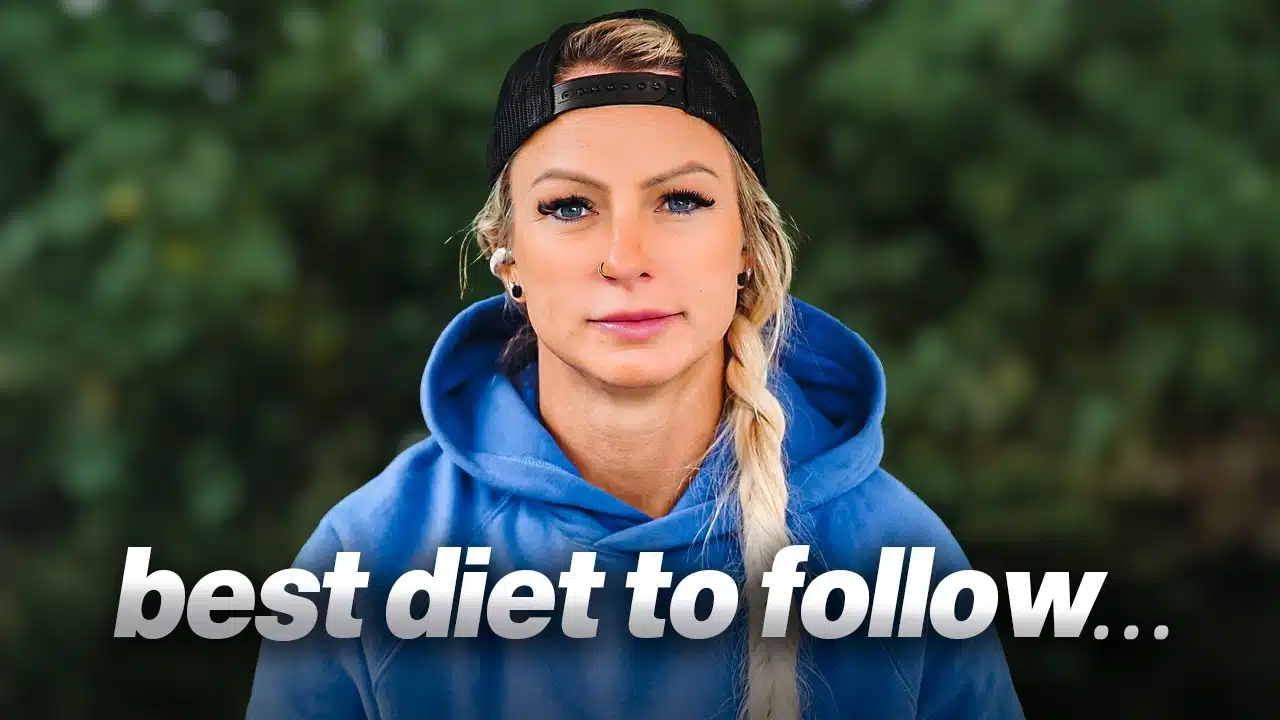
In a recent video, a fitness coach shared five foundational strategies that helped them completely transform their body in just half a year—from overweight and unhappy to strong, lean, and confident.
These insights aren’t just motivational—they’re actionable tools built on real-world experience and science-backed principles.
If staying consistent has been a struggle, and fad diets haven’t worked for you, keep reading.
This guide breaks down what’s actually required to spark—and sustain—long-term transformation.
Jump to:
1. Define Your Fitness Vision with a Clear, Achievable Goal
The journey to getting fit starts with more than just a number on the scale.
Too often, people set arbitrary goals like “I want to lose 50 pounds” without understanding what that actually means for their life today.
Your body has changed. Your life has changed. Trying to recreate a 10-year-old version of yourself isn’t realistic—and it might not bring the satisfaction you’re chasing.
Instead, set SMART goals—specific, measurable, attainable, realistic, and time-bound. A more effective target would be, “I want to lose 25 pounds over the next 25 weeks.”
This approach gives you clarity, accountability, and momentum.
Once your goal is set, break it down into tactical actions. That way, your mission becomes a roadmap, not just a dream.
2. Choose a Sustainable Eating Strategy
If the goal is the destination, your nutrition plan is your vehicle—but there’s no one-size-fits-all fuel.
All diets are tools to create a calorie deficit, and the best one for you is the one you can stick to long term.
Keto
By eliminating most carbs, keto forces your body into a state where it burns fat for fuel. But removing fruits, veggies, and your favorite comfort foods isn’t easy—or necessary for success.
While many people lose weight on keto initially due to water loss from glycogen depletion, the long-term sustainability is questionable. For most, the restrictions are too severe to maintain.
Carnivore
Similar to keto, but even more extreme—no carbs, no fiber, just meat. Sure, it’s high-protein, which preserves muscle tissue, but it eliminates nutrients from plant-based foods.
Adherence is tough, and slipping up can lead to guilt spirals and binge-eating episodes.
Intermittent Fasting
This strategy reduces your eating window, which often lowers caloric intake naturally. But again—weight loss hinges on a calorie deficit, not magical fat-burning hours.
Eating within an eight-hour window won’t help if you still overeat during that time.
Weight Watchers
With its signature point system, WW commercializes weight loss and sells branded products. While it educates on portion control, it doesn’t necessarily teach nutritional literacy or self-trust around food.
Many people achieve better results once they understand how to track calories and macros ethically and flexibly—and break free from diet culture cycles.
Ultimately, every diet works the same way: by creating a calorie deficit. Your job is to find an approach that supports your preferences, lifestyle, and long-term health—not just quick results.
3. Build a Better Metabolism by Preserving Muscle
Your metabolism isn’t broken—you just need to train it to serve your body more effectively.
Metabolism is the system that distributes energy to keep you alive: powering your brain, heart, organs, digestion, and movement.
If you consistently eat more than your body requires, that extra energy is stored as fat for survival.
To reverse this, create a demand for stored energy through a calorie deficit—and support muscle mass so your body burns more even at rest.
How to improve metabolic health:
- Lift weights two to four times per week to stimulate muscle growth and retention
- Eat enough protein—a general guideline is 0.7–1g per pound of body weight daily
- Sleep at least 7–9 hours per night to support recovery and hormonal balance
- Stay active daily with intentional movement like walking, stretching, or sports
Muscle is metabolically expensive. The more you have, the more calories your body burns—even while you rest.
4. Practice Hunger Endurance
Learning to tolerate hunger is a vital, often overlooked skill in body transformation.
Hunger doesn’t mean danger—it’s just your body’s request for energy.
In a calorie deficit, you will feel hunger at times. That’s normal—and expected. It’s a sign your body is pulling from fat reserves instead of new calories.
“Hunger is the body asking for energy—it’s not a state of emergency,” says the coach in the video.
How to manage hunger:
- Stay hydrated—thirst is often confused with hunger
- Choose high-volume, low-calorie foods like veggies, fruits, and lean proteins
- Avoid trigger foods that lead to bingeing or poor decisions
- Increase fiber and protein intake to improve satiety
Think about your calories like money.
If you only had $1000 to spend in a day, would you blow $600 on a sugary coffee or tiny pastry? Or would you prioritize quality, nutrient-dense “investments” to keep your hunger in check all day?
It’s not about starving—it’s about choosing wisely.
5. Forge a New Identity That Supports Lasting Change
Lasting transformation isn’t just physical—it’s psychological and emotional.
Maybe the most powerful shift is the one in your identity.
“Your identity is like a fingerprint,” the coach shares. “It’s uniquely yours, and if you want lasting change, you need to outgrow the old version of yourself.”
If your self-image is still that of someone who “always quits” or “isn’t athletic,” it’s time to craft a new narrative.
Ask yourself: What would the future version of me—the one who already achieved what I want—do today?
Start making decisions from that place. Align your daily actions with the identity you’re stepping into—not the one keeping you stuck.
How to shift your identity:
- Define your values—what matters most to you?
- Create goals based on your true desires, not others’ expectations
- Stop outsourcing your decisions—take radical ownership
- Speak to yourself with kindness and respect, like someone you believe in
You’re not just “trying to get fit”—you ARE someone who lives a fit lifestyle. That belief must come first.
The Bottom Line: It’s Simpler Than You Think
Getting in shape isn’t about perfection or knowing everything about fitness science.
It’s about doing the basics—consistently—and being honest with yourself.
Eat mostly whole foods. Move more. Sleep. Manage stress. Support your metabolism. Find a sustainable way to eat—and stop chasing quick fixes.
Yes, there will be discomfort. You’ll face hunger, doubt, laziness, cravings, and moments of weakness.
But with the right mindset and structure, you can navigate them—and win.
Start by asking yourself: What do I really want?
Define it. Take action. Build momentum. Watch your identity—and your body—transform with it.