Strapping extra load onto an everyday stroll may be one of fitness’s most underrated body-transformation tools.
In a recent YouTube video, a popular strength coach made bold promises: powerful legs, a ripped midsection, and a rock-solid back.
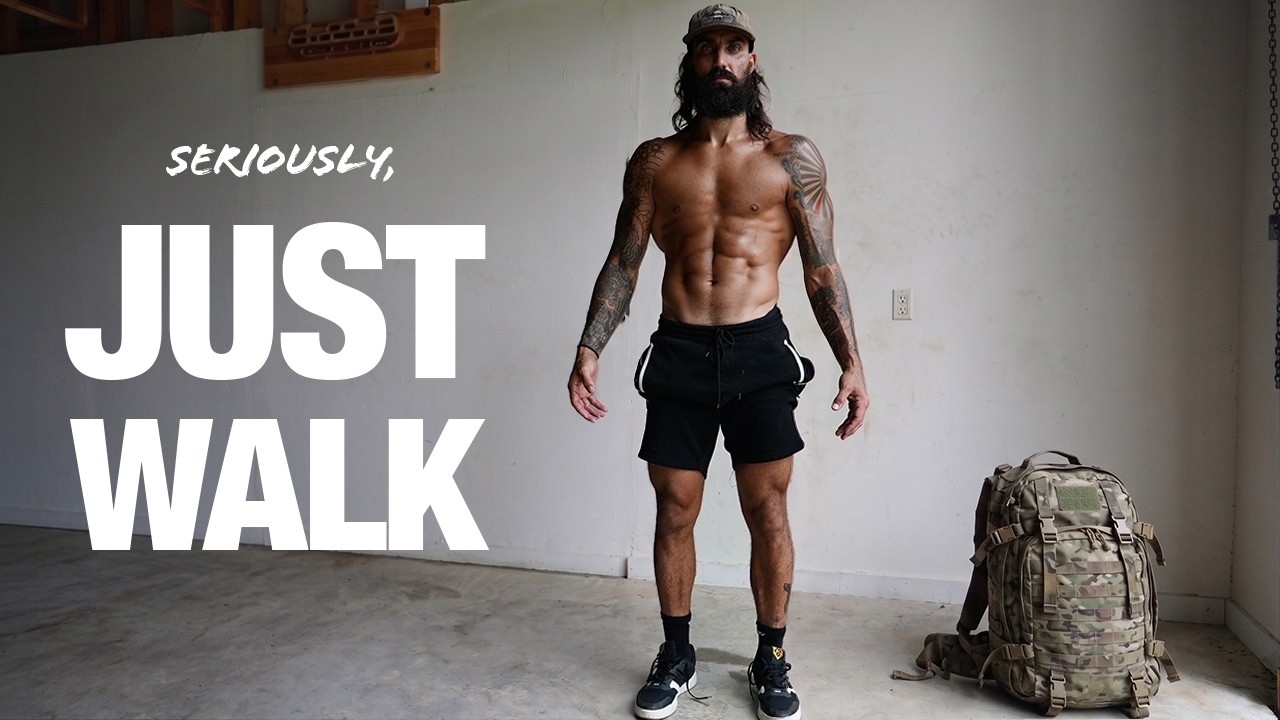
His proof? A stretch of life that left him leaner than ever, right when stress usually packs on pounds.
Babies, an ancient Greek wrestler, and army soldiers all play a role in the story.
Stick around for a dead-simple starter plan that needs nothing fancier than a backpack.
Jump to:
Why Humans May Be Built to Carry Things
Upright posture freed our hands to haul food, water, and shelter. Heaviest cargo of all? Children.

If you want something simple that actually works, this is one of the most effective tools I’ve used to build strength, conditioning, and endurance without needing a full gym setup.
- Full-body training with one weight using swings, squats, and presses
- Solid cast iron build that feels stable and lasts for years
- Comfortable grip that makes high-rep workouts easier to handle
Human infants mature far slower than most animals. Horses walk almost immediately after birth, while kids get carried for years.
Evolution tells us it may be our most natural form of strength work.
Parenting, in his view, comes with a hidden perk: strength that grows alongside your child. Each month, the load creeps up slightly.
The Milo Effect: Progressive Overload in Disguise
He compares this gradual buildup to the legend of Milo, a Greek wrestler said to carry a newborn calf up a mountain daily. As the animal grew, so did Milo.
As the calf grew slowly, his strength grew slowly. And then boom, all of a sudden he’s way stronger than when he started from these incremental increases in weight.
Worth noting: Milo’s tale is folklore, not lab data. Still, progressive overload, steadily raising demands on muscles, is a cornerstone of modern strength training.
Similarly, the idea that babies drift off in a parent’s arms because of oxytocin is an appealing theory. Researchers haven’t fully settled the mechanism, so treat it as an interesting explanation rather than established fact.
Rucking: Military Roots, Everyday Benefits
Carrying a loaded pack while walking is called rucking. Soldiers developed it to build strength, endurance, and mental toughness.
If you want something simple that actually works, this is one of the most effective tools I’ve used to build strength, conditioning, and endurance without needing a full gym setup.
- Full-body training with one weight using swings, squats, and presses
- Solid cast iron build that feels stable and lasts for years
- Comfortable grip that makes high-rep workouts easier to handle
There’s a very low barrier of entry. As long as you can walk, you can strap some weight to yourself and start getting stronger.
What makes it special? Added load wakes up muscles that normally coast during regular strolls.
- Shoulders and upper back: resist the pull of the pack
- Deep spinal and core muscles: build structural strength
- Hips and legs: develop strength endurance
This is a beautiful intersection between strength and endurance, often leading to lower body fat percentages.
The Leanest Season of His Life
After becoming a father, he rucked more than ever. He and his wife constantly walked with their sons strapped to their bodies.
Several times weekly, he also hiked a steep mountain trail with his dog, wearing a 20-pound vest.
When most people are packing on weight from the stress of crying babies, I was becoming a fat-burning machine.
He concedes other factors mattered, including diet, lifestyle, and additional training.
I have no doubt that rucking was that secret weapon.
Consider this one person’s experience, not a guarantee. Fat loss ultimately depends on overall energy balance, yet extra load raises the effort of every step, which can help.
You Don’t Need a 50-Pound Pack
Rucking often conjures images of grizzled soldiers trudging through mountains. He prefers a friendlier label.
If you want something simple that actually works, this is one of the most effective tools I’ve used to build strength, conditioning, and endurance without needing a full gym setup.
- Full-body training with one weight using swings, squats, and presses
- Solid cast iron build that feels stable and lasts for years
- Comfortable grip that makes high-rep workouts easier to handle
I think it has more use for the average person, the person who sits a lot of the day or needs to lose 10 to 20 lbs.
Walking is humanity’s most fundamental movement pattern, and it’s gentle on joints even when loaded. Added resistance strengthens posture, alignment, and foundation.
How to Start Today
Scalability is the big selling point. Beginners can carry as little as 5 pounds in their hands.
Most people, though, do best with a backpack. Toss in a dumbbell, or go budget-friendly with a bag of sand from a hardware store.
Simple Starter Blueprint
- Frequency: two sessions weekly
- Duration: 15 to 20 minutes per session
- Progression: add minutes as strength improves
- Inactive beginners: 5 to 10 pounds
- Already fit: 20 to 30 pounds
You can only move up from there.
Smart Safety Tips
- Keep weight snug against your upper back, with straps tightened
- Increase gradually, since sore hips or knees signal too much too soon
- Check with a doctor first if you have heart, joint, or back concerns
Ever tried a hike or stroll carrying extra load? Your next walk could be the easiest upgrade your routine ever gets.