Rich Roll just turned 60, and he has some hard-won advice to share.
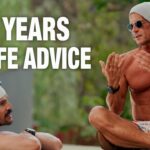
In a recent episode of his podcast, he sat down in his backyard with chef and hybrid athlete Dan Churchill, 37, who is training for his first IRONMAN.
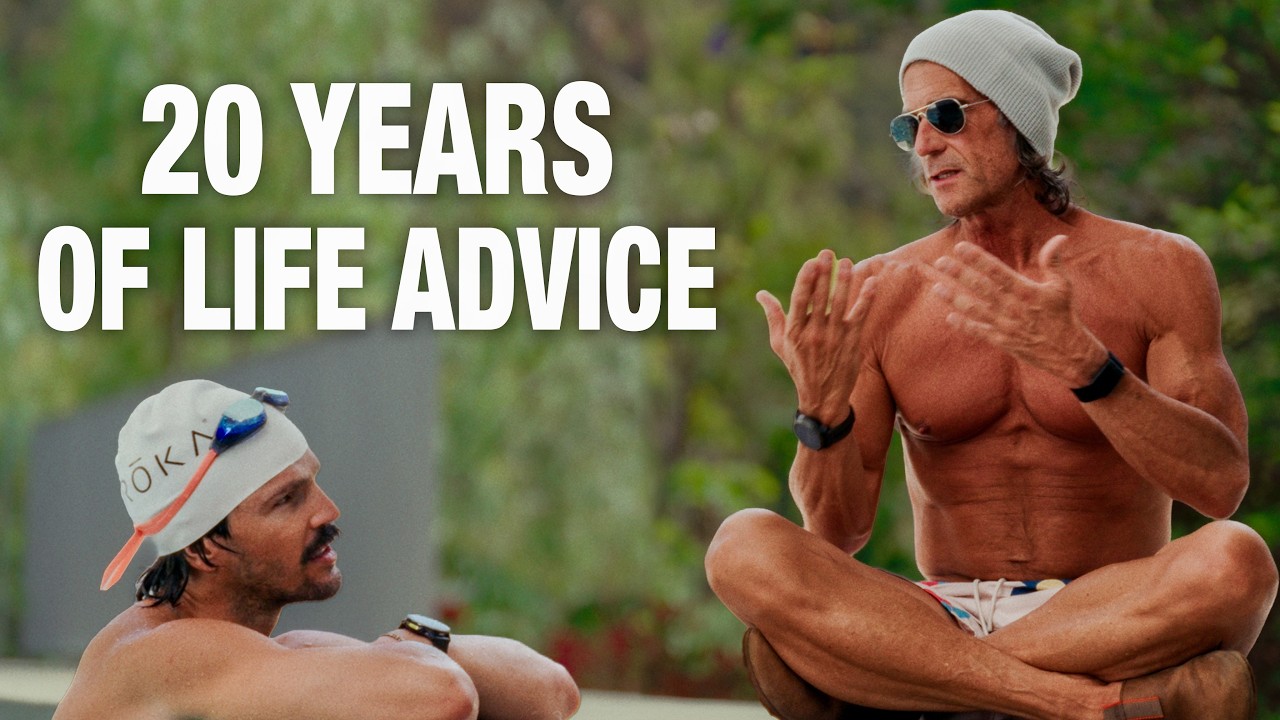
Roll began his own endurance journey around age 40, so the timing felt perfect.
What would he tell his younger self?
His answer has surprisingly little to do with training plans, and one idea about “buckets” might change how you chase every goal.
Jump to:
Lesson One: Never Lose Sight of Who Matters Most
Roll described himself as an obsessive-compulsive personality who loves extremes. His history includes recovery from substance addiction, and he admits that intensity can drive outstanding performances while also blinding you to what’s important.

If you want something simple that actually works, this is one of the most effective tools I’ve used to build strength, conditioning, and endurance without needing a full gym setup.
- Full-body training with one weight using swings, squats, and presses
- Solid cast iron build that feels stable and lasts for years
- Comfortable grip that makes high-rep workouts easier to handle
Married for over 23 years, he told Churchill, who recently wed, to put his partner first.
You don’t want to become an Ironman widow.
His warning targets a familiar trope: athletes become so consumed by training that other life areas fade. Quality time and real presence beat sheer hours together.
Coming home “bedraggled and exhausted” after a full day of training, then being emotionally unavailable? That’s the trap.
Lesson Two: The Boring Stuff Is the Real Secret
Roll’s second takeaway sounds almost too simple. Mobility, flexibility, and activation work deserve priority, even when you feel invincible.
The little things are the big things.
He pointed to warm-ups, core activation, and especially glute activation for endurance athletes. Skipping such work, he suggested, contributed to his back pain, although he noted a congenital defect would have required surgery regardless.
Post-surgery, his view sharpened. Easy-to-dismiss routines are essential, and delaying them rarely works.
If you want something simple that actually works, this is one of the most effective tools I’ve used to build strength, conditioning, and endurance without needing a full gym setup.
- Full-body training with one weight using swings, squats, and presses
- Solid cast iron build that feels stable and lasts for years
- Comfortable grip that makes high-rep workouts easier to handle
You have to do them first cuz if you think like, I’ll do them later, like you’re never ever going to do them.
Roll framed mobility as an insurance policy against injury. Run enough, he said, and getting hurt becomes a matter of when. He pointed to coach Kelly Starrett’s work as a guide, and recommended just 15 minutes daily.
Why does it feel pointless? Because it doesn’t seem to make you fitter in the moment.
The Three Buckets: Doing, Undoing, and Being
Roll organizes his relationship with sport into three categories. Most athletes only fill one.
Bucket 1: Doing
This is the practical side: consistency, momentum, and a willingness to cultivate a relationship with discomfort. Goals demand “contrary action.”
It’s the tiny habits that you’re practicing in the privacy of your own home when no one’s looking that no one cares about that actually are going to make the biggest difference.
Bucket 2: Undoing
Constant doing eventually hits a ceiling. Growth requires examining the internal story you tell about your limits, whether through therapy, meditation, or mindfulness.
Roll pressed Churchill on motivation, asking a pointed question.
If you want something simple that actually works, this is one of the most effective tools I’ve used to build strength, conditioning, and endurance without needing a full gym setup.
- Full-body training with one weight using swings, squats, and presses
- Solid cast iron build that feels stable and lasts for years
- Comfortable grip that makes high-rep workouts easier to handle
Is it for external validation or is it for building a healthy self-esteem?
He turned the lens on himself, too. For years, he believed worthiness depended on being special.
I was undeserving of acceptance and love unless I was distinguishing myself as somebody special who could do things other people couldn’t.
That belief fueled great heights but also became a limiter, since insecurity, not joy, drove his effort.
Untangling such stories also unlocks potential. Endurance racing convinced him of this.
I think everybody is tiptoeing on top of a deep reservoir of potential that we’re barely tapping into.
Bucket 3: Being
Roll calls this one his number one priority now. Presence, gratitude, and awe for a strong, capable body are the point of the whole endeavor.
All we have is our awareness and where we place it, where we attune it, where we focus it, determines the quality of our lives.
He pleads guilty to wearing blinders while chasing a target and missing his life.
Why Stillness Is Harder Than an Ultramarathon
Here’s the twist. A man who has completed brutal multi-day races says sitting quietly is tougher.
If you want something simple that actually works, this is one of the most effective tools I’ve used to build strength, conditioning, and endurance without needing a full gym setup.
- Full-body training with one weight using swings, squats, and presses
- Solid cast iron build that feels stable and lasts for years
- Comfortable grip that makes high-rep workouts easier to handle
Sitting still is more difficult for me than running an ultramarathon.
Doing nothing triggers guilt about productivity. Roll constantly asks what he’s making, where he’s behind, and what needs doing.
His realization: no accolade will fill whatever hole remains. Only availability in the moment nourishes it.
Hold Everything More Lightly
Turning 60 stung a little, even for someone with no hang-ups about birthdays. Podcast rankings and download counts? He wants nothing to do with them.
I want to hold everything a little bit more lightly, while also honoring my competitive spirit.
Competing remains part of his identity. Self-punishment no longer fits.
I don’t need to punish myself anymore.
Roll also reflected on a wedding photo from over 23 years ago that “feels like yesterday.” Some phases, he admitted, found him less present for his wife and kids, so he now aims for living amends without harsh self-judgment.
Who Is Steering Your Life?
Roll closed with a challenge about agency. Change happens constantly, so the real choice is whether you direct it.
If you want something simple that actually works, this is one of the most effective tools I’ve used to build strength, conditioning, and endurance without needing a full gym setup.
- Full-body training with one weight using swings, squats, and presses
- Solid cast iron build that feels stable and lasts for years
- Comfortable grip that makes high-rep workouts easier to handle
Is your life happening to you or are you happening to your life?
Most people, he argued, hold more power over their trajectory than they believe. Identities like frequent-flyer status are stories, not truths.
What matters instead: how you make loved ones feel and how you share wisdom for others’ benefit.
Quick Takeaways You Can Use This Week
- Protect your relationship: arrive home present, not merely tired.
- Schedule 15 minutes of mobility daily: do it before training, never “later.”
- Add glute and core activation: especially valuable for runners and cyclists.
- Audit your motivation: ask whether you chase validation or build self-esteem.
- Practice stillness: sit quietly without producing anything.
- Celebrate wins: pause, look around, and feel grateful.
Life is long, but it’s also short.
Roll’s final advice to Churchill, and to anyone listening, was simple: enjoy every minute.