You’ll never wake up wishing you were weaker.
That’s the kind of mindset that drives elite-level athletes and everyday gym-goers alike to chase strength, stamina, and self-respect under the barbell.
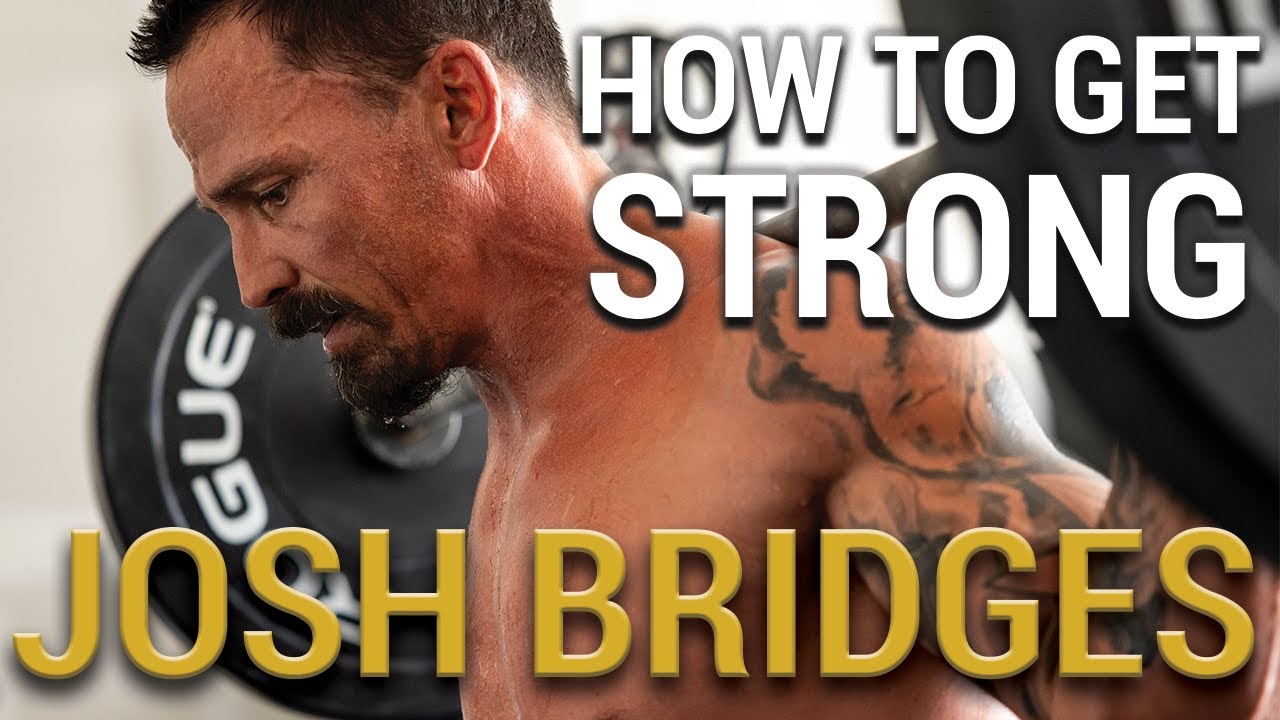
In a recent training session breakdown, former CrossFit Games athlete Josh Bridges dove into his go-to workout format—the brutal but beautiful 20-rep max back squat.
Not only is this rep scheme a strength-builder, but it also tests grit, fortifies your mental game, and surprisingly doesn’t leave you wrecked with soreness.
So what makes this old-school squat protocol such a valuable training tool for long-term fitness?
Let’s break down the full picture, from warm-up activation to mental resilience—and why you might want to add 20-rep squats to your weekly routine.
Jump to:
- The 20-Rep Max: A Brutal Test of Strength and Mentality
- Strength Programming: Structure with Flexibility
- Why Muscle Activation Before Squats Is a Must
- The Warm-Up That Pushes Limits: Mikko’s Triangle
- Post-Lift Insights: No Regrets, No Soreness
- Lessons for Lifters of All Levels
- How to Start Doing 20-Rep Squats
- Final Thoughts
The 20-Rep Max: A Brutal Test of Strength and Mentality
The 20-rep squat isn’t new. It’s an iconic training method with roots deep in physical culture history. But Josh Bridges puts a modern twist on it, using it as a tool for general strength, athleticism, and what he calls “fitness for life.”
“I love the 20-rep max… it builds athleticism, it builds strength endurance… you’ll never be upset that you’re stronger,” said Bridges.
The structure is simple: choose a weight that you can likely only squat for 10–12 reps—and then hit 20 reps without racking the bar. It’s as much about mental grit as muscle endurance. “Just keep lowering and standing back up,” Bridges explained. “It’s a mental push… and it’s rewarding.”
Even post-surgery, he continues to prioritize this method, noting he recently hit a 290-lb 20-rep max—a post-op personal record (PR) and a sign of progress.
Strength Programming: Structure with Flexibility
When it comes to his programming, Bridges takes a flexible yet thoughtful approach. Each session starts with a simple decision: upper or lower body? Push or pull?
He doesn’t follow a strict plan but keeps a rotational system for strength. That means one day might be deadlifts and pull-ups, while another focuses on squats or pressing.
“I come in and see how I’m feeling,” he said. “I have an idea of what I want to do… but now I’m just training for life.”
Conditioning, on the other hand, is all about fun with intent. Whether it’s intervals or longer efforts, he tailors sessions based on feel—but always includes purposeful structure. It’s not just random movement.
Why Muscle Activation Before Squats Is a Must
One of the most overlooked parts of squatting is the muscle activation process, especially for quads, glutes, hamstrings, and even the hip flexors.
“People walk in, hop on a bike, maybe do some stretching—but they skip actual activation,” Bridges explained.
Here’s what his pre-squat activation routine looks like:
- Cable or banded leg extensions for quad activation
- Hip flexor lifts with a cable machine or band
- Back extensions or Nordic curls for hamstrings and glutes
This targeted prep, he says, makes squatting feel smoother and reduces joint strain.
“Once you feel those things start to light up… your squat feels a thousand times better.”
The Warm-Up That Pushes Limits: Mikko’s Triangle
Before hitting his heavy squats, Bridges jumps into a brutal warm-up known as Mikko’s Triangle, named after CrossFit legend Mikko Salo.
The format is as follows:
- 21-calorie row
- 21-calorie ski
- 1-minute rest
- Repeat for rounds
“It’s the ski that crushes my soul,” he laughed. “The difference between 19s and 20s is drastic.”
The triangle taxes the lungs and legs alike—and lights up the central nervous system (CNS) before squatting. That means the body’s primed for explosive effort when it’s time to load up the bar.
Post-Lift Insights: No Regrets, No Soreness
Despite the intensity, Bridges says the 20-rep squat doesn’t leave him excessively sore. That’s a major plus, especially for athletes balancing strength, conditioning, and life outside the gym.
“It doesn’t overly tax you… but I definitely get a lot out of it.”
He often includes the squat scheme in programs like Power Hour, Operation LFG, and even military-focused training blocks. It’s time-efficient, mentally rewarding, and hits the entire lower body hard without the drain of a slow 5×5.
For a twist, he sometimes does two sets of 20 reps with a two-minute rest at the same weight. Oddly, he reports that the second set often feels easier than the first.
Lessons for Lifters of All Levels
There’s wisdom in how Bridges approaches strength today, especially when speaking to younger athletes—or even his own kids.
“You’ll never be upset that you’re strong… but you will be pissed if you’re not as strong as you want to be.”
Whether it’s his son’s football team adopting the 20-rep squat or his own realization about the importance of activation and warm-up, the message is clear: strong legs build a strong life.
“Weak legs, weak minds,” he says, referencing a motto on one of his gym flags. “And we don’t have any of that around here.”
How to Start Doing 20-Rep Squats
If you’re ready to add 20-rep back squats to your training, here’s how to approach it safely:
Step-by-Step Guide:
- Choose a weight you can squat 10–12 times with good form.
- Warm up thoroughly with machines, bands, or bodyweight movements targeting:
- Quads
- Hamstrings
- Glutes
- Hip flexors
- Do a few working sets to prime your CNS—think singles or doubles up to 90% of your working weight.
- Hit your 20-rep set—never rack the bar until all 20 reps are done.
- Optional: Try a second set of 20 with the same weight after 2–3 minutes of rest.
Tips for Success:
- Use a belt and knee wraps if needed—especially if coming off injury or dealing with joint issues.
- Don’t rush between reps. Rest at the top if needed, breathe, then go again.
- Stay consistent. Add 5–15 lbs weekly and progress slowly.
- Keep rest of the session minimal. This is a “power hour” workout—you’ll get a lot done, fast.
Final Thoughts
There’s no secret formula to lifelong strength and resilience—it’s built under the bar, one rep at a time. The 20-rep max back squat is more than just a workout. It’s a gut check. A lesson in discipline. A path to confidence that shows up both in and outside the gym.
So if you’re looking to get stronger without burning out, and you’re willing to embrace discomfort for growth, start squatting for 20.
You won’t regret it.