If you want to live a long and physically capable life, longevity training needs to go far beyond trendy biohacking or simplified protocols.
Many people approach fitness as a numbers game—more reps, more volume, heavier weights—but as you age, that linear mindset can backfire.
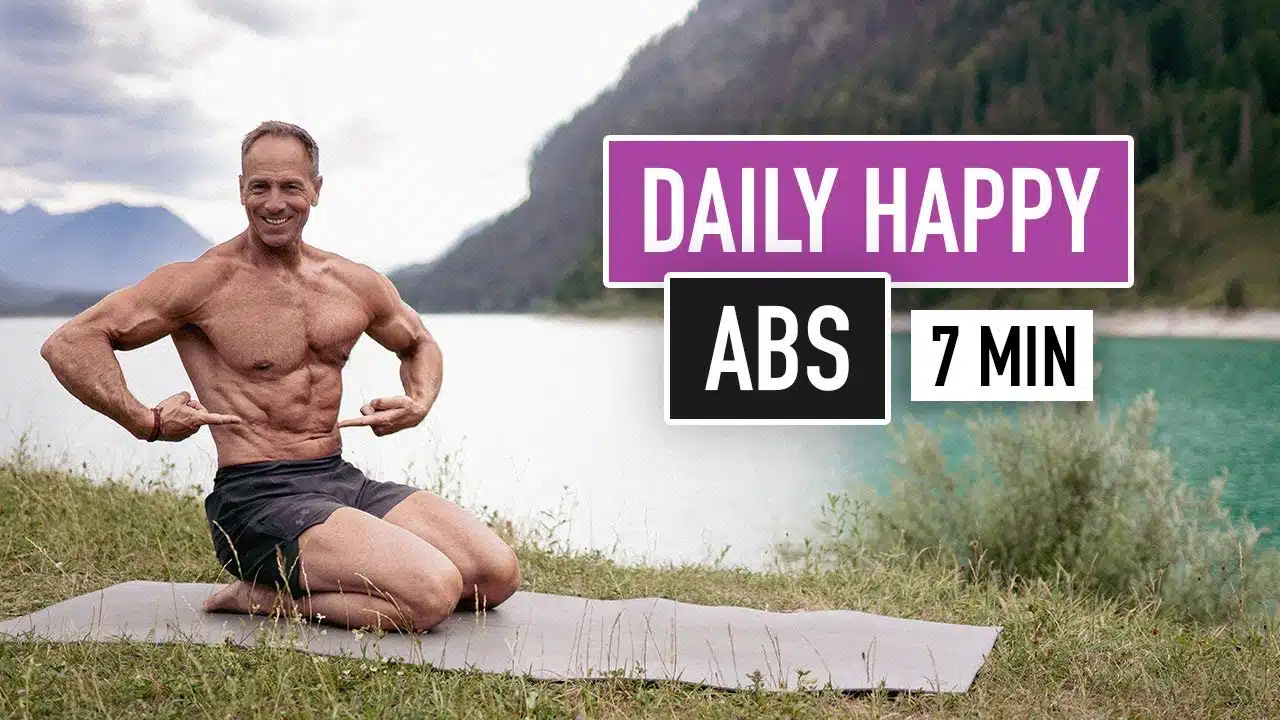
In a recent interview, 58-year-old movement coach and lifelong athlete Stefan highlighted key mistakes people make with longevity training and shared how tuning into your body’s wisdom is essential for sustainability in fitness.
This article unpacks the biggest misconceptions about training for long-term health and how to find the sweet spot between pushing hard and honoring your body’s evolving needs.
Jump to:
- Listening to Your Body Is Not Optional–It’s the Foundation
- Longevity Training Isn’t About Training Like You’re 25
- The Role of Intensity in Aging Bodies
- Rest and Recovery Are Amplified in Importance
- Functional, Natural Movement Beats Machines
- Why Strength is a Non-Negotiable
- Mobility Matters More Than You Think
- How to Navigate Pain with Age
- Nourishment Over Numbers
- The Real Definition of Longevity
Listening to Your Body Is Not Optional–It’s the Foundation
One of the most important yet overlooked aspects of longevity training is learning to deeply listen to your body. As Stefan put it, “Longevity happens in the context of really listening to the body.”
He explains that standardized workout plans won’t work for everyone because we all have different DNA, histories, and mindsets. What works for a 30-year-old gym enthusiast may not help – and could even harm – a 60-year-old who’s been largely sedentary or is dealing with chronic joint pain.
Training intelligently means respecting the body’s cues, particularly as we age. Pain, fatigue, stiffness, or even mental resistance shows us valuable information—not barriers to ignore but messages that guide us toward smarter decisions.
Longevity Training Isn’t About Training Like You’re 25
There’s a stubborn mindset in mainstream fitness that encourages pushing through no matter what. As Stefan notes, “If you come with the idea that it should still work like in your 20s or 30s, you’re not accepting the natural aging process.”
That doesn’t mean giving up. It means adapting how you train. Instead of chasing endless volume, longevity-focused fitness reduces the overall workload but keeps the intensity smart and controlled.
In practice, this could mean:
- Shorter sessions: 20–30 minutes instead of 60–90 minutes.
- Lower volume: Fewer sets and exercises, but with focused effort.
- Strategic intensity: You still challenge your muscles, but without leaving yourself fried for days.
This keeps your strength, mobility, and muscle mass intact—without derailing your recovery or causing injuries that set you back.
The Role of Intensity in Aging Bodies
One huge myth: intensity is dangerous as you age. According to Stefan, the opposite is true—when approached correctly, intensity becomes a key tool for maintaining strength and physical function.
“Intensity is still important. Maybe not the volume… but 20 to 30 minutes of intensity is the right dosage to still make improvements,” he explains.
In other words, don’t train longer—train smarter. This principle helps preserve:
- Lean muscle mass
- Bone density
- Metabolism
- Movement quality
But the caveat? Recovery becomes more sacred with age.
Rest and Recovery Are Amplified in Importance
Older bodies are less tolerant of overtraining, high-volume protocols, or DOMS that lingers for days. As Stefan puts it, “You don’t recover like you did in your 30s. The body needs more breaks and downtime to regenerate.”
Training hard without allowing ample recovery leads to inflammation buildup, soreness, poor sleep, and plateaus—or worse, burnout and injury.
Smart recovery for longevity training includes:
- Prioritizing sleep and downregulation practices
- Active recovery like walking or mobility work
- More rest days between intense workouts
- Cycles of lower volume weeks (“deloads”)
Functional, Natural Movement Beats Machines
The modern fitness industry tends to put older people onto machines with fixed paths of movement. But Stefan believes this limits real-world functionality and body awareness.
“If you only do machine training, you pay the price—you won’t handle a mountain hike, bike ride, or a fall,” he emphasizes.
Bodyweight movements, functional compound lifts, and calisthenics keep connective tissue—which includes fascia—strong and integrated. Fascia is the body’s connective webbing responsible for mobility, posture, and joint integrity. It’s often ignored in conventional fitness models.
Examples of movement styles beneficial for fascia:
- Mobility flows
- Gymnastics-inspired training
- Calisthenics (pull-ups, push-ups, hanging)
- Mindful strength patterns
These build not just strength, but also integrity, coordination, and resilience.
Why Strength is a Non-Negotiable
“Strength is one of the most powerful assets for longevity,” Stefan insists.
Losing strength with age is not inevitable—it’s largely due to disuse. You can progressively build or maintain strength into your 60s, 70s, and even 80s—as long as you focus on movement quality before load.
Start by mastering fundamentals like proper form, bracing, and movement mechanics. Once you move well, then introduce low-rep strength work, such as 1–3 reps on a deadlift or controlled pull-ups.
There’s no need to go heavy weekly. But occasional exposure proves to your nervous system—and mind—that you still have strength in reserve.
Mobility Matters More Than You Think
There’s a trap in assuming flexibility is enough. But Stefan distinguishes between passive flexibility and real active mobility.
“Mobility is moving as a whole unit—graceful, connected, and functional,” he explains.
This translates to better posture, fewer injuries, and more freedom of movement in daily life. Incorporate mobility work that:
- Links breath with movement
- Challenges control through full range of motion
- Targets the hips, shoulders, and spine in multiple directions
Stefan recommends movement snacks throughout the day—micro-sessions where you stretch, hang, roll your joints, or just move naturally. This keeps the body primed rather than locked in sedentary patterns.
Pain is inevitable—but it’s not always a red flag. Stefan views pain as valuable feedback.
“If you take on the teaching, the pain can be a guide.”
Rather than numbing pain with medication or avoiding movement altogether, use it to reevaluate:
- Posture
- Sleep quality
- Recovery periods
- Mechanics or tightness elsewhere in the body
Address root causes through mindful movement and allow discomfort to teach you how to move more intelligently, not to stop moving entirely.
Nourishment Over Numbers
When it comes to nutrition, Stefan embraces intuitive, quality-based eating rather than meticulous macro tracking.
His pillars include:
- Emphasizing high-quality, local, organic food
- Listening to hunger and satiety signals
- Adjusting intake based on activity and energy needs
While he’s experimented with intermittent fasting and changing macronutrient splits, he doesn’t follow rigid rules or labels. The goal is always nourishment and function—not aesthetics or restriction.
The Real Definition of Longevity
At its core, longevity isn’t about trying to stay young forever. It’s about staying capable, connected, and resilient.
“Longevity means accepting the body will die one day. Until then, we live as healthy, happy, and whole as we can,” Stefan says.
Strength, vitality, and grace are all attainable no matter your age—but only if you’re willing to let go of rigid ideals and lead with curiosity, flexibility, and self-respect.
Takeaways: Longevity Fitness Principles
- Stop comparing your workouts to your 20s
- Train with intensity, not volume
- Prioritize rest and mobility as much as lifting
- Integrate the breath and fascia with full-body movement
- Embrace strength, even with low reps, at any age
- Eat quality food and listen to your natural hunger
Final Thought
Consistency over decades will serve you more than any short-term protocol. But only if you’re willing to evolve your mindset about what healthy, effective training really means—especially as the decades roll on.
“The body is the instrument through which we experience life. The more we treat it as sacred, the better we live all the way to the end.” — Stefan
To explore more of Stefan’s work, check out his Instagram: @spiritbodyarchitect or his online course Strong, Mobile and Free.