Want abs that look great and support your body in everything you do? This guide will show you how to build not just a six-pack but a strong, functional core that improves posture, prevents injury, and enhances your overall fitness. You’ll discover eight key exercises designed to sculpt your abs while boosting your stability and strength. Whether you’re aiming for aesthetics or performance, these moves will help you achieve both. Ready to upgrade your core? Let’s dive in!
Jump to:
- Understanding Core Muscles
- Exercise 1: Plank (Traditional and Variations)
- Exercise 2: Dead Bug
- Exercise 3: Hanging Leg Raises
- Exercise 4: Russian Twists
- Exercise 5: Ab Wheel Rollouts
- Exercise 6: Bird-Dog
- Exercise 7: Cable Woodchoppers
- Exercise 8: L-Sit Hold
- The Functional Abs Circuit (Optional)
- Additional Tips for Sexy & Functional Abs
- Conclusion
Understanding Core Muscles
Anatomy of the Core
To build both aesthetic and functional abs, you need to target all the muscles in your core. This includes:
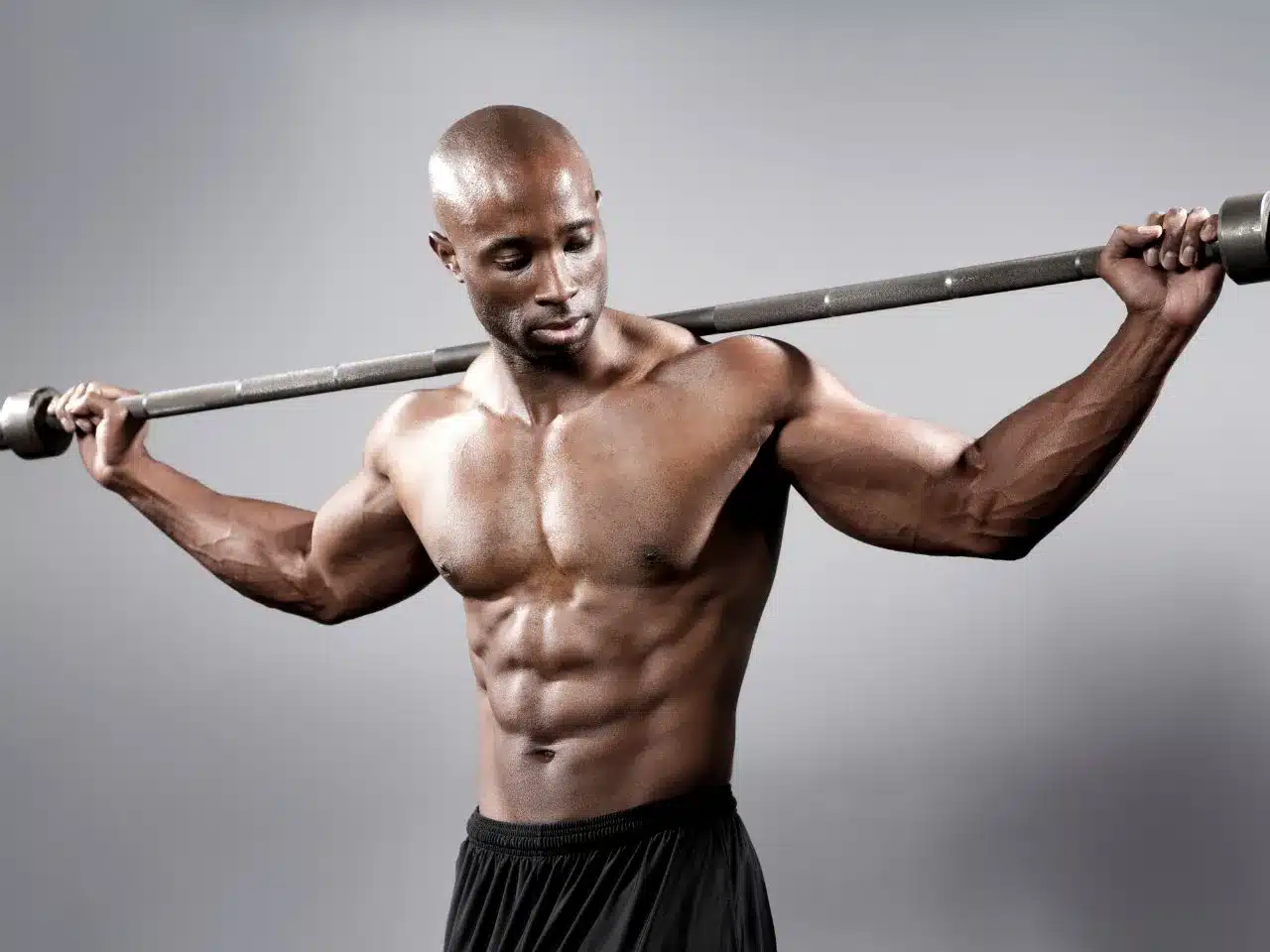
- Rectus abdominis: The “six-pack” muscle.
- Transverse abdominis: Deep core muscle responsible for stability.
- Obliques: Internal and external obliques help with twisting and side-to-side movements.
- Multifidus and erector spinae: Critical back muscles that help with posture and movement.
Why Functionality Matters
Strong abs do more than look good. They protect your spine, improve balance, and help you perform daily movements with ease. Whether you’re lifting heavy objects, engaging in sports, or simply maintaining posture, functional core strength is essential.
Exercise 1: Plank (Traditional and Variations)
Traditional Plank
The plank is a cornerstone exercise for core strength, working your rectus abdominis, transverse abdominis, shoulders, and glutes.
- How to perform: Start in a push-up position, keeping your body straight from head to heels. Avoid arching your back or letting your hips sag.
- Benefits: Engages the entire core, improves posture, and builds endurance.
Variations for Increased Challenge
- Side Plank: Targets the obliques and helps improve lateral stability.
- Plank to Push-Up: Incorporates upper body strength while keeping your core engaged. Alternate between plank and push-up positions to add intensity.
Exercise 2: Dead Bug
The dead bug is a fantastic exercise for engaging the deep core muscles while protecting your lower back.
- Instructions: Lie on your back with your arms straight up and knees bent at 90 degrees. Lower your opposite arm and leg simultaneously while keeping your lower back pressed into the floor.
- Functional Benefit: Improves core stability and coordination, which translates to better balance and control in everyday movements.
Exercise 3: Hanging Leg Raises
Primary Muscles
Hanging leg raises target the lower abs, hip flexors, and obliques while also improving grip strength.
- How to perform: Hang from a pull-up bar, then lift your legs straight out or tuck them, engaging your abs throughout the movement. Focus on controlling the lowering phase for maximum effectiveness.
Variation
For an extra challenge, add a twist at the top of the movement to engage your obliques further.
Functional Focus
This exercise challenges your core under tension and improves grip strength, which can enhance performance in other areas of your fitness routine.
Exercise 4: Russian Twists
Primary Muscles
Russian twists work your obliques and hip flexors, improving rotational strength.
- How to perform: Sit on the floor with your knees bent and feet slightly off the ground. Hold a weight or medicine ball and twist your torso side to side, controlling each movement.
Little-Known Tip
Perform Russian twists on a stability ball for an added challenge. This increases core engagement as you work to maintain balance.
Functional Benefit
Russian twists improve rotational strength, which is essential for sports like tennis, golf, and baseball, as well as daily tasks like reaching or throwing.
Exercise 5: Ab Wheel Rollouts
Primary Muscles
The ab wheel rollout is a dynamic exercise that targets your rectus abdominis, transverse abdominis, and obliques.
- How to perform: Kneel on the floor with an ab wheel in your hands. Roll forward, extending your body while keeping your core engaged. Slowly return to the starting position.
Tip for Beginners
Start with a smaller range of motion to build strength. Gradually increase the distance as your core muscles get stronger.
Functional Benefit
Ab wheel rollouts mimic functional movements like reaching and extending, making them a practical way to build core strength for everyday tasks.
Exercise 6: Bird-Dog
Primary Muscles
The bird-dog exercise works your multifidus, transverse abdominis, and lower back, making it a great move for overall stability.
- How to perform: Start in a tabletop position with your hands directly under your shoulders. Extend your opposite arm and leg while keeping your core tight and balanced.
Advanced Twist
Hold a lightweight dumbbell in your extended hand for added resistance and difficulty.
Functional Benefit
Bird-dogs enhance balance and stability, improving coordination across multiple planes of motion. This exercise supports functional movements like walking, running, and bending.
Exercise 7: Cable Woodchoppers
Primary Muscles
Cable woodchoppers target the obliques, transverse abdominis, shoulders, and hips, making them a powerful functional exercise.
- How to perform: Use a cable machine or resistance band. Start in a high-to-low or low-to-high position, twisting your torso while pulling the weight across your body.
Functional Benefit
Cable woodchoppers develop rotational power, which is crucial for activities such as swinging, shoveling, or throwing. They also help with overall core stability during twisting movements.
Exercise 8: L-Sit Hold
Primary Muscles
The L-sit hold is a static exercise that targets your hip flexors, rectus abdominis, and obliques.
- How to perform: Sit on the ground or between parallel bars, lift your legs straight out in front of you, and hold the position while engaging your core.
Progression
Start by holding the position for shorter periods and gradually work up to longer holds as your core strength improves.
Functional Benefit
The L-sit hold builds endurance in the core and improves your ability to maintain full-body tension, which is essential for various fitness activities and movements in daily life.
The Functional Abs Circuit (Optional)
To supercharge your results, try structuring these exercises into a circuit.
- How to structure: Perform each exercise for 30-60 seconds with 15-30 seconds of rest in between. Repeat for 2-3 rounds.
This circuit-style workout keeps your core constantly engaged, burns fat, and improves cardiovascular fitness while strengthening your abs.
Additional Tips for Sexy & Functional Abs
- Core Activation in Daily Movements: Practice engaging your core during everyday activities like lifting, walking, and sitting.
- Progressive Overload: Continuously increase the weight or intensity of your ab exercises to ensure consistent progress.
- Focus on Nutrition: A well-balanced diet with the right macros and reduced body fat is key to revealing visible abs.
- Stretching and Recovery: Incorporate stretches like the Cobra pose to prevent tightness and maintain flexibility in your abs.
Conclusion
By incorporating these eight exercises into your routine, you’ll build both the “sexy” six-pack you want and the functional strength your body needs. Be consistent, focus on form, and remember that visible abs come with a combination of effective exercises, a clean diet, and proper recovery.
Achieve a strong, sculpted, and functional core that benefits your fitness and daily life!