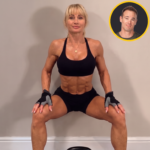
A 75-year-old woman is making viewers rethink what age should look like.
In a recent YouTube video, Jan Heighton’s toned, athletic frame sparked a wave of “how is that even possible?” reactions.
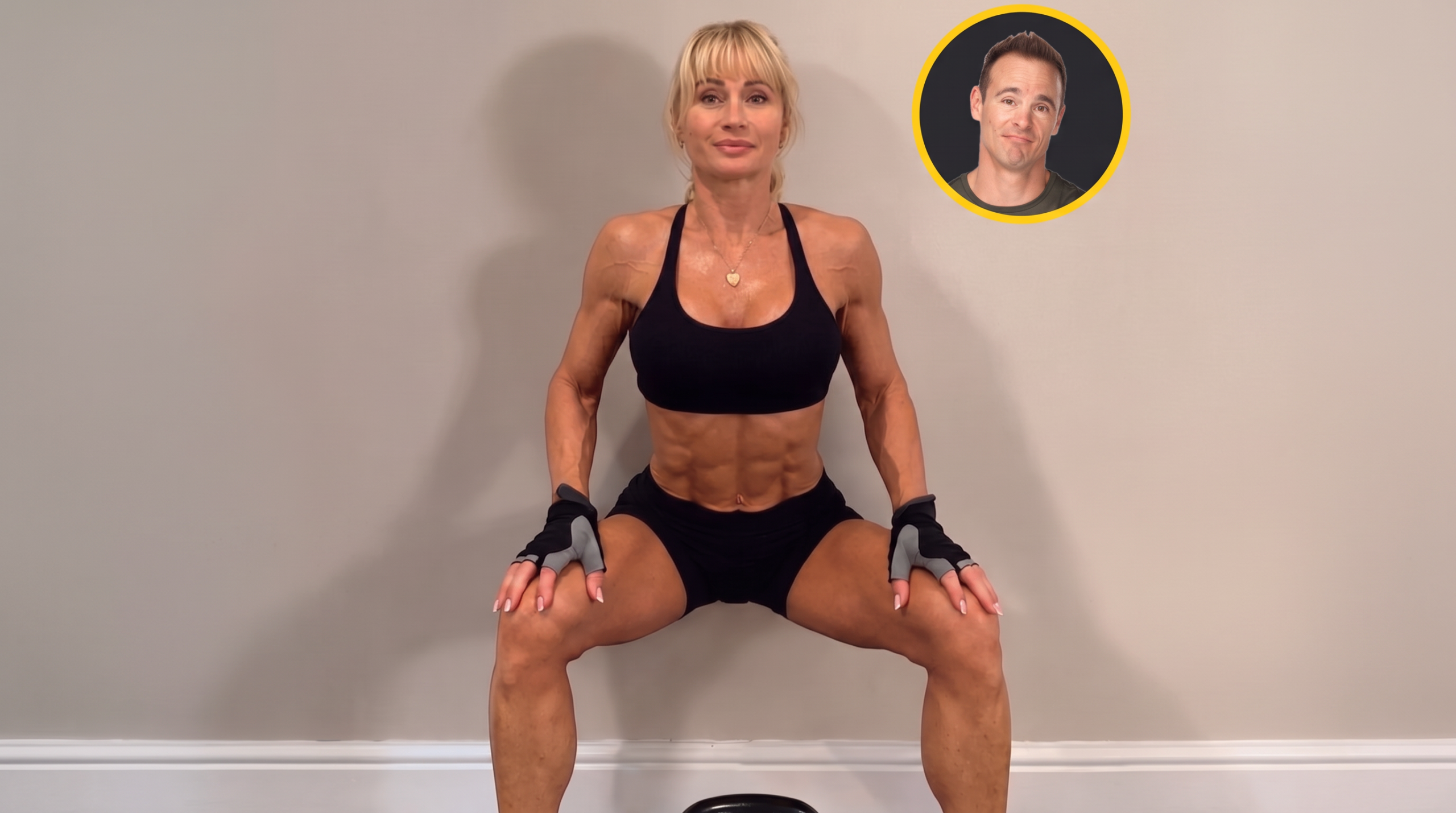
Yet the narrator insists that guessing her age misses the point entirely.
Real value lies in habits that protect strength, mobility, and independence.
Curious which habits deserve credit, and which promises are just shiny packaging?
Let’s dig in.

If you want something simple that actually works, this is one of the most effective tools I’ve used to build strength, conditioning, and endurance without needing a full gym setup.
- Full-body training with one weight using swings, squats, and presses
- Solid cast iron build that feels stable and lasts for years
- Comfortable grip that makes high-rep workouts easier to handle
Jump to:
- Her Secret Is a System, Not a Magic Trick
- Why Muscle Matters So Much After 50
- Forget Six-Pack Abs: Build a Core That Works
- Balance: The Underrated Independence Protector
- Upper-Body Strength for Real Life
- Pair Lifting With Cardio
- Build Several Scenarios, Not One Perfect Plan
- Your Starter Plan for This Week
- Youth Is a Reserve, Not a Number
Her Secret Is a System, Not a Magic Trick
Behind her striking appearance may lie not just one magical secret, but a system of repeated decisions.
No single trick explains her look. Her genetics, lab results, and medical history remain unknown, so any “miracle” explanation would be guesswork.
What is visible: movement woven into everyday life through three settings.
- Gym sessions with equipment for precise resistance
- Home workouts that skip travel time
- Outdoor exercise combining fresh air, daylight, and walking
Visiting all three venues isn’t the lesson. Flexibility is.
Can’t reach the gym? Squeeze in a short home session or take a stroll instead.
Why Muscle Matters So Much After 50
As we age, muscle mass and strength gradually decrease without exercise.
This gradual decline is called sarcopenia. Resistance work is widely recognized as one of the best tools for slowing it.
But the loss of strength should not be considered an inevitable fate.
Muscle does more than shape a silhouette. Working tissue burns energy and helps regulate glucose levels while preserving insulin sensitivity.
If you want something simple that actually works, this is one of the most effective tools I’ve used to build strength, conditioning, and endurance without needing a full gym setup.
- Full-body training with one weight using swings, squats, and presses
- Solid cast iron build that feels stable and lasts for years
- Comfortable grip that makes high-rep workouts easier to handle
Strong legs lift you from chairs and carry you up stairs. Strong backs support posture, and strong arms haul groceries and suitcases.
Exercise is no guarantee against disease. Still, it remains one of the most accessible ways to support long-term health.
Forget Six-Pack Abs: Build a Core That Works
Therefore, a strong core doesn’t necessarily mean defined six-pack abs.
Abdominal and back muscles control torso position, help you stay balanced, and transfer force between upper and lower body. They switch on whenever you bend, twist, or carry something.
Core Moves Worth Trying
- Plank
- All-fours reaches extending opposite arm and leg
- Resistance band exercises
- Back pulls with suitable resistance
Move smoothly. Keep breathing. Never push through pain.
Balance: The Underrated Independence Protector
Stability relies on vision, the vestibular system, nerves, and muscles working together. Training that network can reduce fall risk.
Try shifting weight from one leg to the other. Progress to standing on one leg beside a stable support.
If you want something simple that actually works, this is one of the most effective tools I’ve used to build strength, conditioning, and endurance without needing a full gym setup.
- Full-body training with one weight using swings, squats, and presses
- Solid cast iron build that feels stable and lasts for years
- Comfortable grip that makes high-rep workouts easier to handle
Upper-Body Strength for Real Life
Shoulders and arms open heavy doors, grip handrails, and lift luggage. Suitable options include wall push-ups, arm curls, presses, and pull-ups.
Begin with a light band or just body weight. Once technique feels confident, gradually raise the load.
Training at your limit every session has a downside. Recovery can suffer and injury risk may climb.
Pair Lifting With Cardio
Brisk walking, swimming, cycling, and dancing build endurance and improve oxygen delivery to muscles. Aerobic work also supports heart and vessel health, and may benefit blood pressure, mood, and sleep.
A common guideline for adults: about 150 minutes of moderate aerobic activity weekly, plus strength sessions on at least two days. Treat that as a destination, not a mandatory starting line.
Coming off a sedentary stretch? Start with short walks and extend them slowly.
If you want something simple that actually works, this is one of the most effective tools I’ve used to build strength, conditioning, and endurance without needing a full gym setup.
- Full-body training with one weight using swings, squats, and presses
- Solid cast iron build that feels stable and lasts for years
- Comfortable grip that makes high-rep workouts easier to handle
Everyday movement counts too. Stair climbing and breaks from sitting add to your overall total.
Build Several Scenarios, Not One Perfect Plan
- High-energy day: full strength session
- Busy day: short home workout
- Low-energy day: calm walk
Missed a session? Don’t double up tomorrow. Simply return to your usual schedule.
Your Starter Plan for This Week
Copying Heighton’s exact volume makes little sense, since her schedule and experience are unknown. Start smaller.
- Add 10 minutes of daily walking
- Stand up more often during long sitting stretches
- Do simple strength moves twice weekly: chair stands, wall push-ups, light band pulls, and calf raises
- Add repetitions gradually while keeping technique tidy
Smart Safety Checks
Heart disease, pronounced joint problems, or a long exercise break? Talk with your doctor about appropriate loads first.
Intensity isn’t everything. During moderate cardio, breathing quickens, yet you can usually speak in phrases.
Final strength repetitions may feel demanding, though form should stay controlled. Chest pain, fainting, unusual breathlessness, or severe dizziness mean stop and seek medical help.
If you want something simple that actually works, this is one of the most effective tools I’ve used to build strength, conditioning, and endurance without needing a full gym setup.
- Full-body training with one weight using swings, squats, and presses
- Solid cast iron build that feels stable and lasts for years
- Comfortable grip that makes high-rep workouts easier to handle
Youth Is a Reserve, Not a Number
In this sense, youth is not a number on the face, but a reserve of strength, coordination, and freedom that can be maintained at any age.
Her story isn’t about halting time. It’s about practical habits: training varied muscle groups, mixing strength with aerobic work, exercising in comfortable settings, and letting the body recover.
Forget waiting for Monday or perfect shape. Pick one action you can repeat tomorrow, then build from there.
Winning goal: travel, play, and tackle chores without fear.