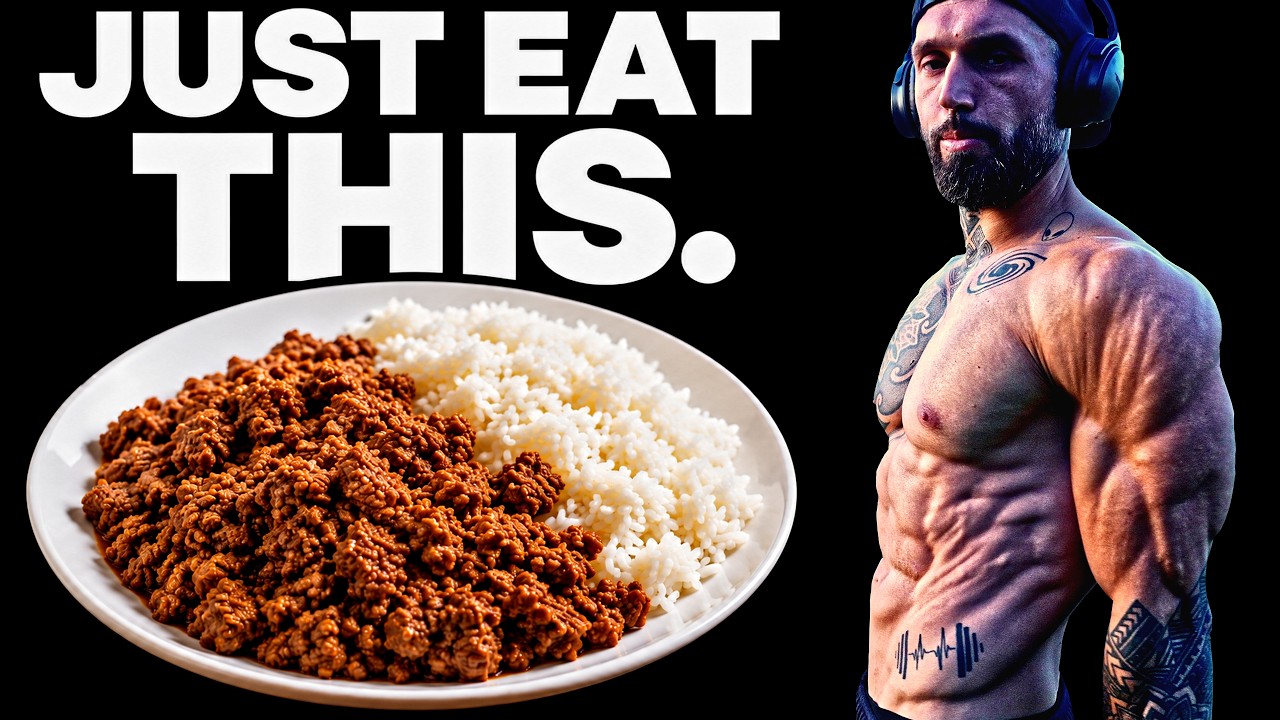
In a recent YouTube video, natural lifter The Lean Natty revealed three meals he eats almost every single day.
Nearly 20 years of drug-free training taught him one lesson: simple wins.
No fancy recipes, no pricey powders, no magic diet.
Which meal does he call his favorite, and which does he save for bedtime?
Keep reading to learn how to tweak each plate to match your own physique goals.
Jump to:
Why Boring Food Builds Impressive Physiques
His friends tease him for repeating identical dishes. He shrugs it off.

If you want something simple that actually works, this is one of the most effective tools I’ve used to build strength, conditioning, and endurance without needing a full gym setup.
- Full-body training with one weight using swings, squats, and presses
- Solid cast iron build that feels stable and lasts for years
- Comfortable grip that makes high-rep workouts easier to handle
Maybe it’s boring, but it works. You don’t need a complicated diet to build an insane physique.
Repetition makes tracking easy, and tracking makes results predictable. Cheap ingredients help too.
Meal 1: Ground Beef and Rice
His self-confessed favorite, probably eaten “a little too often,” combines about 250 g of ground beef with 250 g of cooked rice. Onion, bell pepper, or other vegetables often join the pan.
Lean or regular beef both work. Pick based on your calorie and fat targets.
What Beef Brings To Your Plate
- High-quality protein: supports muscle growth and recovery
- Vitamin B12 and iron: fuel energy, metabolism, and red blood cell production
- Zinc: supports immune function and normal testosterone production
- Selenium: backs normal thyroid function
- Natural creatine: a bonus found in beef
Zinc keeps testosterone functioning normally. No single meal pushes hormones beyond your natural range, so view this as maintenance rather than a boost.
Protein also promotes fullness, which helps when calories are tight.
Rice Refills Your Tank
Rice delivers complex carbohydrates that replenish muscle glycogen after training. Hard sessions demand fuel.
If you want something simple that actually works, this is one of the most effective tools I’ve used to build strength, conditioning, and endurance without needing a full gym setup.
- Full-body training with one weight using swings, squats, and presses
- Solid cast iron build that feels stable and lasts for years
- Comfortable grip that makes high-rep workouts easier to handle
Don’t be afraid of carbs. They are a great source of energy, especially if you’re training hard.
Bonus Tip: Stop Drinking Your Calories
Water, unsweetened tea, black coffee, and sugar-free energy drinks keep him on track. Sugar-free options make sticking to his plan far easier, though he warns against overdoing caffeine.
I’d rather eat my calories than drink them.
Meal 2: Chicken Breast and Potatoes
Typical portions land at 200 to 250 g of chicken breast plus 200 to 300 g of potatoes. Swap in rice or sweet potatoes whenever cravings strike.
Chicken breast packs plenty of protein with little fat versus most ground beef. Result? More protein for fewer calories, ideal when cutting body fat while preserving muscle.
Micronutrient Perks
- Vitamin B6: helps your body use protein
- Vitamin B3: converts food into energy
- Selenium: supports immunity
- Phosphorus: important for healthy bones and energy production
- Potatoes: deliver carbs, potassium for normal muscle function, and vitamin C
Boiled spuds are especially filling. Hunger hates them.
Sweet Potato Versus Regular: Does It Matter?
Orange sweet potatoes contain beta carotene, which your body converts into vitamin A for eye and immune health. His verdict? Both are nutritious, so eat whichever you enjoy most.
Meal 3: High-Protein Yogurt, Fruit, and Nuts
Bedtime belongs to this bowl. Its star ingredient is casein, a slowly digested protein supplying amino acids steadily over several hours.
If you want something simple that actually works, this is one of the most effective tools I’ve used to build strength, conditioning, and endurance without needing a full gym setup.
- Full-body training with one weight using swings, squats, and presses
- Solid cast iron build that feels stable and lasts for years
- Comfortable grip that makes high-rep workouts easier to handle
That slow trickle may support overnight muscle recovery. Total daily protein still matters most, so view bedtime casein as a convenient extra rather than a requirement.
Check That Label
His yogurt delivers 10 g of protein per 100 g. Many brands offer only 3 to 5 g.
There’s a big difference in how much protein they contain, so always check the nutrition label.
Yogurt also supplies calcium for bones and muscle function. Strawberries, blueberries, or bananas add vitamins, fiber, and carbs.
Nuts: Nutritious, But Calorie-Dense
Nuts provide unsaturated fats, fiber, and magnesium. Fats deserve no fear, since your body needs them to function properly.
Handfuls pile up fast, though. A low-calorie bowl can become a calorie bomb.
Don’t eat the whole bag, and don’t go crazy with them.
Meal Timing: Do What You Can Stick To
Beginners should spread meals across the day and track calories to see how much room remains for snacks. Portions shift with goals, and estimating gets easier over time.
If you want something simple that actually works, this is one of the most effective tools I’ve used to build strength, conditioning, and endurance without needing a full gym setup.
- Full-body training with one weight using swings, squats, and presses
- Solid cast iron build that feels stable and lasts for years
- Comfortable grip that makes high-rep workouts easier to handle
His own routine looks different. Breakfast never happens; his first meal lands around noon, or even 5 p.m. after training.
I like to feel full at the end of the day, especially before going to bed.
Copying him isn’t required. Prefer breakfast? Eat breakfast.
Find something that works for you and that you can actually stick to. That’s the best.
The Calorie Reality Check
Even perfect meals can’t override energy balance. He illustrates this with an extreme (and hilarious) example.
You could technically consume 2,000 calories of nothing but pure frying oil and still lose weight if you’re in a calorie deficit. Is that a smart idea? Absolutely not.
His point: weight loss and nourishment are different goals. Quality food covers nutrients, while total intake drives the scale.
How To Apply This Starting Today
- Pick a protein: beef for flexibility, chicken breast for leaner calories.
- Add a carb you enjoy: rice, regular potatoes, or sweet potatoes.
- Read yogurt labels: choose the highest protein per 100 g.
- Measure nuts: portion them out instead of eating from the bag.
- Track total calories: adjust portions up or down for your goal.
His closing message sums everything up: keep it simple, eat nutritious food, get enough protein, and watch total calorie intake. Consistency beats complexity every time.