What’s the point of a longer life if the memories that make it meaningful slip away?
Longevity gets all the buzz, yet quality of those extra years rarely gets equal airtime.
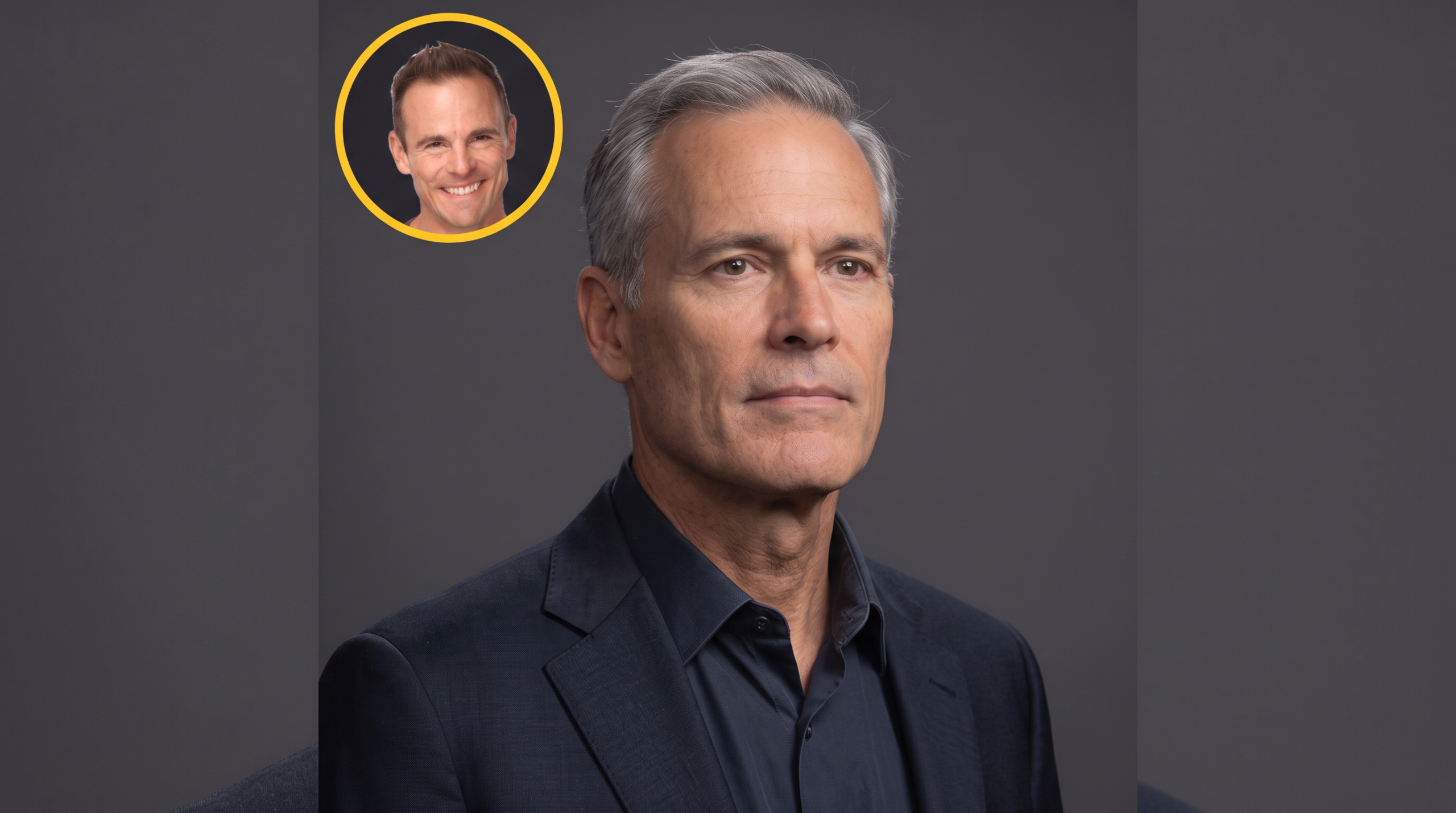
On a recent podcast episode, board-certified neurologist Dr. David Perlmutter laid out why daily habits shape brain health decades down the road.
His boldest claim? Most people have no idea how much control they hold.
He even ranked top contributors to cognitive decline, and one of them might surprise you.
Behind the science sits a deeply personal story that explains his mission.

If you want something simple that actually works, this is one of the most effective tools I’ve used to build strength, conditioning, and endurance without needing a full gym setup.
- Full-body training with one weight using swings, squats, and presses
- Solid cast iron build that feels stable and lasts for years
- Comfortable grip that makes high-rep workouts easier to handle
Jump to:
- Perlmutter’s Core Message: Dementia Is Far More Preventable Than Most Believe
- The Numbers That Sparked His Alarm
- Is Alzheimer’s Really a Metabolic Problem?
- The Top Contributors He Highlights
- Genetics Loads the Gun, Lifestyle Pulls the Trigger
- Simple Moves You Can Start This Week
- The Personal Story Behind the Mission
Perlmutter’s Core Message: Dementia Is Far More Preventable Than Most Believe
But what people may not be aware of is it is significantly preventable. And that’s the message that I’ve got to get out.
Perlmutter speaks with the authority of someone who has spent a career studying the organ in question.
I’m a board-certified neurologist and I’ve seen a lot of brains and thousands of scans.
The fuller picture is a little more nuanced. Researchers broadly agree that modifiable lifestyle factors matter, but no habit guarantees immunity, and some cases happen despite doing everything right.
The Numbers That Sparked His Alarm
Perlmutter opened with several striking statistics.
- Leading killer: He describes Alzheimer’s as the third leading cause of death in America.
- Lifetime odds: Reaching age 85 puts dementia risk, in his words, “close to high 40% or a flip of a coin.”
- Gender gap: Women face roughly double the risk men do.
Context helps here. Rankings of causes of death shift depending on how deaths are counted, and published risk estimates vary widely, with the 85-year figure landing toward the higher end of that range.
The takeaway holds either way: this disease touches a staggering number of families.
Is Alzheimer’s Really a Metabolic Problem?
Alzheimer’s is primarily a metabolic condition of the brain.
This framing links brain health to blood sugar, energy use, and overall metabolic fitness, which is exactly why daily choices carry weight.
If you want something simple that actually works, this is one of the most effective tools I’ve used to build strength, conditioning, and endurance without needing a full gym setup.
- Full-body training with one weight using swings, squats, and presses
- Solid cast iron build that feels stable and lasts for years
- Comfortable grip that makes high-rep workouts easier to handle
Science here remains unsettled. Metabolic dysfunction is a leading hypothesis, yet scientists still debate how it interacts with other proposed drivers, such as protein buildup in the brain.
The Top Contributors He Highlights
Perlmutter turned the conversation into a card game, asking the host to name what he thought drives cognitive decline. Then came his own list.
1. Handing Brain Health Over to Pharma
We have offloaded agency of our brains to the pharmaceutical industry.
His point: waiting for a pill means sidelining your own power to act early. Medication still has a legitimate role in medicine, but prevention begins long before any prescription.
2. Sitting Too Much
Exercise and movement is a multi-tool for the brain.
He called a sedentary lifestyle “huge.” Movement is widely linked to better circulation, mood, and metabolic health, all of which feed brain function.
3. Everyday Food Choices
Food made his shortlist too. He called it a big problem, and the reaction from the room was telling: “Wow. That’s scary.”
Genetics Loads the Gun, Lifestyle Pulls the Trigger
It’s genetics loads the gun, lifestyle pulls the trigger.
Powerful line. It captures a hopeful truth: family history is not a sentence.
If you want something simple that actually works, this is one of the most effective tools I’ve used to build strength, conditioning, and endurance without needing a full gym setup.
- Full-body training with one weight using swings, squats, and presses
- Solid cast iron build that feels stable and lasts for years
- Comfortable grip that makes high-rep workouts easier to handle
Genetics does carry real weight for some people, though, and metaphors simplify. Lifestyle can lower odds but cannot erase them.
Simple Moves You Can Start This Week
Perlmutter’s themes translate into small, realistic steps:
- Break up sitting time: stand, stretch, or stroll every hour.
- Schedule workouts: walking, strength training, and anything that raises your heart rate counts.
- Upgrade your plate: favor whole, minimally processed foods over packaged snacks.
- Own your health: ask your doctor about brain-protective habits before problems appear.
- Start early: your brain in your 70s reflects choices from your 40s and 50s.
The Personal Story Behind the Mission
Perlmutter’s urgency isn’t just professional. Families often tell clinicians what it felt like to essentially lose a loved one, and he lived that reality himself.
And I’ve been through this with my father. And when you see your parent like that and you think back to who he was and what he was, it’s difficult. And I don’t want people to go through that.
Late in the conversation, his son Austin appeared with a letter. Perlmutter’s response was raw and emotional.
I’m doing my best so people don’t have to experience what I’m feeling right now.
Asked what listeners should take from all this, he voiced one wish:
My hope is that a lot of people get this message
Longevity without cognition is only half the goal. The habits you build now help decide which version of old age you get to live.
If you want something simple that actually works, this is one of the most effective tools I’ve used to build strength, conditioning, and endurance without needing a full gym setup.
- Full-body training with one weight using swings, squats, and presses
- Solid cast iron build that feels stable and lasts for years
- Comfortable grip that makes high-rep workouts easier to handle