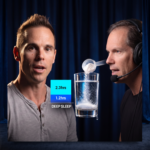
What he found might change how you think about that nightly glass of red.
Jump to:
- The Old Wisdom on Alcohol: What Experts Used to Believe
- The Study That Changed Everything
- The Mechanism: Why Alcohol Damages Your Body
- Drinking Patterns Matter
- What Should You Actually Do?
- The Bottom Line
- The Old Wisdom on Alcohol: What Experts Used to Believe
- The Study That Changed Everything
- The Mechanism: Why Alcohol Damages Your Body
- Drinking Patterns Matter
- What Should You Actually Do?
- The Bottom Line
- The Old Wisdom on Alcohol: What Experts Used to Believe
- The Study That Changed Everything
- The Mechanism: Why Alcohol Damages Your Body
- Drinking Patterns Matter
- What Should You Actually Do?
- The Bottom Line
- The Old Wisdom on Alcohol: What Experts Used to Believe
- The Study That Changed Everything
- The Mechanism: Why Alcohol Damages Your Body
- Drinking Patterns Matter
- What Should You Actually Do?
- The Bottom Line
- The Old Wisdom on Alcohol: What Experts Used to Believe
- The Study That Changed Everything
- The Mechanism: Why Alcohol Damages Your Body
- Drinking Patterns Matter
- What Should You Actually Do?
- The Bottom Line
- The Old Wisdom on Alcohol: What Experts Used to Believe
- The Study That Changed Everything
- The Mechanism: Why Alcohol Damages Your Body
- Drinking Patterns Matter
- What Should You Actually Do?
- The Bottom Line
- The Old Wisdom on Alcohol: What Experts Used to Believe
- The Study That Changed Everything
- The Mechanism: Why Alcohol Damages Your Body
- Drinking Patterns Matter
- What Should You Actually Do?
- The Bottom Line
- The Old Wisdom on Alcohol: What Experts Used to Believe
- The Study That Changed Everything
- The Mechanism: Why Alcohol Damages Your Body
- Drinking Patterns Matter
- What Should You Actually Do?
- The Bottom Line
The Old Wisdom on Alcohol: What Experts Used to Believe
For roughly five decades, health professionals maintained what seemed like a reasonable stance on drinking.

High-dose alcohol consumption—multiple drinks several days weekly—was clearly harmful. Everyone agreed on that. Heavier drinking caused exponentially worse damage to health and longevity.
Two to three drinks daily, a few times weekly, sat in murkier territory. Most experts considered this pattern a net negative, though some argued relaxation benefits might cancel out physiological harm.
But one to two drinks daily, especially red wine? That was supposedly different.
Many researchers believed moderate consumption might actually improve health outcomes. At minimum, it seemed neutral.
Israetel himself held similar views. He typically advocated for lower consumption within these ranges, remaining skeptical that minimal alcohol offered genuine benefits.
I was usually on the lower end of these alcohol views, which is to say that I typically aired on advocating less consumption than more on the margin.
Still, the prevailing evidence-based position suggested small amounts weren’t particularly concerning.
The Study That Changed Everything
Published in June 2026 in the Journal of Studies on Alcohol and Drugs, the Alcohol Intake and Health Study represented something unprecedented.
This wasn’t another randomized trial with limited scope. Instead, researchers conducted a massive evidence synthesis and risk modeling project commissioned by the United States government.
They reviewed highest-quality epidemiological evidence across numerous disease categories simultaneously—cancer, cardiovascular disease, liver disease, diabetes, dementia, stroke, and disability-adjusted life years.
Most importantly, they tackled a question earlier studies avoided: when you add all health outcomes together, is moderate drinking net positive, neutral, or negative?
The Headline Finding
The study found no clear evidence that alcohol provides a net health benefit at any level of intake.
Read that again.
At any level of intake.
This directly challenges the long-held belief that moderate consumption, particularly wine, offers protective effects.
What About Those “Benefits”?
Alcohol did show favorable associations with certain outcomes. It appeared to marginally reduce risk of ischemic heart disease, ischemic stroke, type 2 diabetes, and dementia in some analyses.
It enhanced HDL-related lipid markers and improved some clotting factors.
But here’s the critical problem: those mini-benefits didn’t translate into overall protective effects. More harmful processes were occurring simultaneously, canceling out any advantages.
Health risk rose progressively as intake increased. Around seven drinks weekly—roughly one daily—showed modest but measurable increases in overall risk.
Above one drink daily, risks became more pronounced. The relationship appeared dose-responsive: more alcohol consistently meant more risk.
The 14-Drink Threshold
Fourteen drinks weekly emerged as an especially important marker.
At this level, researchers estimated approximately one alcohol-attributable death per 25 people over a lifetime.
That’s substantially higher risk than most people assume for “moderate” drinking.
Cancer Risk Starts Low
Perhaps most troubling: cancer risk appeared to rise even at relatively low intakes.
- Breast cancer showed clear links to alcohol consumption
- Colorectal cancer risk increased with intake
- Esophageal cancer emerged as a major concern
- Pancreatic cancer risk also elevated
Cancer risk generally climbed alongside drinking frequency and volume.
The Mechanism: Why Alcohol Damages Your Body
Understanding how alcohol affects physiology reveals whether these correlations likely represent causation.
Imagine someone accused of murder with only circumstantial evidence. You’d examine their character—are they the vicious killer type or harmless grandmother type?
So which is alcohol?
Toxic Metabolites
Ethanol metabolizes into acetaldehyde, a reactive compound that damages DNA, proteins, and cellular repair systems themselves.
Mechanistically, you’d predict higher cancer risk and accelerated tissue deterioration. Evidence confirms exactly this.
Liver Stress
Your liver processes alcohol by shifting metabolism toward fat accumulation and chronic stress.
Long-term, this predicts fatty liver, inflammation, fibrosis, and potentially cirrhosis—all of which research has confirmed.
Oxidative Damage
Alcohol metabolism generates reactive oxygen species that damage lipids, proteins, DNA, and mitochondria.
Chronic exposure would logically increase inflammation, cellular aging, and cancer risk. All confirmed.
Sleep Destruction
Alcohol may induce sleepiness, but it dramatically fragments sleep architecture and reduces sleep quality.
Lower sleep quality predicts worse recovery, cognition, mood regulation, glucose control, and appetite regulation.
Jesus Christ, that’s like worse everything.
Brain Chemistry Disruption
Alcohol alters GABA, glutamate, dopamine, and opioid signaling pathways.
Repeated exposure increases tolerance, withdrawal risk, anxiety rebound after intoxication ends, impaired learning, and dependence in susceptible individuals.
Acute Harm From Intoxication
Even without tissue damage, intoxication increases risk-taking behavior, falls, driving errors, and physical altercations.
Many alcohol-related deaths stem not from chronic disease but from acute incidents—drunk driving, accidents, injuries.
Repeated drinking creates repeated windows where catastrophically bad decisions become likely.
Hormone and Gut Effects
Alcohol increases estrogen exposure, directly relevant to breast cancer biology. Regular intake would mechanistically raise breast cancer risk.
It irritates gastrointestinal tissue and increases gut permeability, allowing inflammatory bacterial products into circulation.
This predicts increased liver inflammation, systemic inflammation, and immune dysregulation—all confirmed by research.
The Fitness Impact
Alcohol provides seven calories per gram—between carbohydrates and fats—while massively reducing inhibition around food choices.
Scott, name me one time that drinking is not paired with high calorie foods.
It interferes with sleep, hydration, glycogen restoration, protein synthesis signaling, and training quality.
Rare small drinks probably cause minimal damage, but repeated or binge intakes devastate hypertrophy and recovery.
If you’re trying to build muscle, lose fat, or improve athletic performance, alcohol works directly against every single goal.
Drinking Patterns Matter
Seven drinks weekly affects your body differently depending on consumption pattern.
Worst option: Seven drinks Saturday night. This binge severely disrupts sleep, training, liver metabolism, and tissue repair.
Second worst: One drink daily, seven days weekly. Consistent exposure prevents recovery windows.
Least bad option: One to two drinks on two to three separate days with distinct alcohol-free days between.
This pattern avoids excessive consistency while preventing overwhelming acute toxicity.
Does this make it good for you? Absolutely not. Just less harmful.
What Should You Actually Do?
Given strong epidemiological data and compelling mechanistic evidence, the less you drink, the better.
Even one to two drinks a few times weekly might be measurably worse for health than complete abstinence.
That said, this remains just one study—albeit massive. Future research might reveal nuances by age, gender, ethnicity, or genetic profile.
Avoid overcorrecting into assuming alcohol is definitively catastrophic at all doses forever.
Practical Guidelines
If you don’t drink: Don’t start. Zero health reasons justify beginning alcohol consumption. The “doctor-recommended wine” concept belongs in history museums alongside doctors smoking in examination rooms.
If you drink rarely (few times monthly): Probably not worth stressing over. At this frequency, health impact pales compared to whether you train consistently, sleep adequately, eat well, maintain healthy body composition, and manage stress.
If you drink one to two drinks daily for health benefits: Strongly reconsider. You’re not buying health benefits—you’re buying small health risks in exchange for relaxation, pleasure, ritual, or social bonding.
You’re probably buying a small amount of health risk in exchange for relaxation, pleasure, ritual, or social bonding.
If those matter immensely, continue. But understand the trade-off honestly.
If alcohol enhances your social life: You don’t need to become a teetotaling monk. Just recognize alcohol as a recreational drug with calories, sleep disruption, and tissue toxicity—not a health supplement.
For fitness-focused individuals: Avoid binge drinking above all else. Seven drinks Saturday creates worse sleep, worse decisions, worse training, more acute toxicity, and questionable text messages to exes.
Timing matters: Alcohol near bedtime is probably worst placement despite cultural acceptability. It may induce sleepiness but destroys sleep quality—critical for muscle growth, fat loss, health, and cognitive performance.
Around training: Don’t drink before or after hardest sessions. Stay fresh when performance matters most. Schedule drinks on lower-stakes days, farther from intense training, bedtime, and situations requiring elite cognition or emotional stability.
Account for calories: Alcohol contains seven calories per gram, but bigger issues arise from accompanying nachos, pizza, fries, and sudden conviction that your cutting diet represents oppression by capitalist fashion industries.
During fat loss: Alcohol is terrible value. It costs calories, increases hunger and impulsivity, worsens sleep, and degrades next-day training and activity. Skip it entirely when already white-knuckling a deficit.
During muscle gain: Extra calories don’t make alcohol automatically fine. Recovery, sleep, digestion, nutrient partitioning, and training quality still matter tremendously.
I’m bulking is not a magic spell that turns tequila into creatine.
The Smart Default
Fewer total drinks. Fewer heavy drinking episodes. More alcohol-free days.
One to two drinks on one to three days weekly beats daily drinking or weekend binges dramatically.
Choose drinks strategically—lower calories, diet mixers, slower sipping, alternating with water, eating protein-rich food beforehand.
Don’t confuse “less bad” with “good.” Wine with dinner beats pounding twelve beers in a hot tub. But it’s still not health-promoting.
The Bottom Line
New evidence suggests alcohol is probably worse than experts thought.
Less drinking is almost certainly better than more drinking.
If you want some in your life, treat it appropriately.
Treat it like dessert, a very unhealthy dessert, not like medicine.
The message isn’t panic. It’s clarity.
Alcohol isn’t a longevity elixir. It’s a recreational substance with real physiological costs—even at moderate doses.
Make informed decisions understanding actual trade-offs rather than outdated assumptions about health benefits that probably never existed.
In a recent deep-dive analysis, Dr. Mike Israetel examined new research that challenges everything fitness and health experts previously believed about wine, spirits, and longevity.
What he found might change how you think about that nightly glass of red.
The Old Wisdom on Alcohol: What Experts Used to Believe
For roughly five decades, health professionals maintained what seemed like a reasonable stance on drinking.
High-dose alcohol consumption—multiple drinks several days weekly—was clearly harmful. Everyone agreed on that. Heavier drinking caused exponentially worse damage to health and longevity.
Two to three drinks daily, a few times weekly, sat in murkier territory. Most experts considered this pattern a net negative, though some argued relaxation benefits might cancel out physiological harm.
But one to two drinks daily, especially red wine? That was supposedly different.
Many researchers believed moderate consumption might actually improve health outcomes. At minimum, it seemed neutral.
Israetel himself held similar views. He typically advocated for lower consumption within these ranges, remaining skeptical that minimal alcohol offered genuine benefits.
I was usually on the lower end of these alcohol views, which is to say that I typically aired on advocating less consumption than more on the margin.
Still, the prevailing evidence-based position suggested small amounts weren’t particularly concerning.
The Study That Changed Everything
Published in June 2026 in the Journal of Studies on Alcohol and Drugs, the Alcohol Intake and Health Study represented something unprecedented.
This wasn’t another randomized trial with limited scope. Instead, researchers conducted a massive evidence synthesis and risk modeling project commissioned by the United States government.
They reviewed highest-quality epidemiological evidence across numerous disease categories simultaneously—cancer, cardiovascular disease, liver disease, diabetes, dementia, stroke, and disability-adjusted life years.
Most importantly, they tackled a question earlier studies avoided: when you add all health outcomes together, is moderate drinking net positive, neutral, or negative?
The Headline Finding
The study found no clear evidence that alcohol provides a net health benefit at any level of intake.
Read that again.
At any level of intake.
This directly challenges the long-held belief that moderate consumption, particularly wine, offers protective effects.
What About Those “Benefits”?
Alcohol did show favorable associations with certain outcomes. It appeared to marginally reduce risk of ischemic heart disease, ischemic stroke, type 2 diabetes, and dementia in some analyses.
It enhanced HDL-related lipid markers and improved some clotting factors.
But here’s the critical problem: those mini-benefits didn’t translate into overall protective effects. More harmful processes were occurring simultaneously, canceling out any advantages.
Health risk rose progressively as intake increased. Around seven drinks weekly—roughly one daily—showed modest but measurable increases in overall risk.
Above one drink daily, risks became more pronounced. The relationship appeared dose-responsive: more alcohol consistently meant more risk.
The 14-Drink Threshold
Fourteen drinks weekly emerged as an especially important marker.
At this level, researchers estimated approximately one alcohol-attributable death per 25 people over a lifetime.
That’s substantially higher risk than most people assume for “moderate” drinking.
Cancer Risk Starts Low
Perhaps most troubling: cancer risk appeared to rise even at relatively low intakes.
- Breast cancer showed clear links to alcohol consumption
- Colorectal cancer risk increased with intake
- Esophageal cancer emerged as a major concern
- Pancreatic cancer risk also elevated
Cancer risk generally climbed alongside drinking frequency and volume.
The Mechanism: Why Alcohol Damages Your Body
Understanding how alcohol affects physiology reveals whether these correlations likely represent causation.
Imagine someone accused of murder with only circumstantial evidence. You’d examine their character—are they the vicious killer type or harmless grandmother type?
So which is alcohol?
Toxic Metabolites
Ethanol metabolizes into acetaldehyde, a reactive compound that damages DNA, proteins, and cellular repair systems themselves.
Mechanistically, you’d predict higher cancer risk and accelerated tissue deterioration. Evidence confirms exactly this.
Liver Stress
Your liver processes alcohol by shifting metabolism toward fat accumulation and chronic stress.
Long-term, this predicts fatty liver, inflammation, fibrosis, and potentially cirrhosis—all of which research has confirmed.
Oxidative Damage
Alcohol metabolism generates reactive oxygen species that damage lipids, proteins, DNA, and mitochondria.
Chronic exposure would logically increase inflammation, cellular aging, and cancer risk. All confirmed.
Sleep Destruction
Alcohol may induce sleepiness, but it dramatically fragments sleep architecture and reduces sleep quality.
Lower sleep quality predicts worse recovery, cognition, mood regulation, glucose control, and appetite regulation.
Jesus Christ, that’s like worse everything.
Brain Chemistry Disruption
Alcohol alters GABA, glutamate, dopamine, and opioid signaling pathways.
Repeated exposure increases tolerance, withdrawal risk, anxiety rebound after intoxication ends, impaired learning, and dependence in susceptible individuals.
Acute Harm From Intoxication
Even without tissue damage, intoxication increases risk-taking behavior, falls, driving errors, and physical altercations.
Many alcohol-related deaths stem not from chronic disease but from acute incidents—drunk driving, accidents, injuries.
Repeated drinking creates repeated windows where catastrophically bad decisions become likely.
Hormone and Gut Effects
Alcohol increases estrogen exposure, directly relevant to breast cancer biology. Regular intake would mechanistically raise breast cancer risk.
It irritates gastrointestinal tissue and increases gut permeability, allowing inflammatory bacterial products into circulation.
This predicts increased liver inflammation, systemic inflammation, and immune dysregulation—all confirmed by research.
The Fitness Impact
Alcohol provides seven calories per gram—between carbohydrates and fats—while massively reducing inhibition around food choices.
Scott, name me one time that drinking is not paired with high calorie foods.
It interferes with sleep, hydration, glycogen restoration, protein synthesis signaling, and training quality.
Rare small drinks probably cause minimal damage, but repeated or binge intakes devastate hypertrophy and recovery.
If you’re trying to build muscle, lose fat, or improve athletic performance, alcohol works directly against every single goal.
Drinking Patterns Matter
Seven drinks weekly affects your body differently depending on consumption pattern.
Worst option: Seven drinks Saturday night. This binge severely disrupts sleep, training, liver metabolism, and tissue repair.
Second worst: One drink daily, seven days weekly. Consistent exposure prevents recovery windows.
Least bad option: One to two drinks on two to three separate days with distinct alcohol-free days between.
This pattern avoids excessive consistency while preventing overwhelming acute toxicity.
Does this make it good for you? Absolutely not. Just less harmful.
What Should You Actually Do?
Given strong epidemiological data and compelling mechanistic evidence, the less you drink, the better.
Even one to two drinks a few times weekly might be measurably worse for health than complete abstinence.
That said, this remains just one study—albeit massive. Future research might reveal nuances by age, gender, ethnicity, or genetic profile.
Avoid overcorrecting into assuming alcohol is definitively catastrophic at all doses forever.
Practical Guidelines
If you don’t drink: Don’t start. Zero health reasons justify beginning alcohol consumption. The “doctor-recommended wine” concept belongs in history museums alongside doctors smoking in examination rooms.
If you drink rarely (few times monthly): Probably not worth stressing over. At this frequency, health impact pales compared to whether you train consistently, sleep adequately, eat well, maintain healthy body composition, and manage stress.
If you drink one to two drinks daily for health benefits: Strongly reconsider. You’re not buying health benefits—you’re buying small health risks in exchange for relaxation, pleasure, ritual, or social bonding.
You’re probably buying a small amount of health risk in exchange for relaxation, pleasure, ritual, or social bonding.
If those matter immensely, continue. But understand the trade-off honestly.
If alcohol enhances your social life: You don’t need to become a teetotaling monk. Just recognize alcohol as a recreational drug with calories, sleep disruption, and tissue toxicity—not a health supplement.
For fitness-focused individuals: Avoid binge drinking above all else. Seven drinks Saturday creates worse sleep, worse decisions, worse training, more acute toxicity, and questionable text messages to exes.
Timing matters: Alcohol near bedtime is probably worst placement despite cultural acceptability. It may induce sleepiness but destroys sleep quality—critical for muscle growth, fat loss, health, and cognitive performance.
Around training: Don’t drink before or after hardest sessions. Stay fresh when performance matters most. Schedule drinks on lower-stakes days, farther from intense training, bedtime, and situations requiring elite cognition or emotional stability.
Account for calories: Alcohol contains seven calories per gram, but bigger issues arise from accompanying nachos, pizza, fries, and sudden conviction that your cutting diet represents oppression by capitalist fashion industries.
During fat loss: Alcohol is terrible value. It costs calories, increases hunger and impulsivity, worsens sleep, and degrades next-day training and activity. Skip it entirely when already white-knuckling a deficit.
During muscle gain: Extra calories don’t make alcohol automatically fine. Recovery, sleep, digestion, nutrient partitioning, and training quality still matter tremendously.
I’m bulking is not a magic spell that turns tequila into creatine.
The Smart Default
Fewer total drinks. Fewer heavy drinking episodes. More alcohol-free days.
One to two drinks on one to three days weekly beats daily drinking or weekend binges dramatically.
Choose drinks strategically—lower calories, diet mixers, slower sipping, alternating with water, eating protein-rich food beforehand.
Don’t confuse “less bad” with “good.” Wine with dinner beats pounding twelve beers in a hot tub. But it’s still not health-promoting.
The Bottom Line
New evidence suggests alcohol is probably worse than experts thought.
Less drinking is almost certainly better than more drinking.
If you want some in your life, treat it appropriately.
Treat it like dessert, a very unhealthy dessert, not like medicine.
The message isn’t panic. It’s clarity.
Alcohol isn’t a longevity elixir. It’s a recreational substance with real physiological costs—even at moderate doses.
Make informed decisions understanding actual trade-offs rather than outdated assumptions about health benefits that probably never existed.
Even moderate drinking—once thought protective—may carry more risk than benefit.
In a recent deep-dive analysis, Dr. Mike Israetel examined new research that challenges everything fitness and health experts previously believed about wine, spirits, and longevity.
What he found might change how you think about that nightly glass of red.
The Old Wisdom on Alcohol: What Experts Used to Believe
For roughly five decades, health professionals maintained what seemed like a reasonable stance on drinking.
High-dose alcohol consumption—multiple drinks several days weekly—was clearly harmful. Everyone agreed on that. Heavier drinking caused exponentially worse damage to health and longevity.
Two to three drinks daily, a few times weekly, sat in murkier territory. Most experts considered this pattern a net negative, though some argued relaxation benefits might cancel out physiological harm.
But one to two drinks daily, especially red wine? That was supposedly different.
Many researchers believed moderate consumption might actually improve health outcomes. At minimum, it seemed neutral.
Israetel himself held similar views. He typically advocated for lower consumption within these ranges, remaining skeptical that minimal alcohol offered genuine benefits.
I was usually on the lower end of these alcohol views, which is to say that I typically aired on advocating less consumption than more on the margin.
Still, the prevailing evidence-based position suggested small amounts weren’t particularly concerning.
The Study That Changed Everything
Published in June 2026 in the Journal of Studies on Alcohol and Drugs, the Alcohol Intake and Health Study represented something unprecedented.
This wasn’t another randomized trial with limited scope. Instead, researchers conducted a massive evidence synthesis and risk modeling project commissioned by the United States government.
They reviewed highest-quality epidemiological evidence across numerous disease categories simultaneously—cancer, cardiovascular disease, liver disease, diabetes, dementia, stroke, and disability-adjusted life years.
Most importantly, they tackled a question earlier studies avoided: when you add all health outcomes together, is moderate drinking net positive, neutral, or negative?
The Headline Finding
The study found no clear evidence that alcohol provides a net health benefit at any level of intake.
Read that again.
At any level of intake.
This directly challenges the long-held belief that moderate consumption, particularly wine, offers protective effects.
What About Those “Benefits”?
Alcohol did show favorable associations with certain outcomes. It appeared to marginally reduce risk of ischemic heart disease, ischemic stroke, type 2 diabetes, and dementia in some analyses.
It enhanced HDL-related lipid markers and improved some clotting factors.
But here’s the critical problem: those mini-benefits didn’t translate into overall protective effects. More harmful processes were occurring simultaneously, canceling out any advantages.
Health risk rose progressively as intake increased. Around seven drinks weekly—roughly one daily—showed modest but measurable increases in overall risk.
Above one drink daily, risks became more pronounced. The relationship appeared dose-responsive: more alcohol consistently meant more risk.
The 14-Drink Threshold
Fourteen drinks weekly emerged as an especially important marker.
At this level, researchers estimated approximately one alcohol-attributable death per 25 people over a lifetime.
That’s substantially higher risk than most people assume for “moderate” drinking.
Cancer Risk Starts Low
Perhaps most troubling: cancer risk appeared to rise even at relatively low intakes.
- Breast cancer showed clear links to alcohol consumption
- Colorectal cancer risk increased with intake
- Esophageal cancer emerged as a major concern
- Pancreatic cancer risk also elevated
Cancer risk generally climbed alongside drinking frequency and volume.
The Mechanism: Why Alcohol Damages Your Body
Understanding how alcohol affects physiology reveals whether these correlations likely represent causation.
Imagine someone accused of murder with only circumstantial evidence. You’d examine their character—are they the vicious killer type or harmless grandmother type?
So which is alcohol?
Toxic Metabolites
Ethanol metabolizes into acetaldehyde, a reactive compound that damages DNA, proteins, and cellular repair systems themselves.
Mechanistically, you’d predict higher cancer risk and accelerated tissue deterioration. Evidence confirms exactly this.
Liver Stress
Your liver processes alcohol by shifting metabolism toward fat accumulation and chronic stress.
Long-term, this predicts fatty liver, inflammation, fibrosis, and potentially cirrhosis—all of which research has confirmed.
Oxidative Damage
Alcohol metabolism generates reactive oxygen species that damage lipids, proteins, DNA, and mitochondria.
Chronic exposure would logically increase inflammation, cellular aging, and cancer risk. All confirmed.
Sleep Destruction
Alcohol may induce sleepiness, but it dramatically fragments sleep architecture and reduces sleep quality.
Lower sleep quality predicts worse recovery, cognition, mood regulation, glucose control, and appetite regulation.
Jesus Christ, that’s like worse everything.
Brain Chemistry Disruption
Alcohol alters GABA, glutamate, dopamine, and opioid signaling pathways.
Repeated exposure increases tolerance, withdrawal risk, anxiety rebound after intoxication ends, impaired learning, and dependence in susceptible individuals.
Acute Harm From Intoxication
Even without tissue damage, intoxication increases risk-taking behavior, falls, driving errors, and physical altercations.
Many alcohol-related deaths stem not from chronic disease but from acute incidents—drunk driving, accidents, injuries.
Repeated drinking creates repeated windows where catastrophically bad decisions become likely.
Hormone and Gut Effects
Alcohol increases estrogen exposure, directly relevant to breast cancer biology. Regular intake would mechanistically raise breast cancer risk.
It irritates gastrointestinal tissue and increases gut permeability, allowing inflammatory bacterial products into circulation.
This predicts increased liver inflammation, systemic inflammation, and immune dysregulation—all confirmed by research.
The Fitness Impact
Alcohol provides seven calories per gram—between carbohydrates and fats—while massively reducing inhibition around food choices.
Scott, name me one time that drinking is not paired with high calorie foods.
It interferes with sleep, hydration, glycogen restoration, protein synthesis signaling, and training quality.
Rare small drinks probably cause minimal damage, but repeated or binge intakes devastate hypertrophy and recovery.
If you’re trying to build muscle, lose fat, or improve athletic performance, alcohol works directly against every single goal.
Drinking Patterns Matter
Seven drinks weekly affects your body differently depending on consumption pattern.
Worst option: Seven drinks Saturday night. This binge severely disrupts sleep, training, liver metabolism, and tissue repair.
Second worst: One drink daily, seven days weekly. Consistent exposure prevents recovery windows.
Least bad option: One to two drinks on two to three separate days with distinct alcohol-free days between.
This pattern avoids excessive consistency while preventing overwhelming acute toxicity.
Does this make it good for you? Absolutely not. Just less harmful.
What Should You Actually Do?
Given strong epidemiological data and compelling mechanistic evidence, the less you drink, the better.
Even one to two drinks a few times weekly might be measurably worse for health than complete abstinence.
That said, this remains just one study—albeit massive. Future research might reveal nuances by age, gender, ethnicity, or genetic profile.
Avoid overcorrecting into assuming alcohol is definitively catastrophic at all doses forever.
Practical Guidelines
If you don’t drink: Don’t start. Zero health reasons justify beginning alcohol consumption. The “doctor-recommended wine” concept belongs in history museums alongside doctors smoking in examination rooms.
If you drink rarely (few times monthly): Probably not worth stressing over. At this frequency, health impact pales compared to whether you train consistently, sleep adequately, eat well, maintain healthy body composition, and manage stress.
If you drink one to two drinks daily for health benefits: Strongly reconsider. You’re not buying health benefits—you’re buying small health risks in exchange for relaxation, pleasure, ritual, or social bonding.
You’re probably buying a small amount of health risk in exchange for relaxation, pleasure, ritual, or social bonding.
If those matter immensely, continue. But understand the trade-off honestly.
If alcohol enhances your social life: You don’t need to become a teetotaling monk. Just recognize alcohol as a recreational drug with calories, sleep disruption, and tissue toxicity—not a health supplement.
For fitness-focused individuals: Avoid binge drinking above all else. Seven drinks Saturday creates worse sleep, worse decisions, worse training, more acute toxicity, and questionable text messages to exes.
Timing matters: Alcohol near bedtime is probably worst placement despite cultural acceptability. It may induce sleepiness but destroys sleep quality—critical for muscle growth, fat loss, health, and cognitive performance.
Around training: Don’t drink before or after hardest sessions. Stay fresh when performance matters most. Schedule drinks on lower-stakes days, farther from intense training, bedtime, and situations requiring elite cognition or emotional stability.
Account for calories: Alcohol contains seven calories per gram, but bigger issues arise from accompanying nachos, pizza, fries, and sudden conviction that your cutting diet represents oppression by capitalist fashion industries.
During fat loss: Alcohol is terrible value. It costs calories, increases hunger and impulsivity, worsens sleep, and degrades next-day training and activity. Skip it entirely when already white-knuckling a deficit.
During muscle gain: Extra calories don’t make alcohol automatically fine. Recovery, sleep, digestion, nutrient partitioning, and training quality still matter tremendously.
I’m bulking is not a magic spell that turns tequila into creatine.
The Smart Default
Fewer total drinks. Fewer heavy drinking episodes. More alcohol-free days.
One to two drinks on one to three days weekly beats daily drinking or weekend binges dramatically.
Choose drinks strategically—lower calories, diet mixers, slower sipping, alternating with water, eating protein-rich food beforehand.
Don’t confuse “less bad” with “good.” Wine with dinner beats pounding twelve beers in a hot tub. But it’s still not health-promoting.
The Bottom Line
New evidence suggests alcohol is probably worse than experts thought.
Less drinking is almost certainly better than more drinking.
If you want some in your life, treat it appropriately.
Treat it like dessert, a very unhealthy dessert, not like medicine.
The message isn’t panic. It’s clarity.
Alcohol isn’t a longevity elixir. It’s a recreational substance with real physiological costs—even at moderate doses.
Make informed decisions understanding actual trade-offs rather than outdated assumptions about health benefits that probably never existed.
A groundbreaking study has upended decades of conventional wisdom about alcohol and health.
Even moderate drinking—once thought protective—may carry more risk than benefit.
In a recent deep-dive analysis, Dr. Mike Israetel examined new research that challenges everything fitness and health experts previously believed about wine, spirits, and longevity.
What he found might change how you think about that nightly glass of red.
The Old Wisdom on Alcohol: What Experts Used to Believe
For roughly five decades, health professionals maintained what seemed like a reasonable stance on drinking.
High-dose alcohol consumption—multiple drinks several days weekly—was clearly harmful. Everyone agreed on that. Heavier drinking caused exponentially worse damage to health and longevity.
Two to three drinks daily, a few times weekly, sat in murkier territory. Most experts considered this pattern a net negative, though some argued relaxation benefits might cancel out physiological harm.
But one to two drinks daily, especially red wine? That was supposedly different.
Many researchers believed moderate consumption might actually improve health outcomes. At minimum, it seemed neutral.
Israetel himself held similar views. He typically advocated for lower consumption within these ranges, remaining skeptical that minimal alcohol offered genuine benefits.
I was usually on the lower end of these alcohol views, which is to say that I typically aired on advocating less consumption than more on the margin.
Still, the prevailing evidence-based position suggested small amounts weren’t particularly concerning.
The Study That Changed Everything
Published in June 2026 in the Journal of Studies on Alcohol and Drugs, the Alcohol Intake and Health Study represented something unprecedented.
This wasn’t another randomized trial with limited scope. Instead, researchers conducted a massive evidence synthesis and risk modeling project commissioned by the United States government.
They reviewed highest-quality epidemiological evidence across numerous disease categories simultaneously—cancer, cardiovascular disease, liver disease, diabetes, dementia, stroke, and disability-adjusted life years.
Most importantly, they tackled a question earlier studies avoided: when you add all health outcomes together, is moderate drinking net positive, neutral, or negative?
The Headline Finding
The study found no clear evidence that alcohol provides a net health benefit at any level of intake.
Read that again.
At any level of intake.
This directly challenges the long-held belief that moderate consumption, particularly wine, offers protective effects.
What About Those “Benefits”?
Alcohol did show favorable associations with certain outcomes. It appeared to marginally reduce risk of ischemic heart disease, ischemic stroke, type 2 diabetes, and dementia in some analyses.
It enhanced HDL-related lipid markers and improved some clotting factors.
But here’s the critical problem: those mini-benefits didn’t translate into overall protective effects. More harmful processes were occurring simultaneously, canceling out any advantages.
Health risk rose progressively as intake increased. Around seven drinks weekly—roughly one daily—showed modest but measurable increases in overall risk.
Above one drink daily, risks became more pronounced. The relationship appeared dose-responsive: more alcohol consistently meant more risk.
The 14-Drink Threshold
Fourteen drinks weekly emerged as an especially important marker.
At this level, researchers estimated approximately one alcohol-attributable death per 25 people over a lifetime.
That’s substantially higher risk than most people assume for “moderate” drinking.
Cancer Risk Starts Low
Perhaps most troubling: cancer risk appeared to rise even at relatively low intakes.
- Breast cancer showed clear links to alcohol consumption
- Colorectal cancer risk increased with intake
- Esophageal cancer emerged as a major concern
- Pancreatic cancer risk also elevated
Cancer risk generally climbed alongside drinking frequency and volume.
The Mechanism: Why Alcohol Damages Your Body
Understanding how alcohol affects physiology reveals whether these correlations likely represent causation.
Imagine someone accused of murder with only circumstantial evidence. You’d examine their character—are they the vicious killer type or harmless grandmother type?
So which is alcohol?
Toxic Metabolites
Ethanol metabolizes into acetaldehyde, a reactive compound that damages DNA, proteins, and cellular repair systems themselves.
Mechanistically, you’d predict higher cancer risk and accelerated tissue deterioration. Evidence confirms exactly this.
Liver Stress
Your liver processes alcohol by shifting metabolism toward fat accumulation and chronic stress.
Long-term, this predicts fatty liver, inflammation, fibrosis, and potentially cirrhosis—all of which research has confirmed.
Oxidative Damage
Alcohol metabolism generates reactive oxygen species that damage lipids, proteins, DNA, and mitochondria.
Chronic exposure would logically increase inflammation, cellular aging, and cancer risk. All confirmed.
Sleep Destruction
Alcohol may induce sleepiness, but it dramatically fragments sleep architecture and reduces sleep quality.
Lower sleep quality predicts worse recovery, cognition, mood regulation, glucose control, and appetite regulation.
Jesus Christ, that’s like worse everything.
Brain Chemistry Disruption
Alcohol alters GABA, glutamate, dopamine, and opioid signaling pathways.
Repeated exposure increases tolerance, withdrawal risk, anxiety rebound after intoxication ends, impaired learning, and dependence in susceptible individuals.
Acute Harm From Intoxication
Even without tissue damage, intoxication increases risk-taking behavior, falls, driving errors, and physical altercations.
Many alcohol-related deaths stem not from chronic disease but from acute incidents—drunk driving, accidents, injuries.
Repeated drinking creates repeated windows where catastrophically bad decisions become likely.
Hormone and Gut Effects
Alcohol increases estrogen exposure, directly relevant to breast cancer biology. Regular intake would mechanistically raise breast cancer risk.
It irritates gastrointestinal tissue and increases gut permeability, allowing inflammatory bacterial products into circulation.
This predicts increased liver inflammation, systemic inflammation, and immune dysregulation—all confirmed by research.
The Fitness Impact
Alcohol provides seven calories per gram—between carbohydrates and fats—while massively reducing inhibition around food choices.
Scott, name me one time that drinking is not paired with high calorie foods.
It interferes with sleep, hydration, glycogen restoration, protein synthesis signaling, and training quality.
Rare small drinks probably cause minimal damage, but repeated or binge intakes devastate hypertrophy and recovery.
If you’re trying to build muscle, lose fat, or improve athletic performance, alcohol works directly against every single goal.
Drinking Patterns Matter
Seven drinks weekly affects your body differently depending on consumption pattern.
Worst option: Seven drinks Saturday night. This binge severely disrupts sleep, training, liver metabolism, and tissue repair.
Second worst: One drink daily, seven days weekly. Consistent exposure prevents recovery windows.
Least bad option: One to two drinks on two to three separate days with distinct alcohol-free days between.
This pattern avoids excessive consistency while preventing overwhelming acute toxicity.
Does this make it good for you? Absolutely not. Just less harmful.
What Should You Actually Do?
Given strong epidemiological data and compelling mechanistic evidence, the less you drink, the better.
Even one to two drinks a few times weekly might be measurably worse for health than complete abstinence.
That said, this remains just one study—albeit massive. Future research might reveal nuances by age, gender, ethnicity, or genetic profile.
Avoid overcorrecting into assuming alcohol is definitively catastrophic at all doses forever.
Practical Guidelines
If you don’t drink: Don’t start. Zero health reasons justify beginning alcohol consumption. The “doctor-recommended wine” concept belongs in history museums alongside doctors smoking in examination rooms.
If you drink rarely (few times monthly): Probably not worth stressing over. At this frequency, health impact pales compared to whether you train consistently, sleep adequately, eat well, maintain healthy body composition, and manage stress.
If you drink one to two drinks daily for health benefits: Strongly reconsider. You’re not buying health benefits—you’re buying small health risks in exchange for relaxation, pleasure, ritual, or social bonding.
You’re probably buying a small amount of health risk in exchange for relaxation, pleasure, ritual, or social bonding.
If those matter immensely, continue. But understand the trade-off honestly.
If alcohol enhances your social life: You don’t need to become a teetotaling monk. Just recognize alcohol as a recreational drug with calories, sleep disruption, and tissue toxicity—not a health supplement.
For fitness-focused individuals: Avoid binge drinking above all else. Seven drinks Saturday creates worse sleep, worse decisions, worse training, more acute toxicity, and questionable text messages to exes.
Timing matters: Alcohol near bedtime is probably worst placement despite cultural acceptability. It may induce sleepiness but destroys sleep quality—critical for muscle growth, fat loss, health, and cognitive performance.
Around training: Don’t drink before or after hardest sessions. Stay fresh when performance matters most. Schedule drinks on lower-stakes days, farther from intense training, bedtime, and situations requiring elite cognition or emotional stability.
Account for calories: Alcohol contains seven calories per gram, but bigger issues arise from accompanying nachos, pizza, fries, and sudden conviction that your cutting diet represents oppression by capitalist fashion industries.
During fat loss: Alcohol is terrible value. It costs calories, increases hunger and impulsivity, worsens sleep, and degrades next-day training and activity. Skip it entirely when already white-knuckling a deficit.
During muscle gain: Extra calories don’t make alcohol automatically fine. Recovery, sleep, digestion, nutrient partitioning, and training quality still matter tremendously.
I’m bulking is not a magic spell that turns tequila into creatine.
The Smart Default
Fewer total drinks. Fewer heavy drinking episodes. More alcohol-free days.
One to two drinks on one to three days weekly beats daily drinking or weekend binges dramatically.
Choose drinks strategically—lower calories, diet mixers, slower sipping, alternating with water, eating protein-rich food beforehand.
Don’t confuse “less bad” with “good.” Wine with dinner beats pounding twelve beers in a hot tub. But it’s still not health-promoting.
The Bottom Line
New evidence suggests alcohol is probably worse than experts thought.
Less drinking is almost certainly better than more drinking.
If you want some in your life, treat it appropriately.
Treat it like dessert, a very unhealthy dessert, not like medicine.
The message isn’t panic. It’s clarity.
Alcohol isn’t a longevity elixir. It’s a recreational substance with real physiological costs—even at moderate doses.
Make informed decisions understanding actual trade-offs rather than outdated assumptions about health benefits that probably never existed.