Atlas Stone lifting is one of the most powerful full-body strength exercises you can add to your routine. It challenges your muscles, grip, and mental toughness like no other. Whether you’re looking to build explosive power or test your limits, this guide breaks down everything you need to get started. From proper technique to avoiding common mistakes, you’ll learn how to lift safely and effectively. Ready to master this Strongman staple? Let’s dive in and start your stone-lifting journey.
Jump to:
- Traditional vs. Modern Atlas Stones
- Weight and Size Variations
- Purchasing or Making Your Own Atlas Stones
- Key Muscles Used in Atlas Stone Lifting
- Proper Technique: The Phases of Lifting an Atlas Stone
- Common Mistakes and How to Avoid Them
- Essential Gear for Atlas Stone Lifting
- Training Progressions for Beginners
- Recovery and Injury Prevention
- Mental Strategies for Lifting Atlas Stones
- Unique Training Tips and Tricks
- Getting Into Competitions
- Conclusion: Your Atlas Stone Journey
- Bonus Section: Fun Facts About Atlas Stones
Traditional vs. Modern Atlas Stones
Atlas Stones come in various forms. Traditional stones, made from natural materials, were initially used in ancient strength tests. Today, most athletes use modern concrete stones, which offer consistent size and weight. Some gyms use rubber-coated stones, which are more durable and reduce wear and tear on surfaces.
Weight and Size Variations
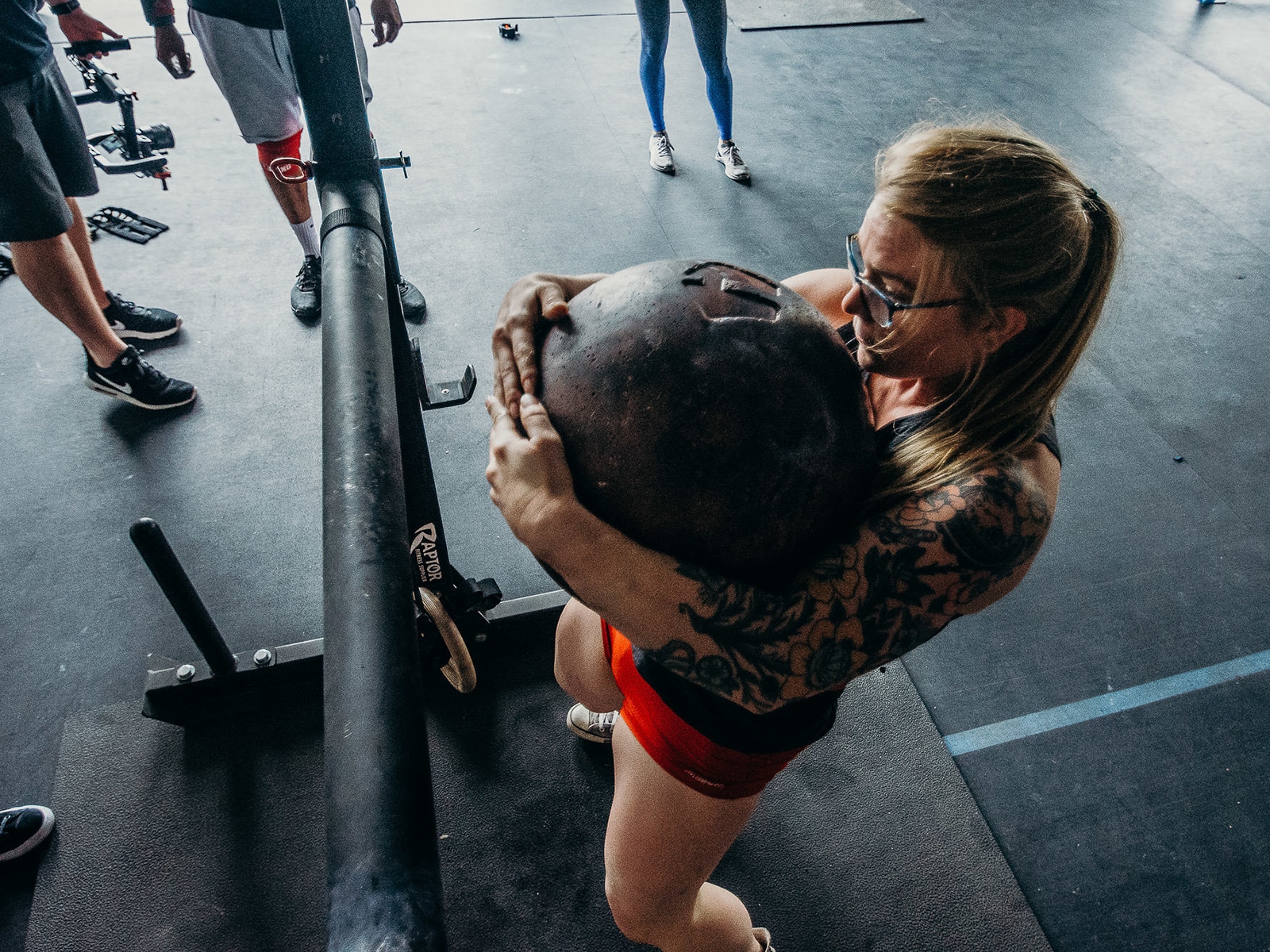
For beginners, stones typically range from 60 kg to 100 kg. The diameter of the stones can vary from 40 cm to 50 cm or more, depending on the weight. Larger diameter stones demand different lifting techniques, as they require more grip strength and balance. As you progress, you may encounter stones weighing up to 180 kg in competition.
Purchasing or Making Your Own Atlas Stones
Atlas Stones can be purchased from strength equipment suppliers. If you’re feeling ambitious, you can also make your own. DIY Atlas Stone creation typically involves using a mold, concrete, and a release agent. Molds can be bought online, and the process takes a few days of curing to create a perfectly round stone for training.
Key Muscles Used in Atlas Stone Lifting
Primary Muscles Activated
Lifting an Atlas Stone activates a wide range of muscle groups. Key areas include:
- Lower Back (Erector Spinae), Hamstrings, and Glutes: These muscles provide the initial lift off the ground.
- Upper Back (Trapezius, Lats), Forearms, and Biceps: These muscles help stabilize and lift the stone during the loading phase.
- Core Stabilization: The abdominals and obliques work throughout the lift to maintain control.
Secondary Muscles
In addition to the primary muscle groups, secondary muscles come into play:
- Grip Strength and Forearms: Maintaining a firm hold on the stone is crucial for control and stability.
- Quads and Calves: These muscles drive the power required to stand up with the stone, especially during the final extension phase.
Proper Technique: The Phases of Lifting an Atlas Stone
Phase 1: The Setup
Proper foot positioning is essential. Start with your feet slightly wider than shoulder-width apart. The stone should be centered directly in front of you, ready to be lifted. A solid stance ensures balance and power.
Phase 2: The Lap Lift
Gripping the stone involves digging your fingers under it, using a wide-arm stance. Roll the stone upward using your legs and lower back, bringing it onto your lap. Once in your lap, hold the stone tight to your chest with both arms, preparing for the next phase.
Phase 3: The Extension/Load
In this final phase, drive with your legs, keeping your core braced as you lift the stone from your lap. Using a combination of lower body power and upper body strength, extend fully to place the stone on a designated platform or simulate loading. Maintain a tight core and controlled movement throughout to avoid injury.
Common Mistakes and How to Avoid Them
Relying Too Much on Upper Body Strength
Many beginners make the mistake of using only their upper body. However, the legs and hips are crucial for generating the power needed to lift heavier stones. Neglecting to use these muscle groups can lead to inefficient lifts and injury.
Incorrect Stance or Foot Positioning
Foot placement affects balance and stability. Feet too close together create an imbalance, while a stance too wide can reduce leg power. Keep your feet slightly wider than shoulder-width for optimal balance and power.
Neglecting Grip Strength
Atlas Stone lifting demands significant grip strength. If your grip is weak, it’s harder to control the stone. Incorporate grip strength exercises such as deadlifts and farmer’s carries to improve your stone control.
Ignoring Breathing Techniques
Breathing correctly during your lift is critical. Exhale during the exertion phase, especially as you lift the stone onto the platform. Proper breathing helps you maintain core stability and prevents unnecessary strain.
Essential Gear for Atlas Stone Lifting
Stone Tacky and Grip Aids
Stone tacky is a sticky substance used to enhance grip on the Atlas Stones, especially as they get heavier. However, beginners should master technique before relying on tacky. Over time, grip aids like chalk can also be useful.
Supportive Clothing and Accessories
Strongman athletes often use accessories like lifting belts, knee sleeves, and wrist wraps to provide support during lifts. Arm guards are recommended to protect the skin from abrasions. Loose but sturdy clothing is ideal, allowing for a full range of motion without restricting movement.
Training Progressions for Beginners
Starting Light: Importance of Form Over Weight
When starting, prioritize form over weight. Use lighter stones to refine your technique before progressing. The principle of progressive overload—gradually increasing weight over time—applies here.
Complementary Exercises
Exercises such as deadlifts, squats, and rows can greatly enhance your performance with Atlas Stones. These compound movements strengthen the key muscle groups involved in lifting, allowing for a smoother transition to heavier stones.
Building Up to Heavier Stones
As your form improves, slowly increase the weight of the stones you’re lifting. Start with smaller diameter stones to build confidence, then transition to larger stones as your strength and technique develop.
Recovery and Injury Prevention
Stretching and Mobility Work
Regular stretching of the hips, hamstrings, and lower back is essential. Mobility exercises focusing on the shoulders and hips improve your range of motion, helping you lift more efficiently.
Post-Training Recovery Techniques
After a tough session, recovery tools like foam rollers or massage guns can help reduce muscle soreness. Epsom salt baths are also excellent for relaxing muscles and reducing inflammation.
Injury Prevention Tips
Prevent injuries by maintaining balanced strength throughout your body. Always listen to your body—if something feels off, rest and avoid pushing through pain.
Mental Strategies for Lifting Atlas Stones
Visualizing the Lift
Before attempting a lift, mentally rehearse it. Visualizing success can improve focus and help build confidence.
Building Grit and Mental Resilience
Atlas Stone lifting requires perseverance. Approach every lift with determination, even when the stones feel challenging. Each successful lift builds your mental toughness.
Breaking Through Mental Barriers
Lifting heavy stones can be intimidating, but you can overcome this by setting small, achievable goals. Progressing gradually allows you to build confidence and break through mental barriers.
Unique Training Tips and Tricks
Stone Over Bar Variations
For added challenge, practice lifting stones over a bar. This mimics competition settings and helps improve explosive power.
Partial Lifts and Holds
Focus on different parts of the lift by incorporating partial lifts, such as lifting the stone only to the lap. You can also practice holds to strengthen your grip and endurance.
Contrast Training
Combining stone lifts with plyometrics (e.g., box jumps) can enhance power output, leading to faster progress in your lifts.
Getting Into Competitions
Finding Local Strongman Events
Interested in competing? Many strength organizations host beginner-friendly Strongman competitions. Online resources can help you find local events.
What to Expect in a Competition
Atlas Stone events typically involve either max weight lifts or timed events, where athletes must lift multiple stones in succession. Familiarize yourself with the event structure and practice accordingly.
Preparing for Your First Competition
Prepare mentally and physically for competition by tapering your training in the weeks leading up. Rest and focus on form to ensure your best performance on competition day.
Conclusion: Your Atlas Stone Journey
Tracking Your Progress
Keep a journal to track your lifting progress. Recording weights, sets, and reps helps you stay motivated and see how far you’ve come.
Long-Term Benefits of Atlas Stone Training
Regular stone lifting will improve your strength, confidence, and overall athleticism. It’s a lift that challenges both mind and body, with significant rewards over time.
Next Steps in Your Lifting Journey
As you progress, start experimenting with other Strongman lifts like the log press or yoke carry. Each new skill adds depth to your strength training journey.
Bonus Section: Fun Facts About Atlas Stones
- The heaviest Atlas Stone ever lifted weighs over 250 kg (550 lbs).
- Atlas Stones are a key event in the annual World’s Strongest Man competition.
- In the Highland Games, natural stones were used before the introduction of concrete Atlas Stones.