Ben Smith is no stranger to success. The 2015 CrossFit Games champion and 11-time Games veteran may be known for his elite fitness, but his true passion now lies far beyond the competition floor.
As the owner and head coach of CrossFit Krypton, Smith is turning his focus to coaching excellence — not just to build better athletes, but more effective coaches.
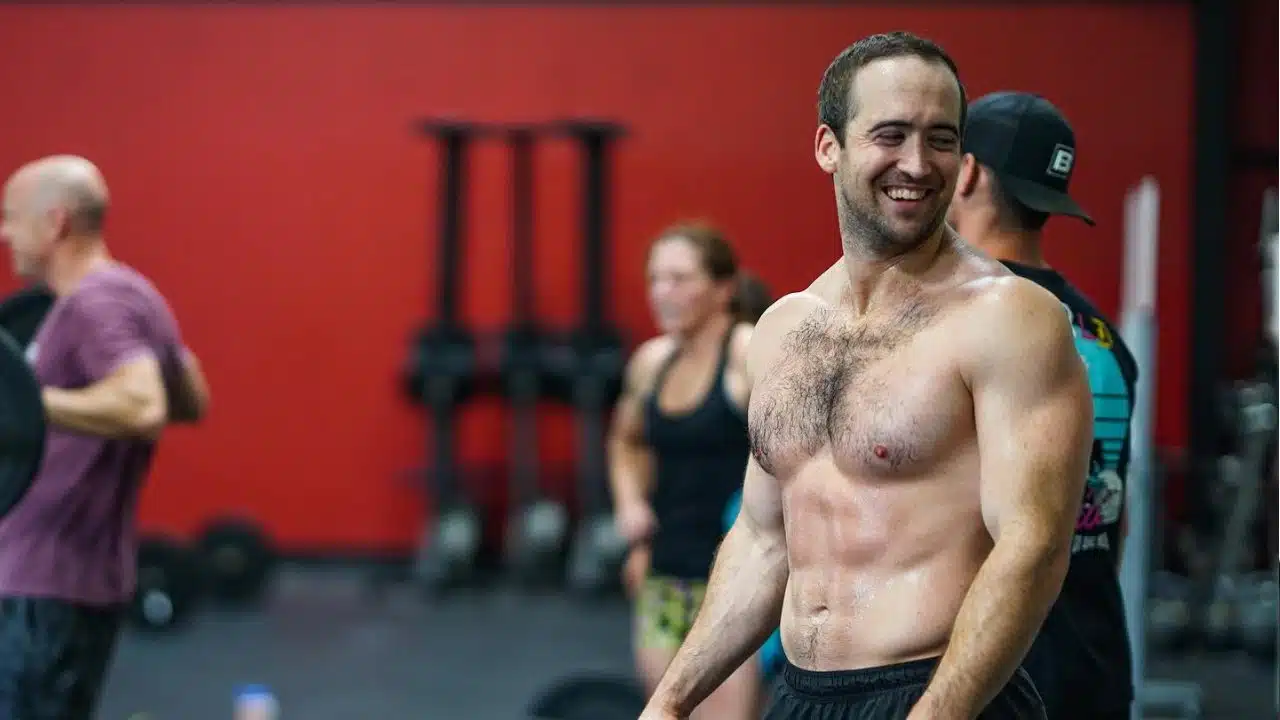
In a recent Level Two Certification course, Smith opened up about why even the most seasoned athletes can benefit from going back to basics, even after years in the game.
What he came away with from the immersive two-day course was more than just technique improvement — it was a mindset shift. Here’s what Smith had to say about coaching, learning, and staying grounded in the fundamentals of CrossFit.
Jump to:
- “I Want to Make People Better” — The Core of Smith’s Coaching Philosophy
- Why a Champion Coach Still Attends the Level Two Course
- Breaking Down Movement: The Power of Simple Progressions
- Revisiting the Fundamentals: Why the Basics Still Matter
- What Makes an Effective Coach?
- Looking Ahead: CrossFit Krypton’s Community Vision
“I Want to Make People Better” — The Core of Smith’s Coaching Philosophy
Despite reaching the pinnacle of CrossFit competition, Smith has always seen fitness as a vehicle for something greater.
“As an affiliate owner and coach, my primary goal is to make people in my gym fit,” Smith explained. “Help them reach their goals without giving up what CrossFit is at its core.”
CrossFit Krypton, which Smith runs in Chesapeake, Virginia, has become a reflection of this mission — a gym where everyday people of all abilities can improve their lives through better movement, strength, and community.
Why a Champion Coach Still Attends the Level Two Course
For those unfamiliar, the CrossFit Level Two Course is a coaching-centric program designed to refine skills, sharpen feedback delivery, and strengthen class management techniques.
Unlike the more introductory Level One certification, the Level Two dives deep into the six criteria of effective coaching — teaching, seeing, correcting, cueing, group management, and presence and attitude.
Smith emphasized the importance of continuing education, even for elite athletes.
“I have not taken a Level Two before,” he shared during the event. “But as a coach, I’m always trying to learn. Why not come try to learn from the best?”
He stressed that being a top-tier athlete doesn’t automatically translate to becoming a world-class coach. The skill sets are different — and not commonly found in the same person.
“It’s not common to be both,” Smith said. “But that’s my goal. That’s what I’m pursuing.”
Breaking Down Movement: The Power of Simple Progressions
During the course, Smith worked on leading instruction for the medicine ball clean — a foundational CrossFit movement involving power and coordination.
Initially, he made a relatable coaching mistake: jumping too quickly from demonstration to full movement without breaking it into manageable learning steps.
“He started with one step of the progression,” said a course instructor, “but then jumped straight to the full movement, which just makes it a little more complicated for people to follow.”
It’s a slip-up many coaches make. But what matters more is how we respond to feedback, and Smith embraced that part fully.
“It’s good to learn to take feedback and then practice it and then get better,” he said. “That’s the only way you’re going to improve.”
Revisiting the Fundamentals: Why the Basics Still Matter
One of Smith’s major takeaways from the course was the value of clarity and structure. Being explicit with cues, setting a strong focus for the class, and drawing athlete attention to specific elements of a movement all help streamline the coaching process.
But perhaps most importantly, it’s about never forgetting the fundamentals. “Courses like this,” Smith said, “are not just a checkbox. It’s not ‘I’ve done it, I’m good.’ It’s how we continue to revisit the basics so we don’t lose sight of them as we grow.”
The Six Criteria of Effective Coaching—A Quick Breakdown:
- Teaching: How well the coach conveys movement patterns to athletes
- Seeing: Ability to spot movement errors during real-time action
- Correcting: Applying solutions to fix movement flaws
- Cueing: Using clear, concise verbal, visual, or tactile directions
- Group Management: Keeping a structured and safe experience for all class members
- Presence and Attitude: Displaying enthusiasm, energy, and authority
Mastering these skills requires intention — and repetition. That’s why the Level Two course emphasizes drilling, practice, and real-time feedback from flowmasters and fellow coaches.
What Makes an Effective Coach?
According to Smith, it’s not just about having the knowledge or being fit.
“You could be a high-level athlete and not be a good coach,” he said. “That’s why I’m working on becoming both — because I believe that’s what our athletes deserve.”
In truth, many long-time coaches risk stagnation without even realizing it. The course instructors echoed this concern:
“We often see affiliate owners who don’t know what they don’t know. They coach in a vacuum — just repeating what they’ve always done.”
By humbling himself and going through the same development process as new coaches, Smith is practicing what he preaches about continuous growth.
Looking Ahead: CrossFit Krypton’s Community Vision
More than creating stronger athletes, Smith wants his gym to produce better people. It’s a commitment to the larger mission of CrossFit — making a measurable difference in everyday lives.
“I want CrossFit Krypton to be a shining example to the world of what CrossFit can do — for young, old, fit, or unfit,” he said. “I just want to continue to grow as a coach, as an affiliate, and as a community.”
That spirit of improvement, humility, and intention is exactly what drives great coaches forward.
Key Lessons from Ben Smith’s Level Two Experience
- Elite athleticism doesn’t guarantee coaching ability — it must be developed
- Simple coaching errors often stem from overcomplication
- Meaningful feedback is essential for personal and professional growth
- Returning to the basics can reignite both passion and effectiveness
- The best coaching creates ripple effects beyond the gym
Whether you’re a new coach, a box owner, or simply a CrossFit athlete looking to give back — take a page from Ben Smith’s playbook: Stay humble enough to learn, and focused enough to lead.