In a recent YouTube video, ATHLEAN-X founder Jeff Cavaliere opened with a deceptively simple question: how are you benching right now?
His focus wasn’t bench angle, tempo, or even load.
Instead, he zeroed in on your wrists.
One small grip tweak, he says, may ease discomfort and let you press more weight.
Curious what the tweak is, and why two forearm bones matter so much? Keep reading.
Jump to:
The Dumbbell Grip Shift That Changes Everything
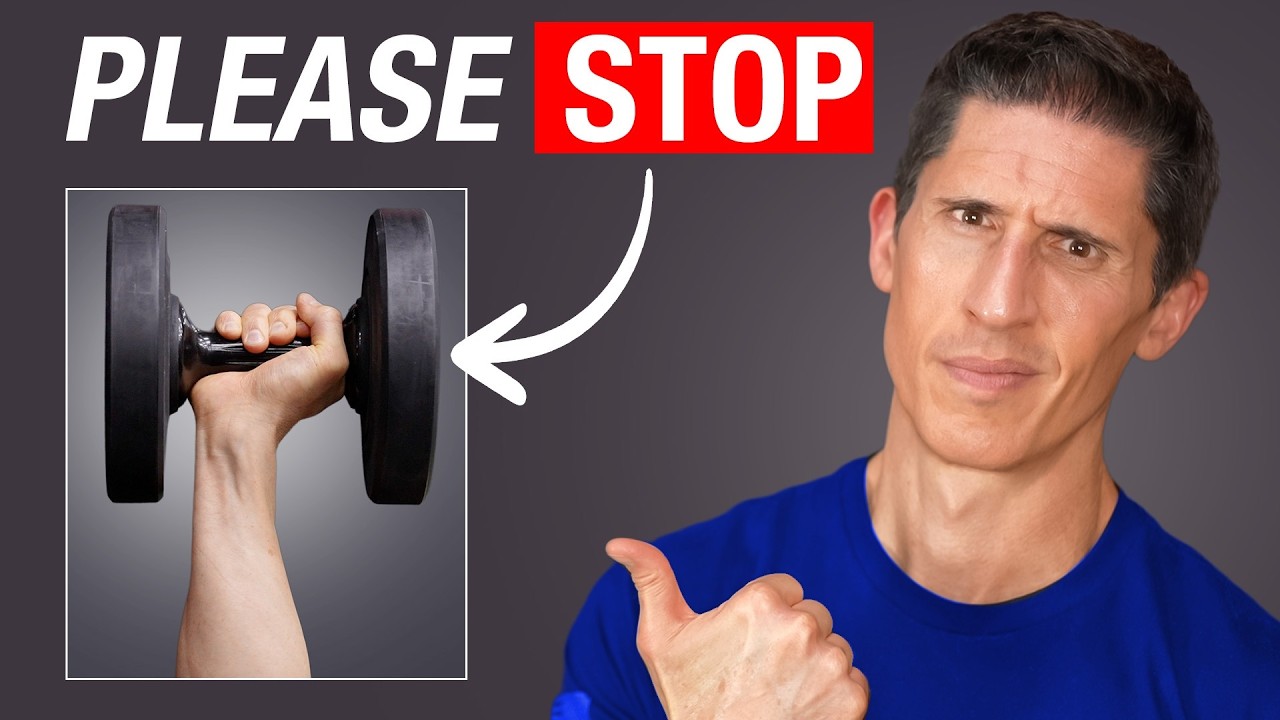
Most lifters grab a dumbbell dead center. Cavaliere suggests moving your hand slightly toward one end instead.
Instead of gripping it traditionally right down the middle of the dumbbell, I want to shift my grip just a little bit to the end.
From there, drive your squeeze through the two fingers on the thumb side. Remaining fingers wrap around for support.
I’m just squeezing as hard as I can through those at the thumb side end of the dumbbell.
Don’t mistake this for a hook grip. Cavaliere is clear: “We’re not pulling anything.”
What You Should Feel
- Hand shifted slightly toward the end of the dumbbell
- Thumb-side fingers doing most of the squeezing
- Remaining fingers wrapped over for support
- Thumb side of the hand sitting a touch higher than the pinky side
That slight tilt is the whole point. Why does it matter? Anatomy holds the answer.
Why Your Forearm Bones Care About Grip
Your forearm contains two bones: the radius on the thumb side and the ulna on the pinky side. They aren’t the same length.
We have a longer radius than an ulna.
Cavaliere explains that when a dumbbell sits flat across the palm, load can jam into the spot where the radius meets the wrist.
It can cause compression at that portion of the wrist where the radius meets the wrist itself.
Pain is one cost. Another is lost strength.
The wrist pain alone is enough to take away some of the weight that you can press there.
The Gap Is Your Friend
Tilting the thumb side up slightly creates breathing room in the joint. Carpal bones still rest on the radius and ulna, but with better mechanical alignment.
The best way to do this is to get a little bit of that gapping here by letting the thumb tilt up just a little bit.
Wrist anatomy and pain tolerance vary from person to person. Sharp or lingering wrist pain deserves a professional’s eyes, not just a grip experiment.
Barbell Bench? Go a Little Narrower
A barbell locks your hands in place, so the dumbbell trick doesn’t translate directly. Cavaliere offers a different fix: adjust grip width.
The wider I go, the more compression I get.
Going narrower, he demonstrates, reduces compression on the radial (thumb) side of the wrist. Don’t swing to extremes, though.
I’m not suggesting you close-grip bench press all the time when you want to bench press.
His recommendation is subtler:
Find the typical width that’s good for you on a bench press and then just go a little narrower than that to help offload some of that strain and compression on that radial side.
How to Test It in Your Next Session
Try both fixes with light loads first, then build up gradually.
- Dumbbells: Slide your grip slightly toward one end.
- Squeeze: Focus pressure through thumb-side fingers, wrapping the rest for support.
- Tilt: Let the thumb side ride a touch higher, creating that small gap.
- Barbell: Start from your usual width, then narrow your hands slightly.
- Progress: Add load only when the wrist feels comfortable and stable.
Cavaliere is confident about results across the board, from lighter sets to heavier work:
Go grab a set of dumbbells and do this.
Small hand adjustments cost nothing. Your next bench session is a perfect testing ground.