Machines have taken over most gyms, but one old-school rear delt move is quietly begging for a comeback.
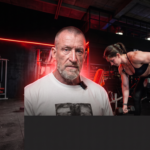
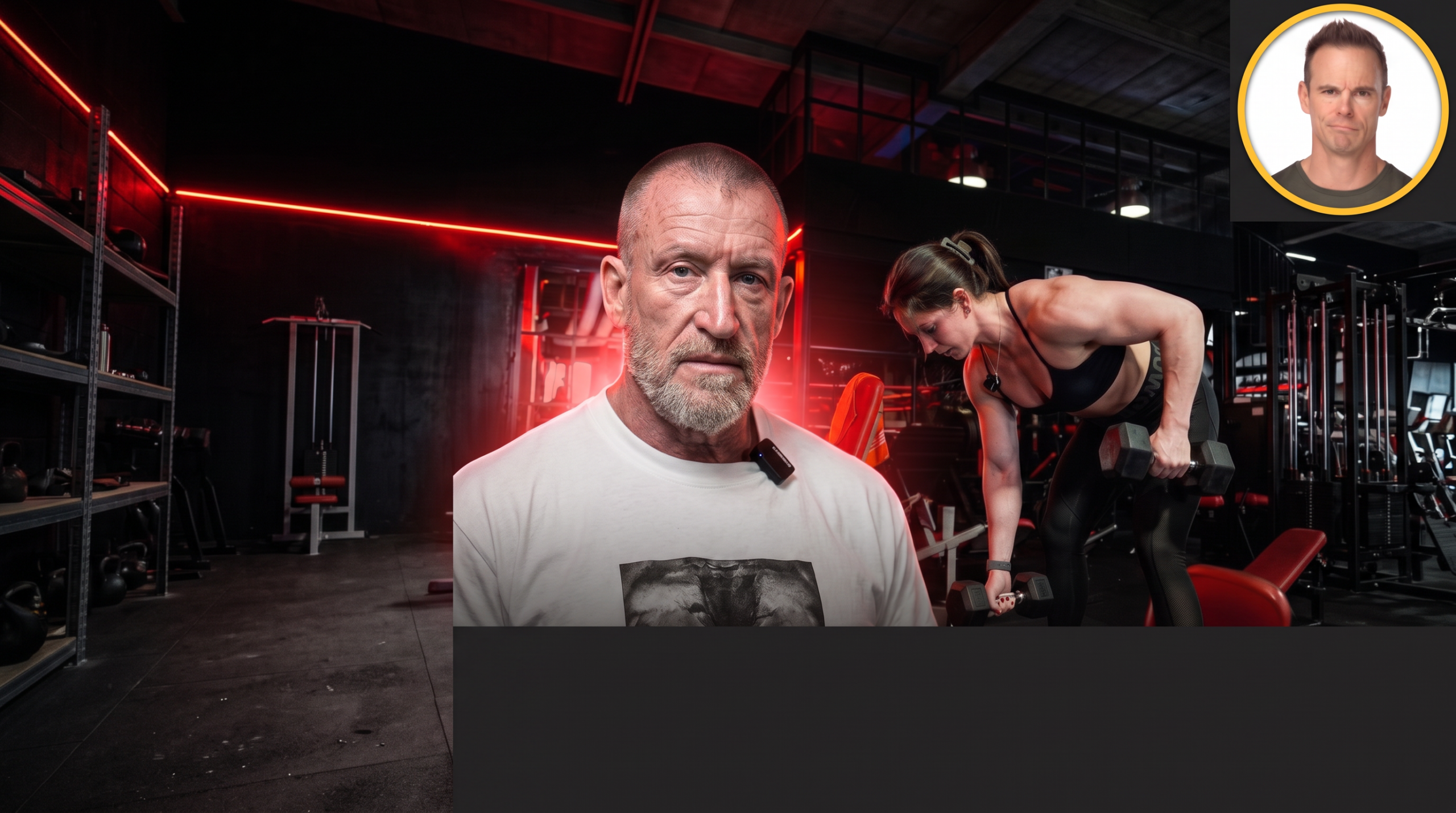
In a recent gym video, a veteran lifter walked his training partner through bent-over raises, a classic that few people bother with anymore.
His verdict on machines versus free weights might surprise you.
Hint: he refuses to pick a side.
Keep reading for setup cues, form fixes, and the smartest way to blend both tools.
Jump to:
Why This Forgotten Shoulder Builder Deserves Another Look
Walk into almost any modern gym and cable stacks and plate-loaded machines get all the love. Dumbbells sit untouched.

If you want something simple that actually works, this is one of the most effective tools I’ve used to build strength, conditioning, and endurance without needing a full gym setup.
- Full-body training with one weight using swings, squats, and presses
- Solid cast iron build that feels stable and lasts for years
- Comfortable grip that makes high-rep workouts easier to handle
I don’t see people doing this anymore because they got machines and cables, right?
His point is simple. Rear delts, the muscles at the back of your shoulders, respond well to a basic dumbbell movement that costs almost nothing.
His training partner, who usually sticks to machines, was game. The reaction? Surprise me.
How to Perform Bent-Over Raises for Rear Delts
Think of this lift as a dumbbell fly flipped upside down. Instead of squeezing arms together in front of your chest, you sweep them out wide behind you.
It’s basically the reverse of a dumbbell fly, if you think about it.
Step-by-step setup
- Hinge at your hips until your torso sits parallel to the floor.
- Grab light dumbbells and let arms hang directly beneath your shoulders.
- Soften your elbows slightly and keep your neck long.
- Raise both weights out to your sides until arms reach roughly shoulder height.
- Pause, squeeze, then lower slowly.
Posture matters here. Standing upright turns this movement into a sloppy shrug.
So, first of all, I’m going to be parallel to the floor. So, I’m not going to be upright.
Need extra support? Use your thighs
Holding a deep hinge fatigues your lower back fast. Lifters with tight hamstrings or cranky backs can borrow a simple trick.
Well, I can even rest a little bit on my thighs if I want to, yeah?
Leaning lightly on your thighs takes strain off your spine and keeps your attention on the target muscles. Think of it as a built-in spotter.
If you want something simple that actually works, this is one of the most effective tools I’ve used to build strength, conditioning, and endurance without needing a full gym setup.
- Full-body training with one weight using swings, squats, and presses
- Solid cast iron build that feels stable and lasts for years
- Comfortable grip that makes high-rep workouts easier to handle
The cue that makes it click
Rep after rep, the coach repeated one command. Squeeze.
Great. Two. Three. Come on, squeeze.
Rear delts are small. Heavy weight and swinging torsos steal tension from them and hand it to your traps and lower back.
- Go light: choose dumbbells you can control for every rep.
- Stay still: no bouncing, no momentum.
- Lead with elbows: imagine pulling hands out wide rather than lifting them up.
- Lower slowly: the descent counts too.
Machines Versus Free Weights: Why Not Both?
Midway through the set, the lifter admitted he feels like an outsider. Everybody around him seems glued to machines.
I see so many people there. All use machine, all machine. And only me know with dumbbells, barbells.
Many coaches would cheer him on. His partner, though, offered something more nuanced.
I think you should use both.
A machine follows its own path
His reasoning is worth remembering. Machines guide every lifter along an identical track, regardless of arm length, shoulder structure, or mobility.
Because a machine follows the path of a machine. Whether you use it, I use it, or Stefan uses it, it’s the same movement.
Free weights follow yours
Dumbbells flip that script. Your body decides the arc, which can feel more natural for some lifters and awkward for others.
If you want something simple that actually works, this is one of the most effective tools I’ve used to build strength, conditioning, and endurance without needing a full gym setup.
- Full-body training with one weight using swings, squats, and presses
- Solid cast iron build that feels stable and lasts for years
- Comfortable grip that makes high-rep workouts easier to handle
A free weight follows your path. We’re all built differently, you know? So, when you lift the free weight, it follows the movement of your body.
Pros and cons side by side
He didn’t crown a winner. He acknowledged that machines bring structure.
Machine is good because it’s controlled. It’s maybe safer. So, there’s advantages and disadvantages with both.
Note his wording: maybe safer. Safety depends on load, technique, and how well a machine fits your frame, so no tool is automatically risk-free.
- Free weights: adapt to your natural movement, demand stabilization, and need only basic equipment.
- Machines: offer a guided path, feel easier to learn, and let you focus on effort without balancing anything.
How to Combine Both in Your Shoulder Day
Rather than choosing sides, borrow strengths from each approach. Here is one practical way to do it.
- Start with dumbbells: perform two or three sets of bent-over raises while you feel fresh and coordinated.
- Finish on a machine or cable: chase extra volume once fatigue makes free-weight form tougher to hold.
- Rotate seasons: swap emphasis every few weeks to keep training interesting.
Beginners may prefer machines first, then graduate to dumbbells as body awareness improves. Anyone dealing with pain or injury should check with a qualified professional before changing their routine.
Takeaway: Old School Still Works
Bent-over raises cost little, take minimal space, and hit muscles that many lifters neglect. Pair them with machine work, and shoulders get variety, control, and challenge in one session.
Dumbbells may look old-fashioned. Results never go out of style.
If you want something simple that actually works, this is one of the most effective tools I’ve used to build strength, conditioning, and endurance without needing a full gym setup.
- Full-body training with one weight using swings, squats, and presses
- Solid cast iron build that feels stable and lasts for years
- Comfortable grip that makes high-rep workouts easier to handle