Cottage cheese is having a moment—and not the sad, diet-food-on-a-plate kind from decades past.
This high-protein powerhouse has been quietly revolutionizing dessert recipes across social media and mainstream food sites alike, thanks to one simple kitchen trick: blending.
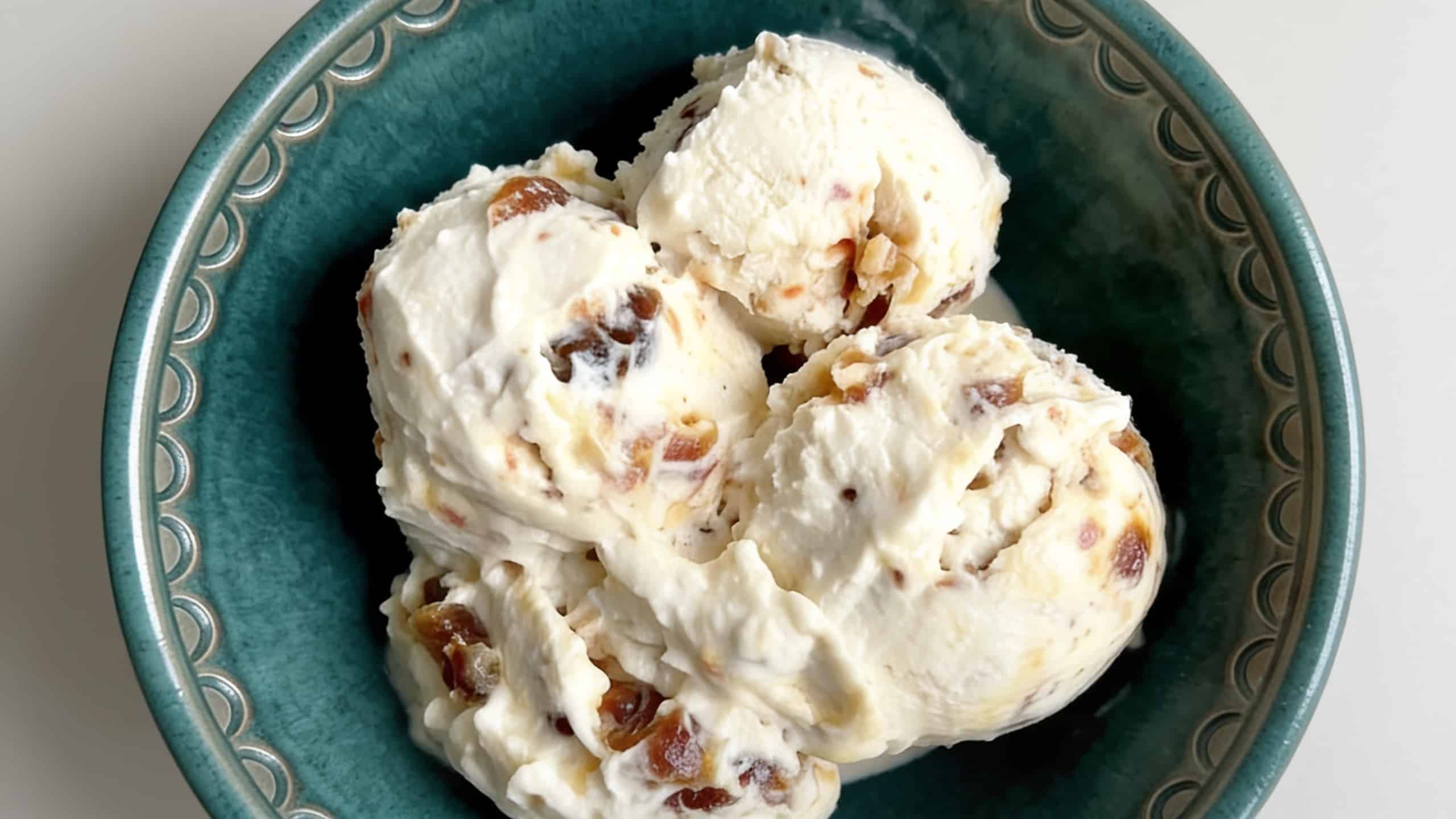
When cottage cheese hits a blender, its lumpy curds break down into a silky, creamy base that mimics cream cheese, mascarpone, or heavy cream—without the fat or calorie load.
The result? Brownies, cheesecakes, and cookie dough that deliver roughly 30 grams of protein per serving while tasting genuinely indulgent.
Registered dietitian Andrea Mathis recently highlighted this trend in a December 2025 Food Network roundup, cementing cottage cheese desserts as more than just a passing fad.
Jump to:
- Why Cottage Cheese Works in Desserts
- From TikTok Trend to Mainstream Staple
- Popular Cottage Cheese Dessert Applications
- How Blending Changes Everything
- Pairing Cottage Cheese with Other Ingredients
- Nutritional Considerations Beyond Protein
- Why This Trend Has Staying Power
- Comparing Cottage Cheese to Other Protein Dessert Options
- Making Your Own Cottage Cheese Desserts
- The Bigger Picture: Cottage Cheese Renaissance
Why Cottage Cheese Works in Desserts
A half-cup serving of low-fat cottage cheese packs approximately 13 to 14 grams of protein—making it one of the most protein-dense dairy products per calorie.
Double that in a recipe, and you’re looking at 25 to 30 grams before adding eggs, almond flour, or any other protein-rich ingredients. For fitness enthusiasts trying to hit daily protein targets without relying solely on shakes and powders, that’s a game-changer.
Beyond protein, cottage cheese delivers calcium, B vitamins, and in some varieties, live probiotic cultures. These nutritional extras elevate it above many traditional dessert bases, which often contribute little more than sugar and saturated fat.
But here’s what makes blended cottage cheese truly special: texture transformation.
When processed in a blender or food processor, cottage cheese’s curd structure breaks down completely. What emerges is a smooth, velvety consistency that can replace cream cheese in cheesecake, heavy cream in pudding, or mascarpone in tiramisu-inspired treats.
From TikTok Trend to Mainstream Staple
Cottage cheese wasn’t always cool.
For decades, it languished as a bland diet food associated with 1970s and 1980s weight-loss culture. Then came social media—specifically TikTok and Instagram—where food creators began experimenting with blended cottage cheese in both sweet and savory applications.
The trend has sustained momentum for over two years now, spanning at least 2023 through 2026. Recipe sites like Skinnytaste, Clean Food Crush, and Haute & Healthy Living have built entire content libraries around cottage cheese recipes, indicating genuine consumer interest rather than fleeting virality.
When Food Network—a mainstream culinary authority—published a roundup authored by a registered dietitian, cottage cheese desserts officially crossed from niche wellness hack to credible kitchen staple.
Popular Cottage Cheese Dessert Applications
Blended cottage cheese shows up in nearly every dessert category imaginable.
- Brownies: Cottage cheese replaces oil or butter, creating fudgy texture with added protein
- Cheesecake: Blended cottage cheese mimics traditional cream cheese filling while cutting calories and boosting protein
- Cookie dough: Edible, high-protein versions use cottage cheese as a base with almond flour and natural sweeteners
- Pudding: Instant chocolate or vanilla pudding gets a protein upgrade when cottage cheese replaces milk
- Key lime bars: Tangy filling made from blended cottage cheese, lime juice, and dates
- Banana bread: Moisture and protein come from cottage cheese instead of oil or sour cream
These aren’t just theoretical recipe ideas. Each application has verified publications from credible food sites, complete with tested measurements and nutrition data.
How Blending Changes Everything
The physical transformation cottage cheese undergoes in a blender is what makes this trend work.
Cottage cheese consists of curds suspended in a small amount of liquid whey. When left intact, those curds create a lumpy, wet texture that most people find off-putting in desserts. Blending mechanically breaks down the curd structure, redistributing the proteins and fats into a uniform emulsion.
Fat content plays a significant role in final texture. Full-fat cottage cheese blends into a richer, creamier base that more closely resembles mascarpone or cream cheese. Low-fat versions still work but may require additional binding agents or fats to achieve comparable mouthfeel.
Fat-free cottage cheese, while highest in protein per calorie, often produces a slightly thinner consistency that works better in puddings or smoothie-style desserts than in baked goods.
Pairing Cottage Cheese with Other Ingredients
Blended cottage cheese rarely stands alone in dessert recipes.
Natural sweeteners like blended dates, maple syrup, or honey are frequently used to avoid refined sugar while maintaining sweetness. Dates, in particular, add fiber and contribute to a fudgier texture in brownies and bars.
Almond flour appears in many cottage cheese dessert recipes, serving dual purposes: it keeps recipes gluten-free while adding extra protein. Combined with cottage cheese, almond flour creates baked goods with significantly higher protein content than traditional wheat flour versions.
Vanilla extract, cocoa powder, and spices like cinnamon help mask any residual tanginess from cottage cheese, though most people report that blending eliminates nearly all of the characteristic “cottage cheese” flavor.
Nutritional Considerations Beyond Protein
While protein content drives much of cottage cheese’s appeal, other nutritional factors deserve attention.
Sodium content in cottage cheese is relatively high compared to other protein sources—often 300 to 400 milligrams per half-cup. For people monitoring sodium intake, low-sodium varieties are available, though they can be harder to find.
Cottage cheese also provides casein protein, which digests more slowly than whey protein. This slower digestion contributes to longer-lasting satiety, making cottage cheese desserts potentially more filling than traditional sweets.
Calcium content varies by brand but typically ranges from 8% to 15% of daily value per serving—a bonus for bone health that most desserts can’t claim.
Why This Trend Has Staying Power
Reframing familiar foods through simple technique changes is a powerful strategy for improving dietary adherence.
When people can eat something that tastes like dessert while checking boxes for protein goals, they’re far more likely to stick with healthier eating patterns long-term. This “dessert that tastes like the real thing” framing appears frequently in public health nutrition communication because it works.
Social media amplifies this effect. Accounts focused on clean eating and high-protein recipes have built massive followings by showcasing cottage cheese desserts that look indulgent in photos and videos. Visual proof that “healthy” food can be genuinely appealing drives both engagement and behavior change.
Unlike many food trends that rely on hard-to-find ingredients or complicated techniques, cottage cheese desserts require minimal equipment (a blender) and use grocery staples. That accessibility contributes to sustained adoption beyond early-adopter wellness enthusiasts.
Comparing Cottage Cheese to Other Protein Dessert Options
Cottage cheese isn’t the only high-protein ingredient showing up in desserts.
Greek yogurt offers similar protein content (roughly 10 grams per half-cup for plain varieties) and also blends smoothly. However, Greek yogurt tends to be tangier and thinner than blended cottage cheese, making it better suited for parfaits and frozen treats than baked goods.
Protein powder delivers concentrated protein but often comes with artificial sweeteners, added flavors, and a chalky texture that requires significant recipe adjustment. Cottage cheese provides whole-food nutrition without those trade-offs.
Silken tofu is another blendable protein source used in vegan desserts, but it contains significantly less protein per serving (roughly 4 to 5 grams per half-cup) compared to cottage cheese.
Making Your Own Cottage Cheese Desserts
Starting with cottage cheese desserts is straightforward.
Choose full-fat or low-fat cottage cheese depending on your texture preferences and calorie goals. Blend it thoroughly—30 to 60 seconds—until completely smooth with no visible curds remaining.
For first-timers, cottage cheese pudding or mousse recipes offer the easiest entry point. These typically require just cottage cheese, cocoa powder, sweetener, and vanilla—no baking involved.
As confidence builds, cottage cheese can replace cream cheese in cheesecake recipes at a 1:1 ratio, or substitute for half the butter or oil in brownie and muffin recipes.
Taste as you go. Some people prefer adding a pinch of salt to enhance sweetness, while others like extra vanilla to mask any lingering tang.
The Bigger Picture: Cottage Cheese Renaissance
Desserts represent just one category in cottage cheese’s broader comeback.
Savory applications have exploded simultaneously—cottage cheese pasta sauces, high-protein dips, scrambled egg mix-ins, and pizza toppings all leverage the same blending technique to create creamy textures without heavy cream or excess cheese.
This multi-category versatility suggests cottage cheese isn’t experiencing a fleeting trend but rather a genuine repositioning in American food culture. What was once relegated to diet plates has become a culinary tool valued for both nutrition and functionality.
Food product developers have taken notice. Grocery stores now stock flavored cottage cheese options, whipped varieties, and single-serve snack cups aimed at younger consumers who discovered cottage cheese through social media rather than 1980s diet books.
For home cooks seeking to increase protein intake without sacrificing flavor or satisfaction, blended cottage cheese offers a practical solution backed by both registered dietitians and viral recipe success stories. Whether you’re hitting fitness macros or simply looking for desserts that don’t trigger an immediate sugar crash, cottage cheese deserves a spot in your blender—and your next batch of brownies.