Cottage cheese is staging one of the most unlikely comebacks in modern food culture.
Once dismissed as bland diet food, it’s now the secret weapon behind viral dessert recipes that deliver serious protein without sacrificing taste.
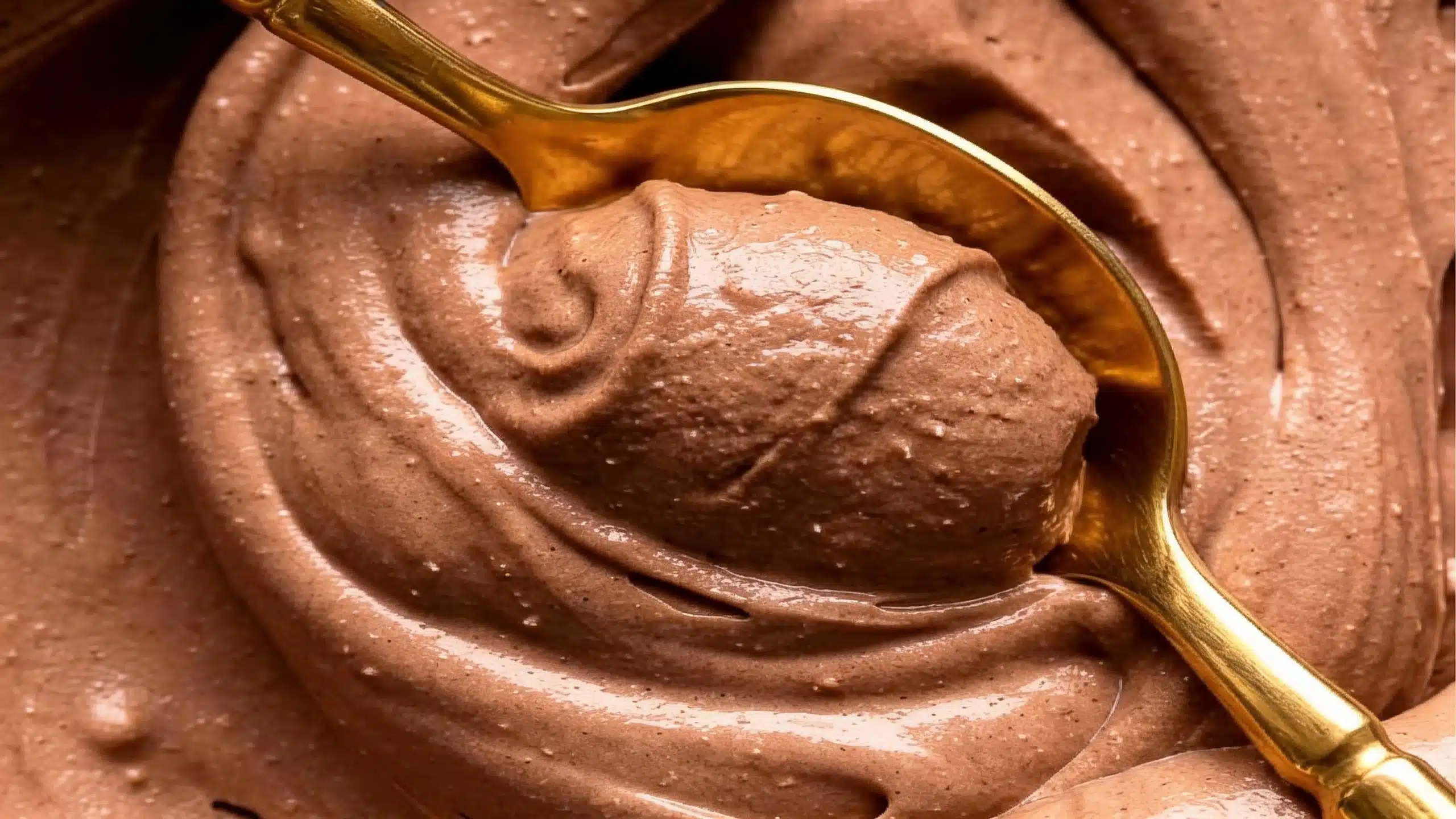
The transformation happens in a blender, where cottage cheese’s telltale curds disappear entirely, leaving behind a smooth, creamy base that absorbs whatever flavors you throw at it.
Five dessert recipes in particular are converting skeptics into believers, each packing roughly 25 grams of protein per serving while tasting indulgent enough to satisfy sweet cravings.
Jump to:
- Why Cottage Cheese Works as a Dessert Base
- Chocolate Cottage Cheese Mousse
- No-Bake Cheesecake Bowl
- Edible Cookie Dough
- Berry Cottage Cheese Ice Cream
- Chocolate Chip Protein Pancakes
- Practical Considerations for Recipe Success
- How These Desserts Fit Into Protein Goals
- Sweetener Options and Their Impact
- The Psychology of “Healthy Desserts”
- Making These Recipes Work Long-Term
Why Cottage Cheese Works as a Dessert Base
The nutritional profile tells part of the story. One cup of low-fat cottage cheese contains 25-28 grams of protein, placing it among the most protein-dense dairy options available. That’s comparable to a large chicken breast, packed into a soft cheese that transforms completely when blended.
Texture is everything here. When cottage cheese hits the blades of a food processor, its curd structure breaks down into a mousse-like consistency that mimics traditional desserts. Multiple recipe testers report the same finding: under chocolate or strong fruit flavors, cottage cheese becomes completely undetectable.
There’s also a metabolic advantage. Cottage cheese contains casein protein, a slow-digesting protein that promotes sustained satiety and supports muscle repair overnight. This makes these desserts particularly valuable as post-workout treats or evening snacks when protein synthesis matters most.
Chocolate Cottage Cheese Mousse
This recipe has become the gateway for cottage cheese converts, and the numbers explain why.
According to documented nutritional data from My Life Cookbook, one serving delivers 243 calories, 25g protein, and just 4g net carbs. The preparation couldn’t be simpler: blend cottage cheese with unsweetened cocoa powder, a sweetener of choice, and optional vanilla protein powder for an extra protein boost.
The result tastes remarkably similar to traditional chocolate mousse but arrives at completely different macros. Where classic mousse relies on heavy cream and egg yolks for richness, cottage cheese mousse gets its body from protein rather than fat.
Full-fat cottage cheese produces noticeably creamier results, though low-fat versions work perfectly fine for those prioritizing leaner nutrition profiles. Refrigerating for at least 30 minutes before serving allows flavors to meld and texture to firm up slightly.
No-Bake Cheesecake Bowl
Traditional cheesecake demands cream cheese, sugar, eggs, and an hour in the oven. This cottage cheese version requires a blender and five minutes.
Blend cottage cheese with cream cheese flavoring drops or vanilla extract, add sweetener to taste, then top with fresh berries or sugar-free jam. Some recipes incorporate Greek yogurt for additional tang, creating a flavor profile closer to New York-style cheesecake.
The protein content remains consistent with other cottage cheese desserts—around 25g per serving when using one cup as a base. Adding protein powder can push totals above 40g, transforming this into a legitimate meal replacement rather than just a snack.
Edible Cookie Dough
Recipe developer Derek Howes of The Protein Chef documented his cottage cheese cookie dough at 22-25g protein per serving across three servings from one cup of cottage cheese plus vanilla protein powder.
The texture lands somewhere between authentic cookie dough and thick frosting. Blending cottage cheese with protein powder, nut butter, vanilla extract, and sugar-free chocolate chips creates a spoonable dessert that satisfies cookie dough cravings without raw egg concerns.
When blended, cottage cheese loses its curd texture and becomes smooth and creamy; multiple recipe testers report the cottage cheese flavor is undetectable under chocolate or other strong flavors.
This particular application benefits from slight under-blending—leaving tiny bits of texture mimics the experience of flour in real cookie dough. Refrigeration firms it up considerably, making it easier to scoop and eat like ice cream.
Berry Cottage Cheese Ice Cream
This recipe helped fuel cottage cheese’s viral moment on TikTok throughout 2022 and 2023.
The method involves blending frozen berries with cottage cheese until smooth, creating soft-serve texture without an ice cream maker. Strawberries, blueberries, and mixed berries all work beautifully, though frozen mango produces particularly creamy results.
Protein content varies slightly based on berry volume, but recipes using one cup of cottage cheese as the base consistently hit 20-25g protein per serving. Some versions add frozen banana for extra creaminess and natural sweetness, though this increases carbohydrate content.
Serve immediately for soft-serve consistency, or freeze for 1-2 hours for scoopable ice cream texture. Unlike commercial ice cream, this version doesn’t contain stabilizers, so it hardens significantly if frozen overnight. Letting it sit at room temperature for 5-10 minutes before serving solves this issue.
Chocolate Chip Protein Pancakes
These pancakes incorporate blended cottage cheese directly into batter, producing exceptionally fluffy results with 6-8g protein per pancake.
Standard recipes combine cottage cheese, eggs, oats or oat flour, baking powder, and vanilla. Blending ensures smooth batter without lumps. Mini chocolate chips folded in before cooking add indulgence without destroying macros.
A three-pancake serving typically delivers 25-30g protein total, making this a legitimate breakfast option rather than just dessert masquerading as morning food. The cottage cheese contributes moisture that keeps pancakes from drying out, even when reheated.
Practical Considerations for Recipe Success
Not all cottage cheese performs equally in these applications. Full-fat varieties produce noticeably creamier desserts thanks to higher fat content that mimics richness in traditional recipes. Low-fat versions work fine but yield slightly thinner textures.
Brand matters less than most people assume. Small-curd cottage cheese blends more smoothly than large-curd, but high-speed blenders eliminate this concern entirely. Budget-friendly store brands work just as well as premium options in blind taste tests.
Storage is straightforward: cottage cheese desserts keep 3-5 days refrigerated in airtight containers. This makes meal prep feasible—blend several servings on Sunday, portion into containers, and grab throughout the week.
How These Desserts Fit Into Protein Goals
Standard protein recommendations range from 0.8 to 1.6 grams per kilogram of body weight daily, with higher targets for athletes and those building muscle. For a 70kg (154-pound) person, this means 56-112g protein daily depending on activity level.
A single cottage cheese dessert contributing 25g protein represents nearly half of baseline requirements or about one-quarter of athletic targets. This positions these recipes as genuine protein sources rather than supplementary treats.
Compared to protein bars averaging 15-20g protein with added sugars and preservatives, cottage cheese desserts offer cleaner ingredient lists with comparable or superior protein content. They also tend to be more satiating thanks to volume and casein’s slow-digesting properties.
Sweetener Options and Their Impact
Recipe success hinges partly on sweetener choice. These options appear most frequently across tested recipes:
- Monk fruit sweetener: Zero calories, no blood sugar impact, slight cooling aftertaste
- Stevia: Zero calories, potential bitterness if over-used, works best combined with other sweeteners
- Maple syrup or honey: Natural options with nutritional benefits, but add 50-60 calories per tablespoon
- Swerve or erythritol: Sugar alcohols that measure like sugar, minimal digestive issues for most people
Those following strict low-carb or ketogenic diets typically opt for monk fruit or erythritol blends. People less concerned with carb counts often prefer honey or maple syrup for flavor complexity and absence of artificial aftertaste.
The Psychology of “Healthy Desserts”
Framing nutritious foods as indulgent treats cuts both ways psychologically.
On one hand, recipes like these remove the deprivation mindset that sabotages many diets. When dessert doesn’t mean nutritional compromise, adherence becomes easier. People can satisfy sweet cravings while actually advancing toward protein targets.
On the other hand, constantly reframing healthy eating as “guilt-free” or “cheat meals” may reinforce problematic food relationships. The language implies that enjoyment requires either guilt or deception—that food must trick you into health rather than being straightforwardly nourishing and delicious.
The healthiest approach probably involves appreciating these recipes for what they actually are: protein-rich foods that happen to taste like dessert, rather than desserts disguised as health food. The distinction might seem semantic, but it shifts focus from restriction to abundance.
Making These Recipes Work Long-Term
Novelty drives initial enthusiasm, but sustained use requires addressing practical barriers.
Invest in a decent blender. Immersion blenders work in a pinch, but high-speed blenders like Ninja or Vitamix produce noticeably smoother results. This matters especially for ice cream variations where texture makes or breaks the experience.
Batch preparation solves weeknight motivation problems. Blending takes three minutes; doing it once for multiple servings requires barely more time than single portions. Portioning into individual containers removes decision-making from tired evenings when willpower runs low.
Rotate flavors to prevent boredom. Chocolate mousse works brilliantly, but so do peanut butter, vanilla with cinnamon, coffee, and pumpkin spice variations. The base stays constant while flavor profiles shift, providing variety without learning entirely new recipes.
Track results honestly. If cottage cheese desserts help you hit protein targets consistently while reducing less nutritious dessert consumption, they’re working. If they become just another food rule adding stress without benefit, they’re not worth the mental energy regardless of macros.
These recipes succeed not because cottage cheese magically transforms into chocolate mousse, but because adequate protein in an enjoyable form supports sustainable eating patterns. That’s the real transformation worth celebrating.