If you’ve been stretching your calves endlessly with little to no lasting relief, you’re not alone. Chronic calf tightness isn’t always about the muscle itself—it’s often a symptom of deeper dysfunction.
In a recent video from the Your Wellness Nerd Youtube channel, we’re given a comprehensive breakdown not only of how to stretch the calves effectively, but how to uncover and fix the root causes behind long-term calf muscle tightness.
Spoiler: your lower back and ankle might be to blame. Here’s what you need to know.
Jump to:
The Real Reason Your Calves Always Feel Tight
Persistent calf tightness is usually not just about muscle fatigue or lack of stretching. Drilling down into the root cause is key to achieving permanent mobility gains.
According to the physiotherapist, one of the biggest hidden contributors to tight calves is lower back dysfunction. Your sciatic nerve originates in the lower spine and runs all the way down your leg—any restriction or stiffness near the nerve’s origin can cause “mechanical tension” that pulls tight on your calf muscles. This explains why traditional stretches may offer only temporary relief.
Another major player? Stiffness in the ankle joint. Not the muscles, but the joint itself. If your ankle doesn’t flex well, your body may compensate by overloading the calf muscles, leading to tightness over time.
How to Instantly Test and Address the Problem
Before jumping into stretches, test your calf tightness. Do a simple calf stretch or check how deep you can squat. Then implement one of these techniques below and retest immediately. If things feel looser without touching your calf—bingo—you’ve found the real culprit.
1. Mobilize the Lower Back with a Foam Roller
Using a foam roller at the base of your rib cage, lie on your back and gently arch backward. To target stiff segments, rotate slightly toward the side that feels tighter.
- Extend over the roller slowly.
- Squeeze your abs and back muscles for 5–10 seconds.
- Relax and let the roller sink in deeper.
Work your way up and down the spine, comparing both sides. By mobilizing spinal joints, you “feed slack” back into the nerve tissue, which can reduce tension in the calves.
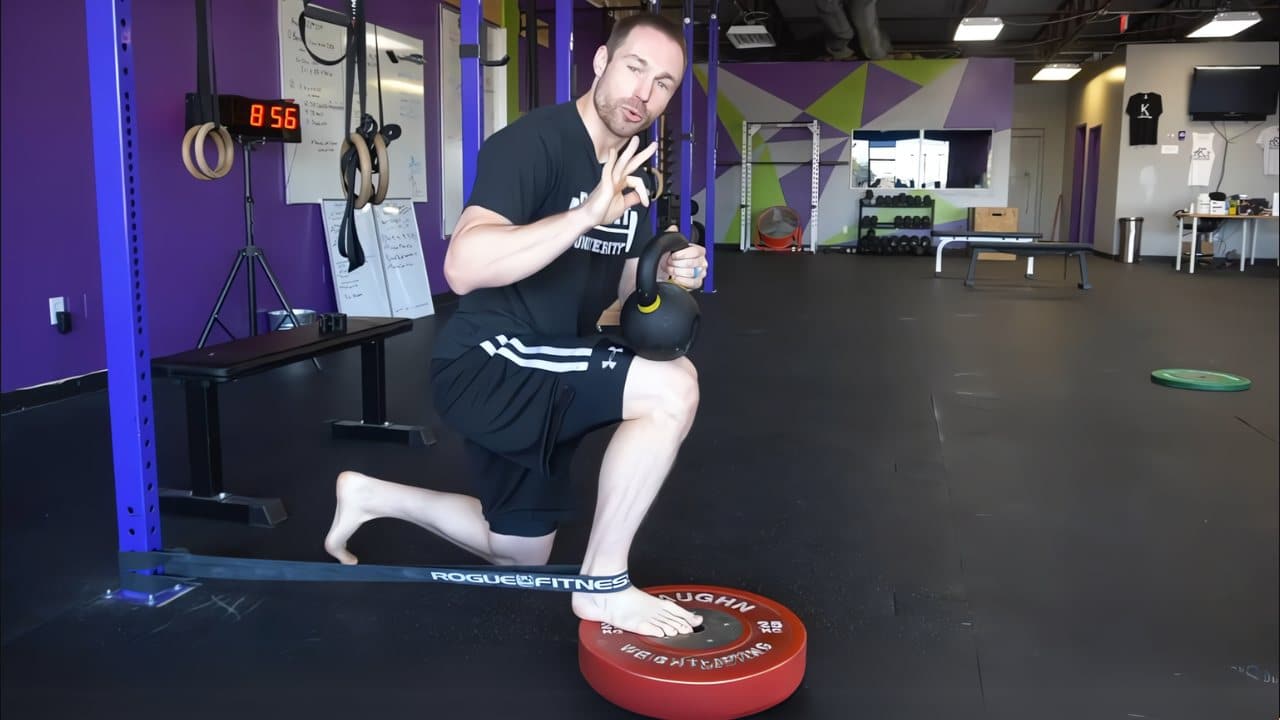
2. Improve Ankle Range with Banded Mobilization
For this, you’ll need a resistance band:
- Anchor the band around a stable post at ground level.
- Place the band just below your ankle bones and step forward into a lunge.
- Drive your knee over your toes while keeping the heel down.
Be strict with form—don’t let your knee collapse inward. Repeat this motion slowly, aiming to reach the true end range of ankle dorsiflexion without cheating.
Advanced Calf Stretches That Actually Work
After getting your back and ankle involved, it’s time to target the calf itself. Here’s how to stretch both layers of the calf structure for optimal results:
3. Stretching the Gastrocnemius (Outer Calf)
- Stand on a step with your heel hanging off.
- Keep your leg straight and drop your heel down.
- Gently rotate your hips from side to side to find the tightest angle.
- Squeeze your calf muscle hard for 5–10 seconds, then relax and let the heel sink deeper.
- Repeat this squeeze-relax pattern a few times.
4. Stretching the Soleus (Deeper Calf Muscle)
- Use the same step setup, but this time bend your knee.
- Let your heel hang down and focus the stretch lower, near the Achilles area.
- Squeeze the soleus, hold, relax, and go deeper.
This contract-relax method engages the nervous system, which helps override the body’s tendency to hold tension in the calf.
Don’t Skip Soft Tissue Work
If you want to go one step further, try targeted soft tissue release using a foam roller or massage ball. Instead of rolling up and down:
- Find a tight, tender spot on the calf.
- Keep pressure on that spot and bend/flex your ankle repeatedly.
- If needed, contract your calf muscle against the roller for 5–10 seconds, then relax and repeat the ankle movement.
This shearing motion can help “liberate” stuck tissues and restore function where traditional rolling might fail.
The Strength Factor: Why Weakness Feels Like Tightness
In some cases, tight muscles are actually weak muscles. The body often compensates by making them feel tight to protect against potential injury.
Add in strengthening exercises like:
- Straight-leg calf raises
- Bent-knee calf raises to hit the soleus
Start with your body weight and progress over time. Stronger calves handle more load, reducing the need for neuromuscular tension.
Long-Term Fix: Correct Your Posture and Daily Habits
Mobility work is only part of the equation. You also need to change the behaviors that caused the dysfunction in the first place.
Postural Triggers for Back Stiffness
If releasing a spinal segment gives you relief, ask yourself: what positions throughout the day are affecting that specific part of your spine? Common culprits include:
- Slouching while sitting at a desk or driving
- Using your phone hunched on the couch
- Cross-legged sitting or leaning to one side
Suggestions:
- Use a cushion or rolled towel to maintain spinal support.
- Sit upright with hips and shoulders stacked.
- Take frequent posture breaks throughout the day.
How Your Shoes Might Be Causing Ankle Stiffness
Meanwhile, ankle stiffness can often be traced back to two sources:
- Sitting too much: Holding your ankles at 90 degrees all day limits joint movement and causes loss of dorsiflexion over time.
- Wearing heeled footwear: Even casual athletic sneakers typically have more heel than forefoot height, reducing natural ankle ROM over time.
To combat this:
- Spend more time barefoot or in minimal footwear (gradually).
- Incorporate deep squats and varied ankle movement into your routine.
Conclusion
Calf tightness doesn’t have to be a lifelong issue. By addressing hidden dysfunctions in the spine and ankle, as well as reassessing how you stretch and strengthen, you can create lasting relief. Don’t just treat the symptom — track down the source. As this video highlights, when you treat your entire body as a connected system, the results can be surprising.
Test, mobilize, reassess. Let the results speak for themselves.