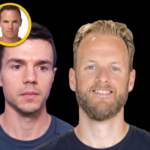
Popular YouTuber Mark Lewis is no stranger to transformation. In his latest video, he openly shares a new chapter in his fitness journey. But this time, he’s taking you along for the ride—whether he triumphs or fails.
Far from a glossy fitness influencer story filled with filters and flexing, Lewis offers refreshing honesty about the challenges of getting back in shape after 50, battling food cravings, and juggling real-life demands. His strategy?
Stick to what’s worked before: focus on food, weights, and running. It’s a relatable roadmap packed with insights no matter where you’re starting from.
Let’s break down his plan—and what makes it different (and refreshing) from most online fitness journeys.
Jump to:
Why He’s Starting Over—Again
Mark Lewis has been through several body transformations over the years. From fit teen working in a gym to overweight adult trying to save a failing marriage with jogging, his health journey has been anything but linear.
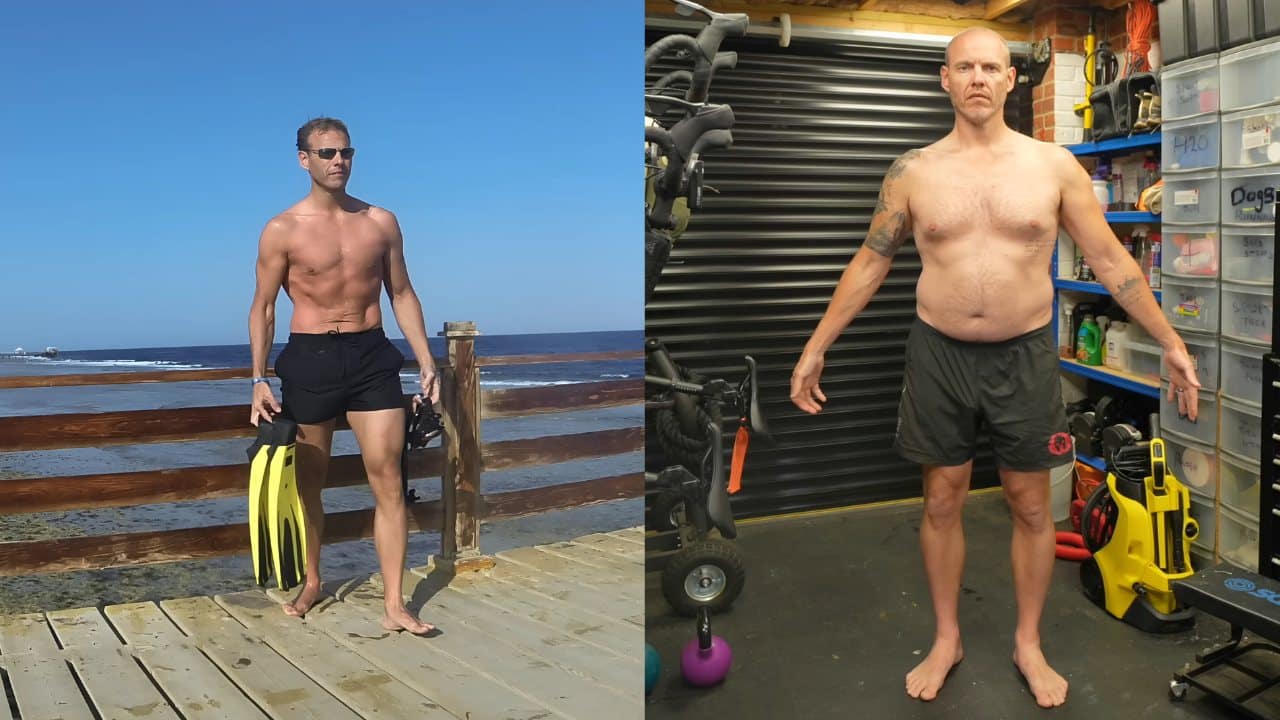
“I have been fit and then fat and then fit again and then fat again and then fit again and now fat again,” he says, summing it up with self-deprecating humor and brutal honesty.
Christmas 2023 marked the most recent turning point—a six-week break from exercise and nutrition that has now extended far longer. Add in a move to a rural property, an overstuffed schedule, and the physical toll of aging, and you have the perfect storm for real challenges ahead.
What’s Different This Time?
- He’s older—now 51.
- He’s dealing with injuries not present in earlier fitness efforts.
- Life on a large rural property is physically demanding but not structured exercise.
- His approach to weight loss no longer includes quick fixes like Mounjaro (though he admits it helped briefly).
The Three-Step Plan: Food, Weights, Running
1. Food: Intermittent Fasting Without the Labels
Eating better tops his list—because, as he puts it, “I could get 80% of what I want health and fitness-wise just by fixing my food intake and then living my regular active lifestyle.”
But rather than protein shakes, diet apps, or restrictive meal plans, Lewis focuses on one simple tactic: delay the first meal of the day.
He’s currently eating in a restricted time window—starting food intake around 2:00 p.m. and finishing in the evening. This style of intermittent fasting (though he avoids buzzwords) helps him stay mindful and avoid early-day snacking triggers.
His Diet Basics:
- No animal products except eggs from his chickens.
- Minimal processed food, mainly whole foods.
- Doesn’t obsess over protein intake.
“It’s not the food types—it’s just: can I nail food input? The rest then just falls into place,” he explains.
2. Weights: A New Addition to an Old Routine
Despite being known for running, strength training is a new priority for Lewis. Aging brings natural muscle loss, and he’s determined to combat it before it impacts his performance and quality of life on the farm.
In fact, for the first time ever, he’s incorporating a structured lifting schedule: four days per week once his new Extreme Fitness rack arrives.
Why He’s Taking Strength Seriously Now:
- Functional strength is crucial for daily life on his property.
- He wants to stay injury-free doing physical tasks.
- He admits that just staying lean by running alone won’t cut it in his 50s and beyond.
Until the rack arrives, he’s doing bodyweight exercises to rebuild basic strength.
3. Running and Cycling: Back to Basics
Running has always been the cornerstone of his transformations—and it’s back on the plan. But unlike his pursuit of competition-level times in the past, this time it’s solely about consistency and enjoyment.
He alternates between running and cycling using a Zwift bike, aiming to reduce joint impact and injury risk.
Where He’s At with Running:
- Currently running 5Ks in ~30 minutes (previous best was 19 minutes).
- Doesn’t stress about distance or pace, only that he gets out there.
- Wears Shokz Open Run Pro 2 headphones for safety and podcast-listening clarity during outdoor runs.
As Lewis puts it, “I simply do not give a [bleep]. I am running for all the reasons I used to run for, and none of the reasons I ended up running for.”
Mindset: No Races, No PRs, Just Results
Another stark shift? He has no interest in events or podiums. This isn’t about proving something to others—it’s about feeling good in his skin again.
“I want to be fitter than average, look better than average, and feel good. That’s it,” he says. “And it will all happen here—or I’ll fail and we’ll have to deal with that somehow. Probably start by selling that bloody mirror.”
That willingness to embrace failure publicly may be one of the most powerful motivators—not only for him, but for viewers who’ve started and stumbled repeatedly too.
What You Can Learn From Mark’s Approach
There’s no one-size-fits-all plan to getting back in shape, especially as life gets more complicated. But Lewis’s strategy offers some universal takeaways:
1. Remove Friction
He’s built a home gym, planned workout times that fit his schedule, and reordered his eating habits to match his preferences. Set yourself up for success by making the right thing the easy thing.
2. Be Honest About Your Weaknesses
Lewis openly admits to food issues, injuries, and low motivation for traditional workouts. Addressing inefficiencies head-on lets you create a plan that actually works long-term.
3. Prioritize Sustainability Over Intensity
There are no all-nighters or extreme bootcamps here. His plan relies on moderate, consistent effort—key for avoiding burnout and injury.
4. Ditch the Ego
Whether he’s struggling through 30-minute runs or skipping mirrors in his gym, Lewis is unflinchingly willing to not measure up to his past. That kind of mindset fosters progress, not shame.
Final Thoughts: Progress Without Perfection
In the world of fitness influencers and perfect physiques, Mark Lewis remains a breath of fresh air. His “food, weights, running” trifecta may not be reinventing fitness—but how he’s approaching it just might. No gimmicks, no miraculous overnight transformations. Just dedication, a plan true to him, and the willingness to be vulnerable online so others know they’re not alone.
Whether you follow the exact methods or just the mindset, there’s something in Mark’s journey worth taking with you.