For Britain’s four-time world champion triathlete Lucy Charles-Barclay, the pasta bowls she devoured before races weren’t fueling her body—they were damaging it from the inside.
The diagnosis that changed everything came in 2024: coeliac disease, an autoimmune condition that turns gluten into an internal attack on her organs.
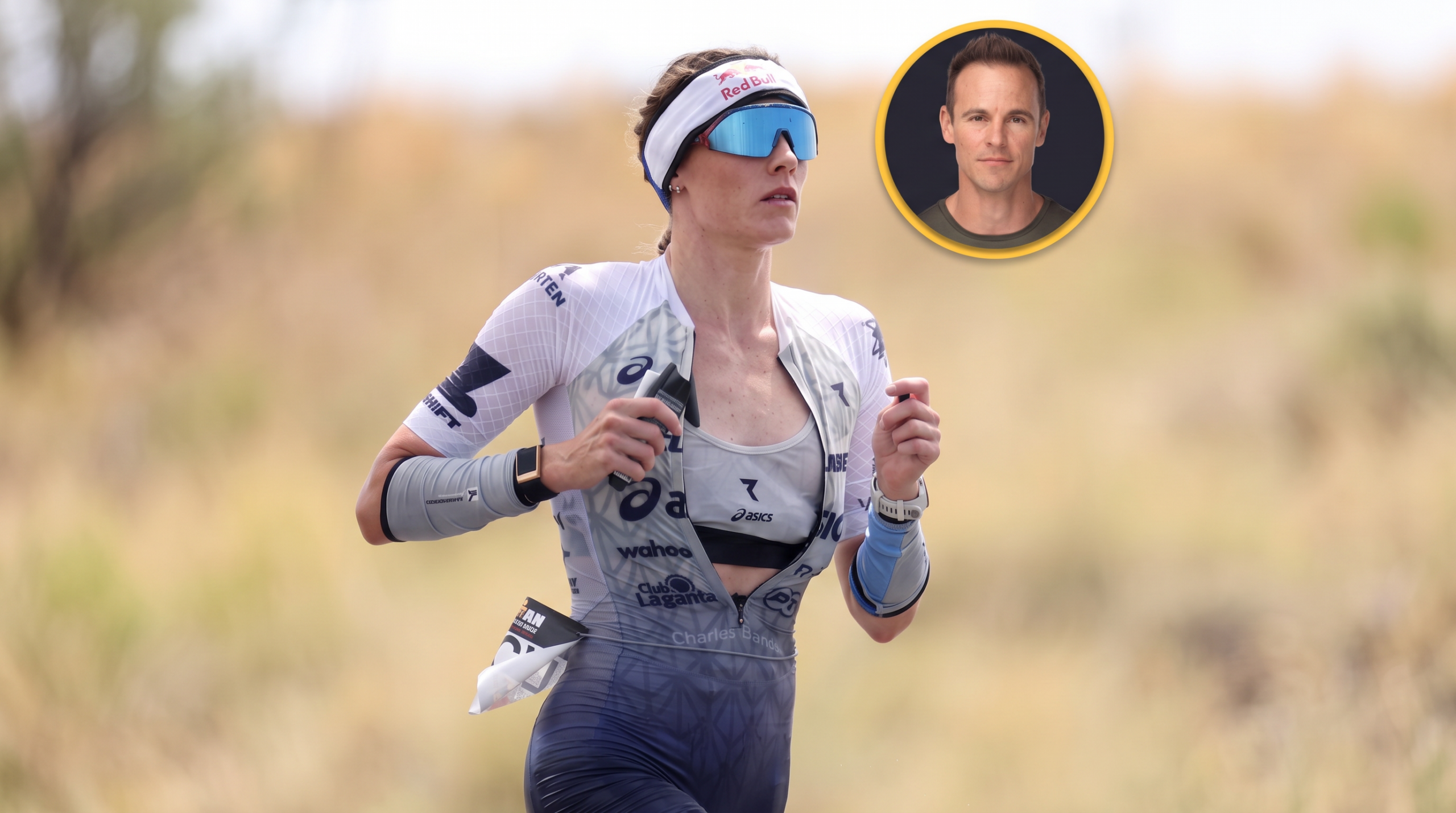
After 30 years of unknowingly consuming gluten, Charles-Barclay finally had an explanation for the mysterious stress fractures, joint pain, and relentless injuries that had plagued her career.
What followed was a complete overhaul of how she fuels one of the most demanding training regimes in endurance sports—and a journey that led her to her second world Ironman 70.3 title in November 2024.
Jump to:
The Brutal Reality of Ironman Training
Training for an Ironman isn’t just intense—it borders on extreme. Charles-Barclay logs 30 hours a week of training, including indoor bike workouts stretching five to six hours.
The 32-year-old competes in the Ironman 70.3, a grueling one-day endurance test featuring a 1.2-mile swim, 56 miles on the bike, and a 13.1-mile half-marathon. Athletes often race for more than four hours in sweltering, humid conditions.
This year, my season opened in Singapore which is one of the most brutal conditions to race in. Even for the swim the water is hot, so you’re basically swimming in a bath before getting out for the biking and running.
Proper fueling is critical. Carbohydrates are the body’s primary energy source during endurance activities, and without adequate carb intake, performance crumbles.
For years, Charles-Barclay followed the standard playbook: carb-loading on pasta, pizza, and bread before races. But those meals weren’t powering her—they were poisoning her.
When ‘Fueling’ Becomes Poisoning
Coeliac disease is an autoimmune disorder where consuming gluten—a protein found in wheat, barley, and rye—triggers the immune system to attack the small intestine. Over time, this damages the intestinal lining and prevents nutrient absorption.
For someone operating at Charles-Barclay’s level, this creates a devastating cycle: train harder, eat more gluten-rich carbs, suffer more damage, experience more injuries.
I was carb-loading on pasta, pizza, all these things that contain gluten. I was almost pre-poisoning myself before going into a massive endurance event.
The damage wasn’t theoretical. In the two years before her diagnosis, Charles-Barclay endured a broken foot during a race, two stress fractures, and two calf muscle tears.
It became a relentless pattern of injury, recovery, and another setback—with no clear explanation.
The Lightbulb Moment
For many athletes, a diagnosis like coeliac disease might feel like a crushing blow. But for Charles-Barclay, it was a revelation.
Getting the coeliac diagnosis was a real lightbulb moment. I think for a lot of people it’s quite upsetting to find out. But for me, it was such a positive change.
After three decades of unknowingly consuming gluten, her body had sustained significant intestinal damage. This explained her inability to absorb nutrients properly—a catastrophic issue for an endurance athlete whose performance hinges on optimal nutrition.
Charles-Barclay immediately eliminated gluten from her diet, cutting out staple carbohydrates and replacing them with gluten-free alternatives. But the transition wasn’t simple.
The Hidden Challenges of Going Gluten-Free
Adapting to a gluten-free diet presents unique obstacles—especially for elite athletes who need massive quantities of carbohydrates.
First, gluten hides in unexpected places: condiments, sauces, and even some sports supplements contain traces of the protein. Reading labels becomes a constant necessity.
Second, gluten-free foods are significantly more expensive. A 2024 report by Coeliac UK found that people with the disease pay 35% more for their weekly shop compared to those without dietary restrictions.
As you can imagine, consuming gluten for 30 years without knowing you are a coeliac will do quite a bit of damage.
Charles-Barclay’s small intestine took approximately a year to heal after she eliminated gluten. During that time, her body slowly regained its ability to absorb nutrients efficiently.
Rebuilding a Champion’s Fuel Strategy
Once Charles-Barclay understood what her body needed—and what it couldn’t tolerate—she developed an entirely new fueling protocol built around gluten-free carbohydrate sources.
Pre-Race Carb-Loading
Three days before a race, Charles-Barclay begins an intensive carb-loading phase. Instead of pasta, she eats multiple bowls of rice daily, paired with chicken and boiled eggs.
I have to eat rice multiple times a day for like three or four days going into the race. By the time I get there, I don’t want to see rice again for a while!
While monotonous, this strategy ensures her muscles are fully stocked with glycogen—the stored form of carbohydrates that fuels intense exercise.
Race-Day Fueling
During competition, Charles-Barclay consumes gluten-free energy gels and aims for up to 120 grams of carbohydrates per hour—a massive intake necessary to sustain hours of high-intensity effort.
She also adds electrolytes from salt tablets to her water bottles, combating the sodium lost through sweat in hot conditions. For additional energy during training and racing, she relies on Red Bull.
The consequences of accidentally consuming gluten are immediate and severe: headaches, bloating, and intense stomach pain that would derail any chance of competitive performance.
Proving the Strategy Works
Charles-Barclay’s gluten-free fueling protocol has delivered results. In November 2024, she claimed her second world Ironman 70.3 title in Marbella, Spain, after what she described as a “tough” period leading up to the race.
She’s now positioned to compete for the T100 Triathlon World Championship at the final race of the season in Qatar on December 12. Heading into that race, she sits third in the standings, just nine points behind the leaders—Canada’s Julie Derron and fellow Briton Katie Waugh.
It’s going to be hot, it’s going to be tough, but it’s going to be a really exciting race.
The final race promises brutal conditions, but Charles-Barclay now knows exactly how to fuel her body for peak performance—even if it means eating rice until she can’t stand the sight of it.
Key Takeaways for Athletes With Coeliac Disease
Charles-Barclay’s journey offers valuable lessons for endurance athletes navigating similar challenges:
- Unexplained injuries may signal underlying health issues: Recurring stress fractures, joint pain, and fatigue can indicate nutrient malabsorption from undiagnosed coeliac disease.
- Diagnosis can be empowering, not limiting: Understanding what’s wrong enables targeted solutions rather than endless frustration.
- Gluten-free doesn’t mean carb-free: Rice, potatoes, quinoa, and certified gluten-free oats provide ample carbohydrates for endurance training.
- Vigilance is essential: Gluten hides in unexpected products, including sports supplements, making label-reading critical.
- Healing takes time: Intestinal recovery can take up to a year, but performance improvements follow as nutrient absorption normalizes.
The Bigger Picture
Coeliac disease affects approximately 1% of the global population, though many cases remain undiagnosed. Athletes face unique risks because their high training volumes and caloric demands can mask or exacerbate symptoms.
Persistent fatigue, digestive issues, and recurring injuries—especially stress fractures—should prompt athletes to consider screening for coeliac disease, particularly if they consume large amounts of gluten-containing foods.
Charles-Barclay’s story demonstrates that diagnosis isn’t the end of an athletic career—it’s the beginning of optimized performance built on understanding your body’s true needs.
For her, replacing pasta with rice wasn’t just a dietary swap. It was the difference between poisoning herself and powering her way to world championships.