Scientists have uncovered something remarkable happening in our bodies around age 35, and it might explain why staying fit feels different as the years go by.
A groundbreaking 47-year study reveals that fitness and strength don’t just gradually fade—they begin a measurable decline at a specific turning point.
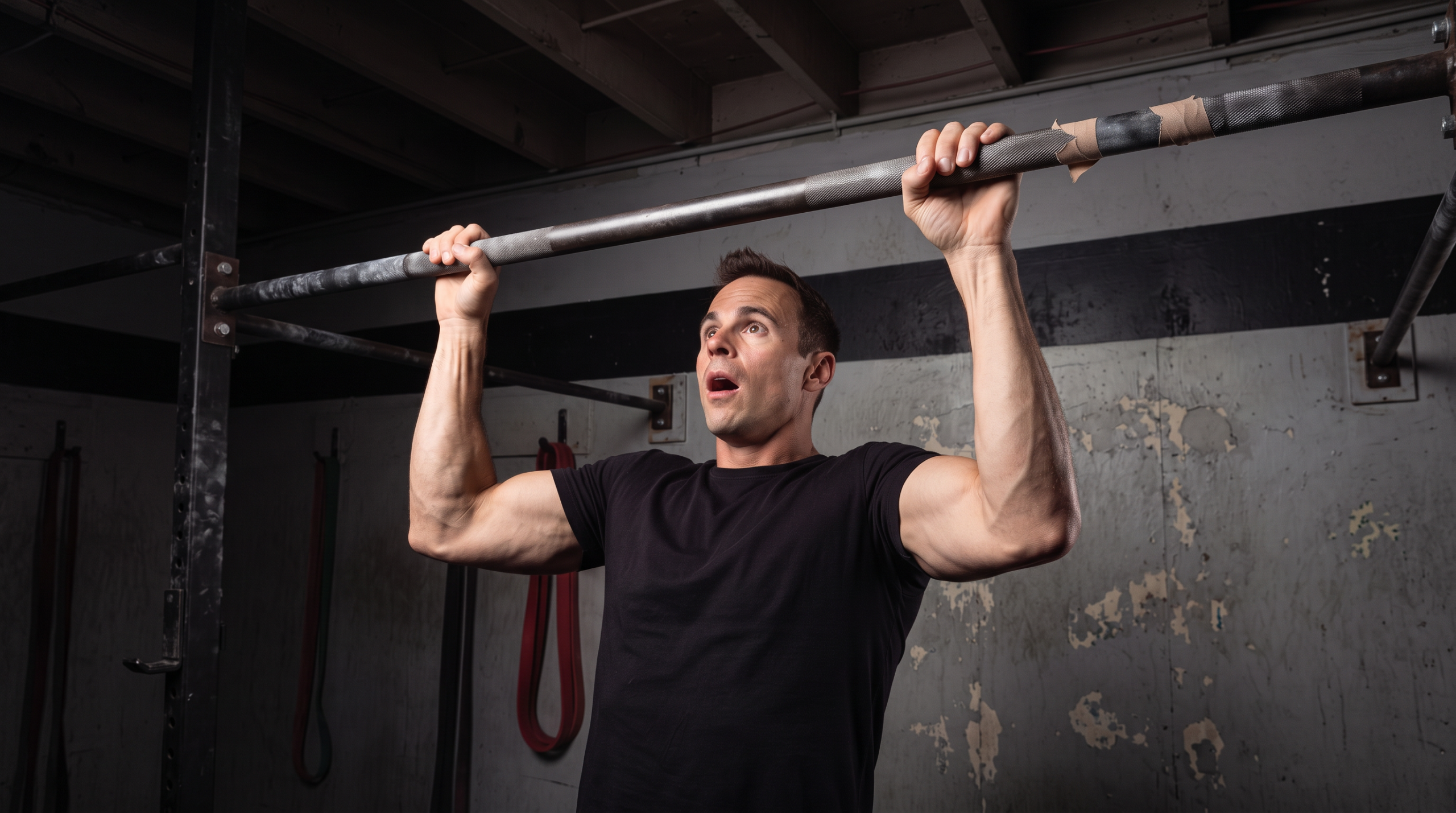
Even among people who exercise regularly, this biological shift accelerates as they age.
The findings challenge conventional wisdom about aging and offer crucial insights for anyone hoping to maintain their physical capabilities well into later life.
Jump to:
- The Surprising Age When Physical Decline Begins
- Why Exercise Can’t Completely Stop the Clock
- Muscle Loss Accelerates Faster Than Expected
- The Critical Role of Strength Training
- High-Intensity Training Offers Unique Advantages
- Starting Early Provides Lasting Benefits
- Beyond Muscle: How Aging Affects the Entire Body
- The MIND Diet Connection to Brain Aging
- Early Warning Signs in Young Adults
- Practical Steps to Counteract Decline
- The Bigger Picture of Healthy Aging
The Surprising Age When Physical Decline Begins
Researchers tracking participants across nearly five decades discovered that age 35 marks a critical threshold where the body begins losing strength and aerobic capacity.
This finding emerged from one of the longest-running fitness studies ever conducted, providing unprecedented insight into how aging affects physical performance.
What makes this discovery particularly striking is that the decline occurs regardless of exercise habits. People who maintained consistent workout routines still experienced measurable decreases in fitness markers starting in their mid-thirties.
The study found that this decline accelerates progressively with each passing decade, creating a compounding effect on physical capabilities.
Why Exercise Can’t Completely Stop the Clock
The research revealed something many fitness enthusiasts find frustrating: regular exercise slows but doesn’t prevent age-related decline.
Active individuals in the study maintained higher absolute fitness levels than sedentary peers, but they still experienced the same downward trajectory over time.
Scientists attribute this phenomenon to fundamental biological changes occurring at the cellular level. Muscle fibers begin shrinking, mitochondrial function decreases, and the body’s ability to utilize oxygen diminishes—changes that exercise can moderate but not eliminate.
However, the practical difference remains substantial. Those who exercised consistently throughout the study reached their 70s and 80s with fitness levels comparable to sedentary people decades younger.
Muscle Loss Accelerates Faster Than Expected
One of the study’s most concerning findings involves sarcopenia—the medical term for age-related muscle loss.
The research showed that muscle mass doesn’t just gradually decrease; it follows an accelerating pattern that becomes more pronounced after age 50.
This muscle loss directly impacts functional independence. Everyday tasks like climbing stairs, carrying groceries, or getting up from a chair become progressively more challenging as muscle strength declines.
The good news? Resistance training emerged as a powerful countermeasure. While participants couldn’t completely halt muscle loss, those who incorporated strength training maintained significantly more muscle tissue than those who focused solely on cardiovascular exercise.
The Critical Role of Strength Training
Separate research published alongside the 47-year study revealed that even one strength training session per week can make a meaningful difference for older adults.
This finding challenges the assumption that preventing age-related decline requires hours of gym time.
- Preserved functional strength: Participants maintained their ability to perform daily activities independently
- Reduced fall risk: Better muscle control and balance decreased injury likelihood
- Improved metabolic health: Muscle tissue helps regulate blood sugar and supports healthy metabolism
- Enhanced bone density: Resistance training stimulates bone formation, countering osteoporosis
Researchers emphasize that the type of exercise matters. While walking and jogging support cardiovascular health, they provide minimal stimulus for muscle preservation.
High-Intensity Training Offers Unique Advantages
A six-month study comparing different exercise approaches uncovered something particularly intriguing about high-intensity interval training (HIIT) for older adults.
Participants who performed HIIT workouts lost body fat while preserving lean muscle mass—a combination that proved elusive with moderate-intensity exercise alone.
The moderate-intensity group actually experienced small amounts of muscle loss despite exercising regularly. This counterintuitive finding suggests that exercise intensity, not just frequency or duration, plays a crucial role in maintaining muscle tissue.
HIIT sessions typically involve short bursts of maximum effort alternated with recovery periods. For older adults, this might mean 30 seconds of brisk walking or cycling followed by 60-90 seconds of easier movement, repeated several times.
Starting Early Provides Lasting Benefits
Research suggests that exercise habits established in childhood and early adulthood create advantages that persist for decades.
Scientists studying lifelong physical activity patterns discovered that people who remained active from youth reached older age with better cardiovascular function, stronger muscles, and healthier metabolic markers.
The biological mechanisms behind this phenomenon involve muscle memory at the cellular level. Muscles that have been trained retain structural changes that make it easier to regain strength even after periods of inactivity.
However, researchers emphasize that it’s never too late to start. Even individuals who begin exercising in their 60s, 70s, or 80s experience measurable improvements in strength, mobility, and overall health.
Beyond Muscle: How Aging Affects the Entire Body
The physical changes starting around age 35 extend far beyond muscle and fitness.
Scientists have documented widespread cellular and systemic alterations that contribute to the aging process:
- Cellular recycling systems behave differently: The body’s autophagy process, which removes damaged cellular components, becomes less efficient
- Brain structure changes: Grey matter volume decreases, though healthy lifestyle factors can slow this process
- Cardiovascular function declines: Maximum heart rate decreases and arterial stiffness increases
- Metabolic efficiency drops: The body becomes less effective at processing nutrients and regulating blood sugar
These changes interact with muscle loss to create compounding effects on overall health and functional capacity.
The MIND Diet Connection to Brain Aging
While physical exercise protects muscles, nutrition plays an equally important role in healthy aging, particularly for the brain.
Research on the MIND diet—a hybrid approach combining Mediterranean and DASH dietary patterns—found that people who followed it more closely showed slower brain shrinkage over time.
The strongest benefits were equivalent to approximately 2.5 years of delayed brain aging. This dietary approach emphasizes leafy greens, berries, nuts, whole grains, fish, and olive oil while limiting red meat, butter, and sweets.
The synergistic effect of combining proper nutrition with regular exercise appears to offer more comprehensive protection against aging than either strategy alone.
Early Warning Signs in Young Adults
Perhaps most alarming, research revealed that cardiovascular aging begins far earlier than many people realize.
A study of 16,000 apparently healthy adults found that more than half showed signs of atherosclerosis—plaque buildup in arteries. Among people aged 18 to 29, approximately 1 in 13 already had detectable arterial plaques.
These findings underscore the importance of healthy habits starting in young adulthood, not just middle age or later.
Practical Steps to Counteract Decline
Armed with these insights, what can individuals actually do? Researchers offer several evidence-based recommendations:
- Incorporate resistance training at least once weekly, progressively increasing intensity as tolerated
- Add high-intensity intervals to cardiovascular workouts, even if just for a few minutes
- Prioritize protein intake to support muscle maintenance and repair
- Stay consistent rather than pursuing extreme approaches sporadically
- Focus on functional movements that mimic real-world activities
Scientists emphasize that the goal isn’t achieving peak athletic performance but rather maintaining functional independence and quality of life.
The Bigger Picture of Healthy Aging
The 47-year study provides crucial context for understanding physical aging, but it represents just one piece of a larger puzzle.
Emerging research continues to reveal new factors that influence how we age—from sleep quality and stress management to social connections and cognitive engagement.
What remains clear is that the choices made in our 30s, 40s, and 50s significantly impact our functional capacity in later decades. While age 35 marks when decline begins, it also represents an opportunity to establish protective habits before accelerated deterioration sets in.
The research offers both sobering reality and empowering possibility: aging is inevitable, but how we age remains substantially within our control.