Popular fitness YouTuber Thomas DeLauer recently dropped a bombshell that challenges everything we’ve been told about fat loss.
In his latest video, he argues that the conventional wisdom around calories and cardio has been misleading us for decades, keeping people trapped in cycles of over-dieting and excessive exercise.
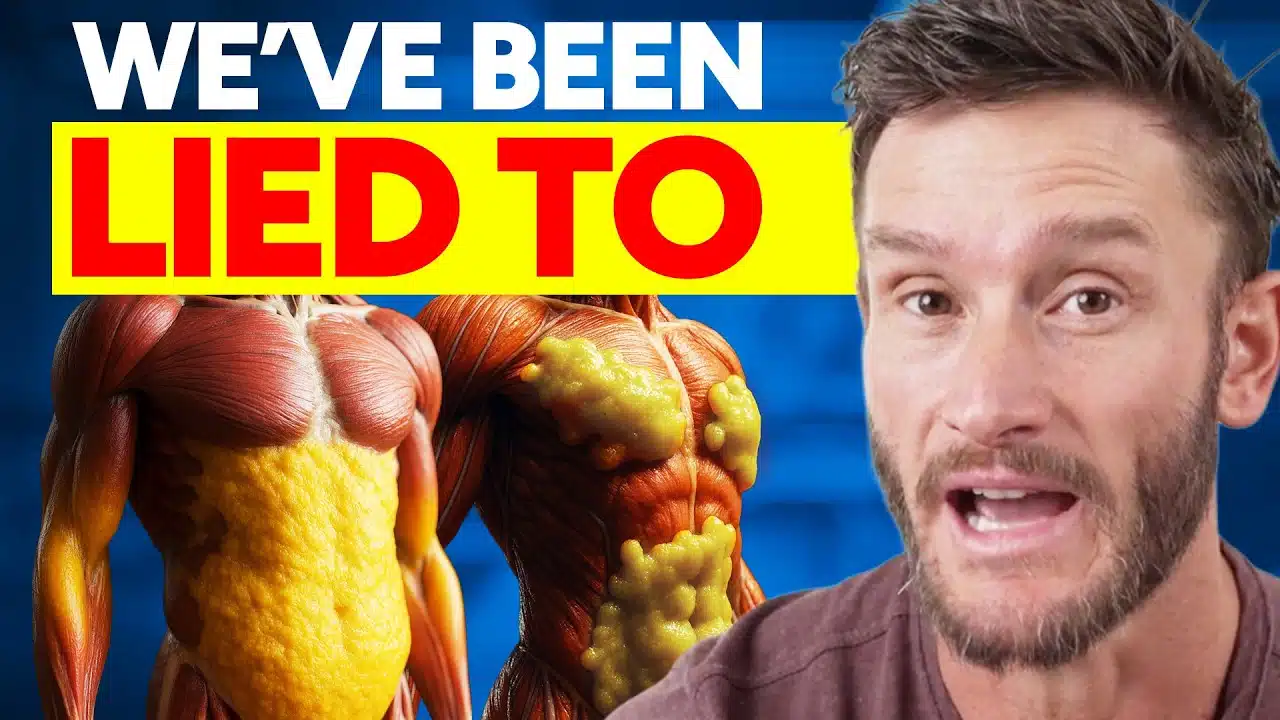
The real culprit? Not hitting our daily protein targets—a biological need so fundamental that our bodies will keep us ravenously hungry until it’s met.
And here’s the kicker: that protein target increases dramatically after cardio, which means your post-workout routine might actually be sabotaging your fat loss goals.
Jump to:
The Protein Leverage Hypothesis: What We’ve Been Missing
DeLauer points to research dating back to 2005 showing that both animals and humans will continue eating until their protein needs are satisfied. This isn’t simply about protein being filling—it’s a deeply embedded biological imperative.
We need to get about 0.6 g of protein per pound of body weight just to turn the signal off. That’s not our daily needs to build muscle and have protein. That’s just to turn this system off.
The hypothalamus—the control center in our brain—receives signals about whether we’ve met our protein requirements. Until that threshold is reached, hunger persists.
This means you could be eating plenty of calories from carbohydrates and fats, but your body will keep demanding more food until adequate protein arrives.
Why Cardio Might Be Working Against You
Here’s where things get interesting—and potentially frustrating for cardio enthusiasts.
According to research published in the American Journal of Clinical Nutrition, high-intensity interval training, vigorous cardio, and intense weight training all increase muscle protein turnover. While muscle turnover itself is beneficial for adaptation and growth, it has an unexpected side effect.
Your protein target temporarily increases.
So you go to the gym, you bust your butt and do a lot of cardio like you’re supposed to and you burn fat, right? Okay. But what they didn’t tell you is that your protein target has temporarily changed.
DeLauer explains that most people have been conditioned to think protein only matters for resistance training. Consequently, after cardio sessions, people often wait hours before consuming protein—all while their appetite intensifies because their body is desperately signaling for more protein.
You end up eating more carbs and fats trying to satisfy hunger that won’t quit until protein arrives.
The Post-Workout Protein Solution
DeLauer offers specific strategies to counteract this protein-driven hunger spiral.
Immediately After Exercise
Consider taking essential amino acids right after training. These can help signal your body that protein needs are being addressed, acting as a buffer against runaway appetite.
Within One Hour Post-Workout
Combine whey protein with collagen protein. This dual approach addresses two different repair processes:
- Whey protein stimulates muscle protein synthesis
- Collagen protein supports connective tissue repair in ligaments and tendons
DeLauer emphasizes that these proteins work through different mechanisms. Collagen specifically helps repair connective tissue that gets stressed during exercise—tissue that also sends signals contributing to appetite.
We’re designed to be getting all the meat in the gristle. So, if we’re missing something important, we’re going to eat until we get it.
It’s Not Just Protein: The Calcium Connection
DeLauer reveals emerging research showing that calcium works similarly to protein in regulating appetite. Both the hypothalamus and liver sense calcium levels, keeping hunger elevated until adequate amounts are consumed.
Excellent calcium sources include:
- Dairy products (yogurt, cottage cheese)
- Whey protein
- Sardines with bones
- Fortified foods
Furthermore, calcium and other minerals appear to impact leptin resistance and signaling—hormones critical for regulating hunger and metabolism.
Rethinking the Calorie-First Approach
DeLauer doesn’t dismiss calories entirely, but argues we’ve been prioritizing them incorrectly.
I’m not saying that calories aren’t important, but I am saying we haven’t been told the full story. In many ways, we’ve been lied to by omission because this is more important. I will die on that hill.
His position: nutrients should be in the driver’s seat, with calories as passengers. When protein, minerals, and micronutrients are prioritized first, calorie intake naturally regulates downward because biological hunger signals are satisfied.
Low-fat, processed foods stripped of nutrients leave people perpetually hungry despite adequate calorie consumption. The body keeps searching for what it needs.
A Practical Daily Eating Framework
DeLauer outlines a simple daily structure designed to align with these biological principles:
Breakfast
Start with eggs and ground beef. This front-loads protein early, helping shut off hunger signals for hours. Ground beef provides not just protein but also minerals and fat-soluble vitamins.
Post-Workout
Essential amino acids immediately after training, followed by whey and collagen protein within an hour.
Lunch
Higher protein with moderate fat. Continue building on morning protein intake to maintain satiety.
Dinner
Lean protein with higher carbohydrates. This counterintuitive approach serves two purposes: it promotes better sleep, and because protein needs were met earlier, carbohydrate cravings are naturally reduced.
Mark my words, because the hypothalamus is not telling you you need to eat more. This is one of the simplest hacks that we could possibly know.
The Bigger Picture: Whole Foods Over Processing
DeLauer’s framework naturally steers toward whole, minimally processed foods rich in protein, minerals, and fat-soluble vitamins—nutrients often found together in quality animal products.
Ground beef, liver, whole eggs, and bone-in fish provide comprehensive nutrition that satisfies multiple biological requirements simultaneously, rather than leaving gaps that trigger continued eating.
The message is clear: quality matters more than quantity. Focusing obsessively on calorie restriction while ignoring nutrient density creates a biological environment that makes sustainable fat loss nearly impossible.
By understanding how protein targets shift with exercise and prioritizing nutrient-dense foods that satisfy fundamental biological needs, individuals can work with their bodies rather than against them—potentially ending the frustrating cycle of dieting and over-exercising that has dominated fitness culture for decades.