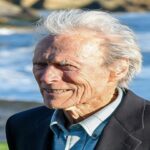
Clint Eastwood recently retired at 96 after more than seven decades in Hollywood, leaving behind one final lesson that has nothing to do with filmmaking.
His philosophy on aging boils down to four simple words: “Don’t let the old man in.”
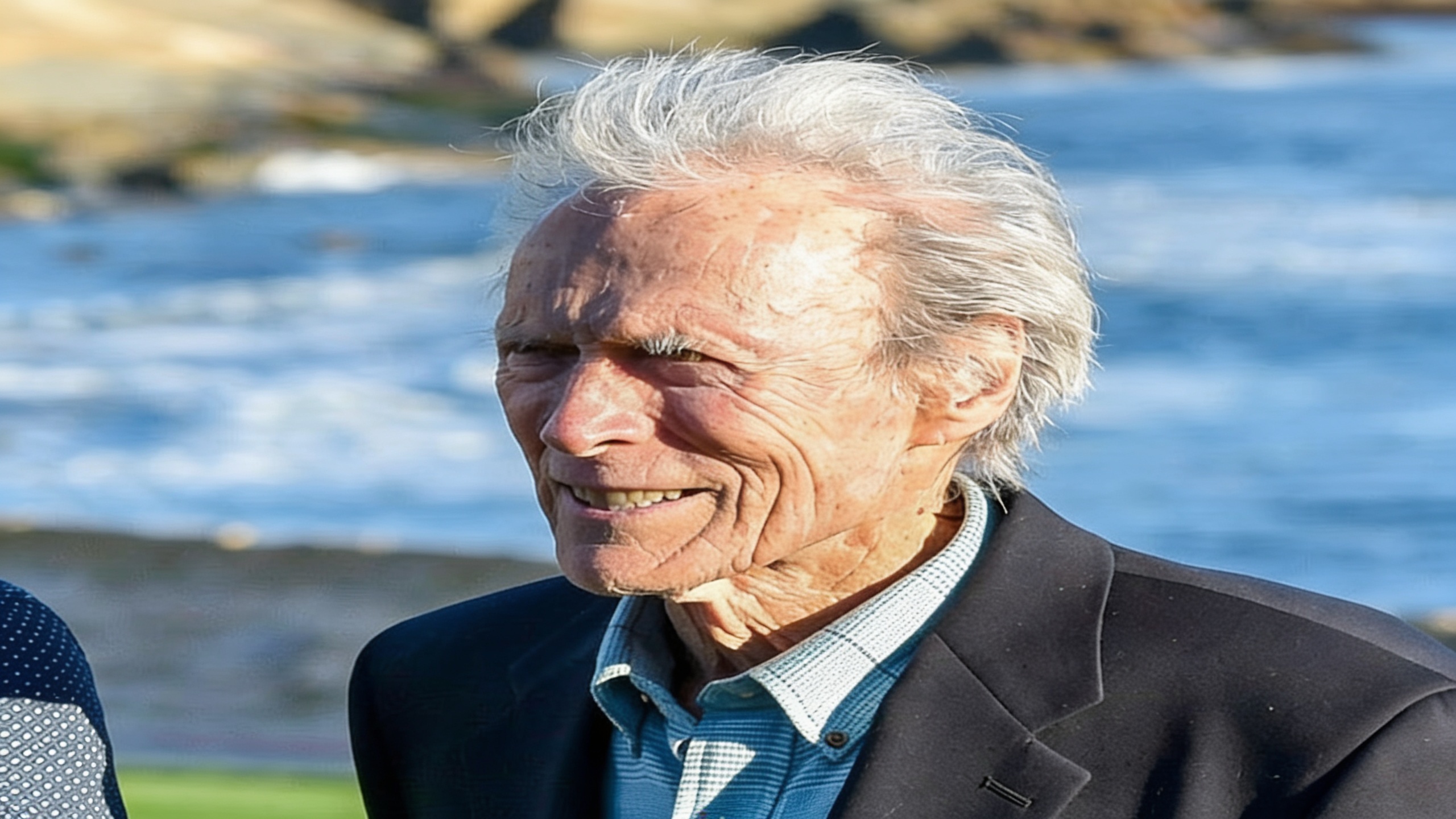
It’s a mantra born from a casual conversation with country legend Toby Keith back in 2018, but it encapsulates decades of Eastwood’s approach to staying active, productive, and engaged well past the age most people consider retirement.
And science increasingly suggests he might be onto something profound about how we age—and why some people seem to defy it.
Jump to:
- The Origin of a Four-Word Philosophy
- A Career That Refused to Wind Down
- The Daily Routine That Kept Him Going
- What Science Says About Purpose and Longevity
- The Psychology of “Letting the Old Man In”
- When Retirement Becomes Risky
- Practical Lessons From Eastwood’s Approach
- Challenging Age Bias in Work and Culture
- The Cultural Impact of Four Words
- What Happens When Purpose Disappears
- A Final Act Worth Studying
The Origin of a Four-Word Philosophy
The phrase “Don’t let the old man in” emerged during filming of The Mule, which Eastwood directed and starred in at age 88.
Toby Keith asked Eastwood how he managed to stay so vital and active in his late 80s. Eastwood’s response was characteristically direct: he simply got up every day and did something.

If you want something simple that actually works, this is one of the most effective tools I’ve used to build strength, conditioning, and endurance without needing a full gym setup.
- Full-body training with one weight using swings, squats, and presses
- Solid cast iron build that feels stable and lasts for years
- Comfortable grip that makes high-rep workouts easier to handle
Keith found the answer so powerful that he wrote a song titled “Don’t Let the Old Man In,” which played during the film’s closing credits and became synonymous with Eastwood’s life philosophy.
Don’t let the old man in.
The mantra reflects Eastwood’s belief that age should never dictate what someone believes they’re still capable of doing.
A Career That Refused to Wind Down
Most Hollywood careers peak and fade within a few decades. Eastwood’s lasted more than 70 years.
Born May 31, 1930, Eastwood rose to fame in the 1960s through Sergio Leone’s Spaghetti Western trilogy. He later became one of cinema’s most respected directors with films like Unforgiven, Million Dollar Baby, Gran Torino, and American Sniper.
While peers retired or slowed down in their 70s and 80s, Eastwood kept directing into his 90s. According to No Film School, he officially retired in June 2026 at age 96—making him one of Hollywood’s oldest active filmmakers in history.
His productivity wasn’t just remarkable for someone his age. It was remarkable, period.
If you want something simple that actually works, this is one of the most effective tools I’ve used to build strength, conditioning, and endurance without needing a full gym setup.
- Full-body training with one weight using swings, squats, and presses
- Solid cast iron build that feels stable and lasts for years
- Comfortable grip that makes high-rep workouts easier to handle
The Daily Routine That Kept Him Going
Eastwood’s approach since his late 50s has centered on one principle: confront fatigue and aging by getting up and doing something productive each day.
No elaborate morning routines or exotic supplements. Just consistent action.
He maintained lifelong habits including regular exercise, structured daily routines, and continuously taking on new creative projects. These aren’t just personal quirks—they’re behaviors that longevity research consistently identifies as protective factors against cognitive decline and physical deterioration.
Eastwood’s philosophy suggests that staying engaged isn’t optional for healthy aging. It’s essential.
What Science Says About Purpose and Longevity
Research from institutions like Mayo Clinic and studies published in The Lancet and JAMA support Eastwood’s intuitive approach.
Individuals who maintain strong senses of purpose and stay mentally and physically active tend to live longer, healthier lives. Purpose acts as a buffer against depression, cognitive decline, and even physical disease.
If you want something simple that actually works, this is one of the most effective tools I’ve used to build strength, conditioning, and endurance without needing a full gym setup.
- Full-body training with one weight using swings, squats, and presses
- Solid cast iron build that feels stable and lasts for years
- Comfortable grip that makes high-rep workouts easier to handle
Key research findings include:
- People with high life purpose show reduced mortality risk across multiple studies
- Continued cognitive engagement helps maintain neural plasticity in older adults
- Physical activity remains one of the strongest predictors of healthy aging
- Social connection and meaningful work protect against age-related decline
Eastwood essentially lived out what researchers have spent decades documenting: aging well requires staying in the game.
The Psychology of “Letting the Old Man In”
Eastwood’s phrase captures something psychologists call self-perception of aging—how beliefs about getting older influence actual health outcomes.
People who view aging negatively or accept limitations based on chronological age often experience worse health trajectories. Those who maintain positive aging attitudes tend toward better physical function and longer lives.
By refusing to “let the old man in,” Eastwood rejected cultural scripts about what 80-year-olds or 90-year-olds should be capable of doing. He decided capability based on what he could actually do—not what his birth certificate said.
This mindset shift may sound like positive thinking, but research suggests it has measurable biological effects on inflammation, cardiovascular health, and even cellular aging.
If you want something simple that actually works, this is one of the most effective tools I’ve used to build strength, conditioning, and endurance without needing a full gym setup.
- Full-body training with one weight using swings, squats, and presses
- Solid cast iron build that feels stable and lasts for years
- Comfortable grip that makes high-rep workouts easier to handle
When Retirement Becomes Risky
Traditional retirement—full stop at 65, endless leisure—can accelerate decline for some people.
Studies show that abrupt retirement without replacement activities correlates with increased depression, faster cognitive decline, and even higher mortality rates. The issue isn’t retirement itself but loss of structure, purpose, and engagement.
Eastwood’s career illustrates an alternative model: phased engagement that maintains purpose without burning out. He kept directing because filmmaking gave him reason to get up, think creatively, solve problems, and collaborate with others.
That kind of ongoing engagement appears protective—especially when it’s chosen rather than obligatory.
Practical Lessons From Eastwood’s Approach
Most people won’t direct films into their 90s. But Eastwood’s philosophy translates beyond Hollywood.
Actionable takeaways include:
If you want something simple that actually works, this is one of the most effective tools I’ve used to build strength, conditioning, and endurance without needing a full gym setup.
- Full-body training with one weight using swings, squats, and presses
- Solid cast iron build that feels stable and lasts for years
- Comfortable grip that makes high-rep workouts easier to handle
- Find purpose daily: Identify activities that give you reason to get up each morning
- Stay physically active: Regular movement protects both body and brain
- Keep learning: Take on new projects, skills, or creative challenges
- Maintain structure: Routines provide scaffolding for sustained engagement
- Reject age limits: Don’t accept cultural scripts about what your age “should” be doing
- Stay socially connected: Meaningful relationships and collaboration matter for longevity
These aren’t complicated interventions. They’re choices about how to structure days, weeks, and years.
Challenging Age Bias in Work and Culture
Eastwood’s late-career productivity challenges widespread age bias in entertainment and beyond.
Society systematically underestimates what people in their 80s and 90s can contribute. Workplaces push people out. Cultural narratives frame aging as decline rather than continued development.
But figures like Eastwood, Norman Lear (who worked past 100), and Betty White (active until her death at 99) demonstrate that chronological age predicts far less than we assume.
Capability varies enormously among individuals. Some 70-year-olds struggle with basic tasks. Others direct Academy Award-winning films.
Eastwood’s career suggests we need better frameworks for evaluating contribution—ones based on actual capacity rather than arbitrary age cutoffs.
If you want something simple that actually works, this is one of the most effective tools I’ve used to build strength, conditioning, and endurance without needing a full gym setup.
- Full-body training with one weight using swings, squats, and presses
- Solid cast iron build that feels stable and lasts for years
- Comfortable grip that makes high-rep workouts easier to handle
The Cultural Impact of Four Words
Toby Keith’s song brought Eastwood’s philosophy to millions beyond cinema audiences.
“Don’t Let the Old Man In” resonated because it articulated what many people feel but struggle to express: aging doesn’t have to mean giving up.
The phrase became shorthand for resistance against decline, for choosing engagement over withdrawal, for refusing to be defined by limitations others project onto you.
Its power lies in simplicity. Four words capture an entire philosophy of aging well.
What Happens When Purpose Disappears
Eastwood’s approach highlights what happens when purpose vanishes: people often deteriorate rapidly.
Loss of purpose correlates with depression, social isolation, cognitive decline, and increased disease risk. Having “nothing to do” becomes a health hazard.
If you want something simple that actually works, this is one of the most effective tools I’ve used to build strength, conditioning, and endurance without needing a full gym setup.
- Full-body training with one weight using swings, squats, and presses
- Solid cast iron build that feels stable and lasts for years
- Comfortable grip that makes high-rep workouts easier to handle
This doesn’t mean working until death from exhaustion. It means maintaining meaningful engagement—whether through work, hobbies, relationships, volunteering, creative pursuits, or learning.
What matters is having reasons to stay engaged with life. Eastwood found his through filmmaking. Others might find theirs through grandchildren, community work, art, or teaching.
The specific activity matters less than sustaining purpose itself.
A Final Act Worth Studying
Eastwood’s retirement at 96 marks the end of an extraordinary run.
But his legacy extends beyond filmography. He demonstrated through decades of action that aging doesn’t have to follow predictable scripts of decline and withdrawal.
By staying productive, maintaining purpose, and refusing to let age dictate capability, he modeled an approach to late life that research increasingly validates as protective.
If you want something simple that actually works, this is one of the most effective tools I’ve used to build strength, conditioning, and endurance without needing a full gym setup.
- Full-body training with one weight using swings, squats, and presses
- Solid cast iron build that feels stable and lasts for years
- Comfortable grip that makes high-rep workouts easier to handle
“Don’t let the old man in” isn’t about denying aging or refusing rest. It’s about rejecting unnecessary limitations and staying engaged with whatever gives life meaning—for as long as possible.