By paying attention to where weight shows up, how fast it accumulates, and how the body responds, men can distinguish real progress from spinning wheels in a calorie surplus that’s building nothing but body fat.
Muscle growth is slow, deliberate, and requires precise tracking. Fat gain happens fast and often goes unnoticed until physical and hormonal consequences accumulate.
By paying attention to where weight shows up, how fast it accumulates, and how the body responds, men can distinguish real progress from spinning wheels in a calorie surplus that’s building nothing but body fat.
Muscle growth is slow, deliberate, and requires precise tracking. Fat gain happens fast and often goes unnoticed until physical and hormonal consequences accumulate.
By paying attention to where weight shows up, how fast it accumulates, and how the body responds, men can distinguish real progress from spinning wheels in a calorie surplus that’s building nothing but body fat.
Recognizing these five signs early makes correction easier. Instead of relying solely on scale weight, men over 40 should monitor:

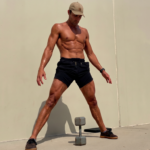
If you want something simple that actually works, this is one of the most effective tools I’ve used to build strength, conditioning, and endurance without needing a full gym setup.
- Full-body training with one weight using swings, squats, and presses
- Solid cast iron build that feels stable and lasts for years
- Comfortable grip that makes high-rep workouts easier to handle
- Gym performance: Track weight, reps, and rep quality weekly
- Rate of weight gain: Compare weekly averages to realistic muscle growth rates
- Body measurements: Track shoulders, chest, arms, and waist monthly
- Sleep duration and quality: Aim for consistent seven to nine-hour nights
- Subjective well-being: Monitor energy, mood, and libido as indicators of body composition changes
Muscle growth is slow, deliberate, and requires precise tracking. Fat gain happens fast and often goes unnoticed until physical and hormonal consequences accumulate.
By paying attention to where weight shows up, how fast it accumulates, and how the body responds, men can distinguish real progress from spinning wheels in a calorie surplus that’s building nothing but body fat.
Recognizing these five signs early makes correction easier. Instead of relying solely on scale weight, men over 40 should monitor:
- Gym performance: Track weight, reps, and rep quality weekly
- Rate of weight gain: Compare weekly averages to realistic muscle growth rates
- Body measurements: Track shoulders, chest, arms, and waist monthly
- Sleep duration and quality: Aim for consistent seven to nine-hour nights
- Subjective well-being: Monitor energy, mood, and libido as indicators of body composition changes
Muscle growth is slow, deliberate, and requires precise tracking. Fat gain happens fast and often goes unnoticed until physical and hormonal consequences accumulate.
By paying attention to where weight shows up, how fast it accumulates, and how the body responds, men can distinguish real progress from spinning wheels in a calorie surplus that’s building nothing but body fat.
Jump to:
- Actionable Steps to Course-Correct
- Actionable Steps to Course-Correct
- Actionable Steps to Course-Correct
- Actionable Steps to Course-Correct
- Actionable Steps to Course-Correct
- Actionable Steps to Course-Correct
- Actionable Steps to Course-Correct
- Actionable Steps to Course-Correct
- Actionable Steps to Course-Correct
- Actionable Steps to Course-Correct
- Actionable Steps to Course-Correct
- Actionable Steps to Course-Correct
- Energy, Mood, and Libido Reflect Body Composition
- Actionable Steps to Course-Correct
- Energy, Mood, and Libido Reflect Body Composition
- Actionable Steps to Course-Correct
- Energy, Mood, and Libido Reflect Body Composition
- Actionable Steps to Course-Correct
- Energy, Mood, and Libido Reflect Body Composition
- Actionable Steps to Course-Correct
- Energy, Mood, and Libido Reflect Body Composition
- Actionable Steps to Course-Correct
- Energy, Mood, and Libido Reflect Body Composition
- Actionable Steps to Course-Correct
- Energy, Mood, and Libido Reflect Body Composition
- Actionable Steps to Course-Correct
- Energy, Mood, and Libido Reflect Body Composition
- Actionable Steps to Course-Correct
- Energy, Mood, and Libido Reflect Body Composition
- Actionable Steps to Course-Correct
- Energy, Mood, and Libido Reflect Body Composition
- Actionable Steps to Course-Correct
- Energy, Mood, and Libido Reflect Body Composition
- Actionable Steps to Course-Correct
- Energy, Mood, and Libido Reflect Body Composition
- Actionable Steps to Course-Correct
- Sleep Deprivation Sabotages Muscle Growth
- Energy, Mood, and Libido Reflect Body Composition
- Actionable Steps to Course-Correct
- Sleep Deprivation Sabotages Muscle Growth
- Energy, Mood, and Libido Reflect Body Composition
- Actionable Steps to Course-Correct
- Sleep Deprivation Sabotages Muscle Growth
- Energy, Mood, and Libido Reflect Body Composition
- Actionable Steps to Course-Correct
- Sleep Deprivation Sabotages Muscle Growth
- Energy, Mood, and Libido Reflect Body Composition
- Actionable Steps to Course-Correct
- Sleep Deprivation Sabotages Muscle Growth
- Energy, Mood, and Libido Reflect Body Composition
- Actionable Steps to Course-Correct
- Sleep Deprivation Sabotages Muscle Growth
- Energy, Mood, and Libido Reflect Body Composition
- Actionable Steps to Course-Correct
- Sleep Deprivation Sabotages Muscle Growth
- Energy, Mood, and Libido Reflect Body Composition
- Actionable Steps to Course-Correct
- Sleep Deprivation Sabotages Muscle Growth
- Energy, Mood, and Libido Reflect Body Composition
- Actionable Steps to Course-Correct
- Sleep Deprivation Sabotages Muscle Growth
- Energy, Mood, and Libido Reflect Body Composition
- Actionable Steps to Course-Correct
- Sleep Deprivation Sabotages Muscle Growth
- Energy, Mood, and Libido Reflect Body Composition
- Actionable Steps to Course-Correct
- Where Weight Shows Up Matters More Than How Much
- Sleep Deprivation Sabotages Muscle Growth
- Energy, Mood, and Libido Reflect Body Composition
- Actionable Steps to Course-Correct
- Where Weight Shows Up Matters More Than How Much
- Sleep Deprivation Sabotages Muscle Growth
- Energy, Mood, and Libido Reflect Body Composition
- Actionable Steps to Course-Correct
- Where Weight Shows Up Matters More Than How Much
- Sleep Deprivation Sabotages Muscle Growth
- Energy, Mood, and Libido Reflect Body Composition
- Actionable Steps to Course-Correct
- Where Weight Shows Up Matters More Than How Much
- Sleep Deprivation Sabotages Muscle Growth
- Energy, Mood, and Libido Reflect Body Composition
- Actionable Steps to Course-Correct
- Where Weight Shows Up Matters More Than How Much
- Sleep Deprivation Sabotages Muscle Growth
- Energy, Mood, and Libido Reflect Body Composition
- Actionable Steps to Course-Correct
- Where Weight Shows Up Matters More Than How Much
- Sleep Deprivation Sabotages Muscle Growth
- Energy, Mood, and Libido Reflect Body Composition
- Actionable Steps to Course-Correct
- Where Weight Shows Up Matters More Than How Much
- Sleep Deprivation Sabotages Muscle Growth
- Energy, Mood, and Libido Reflect Body Composition
- Actionable Steps to Course-Correct
- Where Weight Shows Up Matters More Than How Much
- Sleep Deprivation Sabotages Muscle Growth
- Energy, Mood, and Libido Reflect Body Composition
- Actionable Steps to Course-Correct
- Where Weight Shows Up Matters More Than How Much
- Sleep Deprivation Sabotages Muscle Growth
- Energy, Mood, and Libido Reflect Body Composition
- Actionable Steps to Course-Correct
- Where Weight Shows Up Matters More Than How Much
- Sleep Deprivation Sabotages Muscle Growth
- Energy, Mood, and Libido Reflect Body Composition
- Actionable Steps to Course-Correct
- Where Weight Shows Up Matters More Than How Much
- Sleep Deprivation Sabotages Muscle Growth
- Energy, Mood, and Libido Reflect Body Composition
- Actionable Steps to Course-Correct
- Where Weight Shows Up Matters More Than How Much
- Sleep Deprivation Sabotages Muscle Growth
- Energy, Mood, and Libido Reflect Body Composition
- Actionable Steps to Course-Correct
- Where Weight Shows Up Matters More Than How Much
- Sleep Deprivation Sabotages Muscle Growth
- Energy, Mood, and Libido Reflect Body Composition
- Actionable Steps to Course-Correct
- Where Weight Shows Up Matters More Than How Much
- Sleep Deprivation Sabotages Muscle Growth
- Energy, Mood, and Libido Reflect Body Composition
- Actionable Steps to Course-Correct
- Where Weight Shows Up Matters More Than How Much
- Sleep Deprivation Sabotages Muscle Growth
- Energy, Mood, and Libido Reflect Body Composition
- Actionable Steps to Course-Correct
- Where Weight Shows Up Matters More Than How Much
- Sleep Deprivation Sabotages Muscle Growth
- Energy, Mood, and Libido Reflect Body Composition
- Actionable Steps to Course-Correct
- The Scale Doesn’t Lie—But It Can Mislead
- Where Weight Shows Up Matters More Than How Much
- Sleep Deprivation Sabotages Muscle Growth
- Energy, Mood, and Libido Reflect Body Composition
- Actionable Steps to Course-Correct
- The Scale Doesn’t Lie—But It Can Mislead
- Where Weight Shows Up Matters More Than How Much
- Sleep Deprivation Sabotages Muscle Growth
- Energy, Mood, and Libido Reflect Body Composition
- Actionable Steps to Course-Correct
- The Scale Doesn’t Lie—But It Can Mislead
- Where Weight Shows Up Matters More Than How Much
- Sleep Deprivation Sabotages Muscle Growth
- Energy, Mood, and Libido Reflect Body Composition
- Actionable Steps to Course-Correct
- The Scale Doesn’t Lie—But It Can Mislead
- Where Weight Shows Up Matters More Than How Much
- Sleep Deprivation Sabotages Muscle Growth
- Energy, Mood, and Libido Reflect Body Composition
- Actionable Steps to Course-Correct
- The Scale Doesn’t Lie—But It Can Mislead
- Where Weight Shows Up Matters More Than How Much
- Sleep Deprivation Sabotages Muscle Growth
- Energy, Mood, and Libido Reflect Body Composition
- Actionable Steps to Course-Correct
- The Scale Doesn’t Lie—But It Can Mislead
- Where Weight Shows Up Matters More Than How Much
- Sleep Deprivation Sabotages Muscle Growth
- Energy, Mood, and Libido Reflect Body Composition
- Actionable Steps to Course-Correct
- The Scale Doesn’t Lie—But It Can Mislead
- Where Weight Shows Up Matters More Than How Much
- Sleep Deprivation Sabotages Muscle Growth
- Energy, Mood, and Libido Reflect Body Composition
- Actionable Steps to Course-Correct
- The Scale Doesn’t Lie—But It Can Mislead
- Where Weight Shows Up Matters More Than How Much
- Sleep Deprivation Sabotages Muscle Growth
- Energy, Mood, and Libido Reflect Body Composition
- Actionable Steps to Course-Correct
- The Scale Doesn’t Lie—But It Can Mislead
- Where Weight Shows Up Matters More Than How Much
- Sleep Deprivation Sabotages Muscle Growth
- Energy, Mood, and Libido Reflect Body Composition
- Actionable Steps to Course-Correct
- The Scale Doesn’t Lie—But It Can Mislead
- Where Weight Shows Up Matters More Than How Much
- Sleep Deprivation Sabotages Muscle Growth
- Energy, Mood, and Libido Reflect Body Composition
- Actionable Steps to Course-Correct
- Progressive Overload Isn’t Optional—It’s Evidence
- The Scale Doesn’t Lie—But It Can Mislead
- Where Weight Shows Up Matters More Than How Much
- Sleep Deprivation Sabotages Muscle Growth
- Energy, Mood, and Libido Reflect Body Composition
- Actionable Steps to Course-Correct
- Progressive Overload Isn’t Optional—It’s Evidence
- The Scale Doesn’t Lie—But It Can Mislead
- Where Weight Shows Up Matters More Than How Much
- Sleep Deprivation Sabotages Muscle Growth
- Energy, Mood, and Libido Reflect Body Composition
- Actionable Steps to Course-Correct
- Progressive Overload Isn’t Optional—It’s Evidence
- The Scale Doesn’t Lie—But It Can Mislead
- Where Weight Shows Up Matters More Than How Much
- Sleep Deprivation Sabotages Muscle Growth
- Energy, Mood, and Libido Reflect Body Composition
- Actionable Steps to Course-Correct
- Progressive Overload Isn’t Optional—It’s Evidence
- The Scale Doesn’t Lie—But It Can Mislead
- Where Weight Shows Up Matters More Than How Much
- Sleep Deprivation Sabotages Muscle Growth
- Energy, Mood, and Libido Reflect Body Composition
- Actionable Steps to Course-Correct
- Progressive Overload Isn’t Optional—It’s Evidence
- The Scale Doesn’t Lie—But It Can Mislead
- Where Weight Shows Up Matters More Than How Much
- Sleep Deprivation Sabotages Muscle Growth
- Energy, Mood, and Libido Reflect Body Composition
- Actionable Steps to Course-Correct
- Progressive Overload Isn’t Optional—It’s Evidence
- The Scale Doesn’t Lie—But It Can Mislead
- Where Weight Shows Up Matters More Than How Much
- Sleep Deprivation Sabotages Muscle Growth
- Energy, Mood, and Libido Reflect Body Composition
- Actionable Steps to Course-Correct
- Progressive Overload Isn’t Optional—It’s Evidence
- The Scale Doesn’t Lie—But It Can Mislead
- Where Weight Shows Up Matters More Than How Much
- Sleep Deprivation Sabotages Muscle Growth
- Energy, Mood, and Libido Reflect Body Composition
- Actionable Steps to Course-Correct
- Progressive Overload Isn’t Optional—It’s Evidence
- The Scale Doesn’t Lie—But It Can Mislead
- Where Weight Shows Up Matters More Than How Much
- Sleep Deprivation Sabotages Muscle Growth
- Energy, Mood, and Libido Reflect Body Composition
- Actionable Steps to Course-Correct
- Progressive Overload Isn’t Optional—It’s Evidence
- The Scale Doesn’t Lie—But It Can Mislead
- Where Weight Shows Up Matters More Than How Much
- Sleep Deprivation Sabotages Muscle Growth
- Energy, Mood, and Libido Reflect Body Composition
- Actionable Steps to Course-Correct
- Progressive Overload Isn’t Optional—It’s Evidence
- The Scale Doesn’t Lie—But It Can Mislead
- Where Weight Shows Up Matters More Than How Much
- Sleep Deprivation Sabotages Muscle Growth
- Energy, Mood, and Libido Reflect Body Composition
- Actionable Steps to Course-Correct
- Progressive Overload Isn’t Optional—It’s Evidence
- The Scale Doesn’t Lie—But It Can Mislead
- Where Weight Shows Up Matters More Than How Much
- Sleep Deprivation Sabotages Muscle Growth
- Energy, Mood, and Libido Reflect Body Composition
- Actionable Steps to Course-Correct
Actionable Steps to Course-Correct
Recognizing these five signs early makes correction easier. Instead of relying solely on scale weight, men over 40 should monitor:
If you want something simple that actually works, this is one of the most effective tools I’ve used to build strength, conditioning, and endurance without needing a full gym setup.
- Full-body training with one weight using swings, squats, and presses
- Solid cast iron build that feels stable and lasts for years
- Comfortable grip that makes high-rep workouts easier to handle
- Gym performance: Track weight, reps, and rep quality weekly
- Rate of weight gain: Compare weekly averages to realistic muscle growth rates
- Body measurements: Track shoulders, chest, arms, and waist monthly
- Sleep duration and quality: Aim for consistent seven to nine-hour nights
- Subjective well-being: Monitor energy, mood, and libido as indicators of body composition changes
Muscle growth is slow, deliberate, and requires precise tracking. Fat gain happens fast and often goes unnoticed until physical and hormonal consequences accumulate.
By paying attention to where weight shows up, how fast it accumulates, and how the body responds, men can distinguish real progress from spinning wheels in a calorie surplus that’s building nothing but body fat.
Actionable Steps to Course-Correct
Recognizing these five signs early makes correction easier. Instead of relying solely on scale weight, men over 40 should monitor:
- Gym performance: Track weight, reps, and rep quality weekly
- Rate of weight gain: Compare weekly averages to realistic muscle growth rates
- Body measurements: Track shoulders, chest, arms, and waist monthly
- Sleep duration and quality: Aim for consistent seven to nine-hour nights
- Subjective well-being: Monitor energy, mood, and libido as indicators of body composition changes
Muscle growth is slow, deliberate, and requires precise tracking. Fat gain happens fast and often goes unnoticed until physical and hormonal consequences accumulate.
By paying attention to where weight shows up, how fast it accumulates, and how the body responds, men can distinguish real progress from spinning wheels in a calorie surplus that’s building nothing but body fat.
Another issue is insulin resistance. As fat accumulates, insulin sensitivity declines, resulting in energy crashes, cravings, erratic blood sugar, and mental fog. Fatigue after meals and afternoon sluggishness become common.
If you want something simple that actually works, this is one of the most effective tools I’ve used to build strength, conditioning, and endurance without needing a full gym setup.
- Full-body training with one weight using swings, squats, and presses
- Solid cast iron build that feels stable and lasts for years
- Comfortable grip that makes high-rep workouts easier to handle
If you’re gaining muscle, you’re going to feel better overall. If you’re noticing a decrease in energy, motivation, libido, or mood, it’s likely not that you’re getting older, it’s that you’re getting fatter.
Actionable Steps to Course-Correct
Recognizing these five signs early makes correction easier. Instead of relying solely on scale weight, men over 40 should monitor:
- Gym performance: Track weight, reps, and rep quality weekly
- Rate of weight gain: Compare weekly averages to realistic muscle growth rates
- Body measurements: Track shoulders, chest, arms, and waist monthly
- Sleep duration and quality: Aim for consistent seven to nine-hour nights
- Subjective well-being: Monitor energy, mood, and libido as indicators of body composition changes
Muscle growth is slow, deliberate, and requires precise tracking. Fat gain happens fast and often goes unnoticed until physical and hormonal consequences accumulate.
By paying attention to where weight shows up, how fast it accumulates, and how the body responds, men can distinguish real progress from spinning wheels in a calorie surplus that’s building nothing but body fat.
Another issue is insulin resistance. As fat accumulates, insulin sensitivity declines, resulting in energy crashes, cravings, erratic blood sugar, and mental fog. Fatigue after meals and afternoon sluggishness become common.
If you’re gaining muscle, you’re going to feel better overall. If you’re noticing a decrease in energy, motivation, libido, or mood, it’s likely not that you’re getting older, it’s that you’re getting fatter.
Actionable Steps to Course-Correct
Recognizing these five signs early makes correction easier. Instead of relying solely on scale weight, men over 40 should monitor:
- Gym performance: Track weight, reps, and rep quality weekly
- Rate of weight gain: Compare weekly averages to realistic muscle growth rates
- Body measurements: Track shoulders, chest, arms, and waist monthly
- Sleep duration and quality: Aim for consistent seven to nine-hour nights
- Subjective well-being: Monitor energy, mood, and libido as indicators of body composition changes
Muscle growth is slow, deliberate, and requires precise tracking. Fat gain happens fast and often goes unnoticed until physical and hormonal consequences accumulate.
If you want something simple that actually works, this is one of the most effective tools I’ve used to build strength, conditioning, and endurance without needing a full gym setup.
- Full-body training with one weight using swings, squats, and presses
- Solid cast iron build that feels stable and lasts for years
- Comfortable grip that makes high-rep workouts easier to handle
By paying attention to where weight shows up, how fast it accumulates, and how the body responds, men can distinguish real progress from spinning wheels in a calorie surplus that’s building nothing but body fat.
Fat gain also increases systemic inflammation, leading to sluggishness, joint stiffness, and slower recovery. Workouts feel harder, and performance suffers.
Another issue is insulin resistance. As fat accumulates, insulin sensitivity declines, resulting in energy crashes, cravings, erratic blood sugar, and mental fog. Fatigue after meals and afternoon sluggishness become common.
If you’re gaining muscle, you’re going to feel better overall. If you’re noticing a decrease in energy, motivation, libido, or mood, it’s likely not that you’re getting older, it’s that you’re getting fatter.
Actionable Steps to Course-Correct
Recognizing these five signs early makes correction easier. Instead of relying solely on scale weight, men over 40 should monitor:
- Gym performance: Track weight, reps, and rep quality weekly
- Rate of weight gain: Compare weekly averages to realistic muscle growth rates
- Body measurements: Track shoulders, chest, arms, and waist monthly
- Sleep duration and quality: Aim for consistent seven to nine-hour nights
- Subjective well-being: Monitor energy, mood, and libido as indicators of body composition changes
Muscle growth is slow, deliberate, and requires precise tracking. Fat gain happens fast and often goes unnoticed until physical and hormonal consequences accumulate.
By paying attention to where weight shows up, how fast it accumulates, and how the body responds, men can distinguish real progress from spinning wheels in a calorie surplus that’s building nothing but body fat.
If you want something simple that actually works, this is one of the most effective tools I’ve used to build strength, conditioning, and endurance without needing a full gym setup.
- Full-body training with one weight using swings, squats, and presses
- Solid cast iron build that feels stable and lasts for years
- Comfortable grip that makes high-rep workouts easier to handle
Fat gain also increases systemic inflammation, leading to sluggishness, joint stiffness, and slower recovery. Workouts feel harder, and performance suffers.
Another issue is insulin resistance. As fat accumulates, insulin sensitivity declines, resulting in energy crashes, cravings, erratic blood sugar, and mental fog. Fatigue after meals and afternoon sluggishness become common.
If you’re gaining muscle, you’re going to feel better overall. If you’re noticing a decrease in energy, motivation, libido, or mood, it’s likely not that you’re getting older, it’s that you’re getting fatter.
Actionable Steps to Course-Correct
Recognizing these five signs early makes correction easier. Instead of relying solely on scale weight, men over 40 should monitor:
- Gym performance: Track weight, reps, and rep quality weekly
- Rate of weight gain: Compare weekly averages to realistic muscle growth rates
- Body measurements: Track shoulders, chest, arms, and waist monthly
- Sleep duration and quality: Aim for consistent seven to nine-hour nights
- Subjective well-being: Monitor energy, mood, and libido as indicators of body composition changes
Muscle growth is slow, deliberate, and requires precise tracking. Fat gain happens fast and often goes unnoticed until physical and hormonal consequences accumulate.
By paying attention to where weight shows up, how fast it accumulates, and how the body responds, men can distinguish real progress from spinning wheels in a calorie surplus that’s building nothing but body fat.
Lower testosterone manifests as reduced libido, weaker morning erections, diminished drive, and lower motivation.
If you want something simple that actually works, this is one of the most effective tools I’ve used to build strength, conditioning, and endurance without needing a full gym setup.
- Full-body training with one weight using swings, squats, and presses
- Solid cast iron build that feels stable and lasts for years
- Comfortable grip that makes high-rep workouts easier to handle
Fat gain also increases systemic inflammation, leading to sluggishness, joint stiffness, and slower recovery. Workouts feel harder, and performance suffers.
Another issue is insulin resistance. As fat accumulates, insulin sensitivity declines, resulting in energy crashes, cravings, erratic blood sugar, and mental fog. Fatigue after meals and afternoon sluggishness become common.
If you’re gaining muscle, you’re going to feel better overall. If you’re noticing a decrease in energy, motivation, libido, or mood, it’s likely not that you’re getting older, it’s that you’re getting fatter.
Actionable Steps to Course-Correct
Recognizing these five signs early makes correction easier. Instead of relying solely on scale weight, men over 40 should monitor:
- Gym performance: Track weight, reps, and rep quality weekly
- Rate of weight gain: Compare weekly averages to realistic muscle growth rates
- Body measurements: Track shoulders, chest, arms, and waist monthly
- Sleep duration and quality: Aim for consistent seven to nine-hour nights
- Subjective well-being: Monitor energy, mood, and libido as indicators of body composition changes
Muscle growth is slow, deliberate, and requires precise tracking. Fat gain happens fast and often goes unnoticed until physical and hormonal consequences accumulate.
By paying attention to where weight shows up, how fast it accumulates, and how the body responds, men can distinguish real progress from spinning wheels in a calorie surplus that’s building nothing but body fat.
Lower testosterone manifests as reduced libido, weaker morning erections, diminished drive, and lower motivation.
If you want something simple that actually works, this is one of the most effective tools I’ve used to build strength, conditioning, and endurance without needing a full gym setup.
- Full-body training with one weight using swings, squats, and presses
- Solid cast iron build that feels stable and lasts for years
- Comfortable grip that makes high-rep workouts easier to handle
Fat gain also increases systemic inflammation, leading to sluggishness, joint stiffness, and slower recovery. Workouts feel harder, and performance suffers.
Another issue is insulin resistance. As fat accumulates, insulin sensitivity declines, resulting in energy crashes, cravings, erratic blood sugar, and mental fog. Fatigue after meals and afternoon sluggishness become common.
If you’re gaining muscle, you’re going to feel better overall. If you’re noticing a decrease in energy, motivation, libido, or mood, it’s likely not that you’re getting older, it’s that you’re getting fatter.
Actionable Steps to Course-Correct
Recognizing these five signs early makes correction easier. Instead of relying solely on scale weight, men over 40 should monitor:
- Gym performance: Track weight, reps, and rep quality weekly
- Rate of weight gain: Compare weekly averages to realistic muscle growth rates
- Body measurements: Track shoulders, chest, arms, and waist monthly
- Sleep duration and quality: Aim for consistent seven to nine-hour nights
- Subjective well-being: Monitor energy, mood, and libido as indicators of body composition changes
Muscle growth is slow, deliberate, and requires precise tracking. Fat gain happens fast and often goes unnoticed until physical and hormonal consequences accumulate.
By paying attention to where weight shows up, how fast it accumulates, and how the body responds, men can distinguish real progress from spinning wheels in a calorie surplus that’s building nothing but body fat.
Studies show that increased body fat lowers testosterone because fat tissue produces aromatase, an enzyme that converts testosterone into estrogen. Higher body fat also reduces sex hormone-binding globulin (SHBG), which decreases active testosterone availability.
If you want something simple that actually works, this is one of the most effective tools I’ve used to build strength, conditioning, and endurance without needing a full gym setup.
- Full-body training with one weight using swings, squats, and presses
- Solid cast iron build that feels stable and lasts for years
- Comfortable grip that makes high-rep workouts easier to handle
Lower testosterone manifests as reduced libido, weaker morning erections, diminished drive, and lower motivation.
Fat gain also increases systemic inflammation, leading to sluggishness, joint stiffness, and slower recovery. Workouts feel harder, and performance suffers.
Another issue is insulin resistance. As fat accumulates, insulin sensitivity declines, resulting in energy crashes, cravings, erratic blood sugar, and mental fog. Fatigue after meals and afternoon sluggishness become common.
If you’re gaining muscle, you’re going to feel better overall. If you’re noticing a decrease in energy, motivation, libido, or mood, it’s likely not that you’re getting older, it’s that you’re getting fatter.
Actionable Steps to Course-Correct
Recognizing these five signs early makes correction easier. Instead of relying solely on scale weight, men over 40 should monitor:
- Gym performance: Track weight, reps, and rep quality weekly
- Rate of weight gain: Compare weekly averages to realistic muscle growth rates
- Body measurements: Track shoulders, chest, arms, and waist monthly
- Sleep duration and quality: Aim for consistent seven to nine-hour nights
- Subjective well-being: Monitor energy, mood, and libido as indicators of body composition changes
Muscle growth is slow, deliberate, and requires precise tracking. Fat gain happens fast and often goes unnoticed until physical and hormonal consequences accumulate.
By paying attention to where weight shows up, how fast it accumulates, and how the body responds, men can distinguish real progress from spinning wheels in a calorie surplus that’s building nothing but body fat.
If you want something simple that actually works, this is one of the most effective tools I’ve used to build strength, conditioning, and endurance without needing a full gym setup.
- Full-body training with one weight using swings, squats, and presses
- Solid cast iron build that feels stable and lasts for years
- Comfortable grip that makes high-rep workouts easier to handle
Studies show that increased body fat lowers testosterone because fat tissue produces aromatase, an enzyme that converts testosterone into estrogen. Higher body fat also reduces sex hormone-binding globulin (SHBG), which decreases active testosterone availability.
Lower testosterone manifests as reduced libido, weaker morning erections, diminished drive, and lower motivation.
Fat gain also increases systemic inflammation, leading to sluggishness, joint stiffness, and slower recovery. Workouts feel harder, and performance suffers.
Another issue is insulin resistance. As fat accumulates, insulin sensitivity declines, resulting in energy crashes, cravings, erratic blood sugar, and mental fog. Fatigue after meals and afternoon sluggishness become common.
If you’re gaining muscle, you’re going to feel better overall. If you’re noticing a decrease in energy, motivation, libido, or mood, it’s likely not that you’re getting older, it’s that you’re getting fatter.
Actionable Steps to Course-Correct
Recognizing these five signs early makes correction easier. Instead of relying solely on scale weight, men over 40 should monitor:
- Gym performance: Track weight, reps, and rep quality weekly
- Rate of weight gain: Compare weekly averages to realistic muscle growth rates
- Body measurements: Track shoulders, chest, arms, and waist monthly
- Sleep duration and quality: Aim for consistent seven to nine-hour nights
- Subjective well-being: Monitor energy, mood, and libido as indicators of body composition changes
Muscle growth is slow, deliberate, and requires precise tracking. Fat gain happens fast and often goes unnoticed until physical and hormonal consequences accumulate.
If you want something simple that actually works, this is one of the most effective tools I’ve used to build strength, conditioning, and endurance without needing a full gym setup.
- Full-body training with one weight using swings, squats, and presses
- Solid cast iron build that feels stable and lasts for years
- Comfortable grip that makes high-rep workouts easier to handle
By paying attention to where weight shows up, how fast it accumulates, and how the body responds, men can distinguish real progress from spinning wheels in a calorie surplus that’s building nothing but body fat.
Building muscle typically improves energy levels, mood stability, and libido. Fat gain does the opposite.
Studies show that increased body fat lowers testosterone because fat tissue produces aromatase, an enzyme that converts testosterone into estrogen. Higher body fat also reduces sex hormone-binding globulin (SHBG), which decreases active testosterone availability.
Lower testosterone manifests as reduced libido, weaker morning erections, diminished drive, and lower motivation.
Fat gain also increases systemic inflammation, leading to sluggishness, joint stiffness, and slower recovery. Workouts feel harder, and performance suffers.
Another issue is insulin resistance. As fat accumulates, insulin sensitivity declines, resulting in energy crashes, cravings, erratic blood sugar, and mental fog. Fatigue after meals and afternoon sluggishness become common.
If you want something simple that actually works, this is one of the most effective tools I’ve used to build strength, conditioning, and endurance without needing a full gym setup.
- Full-body training with one weight using swings, squats, and presses
- Solid cast iron build that feels stable and lasts for years
- Comfortable grip that makes high-rep workouts easier to handle
If you’re gaining muscle, you’re going to feel better overall. If you’re noticing a decrease in energy, motivation, libido, or mood, it’s likely not that you’re getting older, it’s that you’re getting fatter.
Actionable Steps to Course-Correct
Recognizing these five signs early makes correction easier. Instead of relying solely on scale weight, men over 40 should monitor:
- Gym performance: Track weight, reps, and rep quality weekly
- Rate of weight gain: Compare weekly averages to realistic muscle growth rates
- Body measurements: Track shoulders, chest, arms, and waist monthly
- Sleep duration and quality: Aim for consistent seven to nine-hour nights
- Subjective well-being: Monitor energy, mood, and libido as indicators of body composition changes
Muscle growth is slow, deliberate, and requires precise tracking. Fat gain happens fast and often goes unnoticed until physical and hormonal consequences accumulate.
By paying attention to where weight shows up, how fast it accumulates, and how the body responds, men can distinguish real progress from spinning wheels in a calorie surplus that’s building nothing but body fat.
Building muscle typically improves energy levels, mood stability, and libido. Fat gain does the opposite.
Studies show that increased body fat lowers testosterone because fat tissue produces aromatase, an enzyme that converts testosterone into estrogen. Higher body fat also reduces sex hormone-binding globulin (SHBG), which decreases active testosterone availability.
Lower testosterone manifests as reduced libido, weaker morning erections, diminished drive, and lower motivation.
If you want something simple that actually works, this is one of the most effective tools I’ve used to build strength, conditioning, and endurance without needing a full gym setup.
- Full-body training with one weight using swings, squats, and presses
- Solid cast iron build that feels stable and lasts for years
- Comfortable grip that makes high-rep workouts easier to handle
Fat gain also increases systemic inflammation, leading to sluggishness, joint stiffness, and slower recovery. Workouts feel harder, and performance suffers.
Another issue is insulin resistance. As fat accumulates, insulin sensitivity declines, resulting in energy crashes, cravings, erratic blood sugar, and mental fog. Fatigue after meals and afternoon sluggishness become common.
If you’re gaining muscle, you’re going to feel better overall. If you’re noticing a decrease in energy, motivation, libido, or mood, it’s likely not that you’re getting older, it’s that you’re getting fatter.
Actionable Steps to Course-Correct
Recognizing these five signs early makes correction easier. Instead of relying solely on scale weight, men over 40 should monitor:
- Gym performance: Track weight, reps, and rep quality weekly
- Rate of weight gain: Compare weekly averages to realistic muscle growth rates
- Body measurements: Track shoulders, chest, arms, and waist monthly
- Sleep duration and quality: Aim for consistent seven to nine-hour nights
- Subjective well-being: Monitor energy, mood, and libido as indicators of body composition changes
Muscle growth is slow, deliberate, and requires precise tracking. Fat gain happens fast and often goes unnoticed until physical and hormonal consequences accumulate.
By paying attention to where weight shows up, how fast it accumulates, and how the body responds, men can distinguish real progress from spinning wheels in a calorie surplus that’s building nothing but body fat.
Energy, Mood, and Libido Reflect Body Composition
Building muscle typically improves energy levels, mood stability, and libido. Fat gain does the opposite.
If you want something simple that actually works, this is one of the most effective tools I’ve used to build strength, conditioning, and endurance without needing a full gym setup.
- Full-body training with one weight using swings, squats, and presses
- Solid cast iron build that feels stable and lasts for years
- Comfortable grip that makes high-rep workouts easier to handle
Studies show that increased body fat lowers testosterone because fat tissue produces aromatase, an enzyme that converts testosterone into estrogen. Higher body fat also reduces sex hormone-binding globulin (SHBG), which decreases active testosterone availability.
Lower testosterone manifests as reduced libido, weaker morning erections, diminished drive, and lower motivation.
Fat gain also increases systemic inflammation, leading to sluggishness, joint stiffness, and slower recovery. Workouts feel harder, and performance suffers.
Another issue is insulin resistance. As fat accumulates, insulin sensitivity declines, resulting in energy crashes, cravings, erratic blood sugar, and mental fog. Fatigue after meals and afternoon sluggishness become common.
If you’re gaining muscle, you’re going to feel better overall. If you’re noticing a decrease in energy, motivation, libido, or mood, it’s likely not that you’re getting older, it’s that you’re getting fatter.
Actionable Steps to Course-Correct
Recognizing these five signs early makes correction easier. Instead of relying solely on scale weight, men over 40 should monitor:
- Gym performance: Track weight, reps, and rep quality weekly
- Rate of weight gain: Compare weekly averages to realistic muscle growth rates
- Body measurements: Track shoulders, chest, arms, and waist monthly
- Sleep duration and quality: Aim for consistent seven to nine-hour nights
- Subjective well-being: Monitor energy, mood, and libido as indicators of body composition changes
Muscle growth is slow, deliberate, and requires precise tracking. Fat gain happens fast and often goes unnoticed until physical and hormonal consequences accumulate.
If you want something simple that actually works, this is one of the most effective tools I’ve used to build strength, conditioning, and endurance without needing a full gym setup.
- Full-body training with one weight using swings, squats, and presses
- Solid cast iron build that feels stable and lasts for years
- Comfortable grip that makes high-rep workouts easier to handle
By paying attention to where weight shows up, how fast it accumulates, and how the body responds, men can distinguish real progress from spinning wheels in a calorie surplus that’s building nothing but body fat.
Energy, Mood, and Libido Reflect Body Composition
Building muscle typically improves energy levels, mood stability, and libido. Fat gain does the opposite.
Studies show that increased body fat lowers testosterone because fat tissue produces aromatase, an enzyme that converts testosterone into estrogen. Higher body fat also reduces sex hormone-binding globulin (SHBG), which decreases active testosterone availability.
Lower testosterone manifests as reduced libido, weaker morning erections, diminished drive, and lower motivation.
Fat gain also increases systemic inflammation, leading to sluggishness, joint stiffness, and slower recovery. Workouts feel harder, and performance suffers.
Another issue is insulin resistance. As fat accumulates, insulin sensitivity declines, resulting in energy crashes, cravings, erratic blood sugar, and mental fog. Fatigue after meals and afternoon sluggishness become common.
If you want something simple that actually works, this is one of the most effective tools I’ve used to build strength, conditioning, and endurance without needing a full gym setup.
- Full-body training with one weight using swings, squats, and presses
- Solid cast iron build that feels stable and lasts for years
- Comfortable grip that makes high-rep workouts easier to handle
If you’re gaining muscle, you’re going to feel better overall. If you’re noticing a decrease in energy, motivation, libido, or mood, it’s likely not that you’re getting older, it’s that you’re getting fatter.
Actionable Steps to Course-Correct
Recognizing these five signs early makes correction easier. Instead of relying solely on scale weight, men over 40 should monitor:
- Gym performance: Track weight, reps, and rep quality weekly
- Rate of weight gain: Compare weekly averages to realistic muscle growth rates
- Body measurements: Track shoulders, chest, arms, and waist monthly
- Sleep duration and quality: Aim for consistent seven to nine-hour nights
- Subjective well-being: Monitor energy, mood, and libido as indicators of body composition changes
Muscle growth is slow, deliberate, and requires precise tracking. Fat gain happens fast and often goes unnoticed until physical and hormonal consequences accumulate.
By paying attention to where weight shows up, how fast it accumulates, and how the body responds, men can distinguish real progress from spinning wheels in a calorie surplus that’s building nothing but body fat.
Fat gain also worsens sleep quality. As fat accumulates around the torso, risks of snoring, airway obstruction, and sleep apnea increase—creating a vicious cycle where poor sleep leads to more fat, which further degrades sleep.
Energy, Mood, and Libido Reflect Body Composition
Building muscle typically improves energy levels, mood stability, and libido. Fat gain does the opposite.
Studies show that increased body fat lowers testosterone because fat tissue produces aromatase, an enzyme that converts testosterone into estrogen. Higher body fat also reduces sex hormone-binding globulin (SHBG), which decreases active testosterone availability.
If you want something simple that actually works, this is one of the most effective tools I’ve used to build strength, conditioning, and endurance without needing a full gym setup.
- Full-body training with one weight using swings, squats, and presses
- Solid cast iron build that feels stable and lasts for years
- Comfortable grip that makes high-rep workouts easier to handle
Lower testosterone manifests as reduced libido, weaker morning erections, diminished drive, and lower motivation.
Fat gain also increases systemic inflammation, leading to sluggishness, joint stiffness, and slower recovery. Workouts feel harder, and performance suffers.
Another issue is insulin resistance. As fat accumulates, insulin sensitivity declines, resulting in energy crashes, cravings, erratic blood sugar, and mental fog. Fatigue after meals and afternoon sluggishness become common.
If you’re gaining muscle, you’re going to feel better overall. If you’re noticing a decrease in energy, motivation, libido, or mood, it’s likely not that you’re getting older, it’s that you’re getting fatter.
Actionable Steps to Course-Correct
Recognizing these five signs early makes correction easier. Instead of relying solely on scale weight, men over 40 should monitor:
- Gym performance: Track weight, reps, and rep quality weekly
- Rate of weight gain: Compare weekly averages to realistic muscle growth rates
- Body measurements: Track shoulders, chest, arms, and waist monthly
- Sleep duration and quality: Aim for consistent seven to nine-hour nights
- Subjective well-being: Monitor energy, mood, and libido as indicators of body composition changes
Muscle growth is slow, deliberate, and requires precise tracking. Fat gain happens fast and often goes unnoticed until physical and hormonal consequences accumulate.
By paying attention to where weight shows up, how fast it accumulates, and how the body responds, men can distinguish real progress from spinning wheels in a calorie surplus that’s building nothing but body fat.
If you want something simple that actually works, this is one of the most effective tools I’ve used to build strength, conditioning, and endurance without needing a full gym setup.
- Full-body training with one weight using swings, squats, and presses
- Solid cast iron build that feels stable and lasts for years
- Comfortable grip that makes high-rep workouts easier to handle
Fat gain also worsens sleep quality. As fat accumulates around the torso, risks of snoring, airway obstruction, and sleep apnea increase—creating a vicious cycle where poor sleep leads to more fat, which further degrades sleep.
Energy, Mood, and Libido Reflect Body Composition
Building muscle typically improves energy levels, mood stability, and libido. Fat gain does the opposite.
Studies show that increased body fat lowers testosterone because fat tissue produces aromatase, an enzyme that converts testosterone into estrogen. Higher body fat also reduces sex hormone-binding globulin (SHBG), which decreases active testosterone availability.
Lower testosterone manifests as reduced libido, weaker morning erections, diminished drive, and lower motivation.
Fat gain also increases systemic inflammation, leading to sluggishness, joint stiffness, and slower recovery. Workouts feel harder, and performance suffers.
Another issue is insulin resistance. As fat accumulates, insulin sensitivity declines, resulting in energy crashes, cravings, erratic blood sugar, and mental fog. Fatigue after meals and afternoon sluggishness become common.
If you want something simple that actually works, this is one of the most effective tools I’ve used to build strength, conditioning, and endurance without needing a full gym setup.
- Full-body training with one weight using swings, squats, and presses
- Solid cast iron build that feels stable and lasts for years
- Comfortable grip that makes high-rep workouts easier to handle
If you’re gaining muscle, you’re going to feel better overall. If you’re noticing a decrease in energy, motivation, libido, or mood, it’s likely not that you’re getting older, it’s that you’re getting fatter.
Actionable Steps to Course-Correct
Recognizing these five signs early makes correction easier. Instead of relying solely on scale weight, men over 40 should monitor:
- Gym performance: Track weight, reps, and rep quality weekly
- Rate of weight gain: Compare weekly averages to realistic muscle growth rates
- Body measurements: Track shoulders, chest, arms, and waist monthly
- Sleep duration and quality: Aim for consistent seven to nine-hour nights
- Subjective well-being: Monitor energy, mood, and libido as indicators of body composition changes
Muscle growth is slow, deliberate, and requires precise tracking. Fat gain happens fast and often goes unnoticed until physical and hormonal consequences accumulate.
By paying attention to where weight shows up, how fast it accumulates, and how the body responds, men can distinguish real progress from spinning wheels in a calorie surplus that’s building nothing but body fat.
Another study showed that just one week of five-hour sleep nights dropped testosterone levels by 10 to 15%, equivalent to aging a decade or more.
It doesn’t matter how hard you train or how much protein you eat. If you’re not sleeping 7 to 9 hours per night, you’re killing your ability to build muscle.
Fat gain also worsens sleep quality. As fat accumulates around the torso, risks of snoring, airway obstruction, and sleep apnea increase—creating a vicious cycle where poor sleep leads to more fat, which further degrades sleep.
Energy, Mood, and Libido Reflect Body Composition
Building muscle typically improves energy levels, mood stability, and libido. Fat gain does the opposite.
If you want something simple that actually works, this is one of the most effective tools I’ve used to build strength, conditioning, and endurance without needing a full gym setup.
- Full-body training with one weight using swings, squats, and presses
- Solid cast iron build that feels stable and lasts for years
- Comfortable grip that makes high-rep workouts easier to handle
Studies show that increased body fat lowers testosterone because fat tissue produces aromatase, an enzyme that converts testosterone into estrogen. Higher body fat also reduces sex hormone-binding globulin (SHBG), which decreases active testosterone availability.
Lower testosterone manifests as reduced libido, weaker morning erections, diminished drive, and lower motivation.
Fat gain also increases systemic inflammation, leading to sluggishness, joint stiffness, and slower recovery. Workouts feel harder, and performance suffers.
Another issue is insulin resistance. As fat accumulates, insulin sensitivity declines, resulting in energy crashes, cravings, erratic blood sugar, and mental fog. Fatigue after meals and afternoon sluggishness become common.
If you’re gaining muscle, you’re going to feel better overall. If you’re noticing a decrease in energy, motivation, libido, or mood, it’s likely not that you’re getting older, it’s that you’re getting fatter.
Actionable Steps to Course-Correct
Recognizing these five signs early makes correction easier. Instead of relying solely on scale weight, men over 40 should monitor:
- Gym performance: Track weight, reps, and rep quality weekly
- Rate of weight gain: Compare weekly averages to realistic muscle growth rates
- Body measurements: Track shoulders, chest, arms, and waist monthly
- Sleep duration and quality: Aim for consistent seven to nine-hour nights
- Subjective well-being: Monitor energy, mood, and libido as indicators of body composition changes
Muscle growth is slow, deliberate, and requires precise tracking. Fat gain happens fast and often goes unnoticed until physical and hormonal consequences accumulate.
If you want something simple that actually works, this is one of the most effective tools I’ve used to build strength, conditioning, and endurance without needing a full gym setup.
- Full-body training with one weight using swings, squats, and presses
- Solid cast iron build that feels stable and lasts for years
- Comfortable grip that makes high-rep workouts easier to handle
By paying attention to where weight shows up, how fast it accumulates, and how the body responds, men can distinguish real progress from spinning wheels in a calorie surplus that’s building nothing but body fat.
Another study showed that just one week of five-hour sleep nights dropped testosterone levels by 10 to 15%, equivalent to aging a decade or more.
It doesn’t matter how hard you train or how much protein you eat. If you’re not sleeping 7 to 9 hours per night, you’re killing your ability to build muscle.
Fat gain also worsens sleep quality. As fat accumulates around the torso, risks of snoring, airway obstruction, and sleep apnea increase—creating a vicious cycle where poor sleep leads to more fat, which further degrades sleep.
Energy, Mood, and Libido Reflect Body Composition
Building muscle typically improves energy levels, mood stability, and libido. Fat gain does the opposite.
Studies show that increased body fat lowers testosterone because fat tissue produces aromatase, an enzyme that converts testosterone into estrogen. Higher body fat also reduces sex hormone-binding globulin (SHBG), which decreases active testosterone availability.
Lower testosterone manifests as reduced libido, weaker morning erections, diminished drive, and lower motivation.
If you want something simple that actually works, this is one of the most effective tools I’ve used to build strength, conditioning, and endurance without needing a full gym setup.
- Full-body training with one weight using swings, squats, and presses
- Solid cast iron build that feels stable and lasts for years
- Comfortable grip that makes high-rep workouts easier to handle
Fat gain also increases systemic inflammation, leading to sluggishness, joint stiffness, and slower recovery. Workouts feel harder, and performance suffers.
Another issue is insulin resistance. As fat accumulates, insulin sensitivity declines, resulting in energy crashes, cravings, erratic blood sugar, and mental fog. Fatigue after meals and afternoon sluggishness become common.
If you’re gaining muscle, you’re going to feel better overall. If you’re noticing a decrease in energy, motivation, libido, or mood, it’s likely not that you’re getting older, it’s that you’re getting fatter.
Actionable Steps to Course-Correct
Recognizing these five signs early makes correction easier. Instead of relying solely on scale weight, men over 40 should monitor:
- Gym performance: Track weight, reps, and rep quality weekly
- Rate of weight gain: Compare weekly averages to realistic muscle growth rates
- Body measurements: Track shoulders, chest, arms, and waist monthly
- Sleep duration and quality: Aim for consistent seven to nine-hour nights
- Subjective well-being: Monitor energy, mood, and libido as indicators of body composition changes
Muscle growth is slow, deliberate, and requires precise tracking. Fat gain happens fast and often goes unnoticed until physical and hormonal consequences accumulate.
By paying attention to where weight shows up, how fast it accumulates, and how the body responds, men can distinguish real progress from spinning wheels in a calorie surplus that’s building nothing but body fat.
One well-known study found that individuals in a calorie deficit who slept only 5.5 hours lost 55% less fat and 60% more muscle compared to those who slept 8.5 hours—same diet, drastically different outcomes.
If you want something simple that actually works, this is one of the most effective tools I’ve used to build strength, conditioning, and endurance without needing a full gym setup.
- Full-body training with one weight using swings, squats, and presses
- Solid cast iron build that feels stable and lasts for years
- Comfortable grip that makes high-rep workouts easier to handle
Another study showed that just one week of five-hour sleep nights dropped testosterone levels by 10 to 15%, equivalent to aging a decade or more.
It doesn’t matter how hard you train or how much protein you eat. If you’re not sleeping 7 to 9 hours per night, you’re killing your ability to build muscle.
Fat gain also worsens sleep quality. As fat accumulates around the torso, risks of snoring, airway obstruction, and sleep apnea increase—creating a vicious cycle where poor sleep leads to more fat, which further degrades sleep.
Energy, Mood, and Libido Reflect Body Composition
Building muscle typically improves energy levels, mood stability, and libido. Fat gain does the opposite.
Studies show that increased body fat lowers testosterone because fat tissue produces aromatase, an enzyme that converts testosterone into estrogen. Higher body fat also reduces sex hormone-binding globulin (SHBG), which decreases active testosterone availability.
Lower testosterone manifests as reduced libido, weaker morning erections, diminished drive, and lower motivation.
Fat gain also increases systemic inflammation, leading to sluggishness, joint stiffness, and slower recovery. Workouts feel harder, and performance suffers.
If you want something simple that actually works, this is one of the most effective tools I’ve used to build strength, conditioning, and endurance without needing a full gym setup.
- Full-body training with one weight using swings, squats, and presses
- Solid cast iron build that feels stable and lasts for years
- Comfortable grip that makes high-rep workouts easier to handle
Another issue is insulin resistance. As fat accumulates, insulin sensitivity declines, resulting in energy crashes, cravings, erratic blood sugar, and mental fog. Fatigue after meals and afternoon sluggishness become common.
If you’re gaining muscle, you’re going to feel better overall. If you’re noticing a decrease in energy, motivation, libido, or mood, it’s likely not that you’re getting older, it’s that you’re getting fatter.
Actionable Steps to Course-Correct
Recognizing these five signs early makes correction easier. Instead of relying solely on scale weight, men over 40 should monitor:
- Gym performance: Track weight, reps, and rep quality weekly
- Rate of weight gain: Compare weekly averages to realistic muscle growth rates
- Body measurements: Track shoulders, chest, arms, and waist monthly
- Sleep duration and quality: Aim for consistent seven to nine-hour nights
- Subjective well-being: Monitor energy, mood, and libido as indicators of body composition changes
Muscle growth is slow, deliberate, and requires precise tracking. Fat gain happens fast and often goes unnoticed until physical and hormonal consequences accumulate.
By paying attention to where weight shows up, how fast it accumulates, and how the body responds, men can distinguish real progress from spinning wheels in a calorie surplus that’s building nothing but body fat.
One well-known study found that individuals in a calorie deficit who slept only 5.5 hours lost 55% less fat and 60% more muscle compared to those who slept 8.5 hours—same diet, drastically different outcomes.
Another study showed that just one week of five-hour sleep nights dropped testosterone levels by 10 to 15%, equivalent to aging a decade or more.
If you want something simple that actually works, this is one of the most effective tools I’ve used to build strength, conditioning, and endurance without needing a full gym setup.
- Full-body training with one weight using swings, squats, and presses
- Solid cast iron build that feels stable and lasts for years
- Comfortable grip that makes high-rep workouts easier to handle
It doesn’t matter how hard you train or how much protein you eat. If you’re not sleeping 7 to 9 hours per night, you’re killing your ability to build muscle.
Fat gain also worsens sleep quality. As fat accumulates around the torso, risks of snoring, airway obstruction, and sleep apnea increase—creating a vicious cycle where poor sleep leads to more fat, which further degrades sleep.
Energy, Mood, and Libido Reflect Body Composition
Building muscle typically improves energy levels, mood stability, and libido. Fat gain does the opposite.
Studies show that increased body fat lowers testosterone because fat tissue produces aromatase, an enzyme that converts testosterone into estrogen. Higher body fat also reduces sex hormone-binding globulin (SHBG), which decreases active testosterone availability.
Lower testosterone manifests as reduced libido, weaker morning erections, diminished drive, and lower motivation.
Fat gain also increases systemic inflammation, leading to sluggishness, joint stiffness, and slower recovery. Workouts feel harder, and performance suffers.
Another issue is insulin resistance. As fat accumulates, insulin sensitivity declines, resulting in energy crashes, cravings, erratic blood sugar, and mental fog. Fatigue after meals and afternoon sluggishness become common.
If you want something simple that actually works, this is one of the most effective tools I’ve used to build strength, conditioning, and endurance without needing a full gym setup.
- Full-body training with one weight using swings, squats, and presses
- Solid cast iron build that feels stable and lasts for years
- Comfortable grip that makes high-rep workouts easier to handle
If you’re gaining muscle, you’re going to feel better overall. If you’re noticing a decrease in energy, motivation, libido, or mood, it’s likely not that you’re getting older, it’s that you’re getting fatter.
Actionable Steps to Course-Correct
Recognizing these five signs early makes correction easier. Instead of relying solely on scale weight, men over 40 should monitor:
- Gym performance: Track weight, reps, and rep quality weekly
- Rate of weight gain: Compare weekly averages to realistic muscle growth rates
- Body measurements: Track shoulders, chest, arms, and waist monthly
- Sleep duration and quality: Aim for consistent seven to nine-hour nights
- Subjective well-being: Monitor energy, mood, and libido as indicators of body composition changes
Muscle growth is slow, deliberate, and requires precise tracking. Fat gain happens fast and often goes unnoticed until physical and hormonal consequences accumulate.
By paying attention to where weight shows up, how fast it accumulates, and how the body responds, men can distinguish real progress from spinning wheels in a calorie surplus that’s building nothing but body fat.
Sleep influences how calories are partitioned. Multiple studies show that sleep deprivation shifts hunger and fat storage hormones in unfavorable directions:
- Ghrelin increases: Hunger signals intensify
- Leptin decreases: Satiety signals weaken
- Cortisol rises: Abdominal fat storage accelerates
One well-known study found that individuals in a calorie deficit who slept only 5.5 hours lost 55% less fat and 60% more muscle compared to those who slept 8.5 hours—same diet, drastically different outcomes.
Another study showed that just one week of five-hour sleep nights dropped testosterone levels by 10 to 15%, equivalent to aging a decade or more.
If you want something simple that actually works, this is one of the most effective tools I’ve used to build strength, conditioning, and endurance without needing a full gym setup.
- Full-body training with one weight using swings, squats, and presses
- Solid cast iron build that feels stable and lasts for years
- Comfortable grip that makes high-rep workouts easier to handle
It doesn’t matter how hard you train or how much protein you eat. If you’re not sleeping 7 to 9 hours per night, you’re killing your ability to build muscle.
Fat gain also worsens sleep quality. As fat accumulates around the torso, risks of snoring, airway obstruction, and sleep apnea increase—creating a vicious cycle where poor sleep leads to more fat, which further degrades sleep.
Energy, Mood, and Libido Reflect Body Composition
Building muscle typically improves energy levels, mood stability, and libido. Fat gain does the opposite.
Studies show that increased body fat lowers testosterone because fat tissue produces aromatase, an enzyme that converts testosterone into estrogen. Higher body fat also reduces sex hormone-binding globulin (SHBG), which decreases active testosterone availability.
Lower testosterone manifests as reduced libido, weaker morning erections, diminished drive, and lower motivation.
Fat gain also increases systemic inflammation, leading to sluggishness, joint stiffness, and slower recovery. Workouts feel harder, and performance suffers.
Another issue is insulin resistance. As fat accumulates, insulin sensitivity declines, resulting in energy crashes, cravings, erratic blood sugar, and mental fog. Fatigue after meals and afternoon sluggishness become common.
If you want something simple that actually works, this is one of the most effective tools I’ve used to build strength, conditioning, and endurance without needing a full gym setup.
- Full-body training with one weight using swings, squats, and presses
- Solid cast iron build that feels stable and lasts for years
- Comfortable grip that makes high-rep workouts easier to handle
If you’re gaining muscle, you’re going to feel better overall. If you’re noticing a decrease in energy, motivation, libido, or mood, it’s likely not that you’re getting older, it’s that you’re getting fatter.
Actionable Steps to Course-Correct
Recognizing these five signs early makes correction easier. Instead of relying solely on scale weight, men over 40 should monitor:
- Gym performance: Track weight, reps, and rep quality weekly
- Rate of weight gain: Compare weekly averages to realistic muscle growth rates
- Body measurements: Track shoulders, chest, arms, and waist monthly
- Sleep duration and quality: Aim for consistent seven to nine-hour nights
- Subjective well-being: Monitor energy, mood, and libido as indicators of body composition changes
Muscle growth is slow, deliberate, and requires precise tracking. Fat gain happens fast and often goes unnoticed until physical and hormonal consequences accumulate.
By paying attention to where weight shows up, how fast it accumulates, and how the body responds, men can distinguish real progress from spinning wheels in a calorie surplus that’s building nothing but body fat.
Sleep influences how calories are partitioned. Multiple studies show that sleep deprivation shifts hunger and fat storage hormones in unfavorable directions:
- Ghrelin increases: Hunger signals intensify
- Leptin decreases: Satiety signals weaken
- Cortisol rises: Abdominal fat storage accelerates
One well-known study found that individuals in a calorie deficit who slept only 5.5 hours lost 55% less fat and 60% more muscle compared to those who slept 8.5 hours—same diet, drastically different outcomes.
Another study showed that just one week of five-hour sleep nights dropped testosterone levels by 10 to 15%, equivalent to aging a decade or more.
If you want something simple that actually works, this is one of the most effective tools I’ve used to build strength, conditioning, and endurance without needing a full gym setup.
- Full-body training with one weight using swings, squats, and presses
- Solid cast iron build that feels stable and lasts for years
- Comfortable grip that makes high-rep workouts easier to handle
It doesn’t matter how hard you train or how much protein you eat. If you’re not sleeping 7 to 9 hours per night, you’re killing your ability to build muscle.
Fat gain also worsens sleep quality. As fat accumulates around the torso, risks of snoring, airway obstruction, and sleep apnea increase—creating a vicious cycle where poor sleep leads to more fat, which further degrades sleep.
Energy, Mood, and Libido Reflect Body Composition
Building muscle typically improves energy levels, mood stability, and libido. Fat gain does the opposite.
Studies show that increased body fat lowers testosterone because fat tissue produces aromatase, an enzyme that converts testosterone into estrogen. Higher body fat also reduces sex hormone-binding globulin (SHBG), which decreases active testosterone availability.
Lower testosterone manifests as reduced libido, weaker morning erections, diminished drive, and lower motivation.
Fat gain also increases systemic inflammation, leading to sluggishness, joint stiffness, and slower recovery. Workouts feel harder, and performance suffers.
Another issue is insulin resistance. As fat accumulates, insulin sensitivity declines, resulting in energy crashes, cravings, erratic blood sugar, and mental fog. Fatigue after meals and afternoon sluggishness become common.
If you want something simple that actually works, this is one of the most effective tools I’ve used to build strength, conditioning, and endurance without needing a full gym setup.
- Full-body training with one weight using swings, squats, and presses
- Solid cast iron build that feels stable and lasts for years
- Comfortable grip that makes high-rep workouts easier to handle
If you’re gaining muscle, you’re going to feel better overall. If you’re noticing a decrease in energy, motivation, libido, or mood, it’s likely not that you’re getting older, it’s that you’re getting fatter.
Actionable Steps to Course-Correct
Recognizing these five signs early makes correction easier. Instead of relying solely on scale weight, men over 40 should monitor:
- Gym performance: Track weight, reps, and rep quality weekly
- Rate of weight gain: Compare weekly averages to realistic muscle growth rates
- Body measurements: Track shoulders, chest, arms, and waist monthly
- Sleep duration and quality: Aim for consistent seven to nine-hour nights
- Subjective well-being: Monitor energy, mood, and libido as indicators of body composition changes
Muscle growth is slow, deliberate, and requires precise tracking. Fat gain happens fast and often goes unnoticed until physical and hormonal consequences accumulate.
By paying attention to where weight shows up, how fast it accumulates, and how the body responds, men can distinguish real progress from spinning wheels in a calorie surplus that’s building nothing but body fat.
Failing to sleep seven to nine hours per night dramatically reduces the likelihood of building muscle and increases fat storage.
Sleep influences how calories are partitioned. Multiple studies show that sleep deprivation shifts hunger and fat storage hormones in unfavorable directions:
- Ghrelin increases: Hunger signals intensify
- Leptin decreases: Satiety signals weaken
- Cortisol rises: Abdominal fat storage accelerates
One well-known study found that individuals in a calorie deficit who slept only 5.5 hours lost 55% less fat and 60% more muscle compared to those who slept 8.5 hours—same diet, drastically different outcomes.
If you want something simple that actually works, this is one of the most effective tools I’ve used to build strength, conditioning, and endurance without needing a full gym setup.
- Full-body training with one weight using swings, squats, and presses
- Solid cast iron build that feels stable and lasts for years
- Comfortable grip that makes high-rep workouts easier to handle
Another study showed that just one week of five-hour sleep nights dropped testosterone levels by 10 to 15%, equivalent to aging a decade or more.
It doesn’t matter how hard you train or how much protein you eat. If you’re not sleeping 7 to 9 hours per night, you’re killing your ability to build muscle.
Fat gain also worsens sleep quality. As fat accumulates around the torso, risks of snoring, airway obstruction, and sleep apnea increase—creating a vicious cycle where poor sleep leads to more fat, which further degrades sleep.
Energy, Mood, and Libido Reflect Body Composition
Building muscle typically improves energy levels, mood stability, and libido. Fat gain does the opposite.
Studies show that increased body fat lowers testosterone because fat tissue produces aromatase, an enzyme that converts testosterone into estrogen. Higher body fat also reduces sex hormone-binding globulin (SHBG), which decreases active testosterone availability.
Lower testosterone manifests as reduced libido, weaker morning erections, diminished drive, and lower motivation.
Fat gain also increases systemic inflammation, leading to sluggishness, joint stiffness, and slower recovery. Workouts feel harder, and performance suffers.
If you want something simple that actually works, this is one of the most effective tools I’ve used to build strength, conditioning, and endurance without needing a full gym setup.
- Full-body training with one weight using swings, squats, and presses
- Solid cast iron build that feels stable and lasts for years
- Comfortable grip that makes high-rep workouts easier to handle
Another issue is insulin resistance. As fat accumulates, insulin sensitivity declines, resulting in energy crashes, cravings, erratic blood sugar, and mental fog. Fatigue after meals and afternoon sluggishness become common.
If you’re gaining muscle, you’re going to feel better overall. If you’re noticing a decrease in energy, motivation, libido, or mood, it’s likely not that you’re getting older, it’s that you’re getting fatter.
Actionable Steps to Course-Correct
Recognizing these five signs early makes correction easier. Instead of relying solely on scale weight, men over 40 should monitor:
- Gym performance: Track weight, reps, and rep quality weekly
- Rate of weight gain: Compare weekly averages to realistic muscle growth rates
- Body measurements: Track shoulders, chest, arms, and waist monthly
- Sleep duration and quality: Aim for consistent seven to nine-hour nights
- Subjective well-being: Monitor energy, mood, and libido as indicators of body composition changes
Muscle growth is slow, deliberate, and requires precise tracking. Fat gain happens fast and often goes unnoticed until physical and hormonal consequences accumulate.
By paying attention to where weight shows up, how fast it accumulates, and how the body responds, men can distinguish real progress from spinning wheels in a calorie surplus that’s building nothing but body fat.
Failing to sleep seven to nine hours per night dramatically reduces the likelihood of building muscle and increases fat storage.
Sleep influences how calories are partitioned. Multiple studies show that sleep deprivation shifts hunger and fat storage hormones in unfavorable directions:
If you want something simple that actually works, this is one of the most effective tools I’ve used to build strength, conditioning, and endurance without needing a full gym setup.
- Full-body training with one weight using swings, squats, and presses
- Solid cast iron build that feels stable and lasts for years
- Comfortable grip that makes high-rep workouts easier to handle
- Ghrelin increases: Hunger signals intensify
- Leptin decreases: Satiety signals weaken
- Cortisol rises: Abdominal fat storage accelerates
One well-known study found that individuals in a calorie deficit who slept only 5.5 hours lost 55% less fat and 60% more muscle compared to those who slept 8.5 hours—same diet, drastically different outcomes.
Another study showed that just one week of five-hour sleep nights dropped testosterone levels by 10 to 15%, equivalent to aging a decade or more.
It doesn’t matter how hard you train or how much protein you eat. If you’re not sleeping 7 to 9 hours per night, you’re killing your ability to build muscle.
Fat gain also worsens sleep quality. As fat accumulates around the torso, risks of snoring, airway obstruction, and sleep apnea increase—creating a vicious cycle where poor sleep leads to more fat, which further degrades sleep.
Energy, Mood, and Libido Reflect Body Composition
Building muscle typically improves energy levels, mood stability, and libido. Fat gain does the opposite.
Studies show that increased body fat lowers testosterone because fat tissue produces aromatase, an enzyme that converts testosterone into estrogen. Higher body fat also reduces sex hormone-binding globulin (SHBG), which decreases active testosterone availability.
Lower testosterone manifests as reduced libido, weaker morning erections, diminished drive, and lower motivation.
If you want something simple that actually works, this is one of the most effective tools I’ve used to build strength, conditioning, and endurance without needing a full gym setup.
- Full-body training with one weight using swings, squats, and presses
- Solid cast iron build that feels stable and lasts for years
- Comfortable grip that makes high-rep workouts easier to handle
Fat gain also increases systemic inflammation, leading to sluggishness, joint stiffness, and slower recovery. Workouts feel harder, and performance suffers.
Another issue is insulin resistance. As fat accumulates, insulin sensitivity declines, resulting in energy crashes, cravings, erratic blood sugar, and mental fog. Fatigue after meals and afternoon sluggishness become common.
If you’re gaining muscle, you’re going to feel better overall. If you’re noticing a decrease in energy, motivation, libido, or mood, it’s likely not that you’re getting older, it’s that you’re getting fatter.
Actionable Steps to Course-Correct
Recognizing these five signs early makes correction easier. Instead of relying solely on scale weight, men over 40 should monitor:
- Gym performance: Track weight, reps, and rep quality weekly
- Rate of weight gain: Compare weekly averages to realistic muscle growth rates
- Body measurements: Track shoulders, chest, arms, and waist monthly
- Sleep duration and quality: Aim for consistent seven to nine-hour nights
- Subjective well-being: Monitor energy, mood, and libido as indicators of body composition changes
Muscle growth is slow, deliberate, and requires precise tracking. Fat gain happens fast and often goes unnoticed until physical and hormonal consequences accumulate.
By paying attention to where weight shows up, how fast it accumulates, and how the body responds, men can distinguish real progress from spinning wheels in a calorie surplus that’s building nothing but body fat.
Sleep Deprivation Sabotages Muscle Growth
Failing to sleep seven to nine hours per night dramatically reduces the likelihood of building muscle and increases fat storage.
If you want something simple that actually works, this is one of the most effective tools I’ve used to build strength, conditioning, and endurance without needing a full gym setup.
- Full-body training with one weight using swings, squats, and presses
- Solid cast iron build that feels stable and lasts for years
- Comfortable grip that makes high-rep workouts easier to handle
Sleep influences how calories are partitioned. Multiple studies show that sleep deprivation shifts hunger and fat storage hormones in unfavorable directions:
- Ghrelin increases: Hunger signals intensify
- Leptin decreases: Satiety signals weaken
- Cortisol rises: Abdominal fat storage accelerates
One well-known study found that individuals in a calorie deficit who slept only 5.5 hours lost 55% less fat and 60% more muscle compared to those who slept 8.5 hours—same diet, drastically different outcomes.
Another study showed that just one week of five-hour sleep nights dropped testosterone levels by 10 to 15%, equivalent to aging a decade or more.
It doesn’t matter how hard you train or how much protein you eat. If you’re not sleeping 7 to 9 hours per night, you’re killing your ability to build muscle.
Fat gain also worsens sleep quality. As fat accumulates around the torso, risks of snoring, airway obstruction, and sleep apnea increase—creating a vicious cycle where poor sleep leads to more fat, which further degrades sleep.
Energy, Mood, and Libido Reflect Body Composition
Building muscle typically improves energy levels, mood stability, and libido. Fat gain does the opposite.
Studies show that increased body fat lowers testosterone because fat tissue produces aromatase, an enzyme that converts testosterone into estrogen. Higher body fat also reduces sex hormone-binding globulin (SHBG), which decreases active testosterone availability.
If you want something simple that actually works, this is one of the most effective tools I’ve used to build strength, conditioning, and endurance without needing a full gym setup.
- Full-body training with one weight using swings, squats, and presses
- Solid cast iron build that feels stable and lasts for years
- Comfortable grip that makes high-rep workouts easier to handle
Lower testosterone manifests as reduced libido, weaker morning erections, diminished drive, and lower motivation.
Fat gain also increases systemic inflammation, leading to sluggishness, joint stiffness, and slower recovery. Workouts feel harder, and performance suffers.
Another issue is insulin resistance. As fat accumulates, insulin sensitivity declines, resulting in energy crashes, cravings, erratic blood sugar, and mental fog. Fatigue after meals and afternoon sluggishness become common.
If you’re gaining muscle, you’re going to feel better overall. If you’re noticing a decrease in energy, motivation, libido, or mood, it’s likely not that you’re getting older, it’s that you’re getting fatter.
Actionable Steps to Course-Correct
Recognizing these five signs early makes correction easier. Instead of relying solely on scale weight, men over 40 should monitor:
- Gym performance: Track weight, reps, and rep quality weekly
- Rate of weight gain: Compare weekly averages to realistic muscle growth rates
- Body measurements: Track shoulders, chest, arms, and waist monthly
- Sleep duration and quality: Aim for consistent seven to nine-hour nights
- Subjective well-being: Monitor energy, mood, and libido as indicators of body composition changes
Muscle growth is slow, deliberate, and requires precise tracking. Fat gain happens fast and often goes unnoticed until physical and hormonal consequences accumulate.
By paying attention to where weight shows up, how fast it accumulates, and how the body responds, men can distinguish real progress from spinning wheels in a calorie surplus that’s building nothing but body fat.
If you want something simple that actually works, this is one of the most effective tools I’ve used to build strength, conditioning, and endurance without needing a full gym setup.
- Full-body training with one weight using swings, squats, and presses
- Solid cast iron build that feels stable and lasts for years
- Comfortable grip that makes high-rep workouts easier to handle
Sleep Deprivation Sabotages Muscle Growth
Failing to sleep seven to nine hours per night dramatically reduces the likelihood of building muscle and increases fat storage.
Sleep influences how calories are partitioned. Multiple studies show that sleep deprivation shifts hunger and fat storage hormones in unfavorable directions:
- Ghrelin increases: Hunger signals intensify
- Leptin decreases: Satiety signals weaken
- Cortisol rises: Abdominal fat storage accelerates
One well-known study found that individuals in a calorie deficit who slept only 5.5 hours lost 55% less fat and 60% more muscle compared to those who slept 8.5 hours—same diet, drastically different outcomes.
Another study showed that just one week of five-hour sleep nights dropped testosterone levels by 10 to 15%, equivalent to aging a decade or more.
It doesn’t matter how hard you train or how much protein you eat. If you’re not sleeping 7 to 9 hours per night, you’re killing your ability to build muscle.
Fat gain also worsens sleep quality. As fat accumulates around the torso, risks of snoring, airway obstruction, and sleep apnea increase—creating a vicious cycle where poor sleep leads to more fat, which further degrades sleep.
Energy, Mood, and Libido Reflect Body Composition
Building muscle typically improves energy levels, mood stability, and libido. Fat gain does the opposite.
If you want something simple that actually works, this is one of the most effective tools I’ve used to build strength, conditioning, and endurance without needing a full gym setup.
- Full-body training with one weight using swings, squats, and presses
- Solid cast iron build that feels stable and lasts for years
- Comfortable grip that makes high-rep workouts easier to handle
Studies show that increased body fat lowers testosterone because fat tissue produces aromatase, an enzyme that converts testosterone into estrogen. Higher body fat also reduces sex hormone-binding globulin (SHBG), which decreases active testosterone availability.
Lower testosterone manifests as reduced libido, weaker morning erections, diminished drive, and lower motivation.
Fat gain also increases systemic inflammation, leading to sluggishness, joint stiffness, and slower recovery. Workouts feel harder, and performance suffers.
Another issue is insulin resistance. As fat accumulates, insulin sensitivity declines, resulting in energy crashes, cravings, erratic blood sugar, and mental fog. Fatigue after meals and afternoon sluggishness become common.
If you’re gaining muscle, you’re going to feel better overall. If you’re noticing a decrease in energy, motivation, libido, or mood, it’s likely not that you’re getting older, it’s that you’re getting fatter.
Actionable Steps to Course-Correct
Recognizing these five signs early makes correction easier. Instead of relying solely on scale weight, men over 40 should monitor:
- Gym performance: Track weight, reps, and rep quality weekly
- Rate of weight gain: Compare weekly averages to realistic muscle growth rates
- Body measurements: Track shoulders, chest, arms, and waist monthly
- Sleep duration and quality: Aim for consistent seven to nine-hour nights
- Subjective well-being: Monitor energy, mood, and libido as indicators of body composition changes
Muscle growth is slow, deliberate, and requires precise tracking. Fat gain happens fast and often goes unnoticed until physical and hormonal consequences accumulate.
If you want something simple that actually works, this is one of the most effective tools I’ve used to build strength, conditioning, and endurance without needing a full gym setup.
- Full-body training with one weight using swings, squats, and presses
- Solid cast iron build that feels stable and lasts for years
- Comfortable grip that makes high-rep workouts easier to handle
By paying attention to where weight shows up, how fast it accumulates, and how the body responds, men can distinguish real progress from spinning wheels in a calorie surplus that’s building nothing but body fat.
Tracking key measurements—shoulders, chest, arms, and waist—provides clearer insight than scale weight alone. If waist circumference increases faster than upper body measurements, fat storage is the culprit.
Sleep Deprivation Sabotages Muscle Growth
Failing to sleep seven to nine hours per night dramatically reduces the likelihood of building muscle and increases fat storage.
Sleep influences how calories are partitioned. Multiple studies show that sleep deprivation shifts hunger and fat storage hormones in unfavorable directions:
- Ghrelin increases: Hunger signals intensify
- Leptin decreases: Satiety signals weaken
- Cortisol rises: Abdominal fat storage accelerates
One well-known study found that individuals in a calorie deficit who slept only 5.5 hours lost 55% less fat and 60% more muscle compared to those who slept 8.5 hours—same diet, drastically different outcomes.
Another study showed that just one week of five-hour sleep nights dropped testosterone levels by 10 to 15%, equivalent to aging a decade or more.
If you want something simple that actually works, this is one of the most effective tools I’ve used to build strength, conditioning, and endurance without needing a full gym setup.
- Full-body training with one weight using swings, squats, and presses
- Solid cast iron build that feels stable and lasts for years
- Comfortable grip that makes high-rep workouts easier to handle
It doesn’t matter how hard you train or how much protein you eat. If you’re not sleeping 7 to 9 hours per night, you’re killing your ability to build muscle.
Fat gain also worsens sleep quality. As fat accumulates around the torso, risks of snoring, airway obstruction, and sleep apnea increase—creating a vicious cycle where poor sleep leads to more fat, which further degrades sleep.
Energy, Mood, and Libido Reflect Body Composition
Building muscle typically improves energy levels, mood stability, and libido. Fat gain does the opposite.
Studies show that increased body fat lowers testosterone because fat tissue produces aromatase, an enzyme that converts testosterone into estrogen. Higher body fat also reduces sex hormone-binding globulin (SHBG), which decreases active testosterone availability.
Lower testosterone manifests as reduced libido, weaker morning erections, diminished drive, and lower motivation.
Fat gain also increases systemic inflammation, leading to sluggishness, joint stiffness, and slower recovery. Workouts feel harder, and performance suffers.
Another issue is insulin resistance. As fat accumulates, insulin sensitivity declines, resulting in energy crashes, cravings, erratic blood sugar, and mental fog. Fatigue after meals and afternoon sluggishness become common.
If you want something simple that actually works, this is one of the most effective tools I’ve used to build strength, conditioning, and endurance without needing a full gym setup.
- Full-body training with one weight using swings, squats, and presses
- Solid cast iron build that feels stable and lasts for years
- Comfortable grip that makes high-rep workouts easier to handle
If you’re gaining muscle, you’re going to feel better overall. If you’re noticing a decrease in energy, motivation, libido, or mood, it’s likely not that you’re getting older, it’s that you’re getting fatter.
Actionable Steps to Course-Correct
Recognizing these five signs early makes correction easier. Instead of relying solely on scale weight, men over 40 should monitor:
- Gym performance: Track weight, reps, and rep quality weekly
- Rate of weight gain: Compare weekly averages to realistic muscle growth rates
- Body measurements: Track shoulders, chest, arms, and waist monthly
- Sleep duration and quality: Aim for consistent seven to nine-hour nights
- Subjective well-being: Monitor energy, mood, and libido as indicators of body composition changes
Muscle growth is slow, deliberate, and requires precise tracking. Fat gain happens fast and often goes unnoticed until physical and hormonal consequences accumulate.
By paying attention to where weight shows up, how fast it accumulates, and how the body responds, men can distinguish real progress from spinning wheels in a calorie surplus that’s building nothing but body fat.
Tracking key measurements—shoulders, chest, arms, and waist—provides clearer insight than scale weight alone. If waist circumference increases faster than upper body measurements, fat storage is the culprit.
Sleep Deprivation Sabotages Muscle Growth
Failing to sleep seven to nine hours per night dramatically reduces the likelihood of building muscle and increases fat storage.
Sleep influences how calories are partitioned. Multiple studies show that sleep deprivation shifts hunger and fat storage hormones in unfavorable directions:
If you want something simple that actually works, this is one of the most effective tools I’ve used to build strength, conditioning, and endurance without needing a full gym setup.
- Full-body training with one weight using swings, squats, and presses
- Solid cast iron build that feels stable and lasts for years
- Comfortable grip that makes high-rep workouts easier to handle
- Ghrelin increases: Hunger signals intensify
- Leptin decreases: Satiety signals weaken
- Cortisol rises: Abdominal fat storage accelerates
One well-known study found that individuals in a calorie deficit who slept only 5.5 hours lost 55% less fat and 60% more muscle compared to those who slept 8.5 hours—same diet, drastically different outcomes.
Another study showed that just one week of five-hour sleep nights dropped testosterone levels by 10 to 15%, equivalent to aging a decade or more.
It doesn’t matter how hard you train or how much protein you eat. If you’re not sleeping 7 to 9 hours per night, you’re killing your ability to build muscle.
Fat gain also worsens sleep quality. As fat accumulates around the torso, risks of snoring, airway obstruction, and sleep apnea increase—creating a vicious cycle where poor sleep leads to more fat, which further degrades sleep.
Energy, Mood, and Libido Reflect Body Composition
Building muscle typically improves energy levels, mood stability, and libido. Fat gain does the opposite.
Studies show that increased body fat lowers testosterone because fat tissue produces aromatase, an enzyme that converts testosterone into estrogen. Higher body fat also reduces sex hormone-binding globulin (SHBG), which decreases active testosterone availability.
Lower testosterone manifests as reduced libido, weaker morning erections, diminished drive, and lower motivation.
If you want something simple that actually works, this is one of the most effective tools I’ve used to build strength, conditioning, and endurance without needing a full gym setup.
- Full-body training with one weight using swings, squats, and presses
- Solid cast iron build that feels stable and lasts for years
- Comfortable grip that makes high-rep workouts easier to handle
Fat gain also increases systemic inflammation, leading to sluggishness, joint stiffness, and slower recovery. Workouts feel harder, and performance suffers.
Another issue is insulin resistance. As fat accumulates, insulin sensitivity declines, resulting in energy crashes, cravings, erratic blood sugar, and mental fog. Fatigue after meals and afternoon sluggishness become common.
If you’re gaining muscle, you’re going to feel better overall. If you’re noticing a decrease in energy, motivation, libido, or mood, it’s likely not that you’re getting older, it’s that you’re getting fatter.
Actionable Steps to Course-Correct
Recognizing these five signs early makes correction easier. Instead of relying solely on scale weight, men over 40 should monitor:
- Gym performance: Track weight, reps, and rep quality weekly
- Rate of weight gain: Compare weekly averages to realistic muscle growth rates
- Body measurements: Track shoulders, chest, arms, and waist monthly
- Sleep duration and quality: Aim for consistent seven to nine-hour nights
- Subjective well-being: Monitor energy, mood, and libido as indicators of body composition changes
Muscle growth is slow, deliberate, and requires precise tracking. Fat gain happens fast and often goes unnoticed until physical and hormonal consequences accumulate.
By paying attention to where weight shows up, how fast it accumulates, and how the body responds, men can distinguish real progress from spinning wheels in a calorie surplus that’s building nothing but body fat.
Muscle is dense and takes up less space per pound. Fat is less dense and occupies more volume, which is why even small amounts create noticeable changes around the midsection.
If you want something simple that actually works, this is one of the most effective tools I’ve used to build strength, conditioning, and endurance without needing a full gym setup.
- Full-body training with one weight using swings, squats, and presses
- Solid cast iron build that feels stable and lasts for years
- Comfortable grip that makes high-rep workouts easier to handle
Tracking key measurements—shoulders, chest, arms, and waist—provides clearer insight than scale weight alone. If waist circumference increases faster than upper body measurements, fat storage is the culprit.
Sleep Deprivation Sabotages Muscle Growth
Failing to sleep seven to nine hours per night dramatically reduces the likelihood of building muscle and increases fat storage.
Sleep influences how calories are partitioned. Multiple studies show that sleep deprivation shifts hunger and fat storage hormones in unfavorable directions:
- Ghrelin increases: Hunger signals intensify
- Leptin decreases: Satiety signals weaken
- Cortisol rises: Abdominal fat storage accelerates
One well-known study found that individuals in a calorie deficit who slept only 5.5 hours lost 55% less fat and 60% more muscle compared to those who slept 8.5 hours—same diet, drastically different outcomes.
Another study showed that just one week of five-hour sleep nights dropped testosterone levels by 10 to 15%, equivalent to aging a decade or more.
It doesn’t matter how hard you train or how much protein you eat. If you’re not sleeping 7 to 9 hours per night, you’re killing your ability to build muscle.
Fat gain also worsens sleep quality. As fat accumulates around the torso, risks of snoring, airway obstruction, and sleep apnea increase—creating a vicious cycle where poor sleep leads to more fat, which further degrades sleep.
If you want something simple that actually works, this is one of the most effective tools I’ve used to build strength, conditioning, and endurance without needing a full gym setup.
- Full-body training with one weight using swings, squats, and presses
- Solid cast iron build that feels stable and lasts for years
- Comfortable grip that makes high-rep workouts easier to handle
Energy, Mood, and Libido Reflect Body Composition
Building muscle typically improves energy levels, mood stability, and libido. Fat gain does the opposite.
Studies show that increased body fat lowers testosterone because fat tissue produces aromatase, an enzyme that converts testosterone into estrogen. Higher body fat also reduces sex hormone-binding globulin (SHBG), which decreases active testosterone availability.
Lower testosterone manifests as reduced libido, weaker morning erections, diminished drive, and lower motivation.
Fat gain also increases systemic inflammation, leading to sluggishness, joint stiffness, and slower recovery. Workouts feel harder, and performance suffers.
Another issue is insulin resistance. As fat accumulates, insulin sensitivity declines, resulting in energy crashes, cravings, erratic blood sugar, and mental fog. Fatigue after meals and afternoon sluggishness become common.
If you’re gaining muscle, you’re going to feel better overall. If you’re noticing a decrease in energy, motivation, libido, or mood, it’s likely not that you’re getting older, it’s that you’re getting fatter.
Actionable Steps to Course-Correct
Recognizing these five signs early makes correction easier. Instead of relying solely on scale weight, men over 40 should monitor:
If you want something simple that actually works, this is one of the most effective tools I’ve used to build strength, conditioning, and endurance without needing a full gym setup.
- Full-body training with one weight using swings, squats, and presses
- Solid cast iron build that feels stable and lasts for years
- Comfortable grip that makes high-rep workouts easier to handle
- Gym performance: Track weight, reps, and rep quality weekly
- Rate of weight gain: Compare weekly averages to realistic muscle growth rates
- Body measurements: Track shoulders, chest, arms, and waist monthly
- Sleep duration and quality: Aim for consistent seven to nine-hour nights
- Subjective well-being: Monitor energy, mood, and libido as indicators of body composition changes
Muscle growth is slow, deliberate, and requires precise tracking. Fat gain happens fast and often goes unnoticed until physical and hormonal consequences accumulate.
By paying attention to where weight shows up, how fast it accumulates, and how the body responds, men can distinguish real progress from spinning wheels in a calorie surplus that’s building nothing but body fat.
Muscle is dense and takes up less space per pound. Fat is less dense and occupies more volume, which is why even small amounts create noticeable changes around the midsection.
Tracking key measurements—shoulders, chest, arms, and waist—provides clearer insight than scale weight alone. If waist circumference increases faster than upper body measurements, fat storage is the culprit.
Sleep Deprivation Sabotages Muscle Growth
Failing to sleep seven to nine hours per night dramatically reduces the likelihood of building muscle and increases fat storage.
Sleep influences how calories are partitioned. Multiple studies show that sleep deprivation shifts hunger and fat storage hormones in unfavorable directions:
If you want something simple that actually works, this is one of the most effective tools I’ve used to build strength, conditioning, and endurance without needing a full gym setup.
- Full-body training with one weight using swings, squats, and presses
- Solid cast iron build that feels stable and lasts for years
- Comfortable grip that makes high-rep workouts easier to handle
- Ghrelin increases: Hunger signals intensify
- Leptin decreases: Satiety signals weaken
- Cortisol rises: Abdominal fat storage accelerates
One well-known study found that individuals in a calorie deficit who slept only 5.5 hours lost 55% less fat and 60% more muscle compared to those who slept 8.5 hours—same diet, drastically different outcomes.
Another study showed that just one week of five-hour sleep nights dropped testosterone levels by 10 to 15%, equivalent to aging a decade or more.
It doesn’t matter how hard you train or how much protein you eat. If you’re not sleeping 7 to 9 hours per night, you’re killing your ability to build muscle.
Fat gain also worsens sleep quality. As fat accumulates around the torso, risks of snoring, airway obstruction, and sleep apnea increase—creating a vicious cycle where poor sleep leads to more fat, which further degrades sleep.
Energy, Mood, and Libido Reflect Body Composition
Building muscle typically improves energy levels, mood stability, and libido. Fat gain does the opposite.
Studies show that increased body fat lowers testosterone because fat tissue produces aromatase, an enzyme that converts testosterone into estrogen. Higher body fat also reduces sex hormone-binding globulin (SHBG), which decreases active testosterone availability.
Lower testosterone manifests as reduced libido, weaker morning erections, diminished drive, and lower motivation.
If you want something simple that actually works, this is one of the most effective tools I’ve used to build strength, conditioning, and endurance without needing a full gym setup.
- Full-body training with one weight using swings, squats, and presses
- Solid cast iron build that feels stable and lasts for years
- Comfortable grip that makes high-rep workouts easier to handle
Fat gain also increases systemic inflammation, leading to sluggishness, joint stiffness, and slower recovery. Workouts feel harder, and performance suffers.
Another issue is insulin resistance. As fat accumulates, insulin sensitivity declines, resulting in energy crashes, cravings, erratic blood sugar, and mental fog. Fatigue after meals and afternoon sluggishness become common.
If you’re gaining muscle, you’re going to feel better overall. If you’re noticing a decrease in energy, motivation, libido, or mood, it’s likely not that you’re getting older, it’s that you’re getting fatter.
Actionable Steps to Course-Correct
Recognizing these five signs early makes correction easier. Instead of relying solely on scale weight, men over 40 should monitor:
- Gym performance: Track weight, reps, and rep quality weekly
- Rate of weight gain: Compare weekly averages to realistic muscle growth rates
- Body measurements: Track shoulders, chest, arms, and waist monthly
- Sleep duration and quality: Aim for consistent seven to nine-hour nights
- Subjective well-being: Monitor energy, mood, and libido as indicators of body composition changes
Muscle growth is slow, deliberate, and requires precise tracking. Fat gain happens fast and often goes unnoticed until physical and hormonal consequences accumulate.
By paying attention to where weight shows up, how fast it accumulates, and how the body responds, men can distinguish real progress from spinning wheels in a calorie surplus that’s building nothing but body fat.
Muscle tends to fill out shoulders, chest, and arms—the areas trained most frequently. Fat accumulates primarily around the waist, love handles, and lower chest.
If you want something simple that actually works, this is one of the most effective tools I’ve used to build strength, conditioning, and endurance without needing a full gym setup.
- Full-body training with one weight using swings, squats, and presses
- Solid cast iron build that feels stable and lasts for years
- Comfortable grip that makes high-rep workouts easier to handle
If you gain 5 lbs of muscle, your waist won’t change much, but your shirts will start fitting better across your shoulders and arms. If you gain 5 lbs of fat, your arms will look the same, but your waistline will grow.
Muscle is dense and takes up less space per pound. Fat is less dense and occupies more volume, which is why even small amounts create noticeable changes around the midsection.
Tracking key measurements—shoulders, chest, arms, and waist—provides clearer insight than scale weight alone. If waist circumference increases faster than upper body measurements, fat storage is the culprit.
Sleep Deprivation Sabotages Muscle Growth
Failing to sleep seven to nine hours per night dramatically reduces the likelihood of building muscle and increases fat storage.
Sleep influences how calories are partitioned. Multiple studies show that sleep deprivation shifts hunger and fat storage hormones in unfavorable directions:
- Ghrelin increases: Hunger signals intensify
- Leptin decreases: Satiety signals weaken
- Cortisol rises: Abdominal fat storage accelerates
One well-known study found that individuals in a calorie deficit who slept only 5.5 hours lost 55% less fat and 60% more muscle compared to those who slept 8.5 hours—same diet, drastically different outcomes.
Another study showed that just one week of five-hour sleep nights dropped testosterone levels by 10 to 15%, equivalent to aging a decade or more.
If you want something simple that actually works, this is one of the most effective tools I’ve used to build strength, conditioning, and endurance without needing a full gym setup.
- Full-body training with one weight using swings, squats, and presses
- Solid cast iron build that feels stable and lasts for years
- Comfortable grip that makes high-rep workouts easier to handle
It doesn’t matter how hard you train or how much protein you eat. If you’re not sleeping 7 to 9 hours per night, you’re killing your ability to build muscle.
Fat gain also worsens sleep quality. As fat accumulates around the torso, risks of snoring, airway obstruction, and sleep apnea increase—creating a vicious cycle where poor sleep leads to more fat, which further degrades sleep.
Energy, Mood, and Libido Reflect Body Composition
Building muscle typically improves energy levels, mood stability, and libido. Fat gain does the opposite.
Studies show that increased body fat lowers testosterone because fat tissue produces aromatase, an enzyme that converts testosterone into estrogen. Higher body fat also reduces sex hormone-binding globulin (SHBG), which decreases active testosterone availability.
Lower testosterone manifests as reduced libido, weaker morning erections, diminished drive, and lower motivation.
Fat gain also increases systemic inflammation, leading to sluggishness, joint stiffness, and slower recovery. Workouts feel harder, and performance suffers.
Another issue is insulin resistance. As fat accumulates, insulin sensitivity declines, resulting in energy crashes, cravings, erratic blood sugar, and mental fog. Fatigue after meals and afternoon sluggishness become common.
If you want something simple that actually works, this is one of the most effective tools I’ve used to build strength, conditioning, and endurance without needing a full gym setup.
- Full-body training with one weight using swings, squats, and presses
- Solid cast iron build that feels stable and lasts for years
- Comfortable grip that makes high-rep workouts easier to handle
If you’re gaining muscle, you’re going to feel better overall. If you’re noticing a decrease in energy, motivation, libido, or mood, it’s likely not that you’re getting older, it’s that you’re getting fatter.
Actionable Steps to Course-Correct
Recognizing these five signs early makes correction easier. Instead of relying solely on scale weight, men over 40 should monitor:
- Gym performance: Track weight, reps, and rep quality weekly
- Rate of weight gain: Compare weekly averages to realistic muscle growth rates
- Body measurements: Track shoulders, chest, arms, and waist monthly
- Sleep duration and quality: Aim for consistent seven to nine-hour nights
- Subjective well-being: Monitor energy, mood, and libido as indicators of body composition changes
Muscle growth is slow, deliberate, and requires precise tracking. Fat gain happens fast and often goes unnoticed until physical and hormonal consequences accumulate.
By paying attention to where weight shows up, how fast it accumulates, and how the body responds, men can distinguish real progress from spinning wheels in a calorie surplus that’s building nothing but body fat.
Muscle tends to fill out shoulders, chest, and arms—the areas trained most frequently. Fat accumulates primarily around the waist, love handles, and lower chest.
If you gain 5 lbs of muscle, your waist won’t change much, but your shirts will start fitting better across your shoulders and arms. If you gain 5 lbs of fat, your arms will look the same, but your waistline will grow.
Muscle is dense and takes up less space per pound. Fat is less dense and occupies more volume, which is why even small amounts create noticeable changes around the midsection.
Tracking key measurements—shoulders, chest, arms, and waist—provides clearer insight than scale weight alone. If waist circumference increases faster than upper body measurements, fat storage is the culprit.
If you want something simple that actually works, this is one of the most effective tools I’ve used to build strength, conditioning, and endurance without needing a full gym setup.
- Full-body training with one weight using swings, squats, and presses
- Solid cast iron build that feels stable and lasts for years
- Comfortable grip that makes high-rep workouts easier to handle
Sleep Deprivation Sabotages Muscle Growth
Failing to sleep seven to nine hours per night dramatically reduces the likelihood of building muscle and increases fat storage.
Sleep influences how calories are partitioned. Multiple studies show that sleep deprivation shifts hunger and fat storage hormones in unfavorable directions:
- Ghrelin increases: Hunger signals intensify
- Leptin decreases: Satiety signals weaken
- Cortisol rises: Abdominal fat storage accelerates
One well-known study found that individuals in a calorie deficit who slept only 5.5 hours lost 55% less fat and 60% more muscle compared to those who slept 8.5 hours—same diet, drastically different outcomes.
Another study showed that just one week of five-hour sleep nights dropped testosterone levels by 10 to 15%, equivalent to aging a decade or more.
It doesn’t matter how hard you train or how much protein you eat. If you’re not sleeping 7 to 9 hours per night, you’re killing your ability to build muscle.
Fat gain also worsens sleep quality. As fat accumulates around the torso, risks of snoring, airway obstruction, and sleep apnea increase—creating a vicious cycle where poor sleep leads to more fat, which further degrades sleep.
Energy, Mood, and Libido Reflect Body Composition
Building muscle typically improves energy levels, mood stability, and libido. Fat gain does the opposite.
If you want something simple that actually works, this is one of the most effective tools I’ve used to build strength, conditioning, and endurance without needing a full gym setup.
- Full-body training with one weight using swings, squats, and presses
- Solid cast iron build that feels stable and lasts for years
- Comfortable grip that makes high-rep workouts easier to handle
Studies show that increased body fat lowers testosterone because fat tissue produces aromatase, an enzyme that converts testosterone into estrogen. Higher body fat also reduces sex hormone-binding globulin (SHBG), which decreases active testosterone availability.
Lower testosterone manifests as reduced libido, weaker morning erections, diminished drive, and lower motivation.
Fat gain also increases systemic inflammation, leading to sluggishness, joint stiffness, and slower recovery. Workouts feel harder, and performance suffers.
Another issue is insulin resistance. As fat accumulates, insulin sensitivity declines, resulting in energy crashes, cravings, erratic blood sugar, and mental fog. Fatigue after meals and afternoon sluggishness become common.
If you’re gaining muscle, you’re going to feel better overall. If you’re noticing a decrease in energy, motivation, libido, or mood, it’s likely not that you’re getting older, it’s that you’re getting fatter.
Actionable Steps to Course-Correct
Recognizing these five signs early makes correction easier. Instead of relying solely on scale weight, men over 40 should monitor:
- Gym performance: Track weight, reps, and rep quality weekly
- Rate of weight gain: Compare weekly averages to realistic muscle growth rates
- Body measurements: Track shoulders, chest, arms, and waist monthly
- Sleep duration and quality: Aim for consistent seven to nine-hour nights
- Subjective well-being: Monitor energy, mood, and libido as indicators of body composition changes
Muscle growth is slow, deliberate, and requires precise tracking. Fat gain happens fast and often goes unnoticed until physical and hormonal consequences accumulate.
If you want something simple that actually works, this is one of the most effective tools I’ve used to build strength, conditioning, and endurance without needing a full gym setup.
- Full-body training with one weight using swings, squats, and presses
- Solid cast iron build that feels stable and lasts for years
- Comfortable grip that makes high-rep workouts easier to handle
By paying attention to where weight shows up, how fast it accumulates, and how the body responds, men can distinguish real progress from spinning wheels in a calorie surplus that’s building nothing but body fat.
Gaining weight doesn’t mean much if arms stay small while waistlines expand.
Muscle tends to fill out shoulders, chest, and arms—the areas trained most frequently. Fat accumulates primarily around the waist, love handles, and lower chest.
If you gain 5 lbs of muscle, your waist won’t change much, but your shirts will start fitting better across your shoulders and arms. If you gain 5 lbs of fat, your arms will look the same, but your waistline will grow.
Muscle is dense and takes up less space per pound. Fat is less dense and occupies more volume, which is why even small amounts create noticeable changes around the midsection.
Tracking key measurements—shoulders, chest, arms, and waist—provides clearer insight than scale weight alone. If waist circumference increases faster than upper body measurements, fat storage is the culprit.
Sleep Deprivation Sabotages Muscle Growth
Failing to sleep seven to nine hours per night dramatically reduces the likelihood of building muscle and increases fat storage.
If you want something simple that actually works, this is one of the most effective tools I’ve used to build strength, conditioning, and endurance without needing a full gym setup.
- Full-body training with one weight using swings, squats, and presses
- Solid cast iron build that feels stable and lasts for years
- Comfortable grip that makes high-rep workouts easier to handle
Sleep influences how calories are partitioned. Multiple studies show that sleep deprivation shifts hunger and fat storage hormones in unfavorable directions:
- Ghrelin increases: Hunger signals intensify
- Leptin decreases: Satiety signals weaken
- Cortisol rises: Abdominal fat storage accelerates
One well-known study found that individuals in a calorie deficit who slept only 5.5 hours lost 55% less fat and 60% more muscle compared to those who slept 8.5 hours—same diet, drastically different outcomes.
Another study showed that just one week of five-hour sleep nights dropped testosterone levels by 10 to 15%, equivalent to aging a decade or more.
It doesn’t matter how hard you train or how much protein you eat. If you’re not sleeping 7 to 9 hours per night, you’re killing your ability to build muscle.
Fat gain also worsens sleep quality. As fat accumulates around the torso, risks of snoring, airway obstruction, and sleep apnea increase—creating a vicious cycle where poor sleep leads to more fat, which further degrades sleep.
Energy, Mood, and Libido Reflect Body Composition
Building muscle typically improves energy levels, mood stability, and libido. Fat gain does the opposite.
Studies show that increased body fat lowers testosterone because fat tissue produces aromatase, an enzyme that converts testosterone into estrogen. Higher body fat also reduces sex hormone-binding globulin (SHBG), which decreases active testosterone availability.
If you want something simple that actually works, this is one of the most effective tools I’ve used to build strength, conditioning, and endurance without needing a full gym setup.
- Full-body training with one weight using swings, squats, and presses
- Solid cast iron build that feels stable and lasts for years
- Comfortable grip that makes high-rep workouts easier to handle
Lower testosterone manifests as reduced libido, weaker morning erections, diminished drive, and lower motivation.
Fat gain also increases systemic inflammation, leading to sluggishness, joint stiffness, and slower recovery. Workouts feel harder, and performance suffers.
Another issue is insulin resistance. As fat accumulates, insulin sensitivity declines, resulting in energy crashes, cravings, erratic blood sugar, and mental fog. Fatigue after meals and afternoon sluggishness become common.
If you’re gaining muscle, you’re going to feel better overall. If you’re noticing a decrease in energy, motivation, libido, or mood, it’s likely not that you’re getting older, it’s that you’re getting fatter.
Actionable Steps to Course-Correct
Recognizing these five signs early makes correction easier. Instead of relying solely on scale weight, men over 40 should monitor:
- Gym performance: Track weight, reps, and rep quality weekly
- Rate of weight gain: Compare weekly averages to realistic muscle growth rates
- Body measurements: Track shoulders, chest, arms, and waist monthly
- Sleep duration and quality: Aim for consistent seven to nine-hour nights
- Subjective well-being: Monitor energy, mood, and libido as indicators of body composition changes
Muscle growth is slow, deliberate, and requires precise tracking. Fat gain happens fast and often goes unnoticed until physical and hormonal consequences accumulate.
By paying attention to where weight shows up, how fast it accumulates, and how the body responds, men can distinguish real progress from spinning wheels in a calorie surplus that’s building nothing but body fat.
If you want something simple that actually works, this is one of the most effective tools I’ve used to build strength, conditioning, and endurance without needing a full gym setup.
- Full-body training with one weight using swings, squats, and presses
- Solid cast iron build that feels stable and lasts for years
- Comfortable grip that makes high-rep workouts easier to handle
Gaining weight doesn’t mean much if arms stay small while waistlines expand.
Muscle tends to fill out shoulders, chest, and arms—the areas trained most frequently. Fat accumulates primarily around the waist, love handles, and lower chest.
If you gain 5 lbs of muscle, your waist won’t change much, but your shirts will start fitting better across your shoulders and arms. If you gain 5 lbs of fat, your arms will look the same, but your waistline will grow.
Muscle is dense and takes up less space per pound. Fat is less dense and occupies more volume, which is why even small amounts create noticeable changes around the midsection.
Tracking key measurements—shoulders, chest, arms, and waist—provides clearer insight than scale weight alone. If waist circumference increases faster than upper body measurements, fat storage is the culprit.
Sleep Deprivation Sabotages Muscle Growth
Failing to sleep seven to nine hours per night dramatically reduces the likelihood of building muscle and increases fat storage.
Sleep influences how calories are partitioned. Multiple studies show that sleep deprivation shifts hunger and fat storage hormones in unfavorable directions:
If you want something simple that actually works, this is one of the most effective tools I’ve used to build strength, conditioning, and endurance without needing a full gym setup.
- Full-body training with one weight using swings, squats, and presses
- Solid cast iron build that feels stable and lasts for years
- Comfortable grip that makes high-rep workouts easier to handle
- Ghrelin increases: Hunger signals intensify
- Leptin decreases: Satiety signals weaken
- Cortisol rises: Abdominal fat storage accelerates
One well-known study found that individuals in a calorie deficit who slept only 5.5 hours lost 55% less fat and 60% more muscle compared to those who slept 8.5 hours—same diet, drastically different outcomes.
Another study showed that just one week of five-hour sleep nights dropped testosterone levels by 10 to 15%, equivalent to aging a decade or more.
It doesn’t matter how hard you train or how much protein you eat. If you’re not sleeping 7 to 9 hours per night, you’re killing your ability to build muscle.
Fat gain also worsens sleep quality. As fat accumulates around the torso, risks of snoring, airway obstruction, and sleep apnea increase—creating a vicious cycle where poor sleep leads to more fat, which further degrades sleep.
Energy, Mood, and Libido Reflect Body Composition
Building muscle typically improves energy levels, mood stability, and libido. Fat gain does the opposite.
Studies show that increased body fat lowers testosterone because fat tissue produces aromatase, an enzyme that converts testosterone into estrogen. Higher body fat also reduces sex hormone-binding globulin (SHBG), which decreases active testosterone availability.
Lower testosterone manifests as reduced libido, weaker morning erections, diminished drive, and lower motivation.
If you want something simple that actually works, this is one of the most effective tools I’ve used to build strength, conditioning, and endurance without needing a full gym setup.
- Full-body training with one weight using swings, squats, and presses
- Solid cast iron build that feels stable and lasts for years
- Comfortable grip that makes high-rep workouts easier to handle
Fat gain also increases systemic inflammation, leading to sluggishness, joint stiffness, and slower recovery. Workouts feel harder, and performance suffers.
Another issue is insulin resistance. As fat accumulates, insulin sensitivity declines, resulting in energy crashes, cravings, erratic blood sugar, and mental fog. Fatigue after meals and afternoon sluggishness become common.
If you’re gaining muscle, you’re going to feel better overall. If you’re noticing a decrease in energy, motivation, libido, or mood, it’s likely not that you’re getting older, it’s that you’re getting fatter.
Actionable Steps to Course-Correct
Recognizing these five signs early makes correction easier. Instead of relying solely on scale weight, men over 40 should monitor:
- Gym performance: Track weight, reps, and rep quality weekly
- Rate of weight gain: Compare weekly averages to realistic muscle growth rates
- Body measurements: Track shoulders, chest, arms, and waist monthly
- Sleep duration and quality: Aim for consistent seven to nine-hour nights
- Subjective well-being: Monitor energy, mood, and libido as indicators of body composition changes
Muscle growth is slow, deliberate, and requires precise tracking. Fat gain happens fast and often goes unnoticed until physical and hormonal consequences accumulate.
By paying attention to where weight shows up, how fast it accumulates, and how the body responds, men can distinguish real progress from spinning wheels in a calorie surplus that’s building nothing but body fat.
Where Weight Shows Up Matters More Than How Much
Gaining weight doesn’t mean much if arms stay small while waistlines expand.
If you want something simple that actually works, this is one of the most effective tools I’ve used to build strength, conditioning, and endurance without needing a full gym setup.
- Full-body training with one weight using swings, squats, and presses
- Solid cast iron build that feels stable and lasts for years
- Comfortable grip that makes high-rep workouts easier to handle
Muscle tends to fill out shoulders, chest, and arms—the areas trained most frequently. Fat accumulates primarily around the waist, love handles, and lower chest.
If you gain 5 lbs of muscle, your waist won’t change much, but your shirts will start fitting better across your shoulders and arms. If you gain 5 lbs of fat, your arms will look the same, but your waistline will grow.
Muscle is dense and takes up less space per pound. Fat is less dense and occupies more volume, which is why even small amounts create noticeable changes around the midsection.
Tracking key measurements—shoulders, chest, arms, and waist—provides clearer insight than scale weight alone. If waist circumference increases faster than upper body measurements, fat storage is the culprit.
Sleep Deprivation Sabotages Muscle Growth
Failing to sleep seven to nine hours per night dramatically reduces the likelihood of building muscle and increases fat storage.
Sleep influences how calories are partitioned. Multiple studies show that sleep deprivation shifts hunger and fat storage hormones in unfavorable directions:
- Ghrelin increases: Hunger signals intensify
- Leptin decreases: Satiety signals weaken
- Cortisol rises: Abdominal fat storage accelerates
One well-known study found that individuals in a calorie deficit who slept only 5.5 hours lost 55% less fat and 60% more muscle compared to those who slept 8.5 hours—same diet, drastically different outcomes.
If you want something simple that actually works, this is one of the most effective tools I’ve used to build strength, conditioning, and endurance without needing a full gym setup.
- Full-body training with one weight using swings, squats, and presses
- Solid cast iron build that feels stable and lasts for years
- Comfortable grip that makes high-rep workouts easier to handle
Another study showed that just one week of five-hour sleep nights dropped testosterone levels by 10 to 15%, equivalent to aging a decade or more.
It doesn’t matter how hard you train or how much protein you eat. If you’re not sleeping 7 to 9 hours per night, you’re killing your ability to build muscle.
Fat gain also worsens sleep quality. As fat accumulates around the torso, risks of snoring, airway obstruction, and sleep apnea increase—creating a vicious cycle where poor sleep leads to more fat, which further degrades sleep.
Energy, Mood, and Libido Reflect Body Composition
Building muscle typically improves energy levels, mood stability, and libido. Fat gain does the opposite.
Studies show that increased body fat lowers testosterone because fat tissue produces aromatase, an enzyme that converts testosterone into estrogen. Higher body fat also reduces sex hormone-binding globulin (SHBG), which decreases active testosterone availability.
Lower testosterone manifests as reduced libido, weaker morning erections, diminished drive, and lower motivation.
Fat gain also increases systemic inflammation, leading to sluggishness, joint stiffness, and slower recovery. Workouts feel harder, and performance suffers.
If you want something simple that actually works, this is one of the most effective tools I’ve used to build strength, conditioning, and endurance without needing a full gym setup.
- Full-body training with one weight using swings, squats, and presses
- Solid cast iron build that feels stable and lasts for years
- Comfortable grip that makes high-rep workouts easier to handle
Another issue is insulin resistance. As fat accumulates, insulin sensitivity declines, resulting in energy crashes, cravings, erratic blood sugar, and mental fog. Fatigue after meals and afternoon sluggishness become common.
If you’re gaining muscle, you’re going to feel better overall. If you’re noticing a decrease in energy, motivation, libido, or mood, it’s likely not that you’re getting older, it’s that you’re getting fatter.
Actionable Steps to Course-Correct
Recognizing these five signs early makes correction easier. Instead of relying solely on scale weight, men over 40 should monitor:
- Gym performance: Track weight, reps, and rep quality weekly
- Rate of weight gain: Compare weekly averages to realistic muscle growth rates
- Body measurements: Track shoulders, chest, arms, and waist monthly
- Sleep duration and quality: Aim for consistent seven to nine-hour nights
- Subjective well-being: Monitor energy, mood, and libido as indicators of body composition changes
Muscle growth is slow, deliberate, and requires precise tracking. Fat gain happens fast and often goes unnoticed until physical and hormonal consequences accumulate.
By paying attention to where weight shows up, how fast it accumulates, and how the body responds, men can distinguish real progress from spinning wheels in a calorie surplus that’s building nothing but body fat.
Where Weight Shows Up Matters More Than How Much
Gaining weight doesn’t mean much if arms stay small while waistlines expand.
Muscle tends to fill out shoulders, chest, and arms—the areas trained most frequently. Fat accumulates primarily around the waist, love handles, and lower chest.
If you want something simple that actually works, this is one of the most effective tools I’ve used to build strength, conditioning, and endurance without needing a full gym setup.
- Full-body training with one weight using swings, squats, and presses
- Solid cast iron build that feels stable and lasts for years
- Comfortable grip that makes high-rep workouts easier to handle
If you gain 5 lbs of muscle, your waist won’t change much, but your shirts will start fitting better across your shoulders and arms. If you gain 5 lbs of fat, your arms will look the same, but your waistline will grow.
Muscle is dense and takes up less space per pound. Fat is less dense and occupies more volume, which is why even small amounts create noticeable changes around the midsection.
Tracking key measurements—shoulders, chest, arms, and waist—provides clearer insight than scale weight alone. If waist circumference increases faster than upper body measurements, fat storage is the culprit.
Sleep Deprivation Sabotages Muscle Growth
Failing to sleep seven to nine hours per night dramatically reduces the likelihood of building muscle and increases fat storage.
Sleep influences how calories are partitioned. Multiple studies show that sleep deprivation shifts hunger and fat storage hormones in unfavorable directions:
- Ghrelin increases: Hunger signals intensify
- Leptin decreases: Satiety signals weaken
- Cortisol rises: Abdominal fat storage accelerates
One well-known study found that individuals in a calorie deficit who slept only 5.5 hours lost 55% less fat and 60% more muscle compared to those who slept 8.5 hours—same diet, drastically different outcomes.
Another study showed that just one week of five-hour sleep nights dropped testosterone levels by 10 to 15%, equivalent to aging a decade or more.
If you want something simple that actually works, this is one of the most effective tools I’ve used to build strength, conditioning, and endurance without needing a full gym setup.
- Full-body training with one weight using swings, squats, and presses
- Solid cast iron build that feels stable and lasts for years
- Comfortable grip that makes high-rep workouts easier to handle
It doesn’t matter how hard you train or how much protein you eat. If you’re not sleeping 7 to 9 hours per night, you’re killing your ability to build muscle.
Fat gain also worsens sleep quality. As fat accumulates around the torso, risks of snoring, airway obstruction, and sleep apnea increase—creating a vicious cycle where poor sleep leads to more fat, which further degrades sleep.
Energy, Mood, and Libido Reflect Body Composition
Building muscle typically improves energy levels, mood stability, and libido. Fat gain does the opposite.
Studies show that increased body fat lowers testosterone because fat tissue produces aromatase, an enzyme that converts testosterone into estrogen. Higher body fat also reduces sex hormone-binding globulin (SHBG), which decreases active testosterone availability.
Lower testosterone manifests as reduced libido, weaker morning erections, diminished drive, and lower motivation.
Fat gain also increases systemic inflammation, leading to sluggishness, joint stiffness, and slower recovery. Workouts feel harder, and performance suffers.
Another issue is insulin resistance. As fat accumulates, insulin sensitivity declines, resulting in energy crashes, cravings, erratic blood sugar, and mental fog. Fatigue after meals and afternoon sluggishness become common.
If you want something simple that actually works, this is one of the most effective tools I’ve used to build strength, conditioning, and endurance without needing a full gym setup.
- Full-body training with one weight using swings, squats, and presses
- Solid cast iron build that feels stable and lasts for years
- Comfortable grip that makes high-rep workouts easier to handle
If you’re gaining muscle, you’re going to feel better overall. If you’re noticing a decrease in energy, motivation, libido, or mood, it’s likely not that you’re getting older, it’s that you’re getting fatter.
Actionable Steps to Course-Correct
Recognizing these five signs early makes correction easier. Instead of relying solely on scale weight, men over 40 should monitor:
- Gym performance: Track weight, reps, and rep quality weekly
- Rate of weight gain: Compare weekly averages to realistic muscle growth rates
- Body measurements: Track shoulders, chest, arms, and waist monthly
- Sleep duration and quality: Aim for consistent seven to nine-hour nights
- Subjective well-being: Monitor energy, mood, and libido as indicators of body composition changes
Muscle growth is slow, deliberate, and requires precise tracking. Fat gain happens fast and often goes unnoticed until physical and hormonal consequences accumulate.
By paying attention to where weight shows up, how fast it accumulates, and how the body responds, men can distinguish real progress from spinning wheels in a calorie surplus that’s building nothing but body fat.
If weekly averages climb faster than target rates, cut calories by 100 to 150 per day. If weight stays flat, either maintain for body recomposition or add 100 to 200 calories daily to support growth.
Where Weight Shows Up Matters More Than How Much
Gaining weight doesn’t mean much if arms stay small while waistlines expand.
Muscle tends to fill out shoulders, chest, and arms—the areas trained most frequently. Fat accumulates primarily around the waist, love handles, and lower chest.
If you want something simple that actually works, this is one of the most effective tools I’ve used to build strength, conditioning, and endurance without needing a full gym setup.
- Full-body training with one weight using swings, squats, and presses
- Solid cast iron build that feels stable and lasts for years
- Comfortable grip that makes high-rep workouts easier to handle
If you gain 5 lbs of muscle, your waist won’t change much, but your shirts will start fitting better across your shoulders and arms. If you gain 5 lbs of fat, your arms will look the same, but your waistline will grow.
Muscle is dense and takes up less space per pound. Fat is less dense and occupies more volume, which is why even small amounts create noticeable changes around the midsection.
Tracking key measurements—shoulders, chest, arms, and waist—provides clearer insight than scale weight alone. If waist circumference increases faster than upper body measurements, fat storage is the culprit.
Sleep Deprivation Sabotages Muscle Growth
Failing to sleep seven to nine hours per night dramatically reduces the likelihood of building muscle and increases fat storage.
Sleep influences how calories are partitioned. Multiple studies show that sleep deprivation shifts hunger and fat storage hormones in unfavorable directions:
- Ghrelin increases: Hunger signals intensify
- Leptin decreases: Satiety signals weaken
- Cortisol rises: Abdominal fat storage accelerates
One well-known study found that individuals in a calorie deficit who slept only 5.5 hours lost 55% less fat and 60% more muscle compared to those who slept 8.5 hours—same diet, drastically different outcomes.
Another study showed that just one week of five-hour sleep nights dropped testosterone levels by 10 to 15%, equivalent to aging a decade or more.
If you want something simple that actually works, this is one of the most effective tools I’ve used to build strength, conditioning, and endurance without needing a full gym setup.
- Full-body training with one weight using swings, squats, and presses
- Solid cast iron build that feels stable and lasts for years
- Comfortable grip that makes high-rep workouts easier to handle
It doesn’t matter how hard you train or how much protein you eat. If you’re not sleeping 7 to 9 hours per night, you’re killing your ability to build muscle.
Fat gain also worsens sleep quality. As fat accumulates around the torso, risks of snoring, airway obstruction, and sleep apnea increase—creating a vicious cycle where poor sleep leads to more fat, which further degrades sleep.
Energy, Mood, and Libido Reflect Body Composition
Building muscle typically improves energy levels, mood stability, and libido. Fat gain does the opposite.
Studies show that increased body fat lowers testosterone because fat tissue produces aromatase, an enzyme that converts testosterone into estrogen. Higher body fat also reduces sex hormone-binding globulin (SHBG), which decreases active testosterone availability.
Lower testosterone manifests as reduced libido, weaker morning erections, diminished drive, and lower motivation.
Fat gain also increases systemic inflammation, leading to sluggishness, joint stiffness, and slower recovery. Workouts feel harder, and performance suffers.
Another issue is insulin resistance. As fat accumulates, insulin sensitivity declines, resulting in energy crashes, cravings, erratic blood sugar, and mental fog. Fatigue after meals and afternoon sluggishness become common.
If you want something simple that actually works, this is one of the most effective tools I’ve used to build strength, conditioning, and endurance without needing a full gym setup.
- Full-body training with one weight using swings, squats, and presses
- Solid cast iron build that feels stable and lasts for years
- Comfortable grip that makes high-rep workouts easier to handle
If you’re gaining muscle, you’re going to feel better overall. If you’re noticing a decrease in energy, motivation, libido, or mood, it’s likely not that you’re getting older, it’s that you’re getting fatter.
Actionable Steps to Course-Correct
Recognizing these five signs early makes correction easier. Instead of relying solely on scale weight, men over 40 should monitor:
- Gym performance: Track weight, reps, and rep quality weekly
- Rate of weight gain: Compare weekly averages to realistic muscle growth rates
- Body measurements: Track shoulders, chest, arms, and waist monthly
- Sleep duration and quality: Aim for consistent seven to nine-hour nights
- Subjective well-being: Monitor energy, mood, and libido as indicators of body composition changes
Muscle growth is slow, deliberate, and requires precise tracking. Fat gain happens fast and often goes unnoticed until physical and hormonal consequences accumulate.
By paying attention to where weight shows up, how fast it accumulates, and how the body responds, men can distinguish real progress from spinning wheels in a calorie surplus that’s building nothing but body fat.
If weekly averages climb faster than target rates, cut calories by 100 to 150 per day. If weight stays flat, either maintain for body recomposition or add 100 to 200 calories daily to support growth.
Where Weight Shows Up Matters More Than How Much
Gaining weight doesn’t mean much if arms stay small while waistlines expand.
Muscle tends to fill out shoulders, chest, and arms—the areas trained most frequently. Fat accumulates primarily around the waist, love handles, and lower chest.
If you want something simple that actually works, this is one of the most effective tools I’ve used to build strength, conditioning, and endurance without needing a full gym setup.
- Full-body training with one weight using swings, squats, and presses
- Solid cast iron build that feels stable and lasts for years
- Comfortable grip that makes high-rep workouts easier to handle
If you gain 5 lbs of muscle, your waist won’t change much, but your shirts will start fitting better across your shoulders and arms. If you gain 5 lbs of fat, your arms will look the same, but your waistline will grow.
Muscle is dense and takes up less space per pound. Fat is less dense and occupies more volume, which is why even small amounts create noticeable changes around the midsection.
Tracking key measurements—shoulders, chest, arms, and waist—provides clearer insight than scale weight alone. If waist circumference increases faster than upper body measurements, fat storage is the culprit.
Sleep Deprivation Sabotages Muscle Growth
Failing to sleep seven to nine hours per night dramatically reduces the likelihood of building muscle and increases fat storage.
Sleep influences how calories are partitioned. Multiple studies show that sleep deprivation shifts hunger and fat storage hormones in unfavorable directions:
- Ghrelin increases: Hunger signals intensify
- Leptin decreases: Satiety signals weaken
- Cortisol rises: Abdominal fat storage accelerates
One well-known study found that individuals in a calorie deficit who slept only 5.5 hours lost 55% less fat and 60% more muscle compared to those who slept 8.5 hours—same diet, drastically different outcomes.
Another study showed that just one week of five-hour sleep nights dropped testosterone levels by 10 to 15%, equivalent to aging a decade or more.
If you want something simple that actually works, this is one of the most effective tools I’ve used to build strength, conditioning, and endurance without needing a full gym setup.
- Full-body training with one weight using swings, squats, and presses
- Solid cast iron build that feels stable and lasts for years
- Comfortable grip that makes high-rep workouts easier to handle
It doesn’t matter how hard you train or how much protein you eat. If you’re not sleeping 7 to 9 hours per night, you’re killing your ability to build muscle.
Fat gain also worsens sleep quality. As fat accumulates around the torso, risks of snoring, airway obstruction, and sleep apnea increase—creating a vicious cycle where poor sleep leads to more fat, which further degrades sleep.
Energy, Mood, and Libido Reflect Body Composition
Building muscle typically improves energy levels, mood stability, and libido. Fat gain does the opposite.
Studies show that increased body fat lowers testosterone because fat tissue produces aromatase, an enzyme that converts testosterone into estrogen. Higher body fat also reduces sex hormone-binding globulin (SHBG), which decreases active testosterone availability.
Lower testosterone manifests as reduced libido, weaker morning erections, diminished drive, and lower motivation.
Fat gain also increases systemic inflammation, leading to sluggishness, joint stiffness, and slower recovery. Workouts feel harder, and performance suffers.
Another issue is insulin resistance. As fat accumulates, insulin sensitivity declines, resulting in energy crashes, cravings, erratic blood sugar, and mental fog. Fatigue after meals and afternoon sluggishness become common.
If you want something simple that actually works, this is one of the most effective tools I’ve used to build strength, conditioning, and endurance without needing a full gym setup.
- Full-body training with one weight using swings, squats, and presses
- Solid cast iron build that feels stable and lasts for years
- Comfortable grip that makes high-rep workouts easier to handle
If you’re gaining muscle, you’re going to feel better overall. If you’re noticing a decrease in energy, motivation, libido, or mood, it’s likely not that you’re getting older, it’s that you’re getting fatter.
Actionable Steps to Course-Correct
Recognizing these five signs early makes correction easier. Instead of relying solely on scale weight, men over 40 should monitor:
- Gym performance: Track weight, reps, and rep quality weekly
- Rate of weight gain: Compare weekly averages to realistic muscle growth rates
- Body measurements: Track shoulders, chest, arms, and waist monthly
- Sleep duration and quality: Aim for consistent seven to nine-hour nights
- Subjective well-being: Monitor energy, mood, and libido as indicators of body composition changes
Muscle growth is slow, deliberate, and requires precise tracking. Fat gain happens fast and often goes unnoticed until physical and hormonal consequences accumulate.
By paying attention to where weight shows up, how fast it accumulates, and how the body responds, men can distinguish real progress from spinning wheels in a calorie surplus that’s building nothing but body fat.
Gonzalez recommends weighing in every morning under consistent conditions—after using the bathroom, before eating—and calculating weekly averages.
If weekly averages climb faster than target rates, cut calories by 100 to 150 per day. If weight stays flat, either maintain for body recomposition or add 100 to 200 calories daily to support growth.
Where Weight Shows Up Matters More Than How Much
Gaining weight doesn’t mean much if arms stay small while waistlines expand.
If you want something simple that actually works, this is one of the most effective tools I’ve used to build strength, conditioning, and endurance without needing a full gym setup.
- Full-body training with one weight using swings, squats, and presses
- Solid cast iron build that feels stable and lasts for years
- Comfortable grip that makes high-rep workouts easier to handle
Muscle tends to fill out shoulders, chest, and arms—the areas trained most frequently. Fat accumulates primarily around the waist, love handles, and lower chest.
If you gain 5 lbs of muscle, your waist won’t change much, but your shirts will start fitting better across your shoulders and arms. If you gain 5 lbs of fat, your arms will look the same, but your waistline will grow.
Muscle is dense and takes up less space per pound. Fat is less dense and occupies more volume, which is why even small amounts create noticeable changes around the midsection.
Tracking key measurements—shoulders, chest, arms, and waist—provides clearer insight than scale weight alone. If waist circumference increases faster than upper body measurements, fat storage is the culprit.
Sleep Deprivation Sabotages Muscle Growth
Failing to sleep seven to nine hours per night dramatically reduces the likelihood of building muscle and increases fat storage.
Sleep influences how calories are partitioned. Multiple studies show that sleep deprivation shifts hunger and fat storage hormones in unfavorable directions:
- Ghrelin increases: Hunger signals intensify
- Leptin decreases: Satiety signals weaken
- Cortisol rises: Abdominal fat storage accelerates
One well-known study found that individuals in a calorie deficit who slept only 5.5 hours lost 55% less fat and 60% more muscle compared to those who slept 8.5 hours—same diet, drastically different outcomes.
If you want something simple that actually works, this is one of the most effective tools I’ve used to build strength, conditioning, and endurance without needing a full gym setup.
- Full-body training with one weight using swings, squats, and presses
- Solid cast iron build that feels stable and lasts for years
- Comfortable grip that makes high-rep workouts easier to handle
Another study showed that just one week of five-hour sleep nights dropped testosterone levels by 10 to 15%, equivalent to aging a decade or more.
It doesn’t matter how hard you train or how much protein you eat. If you’re not sleeping 7 to 9 hours per night, you’re killing your ability to build muscle.
Fat gain also worsens sleep quality. As fat accumulates around the torso, risks of snoring, airway obstruction, and sleep apnea increase—creating a vicious cycle where poor sleep leads to more fat, which further degrades sleep.
Energy, Mood, and Libido Reflect Body Composition
Building muscle typically improves energy levels, mood stability, and libido. Fat gain does the opposite.
Studies show that increased body fat lowers testosterone because fat tissue produces aromatase, an enzyme that converts testosterone into estrogen. Higher body fat also reduces sex hormone-binding globulin (SHBG), which decreases active testosterone availability.
Lower testosterone manifests as reduced libido, weaker morning erections, diminished drive, and lower motivation.
Fat gain also increases systemic inflammation, leading to sluggishness, joint stiffness, and slower recovery. Workouts feel harder, and performance suffers.
If you want something simple that actually works, this is one of the most effective tools I’ve used to build strength, conditioning, and endurance without needing a full gym setup.
- Full-body training with one weight using swings, squats, and presses
- Solid cast iron build that feels stable and lasts for years
- Comfortable grip that makes high-rep workouts easier to handle
Another issue is insulin resistance. As fat accumulates, insulin sensitivity declines, resulting in energy crashes, cravings, erratic blood sugar, and mental fog. Fatigue after meals and afternoon sluggishness become common.
If you’re gaining muscle, you’re going to feel better overall. If you’re noticing a decrease in energy, motivation, libido, or mood, it’s likely not that you’re getting older, it’s that you’re getting fatter.
Actionable Steps to Course-Correct
Recognizing these five signs early makes correction easier. Instead of relying solely on scale weight, men over 40 should monitor:
- Gym performance: Track weight, reps, and rep quality weekly
- Rate of weight gain: Compare weekly averages to realistic muscle growth rates
- Body measurements: Track shoulders, chest, arms, and waist monthly
- Sleep duration and quality: Aim for consistent seven to nine-hour nights
- Subjective well-being: Monitor energy, mood, and libido as indicators of body composition changes
Muscle growth is slow, deliberate, and requires precise tracking. Fat gain happens fast and often goes unnoticed until physical and hormonal consequences accumulate.
By paying attention to where weight shows up, how fast it accumulates, and how the body responds, men can distinguish real progress from spinning wheels in a calorie surplus that’s building nothing but body fat.
Gonzalez recommends weighing in every morning under consistent conditions—after using the bathroom, before eating—and calculating weekly averages.
If weekly averages climb faster than target rates, cut calories by 100 to 150 per day. If weight stays flat, either maintain for body recomposition or add 100 to 200 calories daily to support growth.
If you want something simple that actually works, this is one of the most effective tools I’ve used to build strength, conditioning, and endurance without needing a full gym setup.
- Full-body training with one weight using swings, squats, and presses
- Solid cast iron build that feels stable and lasts for years
- Comfortable grip that makes high-rep workouts easier to handle
Where Weight Shows Up Matters More Than How Much
Gaining weight doesn’t mean much if arms stay small while waistlines expand.
Muscle tends to fill out shoulders, chest, and arms—the areas trained most frequently. Fat accumulates primarily around the waist, love handles, and lower chest.
If you gain 5 lbs of muscle, your waist won’t change much, but your shirts will start fitting better across your shoulders and arms. If you gain 5 lbs of fat, your arms will look the same, but your waistline will grow.
Muscle is dense and takes up less space per pound. Fat is less dense and occupies more volume, which is why even small amounts create noticeable changes around the midsection.
Tracking key measurements—shoulders, chest, arms, and waist—provides clearer insight than scale weight alone. If waist circumference increases faster than upper body measurements, fat storage is the culprit.
Sleep Deprivation Sabotages Muscle Growth
Failing to sleep seven to nine hours per night dramatically reduces the likelihood of building muscle and increases fat storage.
Sleep influences how calories are partitioned. Multiple studies show that sleep deprivation shifts hunger and fat storage hormones in unfavorable directions:
If you want something simple that actually works, this is one of the most effective tools I’ve used to build strength, conditioning, and endurance without needing a full gym setup.
- Full-body training with one weight using swings, squats, and presses
- Solid cast iron build that feels stable and lasts for years
- Comfortable grip that makes high-rep workouts easier to handle
- Ghrelin increases: Hunger signals intensify
- Leptin decreases: Satiety signals weaken
- Cortisol rises: Abdominal fat storage accelerates
One well-known study found that individuals in a calorie deficit who slept only 5.5 hours lost 55% less fat and 60% more muscle compared to those who slept 8.5 hours—same diet, drastically different outcomes.
Another study showed that just one week of five-hour sleep nights dropped testosterone levels by 10 to 15%, equivalent to aging a decade or more.
It doesn’t matter how hard you train or how much protein you eat. If you’re not sleeping 7 to 9 hours per night, you’re killing your ability to build muscle.
Fat gain also worsens sleep quality. As fat accumulates around the torso, risks of snoring, airway obstruction, and sleep apnea increase—creating a vicious cycle where poor sleep leads to more fat, which further degrades sleep.
Energy, Mood, and Libido Reflect Body Composition
Building muscle typically improves energy levels, mood stability, and libido. Fat gain does the opposite.
Studies show that increased body fat lowers testosterone because fat tissue produces aromatase, an enzyme that converts testosterone into estrogen. Higher body fat also reduces sex hormone-binding globulin (SHBG), which decreases active testosterone availability.
Lower testosterone manifests as reduced libido, weaker morning erections, diminished drive, and lower motivation.
If you want something simple that actually works, this is one of the most effective tools I’ve used to build strength, conditioning, and endurance without needing a full gym setup.
- Full-body training with one weight using swings, squats, and presses
- Solid cast iron build that feels stable and lasts for years
- Comfortable grip that makes high-rep workouts easier to handle
Fat gain also increases systemic inflammation, leading to sluggishness, joint stiffness, and slower recovery. Workouts feel harder, and performance suffers.
Another issue is insulin resistance. As fat accumulates, insulin sensitivity declines, resulting in energy crashes, cravings, erratic blood sugar, and mental fog. Fatigue after meals and afternoon sluggishness become common.
If you’re gaining muscle, you’re going to feel better overall. If you’re noticing a decrease in energy, motivation, libido, or mood, it’s likely not that you’re getting older, it’s that you’re getting fatter.
Actionable Steps to Course-Correct
Recognizing these five signs early makes correction easier. Instead of relying solely on scale weight, men over 40 should monitor:
- Gym performance: Track weight, reps, and rep quality weekly
- Rate of weight gain: Compare weekly averages to realistic muscle growth rates
- Body measurements: Track shoulders, chest, arms, and waist monthly
- Sleep duration and quality: Aim for consistent seven to nine-hour nights
- Subjective well-being: Monitor energy, mood, and libido as indicators of body composition changes
Muscle growth is slow, deliberate, and requires precise tracking. Fat gain happens fast and often goes unnoticed until physical and hormonal consequences accumulate.
By paying attention to where weight shows up, how fast it accumulates, and how the body responds, men can distinguish real progress from spinning wheels in a calorie surplus that’s building nothing but body fat.
Track Weekly Averages, Not Daily Fluctuations
Gonzalez recommends weighing in every morning under consistent conditions—after using the bathroom, before eating—and calculating weekly averages.
If you want something simple that actually works, this is one of the most effective tools I’ve used to build strength, conditioning, and endurance without needing a full gym setup.
- Full-body training with one weight using swings, squats, and presses
- Solid cast iron build that feels stable and lasts for years
- Comfortable grip that makes high-rep workouts easier to handle
If weekly averages climb faster than target rates, cut calories by 100 to 150 per day. If weight stays flat, either maintain for body recomposition or add 100 to 200 calories daily to support growth.
Where Weight Shows Up Matters More Than How Much
Gaining weight doesn’t mean much if arms stay small while waistlines expand.
Muscle tends to fill out shoulders, chest, and arms—the areas trained most frequently. Fat accumulates primarily around the waist, love handles, and lower chest.
If you gain 5 lbs of muscle, your waist won’t change much, but your shirts will start fitting better across your shoulders and arms. If you gain 5 lbs of fat, your arms will look the same, but your waistline will grow.
Muscle is dense and takes up less space per pound. Fat is less dense and occupies more volume, which is why even small amounts create noticeable changes around the midsection.
Tracking key measurements—shoulders, chest, arms, and waist—provides clearer insight than scale weight alone. If waist circumference increases faster than upper body measurements, fat storage is the culprit.
Sleep Deprivation Sabotages Muscle Growth
Failing to sleep seven to nine hours per night dramatically reduces the likelihood of building muscle and increases fat storage.
If you want something simple that actually works, this is one of the most effective tools I’ve used to build strength, conditioning, and endurance without needing a full gym setup.
- Full-body training with one weight using swings, squats, and presses
- Solid cast iron build that feels stable and lasts for years
- Comfortable grip that makes high-rep workouts easier to handle
Sleep influences how calories are partitioned. Multiple studies show that sleep deprivation shifts hunger and fat storage hormones in unfavorable directions:
- Ghrelin increases: Hunger signals intensify
- Leptin decreases: Satiety signals weaken
- Cortisol rises: Abdominal fat storage accelerates
One well-known study found that individuals in a calorie deficit who slept only 5.5 hours lost 55% less fat and 60% more muscle compared to those who slept 8.5 hours—same diet, drastically different outcomes.
Another study showed that just one week of five-hour sleep nights dropped testosterone levels by 10 to 15%, equivalent to aging a decade or more.
It doesn’t matter how hard you train or how much protein you eat. If you’re not sleeping 7 to 9 hours per night, you’re killing your ability to build muscle.
Fat gain also worsens sleep quality. As fat accumulates around the torso, risks of snoring, airway obstruction, and sleep apnea increase—creating a vicious cycle where poor sleep leads to more fat, which further degrades sleep.
Energy, Mood, and Libido Reflect Body Composition
Building muscle typically improves energy levels, mood stability, and libido. Fat gain does the opposite.
Studies show that increased body fat lowers testosterone because fat tissue produces aromatase, an enzyme that converts testosterone into estrogen. Higher body fat also reduces sex hormone-binding globulin (SHBG), which decreases active testosterone availability.
If you want something simple that actually works, this is one of the most effective tools I’ve used to build strength, conditioning, and endurance without needing a full gym setup.
- Full-body training with one weight using swings, squats, and presses
- Solid cast iron build that feels stable and lasts for years
- Comfortable grip that makes high-rep workouts easier to handle
Lower testosterone manifests as reduced libido, weaker morning erections, diminished drive, and lower motivation.
Fat gain also increases systemic inflammation, leading to sluggishness, joint stiffness, and slower recovery. Workouts feel harder, and performance suffers.
Another issue is insulin resistance. As fat accumulates, insulin sensitivity declines, resulting in energy crashes, cravings, erratic blood sugar, and mental fog. Fatigue after meals and afternoon sluggishness become common.
If you’re gaining muscle, you’re going to feel better overall. If you’re noticing a decrease in energy, motivation, libido, or mood, it’s likely not that you’re getting older, it’s that you’re getting fatter.
Actionable Steps to Course-Correct
Recognizing these five signs early makes correction easier. Instead of relying solely on scale weight, men over 40 should monitor:
- Gym performance: Track weight, reps, and rep quality weekly
- Rate of weight gain: Compare weekly averages to realistic muscle growth rates
- Body measurements: Track shoulders, chest, arms, and waist monthly
- Sleep duration and quality: Aim for consistent seven to nine-hour nights
- Subjective well-being: Monitor energy, mood, and libido as indicators of body composition changes
Muscle growth is slow, deliberate, and requires precise tracking. Fat gain happens fast and often goes unnoticed until physical and hormonal consequences accumulate.
By paying attention to where weight shows up, how fast it accumulates, and how the body responds, men can distinguish real progress from spinning wheels in a calorie surplus that’s building nothing but body fat.
If you want something simple that actually works, this is one of the most effective tools I’ve used to build strength, conditioning, and endurance without needing a full gym setup.
- Full-body training with one weight using swings, squats, and presses
- Solid cast iron build that feels stable and lasts for years
- Comfortable grip that makes high-rep workouts easier to handle
Track Weekly Averages, Not Daily Fluctuations
Gonzalez recommends weighing in every morning under consistent conditions—after using the bathroom, before eating—and calculating weekly averages.
If weekly averages climb faster than target rates, cut calories by 100 to 150 per day. If weight stays flat, either maintain for body recomposition or add 100 to 200 calories daily to support growth.
Where Weight Shows Up Matters More Than How Much
Gaining weight doesn’t mean much if arms stay small while waistlines expand.
Muscle tends to fill out shoulders, chest, and arms—the areas trained most frequently. Fat accumulates primarily around the waist, love handles, and lower chest.
If you gain 5 lbs of muscle, your waist won’t change much, but your shirts will start fitting better across your shoulders and arms. If you gain 5 lbs of fat, your arms will look the same, but your waistline will grow.
Muscle is dense and takes up less space per pound. Fat is less dense and occupies more volume, which is why even small amounts create noticeable changes around the midsection.
Tracking key measurements—shoulders, chest, arms, and waist—provides clearer insight than scale weight alone. If waist circumference increases faster than upper body measurements, fat storage is the culprit.
If you want something simple that actually works, this is one of the most effective tools I’ve used to build strength, conditioning, and endurance without needing a full gym setup.
- Full-body training with one weight using swings, squats, and presses
- Solid cast iron build that feels stable and lasts for years
- Comfortable grip that makes high-rep workouts easier to handle
Sleep Deprivation Sabotages Muscle Growth
Failing to sleep seven to nine hours per night dramatically reduces the likelihood of building muscle and increases fat storage.
Sleep influences how calories are partitioned. Multiple studies show that sleep deprivation shifts hunger and fat storage hormones in unfavorable directions:
- Ghrelin increases: Hunger signals intensify
- Leptin decreases: Satiety signals weaken
- Cortisol rises: Abdominal fat storage accelerates
One well-known study found that individuals in a calorie deficit who slept only 5.5 hours lost 55% less fat and 60% more muscle compared to those who slept 8.5 hours—same diet, drastically different outcomes.
Another study showed that just one week of five-hour sleep nights dropped testosterone levels by 10 to 15%, equivalent to aging a decade or more.
It doesn’t matter how hard you train or how much protein you eat. If you’re not sleeping 7 to 9 hours per night, you’re killing your ability to build muscle.
Fat gain also worsens sleep quality. As fat accumulates around the torso, risks of snoring, airway obstruction, and sleep apnea increase—creating a vicious cycle where poor sleep leads to more fat, which further degrades sleep.
Energy, Mood, and Libido Reflect Body Composition
Building muscle typically improves energy levels, mood stability, and libido. Fat gain does the opposite.
If you want something simple that actually works, this is one of the most effective tools I’ve used to build strength, conditioning, and endurance without needing a full gym setup.
- Full-body training with one weight using swings, squats, and presses
- Solid cast iron build that feels stable and lasts for years
- Comfortable grip that makes high-rep workouts easier to handle
Studies show that increased body fat lowers testosterone because fat tissue produces aromatase, an enzyme that converts testosterone into estrogen. Higher body fat also reduces sex hormone-binding globulin (SHBG), which decreases active testosterone availability.
Lower testosterone manifests as reduced libido, weaker morning erections, diminished drive, and lower motivation.
Fat gain also increases systemic inflammation, leading to sluggishness, joint stiffness, and slower recovery. Workouts feel harder, and performance suffers.
Another issue is insulin resistance. As fat accumulates, insulin sensitivity declines, resulting in energy crashes, cravings, erratic blood sugar, and mental fog. Fatigue after meals and afternoon sluggishness become common.
If you’re gaining muscle, you’re going to feel better overall. If you’re noticing a decrease in energy, motivation, libido, or mood, it’s likely not that you’re getting older, it’s that you’re getting fatter.
Actionable Steps to Course-Correct
Recognizing these five signs early makes correction easier. Instead of relying solely on scale weight, men over 40 should monitor:
- Gym performance: Track weight, reps, and rep quality weekly
- Rate of weight gain: Compare weekly averages to realistic muscle growth rates
- Body measurements: Track shoulders, chest, arms, and waist monthly
- Sleep duration and quality: Aim for consistent seven to nine-hour nights
- Subjective well-being: Monitor energy, mood, and libido as indicators of body composition changes
Muscle growth is slow, deliberate, and requires precise tracking. Fat gain happens fast and often goes unnoticed until physical and hormonal consequences accumulate.
If you want something simple that actually works, this is one of the most effective tools I’ve used to build strength, conditioning, and endurance without needing a full gym setup.
- Full-body training with one weight using swings, squats, and presses
- Solid cast iron build that feels stable and lasts for years
- Comfortable grip that makes high-rep workouts easier to handle
By paying attention to where weight shows up, how fast it accumulates, and how the body responds, men can distinguish real progress from spinning wheels in a calorie surplus that’s building nothing but body fat.
Gaining one to three pounds per week means most of that weight isn’t muscle. Anything beyond monthly muscle gain ceilings is almost certainly stored body fat.
Track Weekly Averages, Not Daily Fluctuations
Gonzalez recommends weighing in every morning under consistent conditions—after using the bathroom, before eating—and calculating weekly averages.
If weekly averages climb faster than target rates, cut calories by 100 to 150 per day. If weight stays flat, either maintain for body recomposition or add 100 to 200 calories daily to support growth.
Where Weight Shows Up Matters More Than How Much
Gaining weight doesn’t mean much if arms stay small while waistlines expand.
Muscle tends to fill out shoulders, chest, and arms—the areas trained most frequently. Fat accumulates primarily around the waist, love handles, and lower chest.
If you want something simple that actually works, this is one of the most effective tools I’ve used to build strength, conditioning, and endurance without needing a full gym setup.
- Full-body training with one weight using swings, squats, and presses
- Solid cast iron build that feels stable and lasts for years
- Comfortable grip that makes high-rep workouts easier to handle
If you gain 5 lbs of muscle, your waist won’t change much, but your shirts will start fitting better across your shoulders and arms. If you gain 5 lbs of fat, your arms will look the same, but your waistline will grow.
Muscle is dense and takes up less space per pound. Fat is less dense and occupies more volume, which is why even small amounts create noticeable changes around the midsection.
Tracking key measurements—shoulders, chest, arms, and waist—provides clearer insight than scale weight alone. If waist circumference increases faster than upper body measurements, fat storage is the culprit.
Sleep Deprivation Sabotages Muscle Growth
Failing to sleep seven to nine hours per night dramatically reduces the likelihood of building muscle and increases fat storage.
Sleep influences how calories are partitioned. Multiple studies show that sleep deprivation shifts hunger and fat storage hormones in unfavorable directions:
- Ghrelin increases: Hunger signals intensify
- Leptin decreases: Satiety signals weaken
- Cortisol rises: Abdominal fat storage accelerates
One well-known study found that individuals in a calorie deficit who slept only 5.5 hours lost 55% less fat and 60% more muscle compared to those who slept 8.5 hours—same diet, drastically different outcomes.
Another study showed that just one week of five-hour sleep nights dropped testosterone levels by 10 to 15%, equivalent to aging a decade or more.
If you want something simple that actually works, this is one of the most effective tools I’ve used to build strength, conditioning, and endurance without needing a full gym setup.
- Full-body training with one weight using swings, squats, and presses
- Solid cast iron build that feels stable and lasts for years
- Comfortable grip that makes high-rep workouts easier to handle
It doesn’t matter how hard you train or how much protein you eat. If you’re not sleeping 7 to 9 hours per night, you’re killing your ability to build muscle.
Fat gain also worsens sleep quality. As fat accumulates around the torso, risks of snoring, airway obstruction, and sleep apnea increase—creating a vicious cycle where poor sleep leads to more fat, which further degrades sleep.
Energy, Mood, and Libido Reflect Body Composition
Building muscle typically improves energy levels, mood stability, and libido. Fat gain does the opposite.
Studies show that increased body fat lowers testosterone because fat tissue produces aromatase, an enzyme that converts testosterone into estrogen. Higher body fat also reduces sex hormone-binding globulin (SHBG), which decreases active testosterone availability.
Lower testosterone manifests as reduced libido, weaker morning erections, diminished drive, and lower motivation.
Fat gain also increases systemic inflammation, leading to sluggishness, joint stiffness, and slower recovery. Workouts feel harder, and performance suffers.
Another issue is insulin resistance. As fat accumulates, insulin sensitivity declines, resulting in energy crashes, cravings, erratic blood sugar, and mental fog. Fatigue after meals and afternoon sluggishness become common.
If you want something simple that actually works, this is one of the most effective tools I’ve used to build strength, conditioning, and endurance without needing a full gym setup.
- Full-body training with one weight using swings, squats, and presses
- Solid cast iron build that feels stable and lasts for years
- Comfortable grip that makes high-rep workouts easier to handle
If you’re gaining muscle, you’re going to feel better overall. If you’re noticing a decrease in energy, motivation, libido, or mood, it’s likely not that you’re getting older, it’s that you’re getting fatter.
Actionable Steps to Course-Correct
Recognizing these five signs early makes correction easier. Instead of relying solely on scale weight, men over 40 should monitor:
- Gym performance: Track weight, reps, and rep quality weekly
- Rate of weight gain: Compare weekly averages to realistic muscle growth rates
- Body measurements: Track shoulders, chest, arms, and waist monthly
- Sleep duration and quality: Aim for consistent seven to nine-hour nights
- Subjective well-being: Monitor energy, mood, and libido as indicators of body composition changes
Muscle growth is slow, deliberate, and requires precise tracking. Fat gain happens fast and often goes unnoticed until physical and hormonal consequences accumulate.
By paying attention to where weight shows up, how fast it accumulates, and how the body responds, men can distinguish real progress from spinning wheels in a calorie surplus that’s building nothing but body fat.
Gaining one to three pounds per week means most of that weight isn’t muscle. Anything beyond monthly muscle gain ceilings is almost certainly stored body fat.
Track Weekly Averages, Not Daily Fluctuations
Gonzalez recommends weighing in every morning under consistent conditions—after using the bathroom, before eating—and calculating weekly averages.
If weekly averages climb faster than target rates, cut calories by 100 to 150 per day. If weight stays flat, either maintain for body recomposition or add 100 to 200 calories daily to support growth.
If you want something simple that actually works, this is one of the most effective tools I’ve used to build strength, conditioning, and endurance without needing a full gym setup.
- Full-body training with one weight using swings, squats, and presses
- Solid cast iron build that feels stable and lasts for years
- Comfortable grip that makes high-rep workouts easier to handle
Where Weight Shows Up Matters More Than How Much
Gaining weight doesn’t mean much if arms stay small while waistlines expand.
Muscle tends to fill out shoulders, chest, and arms—the areas trained most frequently. Fat accumulates primarily around the waist, love handles, and lower chest.
If you gain 5 lbs of muscle, your waist won’t change much, but your shirts will start fitting better across your shoulders and arms. If you gain 5 lbs of fat, your arms will look the same, but your waistline will grow.
Muscle is dense and takes up less space per pound. Fat is less dense and occupies more volume, which is why even small amounts create noticeable changes around the midsection.
Tracking key measurements—shoulders, chest, arms, and waist—provides clearer insight than scale weight alone. If waist circumference increases faster than upper body measurements, fat storage is the culprit.
Sleep Deprivation Sabotages Muscle Growth
Failing to sleep seven to nine hours per night dramatically reduces the likelihood of building muscle and increases fat storage.
Sleep influences how calories are partitioned. Multiple studies show that sleep deprivation shifts hunger and fat storage hormones in unfavorable directions:
If you want something simple that actually works, this is one of the most effective tools I’ve used to build strength, conditioning, and endurance without needing a full gym setup.
- Full-body training with one weight using swings, squats, and presses
- Solid cast iron build that feels stable and lasts for years
- Comfortable grip that makes high-rep workouts easier to handle
- Ghrelin increases: Hunger signals intensify
- Leptin decreases: Satiety signals weaken
- Cortisol rises: Abdominal fat storage accelerates
One well-known study found that individuals in a calorie deficit who slept only 5.5 hours lost 55% less fat and 60% more muscle compared to those who slept 8.5 hours—same diet, drastically different outcomes.
Another study showed that just one week of five-hour sleep nights dropped testosterone levels by 10 to 15%, equivalent to aging a decade or more.
It doesn’t matter how hard you train or how much protein you eat. If you’re not sleeping 7 to 9 hours per night, you’re killing your ability to build muscle.
Fat gain also worsens sleep quality. As fat accumulates around the torso, risks of snoring, airway obstruction, and sleep apnea increase—creating a vicious cycle where poor sleep leads to more fat, which further degrades sleep.
Energy, Mood, and Libido Reflect Body Composition
Building muscle typically improves energy levels, mood stability, and libido. Fat gain does the opposite.
Studies show that increased body fat lowers testosterone because fat tissue produces aromatase, an enzyme that converts testosterone into estrogen. Higher body fat also reduces sex hormone-binding globulin (SHBG), which decreases active testosterone availability.
Lower testosterone manifests as reduced libido, weaker morning erections, diminished drive, and lower motivation.
If you want something simple that actually works, this is one of the most effective tools I’ve used to build strength, conditioning, and endurance without needing a full gym setup.
- Full-body training with one weight using swings, squats, and presses
- Solid cast iron build that feels stable and lasts for years
- Comfortable grip that makes high-rep workouts easier to handle
Fat gain also increases systemic inflammation, leading to sluggishness, joint stiffness, and slower recovery. Workouts feel harder, and performance suffers.
Another issue is insulin resistance. As fat accumulates, insulin sensitivity declines, resulting in energy crashes, cravings, erratic blood sugar, and mental fog. Fatigue after meals and afternoon sluggishness become common.
If you’re gaining muscle, you’re going to feel better overall. If you’re noticing a decrease in energy, motivation, libido, or mood, it’s likely not that you’re getting older, it’s that you’re getting fatter.
Actionable Steps to Course-Correct
Recognizing these five signs early makes correction easier. Instead of relying solely on scale weight, men over 40 should monitor:
- Gym performance: Track weight, reps, and rep quality weekly
- Rate of weight gain: Compare weekly averages to realistic muscle growth rates
- Body measurements: Track shoulders, chest, arms, and waist monthly
- Sleep duration and quality: Aim for consistent seven to nine-hour nights
- Subjective well-being: Monitor energy, mood, and libido as indicators of body composition changes
Muscle growth is slow, deliberate, and requires precise tracking. Fat gain happens fast and often goes unnoticed until physical and hormonal consequences accumulate.
By paying attention to where weight shows up, how fast it accumulates, and how the body responds, men can distinguish real progress from spinning wheels in a calorie surplus that’s building nothing but body fat.
Fat, by contrast, accumulates rapidly when calorie intake exceeds what’s needed for metabolic function and training adaptation.
If you want something simple that actually works, this is one of the most effective tools I’ve used to build strength, conditioning, and endurance without needing a full gym setup.
- Full-body training with one weight using swings, squats, and presses
- Solid cast iron build that feels stable and lasts for years
- Comfortable grip that makes high-rep workouts easier to handle
Gaining one to three pounds per week means most of that weight isn’t muscle. Anything beyond monthly muscle gain ceilings is almost certainly stored body fat.
Track Weekly Averages, Not Daily Fluctuations
Gonzalez recommends weighing in every morning under consistent conditions—after using the bathroom, before eating—and calculating weekly averages.
If weekly averages climb faster than target rates, cut calories by 100 to 150 per day. If weight stays flat, either maintain for body recomposition or add 100 to 200 calories daily to support growth.
Where Weight Shows Up Matters More Than How Much
Gaining weight doesn’t mean much if arms stay small while waistlines expand.
Muscle tends to fill out shoulders, chest, and arms—the areas trained most frequently. Fat accumulates primarily around the waist, love handles, and lower chest.
If you gain 5 lbs of muscle, your waist won’t change much, but your shirts will start fitting better across your shoulders and arms. If you gain 5 lbs of fat, your arms will look the same, but your waistline will grow.
Muscle is dense and takes up less space per pound. Fat is less dense and occupies more volume, which is why even small amounts create noticeable changes around the midsection.
If you want something simple that actually works, this is one of the most effective tools I’ve used to build strength, conditioning, and endurance without needing a full gym setup.
- Full-body training with one weight using swings, squats, and presses
- Solid cast iron build that feels stable and lasts for years
- Comfortable grip that makes high-rep workouts easier to handle
Tracking key measurements—shoulders, chest, arms, and waist—provides clearer insight than scale weight alone. If waist circumference increases faster than upper body measurements, fat storage is the culprit.
Sleep Deprivation Sabotages Muscle Growth
Failing to sleep seven to nine hours per night dramatically reduces the likelihood of building muscle and increases fat storage.
Sleep influences how calories are partitioned. Multiple studies show that sleep deprivation shifts hunger and fat storage hormones in unfavorable directions:
- Ghrelin increases: Hunger signals intensify
- Leptin decreases: Satiety signals weaken
- Cortisol rises: Abdominal fat storage accelerates
One well-known study found that individuals in a calorie deficit who slept only 5.5 hours lost 55% less fat and 60% more muscle compared to those who slept 8.5 hours—same diet, drastically different outcomes.
Another study showed that just one week of five-hour sleep nights dropped testosterone levels by 10 to 15%, equivalent to aging a decade or more.
It doesn’t matter how hard you train or how much protein you eat. If you’re not sleeping 7 to 9 hours per night, you’re killing your ability to build muscle.
Fat gain also worsens sleep quality. As fat accumulates around the torso, risks of snoring, airway obstruction, and sleep apnea increase—creating a vicious cycle where poor sleep leads to more fat, which further degrades sleep.
If you want something simple that actually works, this is one of the most effective tools I’ve used to build strength, conditioning, and endurance without needing a full gym setup.
- Full-body training with one weight using swings, squats, and presses
- Solid cast iron build that feels stable and lasts for years
- Comfortable grip that makes high-rep workouts easier to handle
Energy, Mood, and Libido Reflect Body Composition
Building muscle typically improves energy levels, mood stability, and libido. Fat gain does the opposite.
Studies show that increased body fat lowers testosterone because fat tissue produces aromatase, an enzyme that converts testosterone into estrogen. Higher body fat also reduces sex hormone-binding globulin (SHBG), which decreases active testosterone availability.
Lower testosterone manifests as reduced libido, weaker morning erections, diminished drive, and lower motivation.
Fat gain also increases systemic inflammation, leading to sluggishness, joint stiffness, and slower recovery. Workouts feel harder, and performance suffers.
Another issue is insulin resistance. As fat accumulates, insulin sensitivity declines, resulting in energy crashes, cravings, erratic blood sugar, and mental fog. Fatigue after meals and afternoon sluggishness become common.
If you’re gaining muscle, you’re going to feel better overall. If you’re noticing a decrease in energy, motivation, libido, or mood, it’s likely not that you’re getting older, it’s that you’re getting fatter.
Actionable Steps to Course-Correct
Recognizing these five signs early makes correction easier. Instead of relying solely on scale weight, men over 40 should monitor:
If you want something simple that actually works, this is one of the most effective tools I’ve used to build strength, conditioning, and endurance without needing a full gym setup.
- Full-body training with one weight using swings, squats, and presses
- Solid cast iron build that feels stable and lasts for years
- Comfortable grip that makes high-rep workouts easier to handle
- Gym performance: Track weight, reps, and rep quality weekly
- Rate of weight gain: Compare weekly averages to realistic muscle growth rates
- Body measurements: Track shoulders, chest, arms, and waist monthly
- Sleep duration and quality: Aim for consistent seven to nine-hour nights
- Subjective well-being: Monitor energy, mood, and libido as indicators of body composition changes
Muscle growth is slow, deliberate, and requires precise tracking. Fat gain happens fast and often goes unnoticed until physical and hormonal consequences accumulate.
By paying attention to where weight shows up, how fast it accumulates, and how the body responds, men can distinguish real progress from spinning wheels in a calorie surplus that’s building nothing but body fat.
Fat, by contrast, accumulates rapidly when calorie intake exceeds what’s needed for metabolic function and training adaptation.
Gaining one to three pounds per week means most of that weight isn’t muscle. Anything beyond monthly muscle gain ceilings is almost certainly stored body fat.
Track Weekly Averages, Not Daily Fluctuations
Gonzalez recommends weighing in every morning under consistent conditions—after using the bathroom, before eating—and calculating weekly averages.
If weekly averages climb faster than target rates, cut calories by 100 to 150 per day. If weight stays flat, either maintain for body recomposition or add 100 to 200 calories daily to support growth.
If you want something simple that actually works, this is one of the most effective tools I’ve used to build strength, conditioning, and endurance without needing a full gym setup.
- Full-body training with one weight using swings, squats, and presses
- Solid cast iron build that feels stable and lasts for years
- Comfortable grip that makes high-rep workouts easier to handle
Where Weight Shows Up Matters More Than How Much
Gaining weight doesn’t mean much if arms stay small while waistlines expand.
Muscle tends to fill out shoulders, chest, and arms—the areas trained most frequently. Fat accumulates primarily around the waist, love handles, and lower chest.
If you gain 5 lbs of muscle, your waist won’t change much, but your shirts will start fitting better across your shoulders and arms. If you gain 5 lbs of fat, your arms will look the same, but your waistline will grow.
Muscle is dense and takes up less space per pound. Fat is less dense and occupies more volume, which is why even small amounts create noticeable changes around the midsection.
Tracking key measurements—shoulders, chest, arms, and waist—provides clearer insight than scale weight alone. If waist circumference increases faster than upper body measurements, fat storage is the culprit.
Sleep Deprivation Sabotages Muscle Growth
Failing to sleep seven to nine hours per night dramatically reduces the likelihood of building muscle and increases fat storage.
Sleep influences how calories are partitioned. Multiple studies show that sleep deprivation shifts hunger and fat storage hormones in unfavorable directions:
If you want something simple that actually works, this is one of the most effective tools I’ve used to build strength, conditioning, and endurance without needing a full gym setup.
- Full-body training with one weight using swings, squats, and presses
- Solid cast iron build that feels stable and lasts for years
- Comfortable grip that makes high-rep workouts easier to handle
- Ghrelin increases: Hunger signals intensify
- Leptin decreases: Satiety signals weaken
- Cortisol rises: Abdominal fat storage accelerates
One well-known study found that individuals in a calorie deficit who slept only 5.5 hours lost 55% less fat and 60% more muscle compared to those who slept 8.5 hours—same diet, drastically different outcomes.
Another study showed that just one week of five-hour sleep nights dropped testosterone levels by 10 to 15%, equivalent to aging a decade or more.
It doesn’t matter how hard you train or how much protein you eat. If you’re not sleeping 7 to 9 hours per night, you’re killing your ability to build muscle.
Fat gain also worsens sleep quality. As fat accumulates around the torso, risks of snoring, airway obstruction, and sleep apnea increase—creating a vicious cycle where poor sleep leads to more fat, which further degrades sleep.
Energy, Mood, and Libido Reflect Body Composition
Building muscle typically improves energy levels, mood stability, and libido. Fat gain does the opposite.
Studies show that increased body fat lowers testosterone because fat tissue produces aromatase, an enzyme that converts testosterone into estrogen. Higher body fat also reduces sex hormone-binding globulin (SHBG), which decreases active testosterone availability.
Lower testosterone manifests as reduced libido, weaker morning erections, diminished drive, and lower motivation.
If you want something simple that actually works, this is one of the most effective tools I’ve used to build strength, conditioning, and endurance without needing a full gym setup.
- Full-body training with one weight using swings, squats, and presses
- Solid cast iron build that feels stable and lasts for years
- Comfortable grip that makes high-rep workouts easier to handle
Fat gain also increases systemic inflammation, leading to sluggishness, joint stiffness, and slower recovery. Workouts feel harder, and performance suffers.
Another issue is insulin resistance. As fat accumulates, insulin sensitivity declines, resulting in energy crashes, cravings, erratic blood sugar, and mental fog. Fatigue after meals and afternoon sluggishness become common.
If you’re gaining muscle, you’re going to feel better overall. If you’re noticing a decrease in energy, motivation, libido, or mood, it’s likely not that you’re getting older, it’s that you’re getting fatter.
Actionable Steps to Course-Correct
Recognizing these five signs early makes correction easier. Instead of relying solely on scale weight, men over 40 should monitor:
- Gym performance: Track weight, reps, and rep quality weekly
- Rate of weight gain: Compare weekly averages to realistic muscle growth rates
- Body measurements: Track shoulders, chest, arms, and waist monthly
- Sleep duration and quality: Aim for consistent seven to nine-hour nights
- Subjective well-being: Monitor energy, mood, and libido as indicators of body composition changes
Muscle growth is slow, deliberate, and requires precise tracking. Fat gain happens fast and often goes unnoticed until physical and hormonal consequences accumulate.
By paying attention to where weight shows up, how fast it accumulates, and how the body responds, men can distinguish real progress from spinning wheels in a calorie surplus that’s building nothing but body fat.
Decades of research show that muscle growth happens slowly, even under ideal conditions:
If you want something simple that actually works, this is one of the most effective tools I’ve used to build strength, conditioning, and endurance without needing a full gym setup.
- Full-body training with one weight using swings, squats, and presses
- Solid cast iron build that feels stable and lasts for years
- Comfortable grip that makes high-rep workouts easier to handle
- Beginners: 1.5 to 2 pounds of muscle per month
- Intermediate lifters: Around 1 pound per month
- Advanced trainees: 0.25 to 0.5 pounds per month
Muscle is slow, expensive tissue. It requires training stimulus, recovery, and sufficient protein. And even then, your body builds it slowly.
Fat, by contrast, accumulates rapidly when calorie intake exceeds what’s needed for metabolic function and training adaptation.
Gaining one to three pounds per week means most of that weight isn’t muscle. Anything beyond monthly muscle gain ceilings is almost certainly stored body fat.
Track Weekly Averages, Not Daily Fluctuations
Gonzalez recommends weighing in every morning under consistent conditions—after using the bathroom, before eating—and calculating weekly averages.
If weekly averages climb faster than target rates, cut calories by 100 to 150 per day. If weight stays flat, either maintain for body recomposition or add 100 to 200 calories daily to support growth.
Where Weight Shows Up Matters More Than How Much
Gaining weight doesn’t mean much if arms stay small while waistlines expand.
Muscle tends to fill out shoulders, chest, and arms—the areas trained most frequently. Fat accumulates primarily around the waist, love handles, and lower chest.
If you want something simple that actually works, this is one of the most effective tools I’ve used to build strength, conditioning, and endurance without needing a full gym setup.
- Full-body training with one weight using swings, squats, and presses
- Solid cast iron build that feels stable and lasts for years
- Comfortable grip that makes high-rep workouts easier to handle
If you gain 5 lbs of muscle, your waist won’t change much, but your shirts will start fitting better across your shoulders and arms. If you gain 5 lbs of fat, your arms will look the same, but your waistline will grow.
Muscle is dense and takes up less space per pound. Fat is less dense and occupies more volume, which is why even small amounts create noticeable changes around the midsection.
Tracking key measurements—shoulders, chest, arms, and waist—provides clearer insight than scale weight alone. If waist circumference increases faster than upper body measurements, fat storage is the culprit.
Sleep Deprivation Sabotages Muscle Growth
Failing to sleep seven to nine hours per night dramatically reduces the likelihood of building muscle and increases fat storage.
Sleep influences how calories are partitioned. Multiple studies show that sleep deprivation shifts hunger and fat storage hormones in unfavorable directions:
- Ghrelin increases: Hunger signals intensify
- Leptin decreases: Satiety signals weaken
- Cortisol rises: Abdominal fat storage accelerates
One well-known study found that individuals in a calorie deficit who slept only 5.5 hours lost 55% less fat and 60% more muscle compared to those who slept 8.5 hours—same diet, drastically different outcomes.
Another study showed that just one week of five-hour sleep nights dropped testosterone levels by 10 to 15%, equivalent to aging a decade or more.
If you want something simple that actually works, this is one of the most effective tools I’ve used to build strength, conditioning, and endurance without needing a full gym setup.
- Full-body training with one weight using swings, squats, and presses
- Solid cast iron build that feels stable and lasts for years
- Comfortable grip that makes high-rep workouts easier to handle
It doesn’t matter how hard you train or how much protein you eat. If you’re not sleeping 7 to 9 hours per night, you’re killing your ability to build muscle.
Fat gain also worsens sleep quality. As fat accumulates around the torso, risks of snoring, airway obstruction, and sleep apnea increase—creating a vicious cycle where poor sleep leads to more fat, which further degrades sleep.
Energy, Mood, and Libido Reflect Body Composition
Building muscle typically improves energy levels, mood stability, and libido. Fat gain does the opposite.
Studies show that increased body fat lowers testosterone because fat tissue produces aromatase, an enzyme that converts testosterone into estrogen. Higher body fat also reduces sex hormone-binding globulin (SHBG), which decreases active testosterone availability.
Lower testosterone manifests as reduced libido, weaker morning erections, diminished drive, and lower motivation.
Fat gain also increases systemic inflammation, leading to sluggishness, joint stiffness, and slower recovery. Workouts feel harder, and performance suffers.
Another issue is insulin resistance. As fat accumulates, insulin sensitivity declines, resulting in energy crashes, cravings, erratic blood sugar, and mental fog. Fatigue after meals and afternoon sluggishness become common.
If you want something simple that actually works, this is one of the most effective tools I’ve used to build strength, conditioning, and endurance without needing a full gym setup.
- Full-body training with one weight using swings, squats, and presses
- Solid cast iron build that feels stable and lasts for years
- Comfortable grip that makes high-rep workouts easier to handle
If you’re gaining muscle, you’re going to feel better overall. If you’re noticing a decrease in energy, motivation, libido, or mood, it’s likely not that you’re getting older, it’s that you’re getting fatter.
Actionable Steps to Course-Correct
Recognizing these five signs early makes correction easier. Instead of relying solely on scale weight, men over 40 should monitor:
- Gym performance: Track weight, reps, and rep quality weekly
- Rate of weight gain: Compare weekly averages to realistic muscle growth rates
- Body measurements: Track shoulders, chest, arms, and waist monthly
- Sleep duration and quality: Aim for consistent seven to nine-hour nights
- Subjective well-being: Monitor energy, mood, and libido as indicators of body composition changes
Muscle growth is slow, deliberate, and requires precise tracking. Fat gain happens fast and often goes unnoticed until physical and hormonal consequences accumulate.
By paying attention to where weight shows up, how fast it accumulates, and how the body responds, men can distinguish real progress from spinning wheels in a calorie surplus that’s building nothing but body fat.
Decades of research show that muscle growth happens slowly, even under ideal conditions:
- Beginners: 1.5 to 2 pounds of muscle per month
- Intermediate lifters: Around 1 pound per month
- Advanced trainees: 0.25 to 0.5 pounds per month
Muscle is slow, expensive tissue. It requires training stimulus, recovery, and sufficient protein. And even then, your body builds it slowly.
Fat, by contrast, accumulates rapidly when calorie intake exceeds what’s needed for metabolic function and training adaptation.
Gaining one to three pounds per week means most of that weight isn’t muscle. Anything beyond monthly muscle gain ceilings is almost certainly stored body fat.
If you want something simple that actually works, this is one of the most effective tools I’ve used to build strength, conditioning, and endurance without needing a full gym setup.
- Full-body training with one weight using swings, squats, and presses
- Solid cast iron build that feels stable and lasts for years
- Comfortable grip that makes high-rep workouts easier to handle
Track Weekly Averages, Not Daily Fluctuations
Gonzalez recommends weighing in every morning under consistent conditions—after using the bathroom, before eating—and calculating weekly averages.
If weekly averages climb faster than target rates, cut calories by 100 to 150 per day. If weight stays flat, either maintain for body recomposition or add 100 to 200 calories daily to support growth.
Where Weight Shows Up Matters More Than How Much
Gaining weight doesn’t mean much if arms stay small while waistlines expand.
Muscle tends to fill out shoulders, chest, and arms—the areas trained most frequently. Fat accumulates primarily around the waist, love handles, and lower chest.
If you gain 5 lbs of muscle, your waist won’t change much, but your shirts will start fitting better across your shoulders and arms. If you gain 5 lbs of fat, your arms will look the same, but your waistline will grow.
Muscle is dense and takes up less space per pound. Fat is less dense and occupies more volume, which is why even small amounts create noticeable changes around the midsection.
Tracking key measurements—shoulders, chest, arms, and waist—provides clearer insight than scale weight alone. If waist circumference increases faster than upper body measurements, fat storage is the culprit.
If you want something simple that actually works, this is one of the most effective tools I’ve used to build strength, conditioning, and endurance without needing a full gym setup.
- Full-body training with one weight using swings, squats, and presses
- Solid cast iron build that feels stable and lasts for years
- Comfortable grip that makes high-rep workouts easier to handle
Sleep Deprivation Sabotages Muscle Growth
Failing to sleep seven to nine hours per night dramatically reduces the likelihood of building muscle and increases fat storage.
Sleep influences how calories are partitioned. Multiple studies show that sleep deprivation shifts hunger and fat storage hormones in unfavorable directions:
- Ghrelin increases: Hunger signals intensify
- Leptin decreases: Satiety signals weaken
- Cortisol rises: Abdominal fat storage accelerates
One well-known study found that individuals in a calorie deficit who slept only 5.5 hours lost 55% less fat and 60% more muscle compared to those who slept 8.5 hours—same diet, drastically different outcomes.
Another study showed that just one week of five-hour sleep nights dropped testosterone levels by 10 to 15%, equivalent to aging a decade or more.
It doesn’t matter how hard you train or how much protein you eat. If you’re not sleeping 7 to 9 hours per night, you’re killing your ability to build muscle.
Fat gain also worsens sleep quality. As fat accumulates around the torso, risks of snoring, airway obstruction, and sleep apnea increase—creating a vicious cycle where poor sleep leads to more fat, which further degrades sleep.
Energy, Mood, and Libido Reflect Body Composition
Building muscle typically improves energy levels, mood stability, and libido. Fat gain does the opposite.
If you want something simple that actually works, this is one of the most effective tools I’ve used to build strength, conditioning, and endurance without needing a full gym setup.
- Full-body training with one weight using swings, squats, and presses
- Solid cast iron build that feels stable and lasts for years
- Comfortable grip that makes high-rep workouts easier to handle
Studies show that increased body fat lowers testosterone because fat tissue produces aromatase, an enzyme that converts testosterone into estrogen. Higher body fat also reduces sex hormone-binding globulin (SHBG), which decreases active testosterone availability.
Lower testosterone manifests as reduced libido, weaker morning erections, diminished drive, and lower motivation.
Fat gain also increases systemic inflammation, leading to sluggishness, joint stiffness, and slower recovery. Workouts feel harder, and performance suffers.
Another issue is insulin resistance. As fat accumulates, insulin sensitivity declines, resulting in energy crashes, cravings, erratic blood sugar, and mental fog. Fatigue after meals and afternoon sluggishness become common.
If you’re gaining muscle, you’re going to feel better overall. If you’re noticing a decrease in energy, motivation, libido, or mood, it’s likely not that you’re getting older, it’s that you’re getting fatter.
Actionable Steps to Course-Correct
Recognizing these five signs early makes correction easier. Instead of relying solely on scale weight, men over 40 should monitor:
- Gym performance: Track weight, reps, and rep quality weekly
- Rate of weight gain: Compare weekly averages to realistic muscle growth rates
- Body measurements: Track shoulders, chest, arms, and waist monthly
- Sleep duration and quality: Aim for consistent seven to nine-hour nights
- Subjective well-being: Monitor energy, mood, and libido as indicators of body composition changes
Muscle growth is slow, deliberate, and requires precise tracking. Fat gain happens fast and often goes unnoticed until physical and hormonal consequences accumulate.
If you want something simple that actually works, this is one of the most effective tools I’ve used to build strength, conditioning, and endurance without needing a full gym setup.
- Full-body training with one weight using swings, squats, and presses
- Solid cast iron build that feels stable and lasts for years
- Comfortable grip that makes high-rep workouts easier to handle
By paying attention to where weight shows up, how fast it accumulates, and how the body responds, men can distinguish real progress from spinning wheels in a calorie surplus that’s building nothing but body fat.
One of the clearest indicators of fat gain is when bodyweight increases faster than muscle can physically be built.
Decades of research show that muscle growth happens slowly, even under ideal conditions:
- Beginners: 1.5 to 2 pounds of muscle per month
- Intermediate lifters: Around 1 pound per month
- Advanced trainees: 0.25 to 0.5 pounds per month
Muscle is slow, expensive tissue. It requires training stimulus, recovery, and sufficient protein. And even then, your body builds it slowly.
Fat, by contrast, accumulates rapidly when calorie intake exceeds what’s needed for metabolic function and training adaptation.
Gaining one to three pounds per week means most of that weight isn’t muscle. Anything beyond monthly muscle gain ceilings is almost certainly stored body fat.
Track Weekly Averages, Not Daily Fluctuations
Gonzalez recommends weighing in every morning under consistent conditions—after using the bathroom, before eating—and calculating weekly averages.
If you want something simple that actually works, this is one of the most effective tools I’ve used to build strength, conditioning, and endurance without needing a full gym setup.
- Full-body training with one weight using swings, squats, and presses
- Solid cast iron build that feels stable and lasts for years
- Comfortable grip that makes high-rep workouts easier to handle
If weekly averages climb faster than target rates, cut calories by 100 to 150 per day. If weight stays flat, either maintain for body recomposition or add 100 to 200 calories daily to support growth.
Where Weight Shows Up Matters More Than How Much
Gaining weight doesn’t mean much if arms stay small while waistlines expand.
Muscle tends to fill out shoulders, chest, and arms—the areas trained most frequently. Fat accumulates primarily around the waist, love handles, and lower chest.
If you gain 5 lbs of muscle, your waist won’t change much, but your shirts will start fitting better across your shoulders and arms. If you gain 5 lbs of fat, your arms will look the same, but your waistline will grow.
Muscle is dense and takes up less space per pound. Fat is less dense and occupies more volume, which is why even small amounts create noticeable changes around the midsection.
Tracking key measurements—shoulders, chest, arms, and waist—provides clearer insight than scale weight alone. If waist circumference increases faster than upper body measurements, fat storage is the culprit.
Sleep Deprivation Sabotages Muscle Growth
Failing to sleep seven to nine hours per night dramatically reduces the likelihood of building muscle and increases fat storage.
If you want something simple that actually works, this is one of the most effective tools I’ve used to build strength, conditioning, and endurance without needing a full gym setup.
- Full-body training with one weight using swings, squats, and presses
- Solid cast iron build that feels stable and lasts for years
- Comfortable grip that makes high-rep workouts easier to handle
Sleep influences how calories are partitioned. Multiple studies show that sleep deprivation shifts hunger and fat storage hormones in unfavorable directions:
- Ghrelin increases: Hunger signals intensify
- Leptin decreases: Satiety signals weaken
- Cortisol rises: Abdominal fat storage accelerates
One well-known study found that individuals in a calorie deficit who slept only 5.5 hours lost 55% less fat and 60% more muscle compared to those who slept 8.5 hours—same diet, drastically different outcomes.
Another study showed that just one week of five-hour sleep nights dropped testosterone levels by 10 to 15%, equivalent to aging a decade or more.
It doesn’t matter how hard you train or how much protein you eat. If you’re not sleeping 7 to 9 hours per night, you’re killing your ability to build muscle.
Fat gain also worsens sleep quality. As fat accumulates around the torso, risks of snoring, airway obstruction, and sleep apnea increase—creating a vicious cycle where poor sleep leads to more fat, which further degrades sleep.
Energy, Mood, and Libido Reflect Body Composition
Building muscle typically improves energy levels, mood stability, and libido. Fat gain does the opposite.
Studies show that increased body fat lowers testosterone because fat tissue produces aromatase, an enzyme that converts testosterone into estrogen. Higher body fat also reduces sex hormone-binding globulin (SHBG), which decreases active testosterone availability.
If you want something simple that actually works, this is one of the most effective tools I’ve used to build strength, conditioning, and endurance without needing a full gym setup.
- Full-body training with one weight using swings, squats, and presses
- Solid cast iron build that feels stable and lasts for years
- Comfortable grip that makes high-rep workouts easier to handle
Lower testosterone manifests as reduced libido, weaker morning erections, diminished drive, and lower motivation.
Fat gain also increases systemic inflammation, leading to sluggishness, joint stiffness, and slower recovery. Workouts feel harder, and performance suffers.
Another issue is insulin resistance. As fat accumulates, insulin sensitivity declines, resulting in energy crashes, cravings, erratic blood sugar, and mental fog. Fatigue after meals and afternoon sluggishness become common.
If you’re gaining muscle, you’re going to feel better overall. If you’re noticing a decrease in energy, motivation, libido, or mood, it’s likely not that you’re getting older, it’s that you’re getting fatter.
Actionable Steps to Course-Correct
Recognizing these five signs early makes correction easier. Instead of relying solely on scale weight, men over 40 should monitor:
- Gym performance: Track weight, reps, and rep quality weekly
- Rate of weight gain: Compare weekly averages to realistic muscle growth rates
- Body measurements: Track shoulders, chest, arms, and waist monthly
- Sleep duration and quality: Aim for consistent seven to nine-hour nights
- Subjective well-being: Monitor energy, mood, and libido as indicators of body composition changes
Muscle growth is slow, deliberate, and requires precise tracking. Fat gain happens fast and often goes unnoticed until physical and hormonal consequences accumulate.
By paying attention to where weight shows up, how fast it accumulates, and how the body responds, men can distinguish real progress from spinning wheels in a calorie surplus that’s building nothing but body fat.
If you want something simple that actually works, this is one of the most effective tools I’ve used to build strength, conditioning, and endurance without needing a full gym setup.
- Full-body training with one weight using swings, squats, and presses
- Solid cast iron build that feels stable and lasts for years
- Comfortable grip that makes high-rep workouts easier to handle
One of the clearest indicators of fat gain is when bodyweight increases faster than muscle can physically be built.
Decades of research show that muscle growth happens slowly, even under ideal conditions:
- Beginners: 1.5 to 2 pounds of muscle per month
- Intermediate lifters: Around 1 pound per month
- Advanced trainees: 0.25 to 0.5 pounds per month
Muscle is slow, expensive tissue. It requires training stimulus, recovery, and sufficient protein. And even then, your body builds it slowly.
Fat, by contrast, accumulates rapidly when calorie intake exceeds what’s needed for metabolic function and training adaptation.
Gaining one to three pounds per week means most of that weight isn’t muscle. Anything beyond monthly muscle gain ceilings is almost certainly stored body fat.
Track Weekly Averages, Not Daily Fluctuations
Gonzalez recommends weighing in every morning under consistent conditions—after using the bathroom, before eating—and calculating weekly averages.
If weekly averages climb faster than target rates, cut calories by 100 to 150 per day. If weight stays flat, either maintain for body recomposition or add 100 to 200 calories daily to support growth.
If you want something simple that actually works, this is one of the most effective tools I’ve used to build strength, conditioning, and endurance without needing a full gym setup.
- Full-body training with one weight using swings, squats, and presses
- Solid cast iron build that feels stable and lasts for years
- Comfortable grip that makes high-rep workouts easier to handle
Where Weight Shows Up Matters More Than How Much
Gaining weight doesn’t mean much if arms stay small while waistlines expand.
Muscle tends to fill out shoulders, chest, and arms—the areas trained most frequently. Fat accumulates primarily around the waist, love handles, and lower chest.
If you gain 5 lbs of muscle, your waist won’t change much, but your shirts will start fitting better across your shoulders and arms. If you gain 5 lbs of fat, your arms will look the same, but your waistline will grow.
Muscle is dense and takes up less space per pound. Fat is less dense and occupies more volume, which is why even small amounts create noticeable changes around the midsection.
Tracking key measurements—shoulders, chest, arms, and waist—provides clearer insight than scale weight alone. If waist circumference increases faster than upper body measurements, fat storage is the culprit.
Sleep Deprivation Sabotages Muscle Growth
Failing to sleep seven to nine hours per night dramatically reduces the likelihood of building muscle and increases fat storage.
Sleep influences how calories are partitioned. Multiple studies show that sleep deprivation shifts hunger and fat storage hormones in unfavorable directions:
If you want something simple that actually works, this is one of the most effective tools I’ve used to build strength, conditioning, and endurance without needing a full gym setup.
- Full-body training with one weight using swings, squats, and presses
- Solid cast iron build that feels stable and lasts for years
- Comfortable grip that makes high-rep workouts easier to handle
- Ghrelin increases: Hunger signals intensify
- Leptin decreases: Satiety signals weaken
- Cortisol rises: Abdominal fat storage accelerates
One well-known study found that individuals in a calorie deficit who slept only 5.5 hours lost 55% less fat and 60% more muscle compared to those who slept 8.5 hours—same diet, drastically different outcomes.
Another study showed that just one week of five-hour sleep nights dropped testosterone levels by 10 to 15%, equivalent to aging a decade or more.
It doesn’t matter how hard you train or how much protein you eat. If you’re not sleeping 7 to 9 hours per night, you’re killing your ability to build muscle.
Fat gain also worsens sleep quality. As fat accumulates around the torso, risks of snoring, airway obstruction, and sleep apnea increase—creating a vicious cycle where poor sleep leads to more fat, which further degrades sleep.
Energy, Mood, and Libido Reflect Body Composition
Building muscle typically improves energy levels, mood stability, and libido. Fat gain does the opposite.
Studies show that increased body fat lowers testosterone because fat tissue produces aromatase, an enzyme that converts testosterone into estrogen. Higher body fat also reduces sex hormone-binding globulin (SHBG), which decreases active testosterone availability.
Lower testosterone manifests as reduced libido, weaker morning erections, diminished drive, and lower motivation.
If you want something simple that actually works, this is one of the most effective tools I’ve used to build strength, conditioning, and endurance without needing a full gym setup.
- Full-body training with one weight using swings, squats, and presses
- Solid cast iron build that feels stable and lasts for years
- Comfortable grip that makes high-rep workouts easier to handle
Fat gain also increases systemic inflammation, leading to sluggishness, joint stiffness, and slower recovery. Workouts feel harder, and performance suffers.
Another issue is insulin resistance. As fat accumulates, insulin sensitivity declines, resulting in energy crashes, cravings, erratic blood sugar, and mental fog. Fatigue after meals and afternoon sluggishness become common.
If you’re gaining muscle, you’re going to feel better overall. If you’re noticing a decrease in energy, motivation, libido, or mood, it’s likely not that you’re getting older, it’s that you’re getting fatter.
Actionable Steps to Course-Correct
Recognizing these five signs early makes correction easier. Instead of relying solely on scale weight, men over 40 should monitor:
- Gym performance: Track weight, reps, and rep quality weekly
- Rate of weight gain: Compare weekly averages to realistic muscle growth rates
- Body measurements: Track shoulders, chest, arms, and waist monthly
- Sleep duration and quality: Aim for consistent seven to nine-hour nights
- Subjective well-being: Monitor energy, mood, and libido as indicators of body composition changes
Muscle growth is slow, deliberate, and requires precise tracking. Fat gain happens fast and often goes unnoticed until physical and hormonal consequences accumulate.
By paying attention to where weight shows up, how fast it accumulates, and how the body responds, men can distinguish real progress from spinning wheels in a calorie surplus that’s building nothing but body fat.
The Scale Doesn’t Lie—But It Can Mislead
One of the clearest indicators of fat gain is when bodyweight increases faster than muscle can physically be built.
If you want something simple that actually works, this is one of the most effective tools I’ve used to build strength, conditioning, and endurance without needing a full gym setup.
- Full-body training with one weight using swings, squats, and presses
- Solid cast iron build that feels stable and lasts for years
- Comfortable grip that makes high-rep workouts easier to handle
Decades of research show that muscle growth happens slowly, even under ideal conditions:
- Beginners: 1.5 to 2 pounds of muscle per month
- Intermediate lifters: Around 1 pound per month
- Advanced trainees: 0.25 to 0.5 pounds per month
Muscle is slow, expensive tissue. It requires training stimulus, recovery, and sufficient protein. And even then, your body builds it slowly.
Fat, by contrast, accumulates rapidly when calorie intake exceeds what’s needed for metabolic function and training adaptation.
Gaining one to three pounds per week means most of that weight isn’t muscle. Anything beyond monthly muscle gain ceilings is almost certainly stored body fat.
Track Weekly Averages, Not Daily Fluctuations
Gonzalez recommends weighing in every morning under consistent conditions—after using the bathroom, before eating—and calculating weekly averages.
If weekly averages climb faster than target rates, cut calories by 100 to 150 per day. If weight stays flat, either maintain for body recomposition or add 100 to 200 calories daily to support growth.
Where Weight Shows Up Matters More Than How Much
Gaining weight doesn’t mean much if arms stay small while waistlines expand.
If you want something simple that actually works, this is one of the most effective tools I’ve used to build strength, conditioning, and endurance without needing a full gym setup.
- Full-body training with one weight using swings, squats, and presses
- Solid cast iron build that feels stable and lasts for years
- Comfortable grip that makes high-rep workouts easier to handle
Muscle tends to fill out shoulders, chest, and arms—the areas trained most frequently. Fat accumulates primarily around the waist, love handles, and lower chest.
If you gain 5 lbs of muscle, your waist won’t change much, but your shirts will start fitting better across your shoulders and arms. If you gain 5 lbs of fat, your arms will look the same, but your waistline will grow.
Muscle is dense and takes up less space per pound. Fat is less dense and occupies more volume, which is why even small amounts create noticeable changes around the midsection.
Tracking key measurements—shoulders, chest, arms, and waist—provides clearer insight than scale weight alone. If waist circumference increases faster than upper body measurements, fat storage is the culprit.
Sleep Deprivation Sabotages Muscle Growth
Failing to sleep seven to nine hours per night dramatically reduces the likelihood of building muscle and increases fat storage.
Sleep influences how calories are partitioned. Multiple studies show that sleep deprivation shifts hunger and fat storage hormones in unfavorable directions:
- Ghrelin increases: Hunger signals intensify
- Leptin decreases: Satiety signals weaken
- Cortisol rises: Abdominal fat storage accelerates
One well-known study found that individuals in a calorie deficit who slept only 5.5 hours lost 55% less fat and 60% more muscle compared to those who slept 8.5 hours—same diet, drastically different outcomes.
If you want something simple that actually works, this is one of the most effective tools I’ve used to build strength, conditioning, and endurance without needing a full gym setup.
- Full-body training with one weight using swings, squats, and presses
- Solid cast iron build that feels stable and lasts for years
- Comfortable grip that makes high-rep workouts easier to handle
Another study showed that just one week of five-hour sleep nights dropped testosterone levels by 10 to 15%, equivalent to aging a decade or more.
It doesn’t matter how hard you train or how much protein you eat. If you’re not sleeping 7 to 9 hours per night, you’re killing your ability to build muscle.
Fat gain also worsens sleep quality. As fat accumulates around the torso, risks of snoring, airway obstruction, and sleep apnea increase—creating a vicious cycle where poor sleep leads to more fat, which further degrades sleep.
Energy, Mood, and Libido Reflect Body Composition
Building muscle typically improves energy levels, mood stability, and libido. Fat gain does the opposite.
Studies show that increased body fat lowers testosterone because fat tissue produces aromatase, an enzyme that converts testosterone into estrogen. Higher body fat also reduces sex hormone-binding globulin (SHBG), which decreases active testosterone availability.
Lower testosterone manifests as reduced libido, weaker morning erections, diminished drive, and lower motivation.
Fat gain also increases systemic inflammation, leading to sluggishness, joint stiffness, and slower recovery. Workouts feel harder, and performance suffers.
If you want something simple that actually works, this is one of the most effective tools I’ve used to build strength, conditioning, and endurance without needing a full gym setup.
- Full-body training with one weight using swings, squats, and presses
- Solid cast iron build that feels stable and lasts for years
- Comfortable grip that makes high-rep workouts easier to handle
Another issue is insulin resistance. As fat accumulates, insulin sensitivity declines, resulting in energy crashes, cravings, erratic blood sugar, and mental fog. Fatigue after meals and afternoon sluggishness become common.
If you’re gaining muscle, you’re going to feel better overall. If you’re noticing a decrease in energy, motivation, libido, or mood, it’s likely not that you’re getting older, it’s that you’re getting fatter.
Actionable Steps to Course-Correct
Recognizing these five signs early makes correction easier. Instead of relying solely on scale weight, men over 40 should monitor:
- Gym performance: Track weight, reps, and rep quality weekly
- Rate of weight gain: Compare weekly averages to realistic muscle growth rates
- Body measurements: Track shoulders, chest, arms, and waist monthly
- Sleep duration and quality: Aim for consistent seven to nine-hour nights
- Subjective well-being: Monitor energy, mood, and libido as indicators of body composition changes
Muscle growth is slow, deliberate, and requires precise tracking. Fat gain happens fast and often goes unnoticed until physical and hormonal consequences accumulate.
By paying attention to where weight shows up, how fast it accumulates, and how the body responds, men can distinguish real progress from spinning wheels in a calorie surplus that’s building nothing but body fat.
The Scale Doesn’t Lie—But It Can Mislead
One of the clearest indicators of fat gain is when bodyweight increases faster than muscle can physically be built.
Decades of research show that muscle growth happens slowly, even under ideal conditions:
If you want something simple that actually works, this is one of the most effective tools I’ve used to build strength, conditioning, and endurance without needing a full gym setup.
- Full-body training with one weight using swings, squats, and presses
- Solid cast iron build that feels stable and lasts for years
- Comfortable grip that makes high-rep workouts easier to handle
- Beginners: 1.5 to 2 pounds of muscle per month
- Intermediate lifters: Around 1 pound per month
- Advanced trainees: 0.25 to 0.5 pounds per month
Muscle is slow, expensive tissue. It requires training stimulus, recovery, and sufficient protein. And even then, your body builds it slowly.
Fat, by contrast, accumulates rapidly when calorie intake exceeds what’s needed for metabolic function and training adaptation.
Gaining one to three pounds per week means most of that weight isn’t muscle. Anything beyond monthly muscle gain ceilings is almost certainly stored body fat.
Track Weekly Averages, Not Daily Fluctuations
Gonzalez recommends weighing in every morning under consistent conditions—after using the bathroom, before eating—and calculating weekly averages.
If weekly averages climb faster than target rates, cut calories by 100 to 150 per day. If weight stays flat, either maintain for body recomposition or add 100 to 200 calories daily to support growth.
Where Weight Shows Up Matters More Than How Much
Gaining weight doesn’t mean much if arms stay small while waistlines expand.
Muscle tends to fill out shoulders, chest, and arms—the areas trained most frequently. Fat accumulates primarily around the waist, love handles, and lower chest.
If you want something simple that actually works, this is one of the most effective tools I’ve used to build strength, conditioning, and endurance without needing a full gym setup.
- Full-body training with one weight using swings, squats, and presses
- Solid cast iron build that feels stable and lasts for years
- Comfortable grip that makes high-rep workouts easier to handle
If you gain 5 lbs of muscle, your waist won’t change much, but your shirts will start fitting better across your shoulders and arms. If you gain 5 lbs of fat, your arms will look the same, but your waistline will grow.
Muscle is dense and takes up less space per pound. Fat is less dense and occupies more volume, which is why even small amounts create noticeable changes around the midsection.
Tracking key measurements—shoulders, chest, arms, and waist—provides clearer insight than scale weight alone. If waist circumference increases faster than upper body measurements, fat storage is the culprit.
Sleep Deprivation Sabotages Muscle Growth
Failing to sleep seven to nine hours per night dramatically reduces the likelihood of building muscle and increases fat storage.
Sleep influences how calories are partitioned. Multiple studies show that sleep deprivation shifts hunger and fat storage hormones in unfavorable directions:
- Ghrelin increases: Hunger signals intensify
- Leptin decreases: Satiety signals weaken
- Cortisol rises: Abdominal fat storage accelerates
One well-known study found that individuals in a calorie deficit who slept only 5.5 hours lost 55% less fat and 60% more muscle compared to those who slept 8.5 hours—same diet, drastically different outcomes.
Another study showed that just one week of five-hour sleep nights dropped testosterone levels by 10 to 15%, equivalent to aging a decade or more.
If you want something simple that actually works, this is one of the most effective tools I’ve used to build strength, conditioning, and endurance without needing a full gym setup.
- Full-body training with one weight using swings, squats, and presses
- Solid cast iron build that feels stable and lasts for years
- Comfortable grip that makes high-rep workouts easier to handle
It doesn’t matter how hard you train or how much protein you eat. If you’re not sleeping 7 to 9 hours per night, you’re killing your ability to build muscle.
Fat gain also worsens sleep quality. As fat accumulates around the torso, risks of snoring, airway obstruction, and sleep apnea increase—creating a vicious cycle where poor sleep leads to more fat, which further degrades sleep.
Energy, Mood, and Libido Reflect Body Composition
Building muscle typically improves energy levels, mood stability, and libido. Fat gain does the opposite.
Studies show that increased body fat lowers testosterone because fat tissue produces aromatase, an enzyme that converts testosterone into estrogen. Higher body fat also reduces sex hormone-binding globulin (SHBG), which decreases active testosterone availability.
Lower testosterone manifests as reduced libido, weaker morning erections, diminished drive, and lower motivation.
Fat gain also increases systemic inflammation, leading to sluggishness, joint stiffness, and slower recovery. Workouts feel harder, and performance suffers.
Another issue is insulin resistance. As fat accumulates, insulin sensitivity declines, resulting in energy crashes, cravings, erratic blood sugar, and mental fog. Fatigue after meals and afternoon sluggishness become common.
If you want something simple that actually works, this is one of the most effective tools I’ve used to build strength, conditioning, and endurance without needing a full gym setup.
- Full-body training with one weight using swings, squats, and presses
- Solid cast iron build that feels stable and lasts for years
- Comfortable grip that makes high-rep workouts easier to handle
If you’re gaining muscle, you’re going to feel better overall. If you’re noticing a decrease in energy, motivation, libido, or mood, it’s likely not that you’re getting older, it’s that you’re getting fatter.
Actionable Steps to Course-Correct
Recognizing these five signs early makes correction easier. Instead of relying solely on scale weight, men over 40 should monitor:
- Gym performance: Track weight, reps, and rep quality weekly
- Rate of weight gain: Compare weekly averages to realistic muscle growth rates
- Body measurements: Track shoulders, chest, arms, and waist monthly
- Sleep duration and quality: Aim for consistent seven to nine-hour nights
- Subjective well-being: Monitor energy, mood, and libido as indicators of body composition changes
Muscle growth is slow, deliberate, and requires precise tracking. Fat gain happens fast and often goes unnoticed until physical and hormonal consequences accumulate.
By paying attention to where weight shows up, how fast it accumulates, and how the body responds, men can distinguish real progress from spinning wheels in a calorie surplus that’s building nothing but body fat.
Fat tissue doesn’t generate force. Research confirms that weight gain from fat doesn’t lead to significant strength increases, while strength gains almost always correlate with lean mass growth.
The Scale Doesn’t Lie—But It Can Mislead
One of the clearest indicators of fat gain is when bodyweight increases faster than muscle can physically be built.
Decades of research show that muscle growth happens slowly, even under ideal conditions:
If you want something simple that actually works, this is one of the most effective tools I’ve used to build strength, conditioning, and endurance without needing a full gym setup.
- Full-body training with one weight using swings, squats, and presses
- Solid cast iron build that feels stable and lasts for years
- Comfortable grip that makes high-rep workouts easier to handle
- Beginners: 1.5 to 2 pounds of muscle per month
- Intermediate lifters: Around 1 pound per month
- Advanced trainees: 0.25 to 0.5 pounds per month
Muscle is slow, expensive tissue. It requires training stimulus, recovery, and sufficient protein. And even then, your body builds it slowly.
Fat, by contrast, accumulates rapidly when calorie intake exceeds what’s needed for metabolic function and training adaptation.
Gaining one to three pounds per week means most of that weight isn’t muscle. Anything beyond monthly muscle gain ceilings is almost certainly stored body fat.
Track Weekly Averages, Not Daily Fluctuations
Gonzalez recommends weighing in every morning under consistent conditions—after using the bathroom, before eating—and calculating weekly averages.
If weekly averages climb faster than target rates, cut calories by 100 to 150 per day. If weight stays flat, either maintain for body recomposition or add 100 to 200 calories daily to support growth.
Where Weight Shows Up Matters More Than How Much
Gaining weight doesn’t mean much if arms stay small while waistlines expand.
Muscle tends to fill out shoulders, chest, and arms—the areas trained most frequently. Fat accumulates primarily around the waist, love handles, and lower chest.
If you want something simple that actually works, this is one of the most effective tools I’ve used to build strength, conditioning, and endurance without needing a full gym setup.
- Full-body training with one weight using swings, squats, and presses
- Solid cast iron build that feels stable and lasts for years
- Comfortable grip that makes high-rep workouts easier to handle
If you gain 5 lbs of muscle, your waist won’t change much, but your shirts will start fitting better across your shoulders and arms. If you gain 5 lbs of fat, your arms will look the same, but your waistline will grow.
Muscle is dense and takes up less space per pound. Fat is less dense and occupies more volume, which is why even small amounts create noticeable changes around the midsection.
Tracking key measurements—shoulders, chest, arms, and waist—provides clearer insight than scale weight alone. If waist circumference increases faster than upper body measurements, fat storage is the culprit.
Sleep Deprivation Sabotages Muscle Growth
Failing to sleep seven to nine hours per night dramatically reduces the likelihood of building muscle and increases fat storage.
Sleep influences how calories are partitioned. Multiple studies show that sleep deprivation shifts hunger and fat storage hormones in unfavorable directions:
- Ghrelin increases: Hunger signals intensify
- Leptin decreases: Satiety signals weaken
- Cortisol rises: Abdominal fat storage accelerates
One well-known study found that individuals in a calorie deficit who slept only 5.5 hours lost 55% less fat and 60% more muscle compared to those who slept 8.5 hours—same diet, drastically different outcomes.
Another study showed that just one week of five-hour sleep nights dropped testosterone levels by 10 to 15%, equivalent to aging a decade or more.
If you want something simple that actually works, this is one of the most effective tools I’ve used to build strength, conditioning, and endurance without needing a full gym setup.
- Full-body training with one weight using swings, squats, and presses
- Solid cast iron build that feels stable and lasts for years
- Comfortable grip that makes high-rep workouts easier to handle
It doesn’t matter how hard you train or how much protein you eat. If you’re not sleeping 7 to 9 hours per night, you’re killing your ability to build muscle.
Fat gain also worsens sleep quality. As fat accumulates around the torso, risks of snoring, airway obstruction, and sleep apnea increase—creating a vicious cycle where poor sleep leads to more fat, which further degrades sleep.
Energy, Mood, and Libido Reflect Body Composition
Building muscle typically improves energy levels, mood stability, and libido. Fat gain does the opposite.
Studies show that increased body fat lowers testosterone because fat tissue produces aromatase, an enzyme that converts testosterone into estrogen. Higher body fat also reduces sex hormone-binding globulin (SHBG), which decreases active testosterone availability.
Lower testosterone manifests as reduced libido, weaker morning erections, diminished drive, and lower motivation.
Fat gain also increases systemic inflammation, leading to sluggishness, joint stiffness, and slower recovery. Workouts feel harder, and performance suffers.
Another issue is insulin resistance. As fat accumulates, insulin sensitivity declines, resulting in energy crashes, cravings, erratic blood sugar, and mental fog. Fatigue after meals and afternoon sluggishness become common.
If you want something simple that actually works, this is one of the most effective tools I’ve used to build strength, conditioning, and endurance without needing a full gym setup.
- Full-body training with one weight using swings, squats, and presses
- Solid cast iron build that feels stable and lasts for years
- Comfortable grip that makes high-rep workouts easier to handle
If you’re gaining muscle, you’re going to feel better overall. If you’re noticing a decrease in energy, motivation, libido, or mood, it’s likely not that you’re getting older, it’s that you’re getting fatter.
Actionable Steps to Course-Correct
Recognizing these five signs early makes correction easier. Instead of relying solely on scale weight, men over 40 should monitor:
- Gym performance: Track weight, reps, and rep quality weekly
- Rate of weight gain: Compare weekly averages to realistic muscle growth rates
- Body measurements: Track shoulders, chest, arms, and waist monthly
- Sleep duration and quality: Aim for consistent seven to nine-hour nights
- Subjective well-being: Monitor energy, mood, and libido as indicators of body composition changes
Muscle growth is slow, deliberate, and requires precise tracking. Fat gain happens fast and often goes unnoticed until physical and hormonal consequences accumulate.
By paying attention to where weight shows up, how fast it accumulates, and how the body responds, men can distinguish real progress from spinning wheels in a calorie surplus that’s building nothing but body fat.
Fat tissue doesn’t generate force. Research confirms that weight gain from fat doesn’t lead to significant strength increases, while strength gains almost always correlate with lean mass growth.
The Scale Doesn’t Lie—But It Can Mislead
One of the clearest indicators of fat gain is when bodyweight increases faster than muscle can physically be built.
Decades of research show that muscle growth happens slowly, even under ideal conditions:
If you want something simple that actually works, this is one of the most effective tools I’ve used to build strength, conditioning, and endurance without needing a full gym setup.
- Full-body training with one weight using swings, squats, and presses
- Solid cast iron build that feels stable and lasts for years
- Comfortable grip that makes high-rep workouts easier to handle
- Beginners: 1.5 to 2 pounds of muscle per month
- Intermediate lifters: Around 1 pound per month
- Advanced trainees: 0.25 to 0.5 pounds per month
Muscle is slow, expensive tissue. It requires training stimulus, recovery, and sufficient protein. And even then, your body builds it slowly.
Fat, by contrast, accumulates rapidly when calorie intake exceeds what’s needed for metabolic function and training adaptation.
Gaining one to three pounds per week means most of that weight isn’t muscle. Anything beyond monthly muscle gain ceilings is almost certainly stored body fat.
Track Weekly Averages, Not Daily Fluctuations
Gonzalez recommends weighing in every morning under consistent conditions—after using the bathroom, before eating—and calculating weekly averages.
If weekly averages climb faster than target rates, cut calories by 100 to 150 per day. If weight stays flat, either maintain for body recomposition or add 100 to 200 calories daily to support growth.
Where Weight Shows Up Matters More Than How Much
Gaining weight doesn’t mean much if arms stay small while waistlines expand.
Muscle tends to fill out shoulders, chest, and arms—the areas trained most frequently. Fat accumulates primarily around the waist, love handles, and lower chest.
If you want something simple that actually works, this is one of the most effective tools I’ve used to build strength, conditioning, and endurance without needing a full gym setup.
- Full-body training with one weight using swings, squats, and presses
- Solid cast iron build that feels stable and lasts for years
- Comfortable grip that makes high-rep workouts easier to handle
If you gain 5 lbs of muscle, your waist won’t change much, but your shirts will start fitting better across your shoulders and arms. If you gain 5 lbs of fat, your arms will look the same, but your waistline will grow.
Muscle is dense and takes up less space per pound. Fat is less dense and occupies more volume, which is why even small amounts create noticeable changes around the midsection.
Tracking key measurements—shoulders, chest, arms, and waist—provides clearer insight than scale weight alone. If waist circumference increases faster than upper body measurements, fat storage is the culprit.
Sleep Deprivation Sabotages Muscle Growth
Failing to sleep seven to nine hours per night dramatically reduces the likelihood of building muscle and increases fat storage.
Sleep influences how calories are partitioned. Multiple studies show that sleep deprivation shifts hunger and fat storage hormones in unfavorable directions:
- Ghrelin increases: Hunger signals intensify
- Leptin decreases: Satiety signals weaken
- Cortisol rises: Abdominal fat storage accelerates
One well-known study found that individuals in a calorie deficit who slept only 5.5 hours lost 55% less fat and 60% more muscle compared to those who slept 8.5 hours—same diet, drastically different outcomes.
Another study showed that just one week of five-hour sleep nights dropped testosterone levels by 10 to 15%, equivalent to aging a decade or more.
If you want something simple that actually works, this is one of the most effective tools I’ve used to build strength, conditioning, and endurance without needing a full gym setup.
- Full-body training with one weight using swings, squats, and presses
- Solid cast iron build that feels stable and lasts for years
- Comfortable grip that makes high-rep workouts easier to handle
It doesn’t matter how hard you train or how much protein you eat. If you’re not sleeping 7 to 9 hours per night, you’re killing your ability to build muscle.
Fat gain also worsens sleep quality. As fat accumulates around the torso, risks of snoring, airway obstruction, and sleep apnea increase—creating a vicious cycle where poor sleep leads to more fat, which further degrades sleep.
Energy, Mood, and Libido Reflect Body Composition
Building muscle typically improves energy levels, mood stability, and libido. Fat gain does the opposite.
Studies show that increased body fat lowers testosterone because fat tissue produces aromatase, an enzyme that converts testosterone into estrogen. Higher body fat also reduces sex hormone-binding globulin (SHBG), which decreases active testosterone availability.
Lower testosterone manifests as reduced libido, weaker morning erections, diminished drive, and lower motivation.
Fat gain also increases systemic inflammation, leading to sluggishness, joint stiffness, and slower recovery. Workouts feel harder, and performance suffers.
Another issue is insulin resistance. As fat accumulates, insulin sensitivity declines, resulting in energy crashes, cravings, erratic blood sugar, and mental fog. Fatigue after meals and afternoon sluggishness become common.
If you want something simple that actually works, this is one of the most effective tools I’ve used to build strength, conditioning, and endurance without needing a full gym setup.
- Full-body training with one weight using swings, squats, and presses
- Solid cast iron build that feels stable and lasts for years
- Comfortable grip that makes high-rep workouts easier to handle
If you’re gaining muscle, you’re going to feel better overall. If you’re noticing a decrease in energy, motivation, libido, or mood, it’s likely not that you’re getting older, it’s that you’re getting fatter.
Actionable Steps to Course-Correct
Recognizing these five signs early makes correction easier. Instead of relying solely on scale weight, men over 40 should monitor:
- Gym performance: Track weight, reps, and rep quality weekly
- Rate of weight gain: Compare weekly averages to realistic muscle growth rates
- Body measurements: Track shoulders, chest, arms, and waist monthly
- Sleep duration and quality: Aim for consistent seven to nine-hour nights
- Subjective well-being: Monitor energy, mood, and libido as indicators of body composition changes
Muscle growth is slow, deliberate, and requires precise tracking. Fat gain happens fast and often goes unnoticed until physical and hormonal consequences accumulate.
By paying attention to where weight shows up, how fast it accumulates, and how the body responds, men can distinguish real progress from spinning wheels in a calorie surplus that’s building nothing but body fat.
There are three main ways progression shows up:
- Lifting heavier in the same rep range: Moving from 225 pounds for six reps to 235 pounds for six reps indicates new muscle fibers.
- More reps with the same weight: Going from six reps to eight reps at the same load reflects increased contractile capacity.
- Cleaner, smoother reps: Completing the same sets with better form and less grinding shows improved neuromuscular efficiency tied to muscle growth.
Fat tissue doesn’t generate force. Research confirms that weight gain from fat doesn’t lead to significant strength increases, while strength gains almost always correlate with lean mass growth.
The Scale Doesn’t Lie—But It Can Mislead
One of the clearest indicators of fat gain is when bodyweight increases faster than muscle can physically be built.
If you want something simple that actually works, this is one of the most effective tools I’ve used to build strength, conditioning, and endurance without needing a full gym setup.
- Full-body training with one weight using swings, squats, and presses
- Solid cast iron build that feels stable and lasts for years
- Comfortable grip that makes high-rep workouts easier to handle
Decades of research show that muscle growth happens slowly, even under ideal conditions:
- Beginners: 1.5 to 2 pounds of muscle per month
- Intermediate lifters: Around 1 pound per month
- Advanced trainees: 0.25 to 0.5 pounds per month
Muscle is slow, expensive tissue. It requires training stimulus, recovery, and sufficient protein. And even then, your body builds it slowly.
Fat, by contrast, accumulates rapidly when calorie intake exceeds what’s needed for metabolic function and training adaptation.
Gaining one to three pounds per week means most of that weight isn’t muscle. Anything beyond monthly muscle gain ceilings is almost certainly stored body fat.
Track Weekly Averages, Not Daily Fluctuations
Gonzalez recommends weighing in every morning under consistent conditions—after using the bathroom, before eating—and calculating weekly averages.
If weekly averages climb faster than target rates, cut calories by 100 to 150 per day. If weight stays flat, either maintain for body recomposition or add 100 to 200 calories daily to support growth.
Where Weight Shows Up Matters More Than How Much
Gaining weight doesn’t mean much if arms stay small while waistlines expand.
If you want something simple that actually works, this is one of the most effective tools I’ve used to build strength, conditioning, and endurance without needing a full gym setup.
- Full-body training with one weight using swings, squats, and presses
- Solid cast iron build that feels stable and lasts for years
- Comfortable grip that makes high-rep workouts easier to handle
Muscle tends to fill out shoulders, chest, and arms—the areas trained most frequently. Fat accumulates primarily around the waist, love handles, and lower chest.
If you gain 5 lbs of muscle, your waist won’t change much, but your shirts will start fitting better across your shoulders and arms. If you gain 5 lbs of fat, your arms will look the same, but your waistline will grow.
Muscle is dense and takes up less space per pound. Fat is less dense and occupies more volume, which is why even small amounts create noticeable changes around the midsection.
Tracking key measurements—shoulders, chest, arms, and waist—provides clearer insight than scale weight alone. If waist circumference increases faster than upper body measurements, fat storage is the culprit.
Sleep Deprivation Sabotages Muscle Growth
Failing to sleep seven to nine hours per night dramatically reduces the likelihood of building muscle and increases fat storage.
Sleep influences how calories are partitioned. Multiple studies show that sleep deprivation shifts hunger and fat storage hormones in unfavorable directions:
- Ghrelin increases: Hunger signals intensify
- Leptin decreases: Satiety signals weaken
- Cortisol rises: Abdominal fat storage accelerates
One well-known study found that individuals in a calorie deficit who slept only 5.5 hours lost 55% less fat and 60% more muscle compared to those who slept 8.5 hours—same diet, drastically different outcomes.
If you want something simple that actually works, this is one of the most effective tools I’ve used to build strength, conditioning, and endurance without needing a full gym setup.
- Full-body training with one weight using swings, squats, and presses
- Solid cast iron build that feels stable and lasts for years
- Comfortable grip that makes high-rep workouts easier to handle
Another study showed that just one week of five-hour sleep nights dropped testosterone levels by 10 to 15%, equivalent to aging a decade or more.
It doesn’t matter how hard you train or how much protein you eat. If you’re not sleeping 7 to 9 hours per night, you’re killing your ability to build muscle.
Fat gain also worsens sleep quality. As fat accumulates around the torso, risks of snoring, airway obstruction, and sleep apnea increase—creating a vicious cycle where poor sleep leads to more fat, which further degrades sleep.
Energy, Mood, and Libido Reflect Body Composition
Building muscle typically improves energy levels, mood stability, and libido. Fat gain does the opposite.
Studies show that increased body fat lowers testosterone because fat tissue produces aromatase, an enzyme that converts testosterone into estrogen. Higher body fat also reduces sex hormone-binding globulin (SHBG), which decreases active testosterone availability.
Lower testosterone manifests as reduced libido, weaker morning erections, diminished drive, and lower motivation.
Fat gain also increases systemic inflammation, leading to sluggishness, joint stiffness, and slower recovery. Workouts feel harder, and performance suffers.
If you want something simple that actually works, this is one of the most effective tools I’ve used to build strength, conditioning, and endurance without needing a full gym setup.
- Full-body training with one weight using swings, squats, and presses
- Solid cast iron build that feels stable and lasts for years
- Comfortable grip that makes high-rep workouts easier to handle
Another issue is insulin resistance. As fat accumulates, insulin sensitivity declines, resulting in energy crashes, cravings, erratic blood sugar, and mental fog. Fatigue after meals and afternoon sluggishness become common.
If you’re gaining muscle, you’re going to feel better overall. If you’re noticing a decrease in energy, motivation, libido, or mood, it’s likely not that you’re getting older, it’s that you’re getting fatter.
Actionable Steps to Course-Correct
Recognizing these five signs early makes correction easier. Instead of relying solely on scale weight, men over 40 should monitor:
- Gym performance: Track weight, reps, and rep quality weekly
- Rate of weight gain: Compare weekly averages to realistic muscle growth rates
- Body measurements: Track shoulders, chest, arms, and waist monthly
- Sleep duration and quality: Aim for consistent seven to nine-hour nights
- Subjective well-being: Monitor energy, mood, and libido as indicators of body composition changes
Muscle growth is slow, deliberate, and requires precise tracking. Fat gain happens fast and often goes unnoticed until physical and hormonal consequences accumulate.
By paying attention to where weight shows up, how fast it accumulates, and how the body responds, men can distinguish real progress from spinning wheels in a calorie surplus that’s building nothing but body fat.
There are three main ways progression shows up:
- Lifting heavier in the same rep range: Moving from 225 pounds for six reps to 235 pounds for six reps indicates new muscle fibers.
- More reps with the same weight: Going from six reps to eight reps at the same load reflects increased contractile capacity.
- Cleaner, smoother reps: Completing the same sets with better form and less grinding shows improved neuromuscular efficiency tied to muscle growth.
Fat tissue doesn’t generate force. Research confirms that weight gain from fat doesn’t lead to significant strength increases, while strength gains almost always correlate with lean mass growth.
If you want something simple that actually works, this is one of the most effective tools I’ve used to build strength, conditioning, and endurance without needing a full gym setup.
- Full-body training with one weight using swings, squats, and presses
- Solid cast iron build that feels stable and lasts for years
- Comfortable grip that makes high-rep workouts easier to handle
The Scale Doesn’t Lie—But It Can Mislead
One of the clearest indicators of fat gain is when bodyweight increases faster than muscle can physically be built.
Decades of research show that muscle growth happens slowly, even under ideal conditions:
- Beginners: 1.5 to 2 pounds of muscle per month
- Intermediate lifters: Around 1 pound per month
- Advanced trainees: 0.25 to 0.5 pounds per month
Muscle is slow, expensive tissue. It requires training stimulus, recovery, and sufficient protein. And even then, your body builds it slowly.
Fat, by contrast, accumulates rapidly when calorie intake exceeds what’s needed for metabolic function and training adaptation.
Gaining one to three pounds per week means most of that weight isn’t muscle. Anything beyond monthly muscle gain ceilings is almost certainly stored body fat.
Track Weekly Averages, Not Daily Fluctuations
Gonzalez recommends weighing in every morning under consistent conditions—after using the bathroom, before eating—and calculating weekly averages.
If weekly averages climb faster than target rates, cut calories by 100 to 150 per day. If weight stays flat, either maintain for body recomposition or add 100 to 200 calories daily to support growth.
If you want something simple that actually works, this is one of the most effective tools I’ve used to build strength, conditioning, and endurance without needing a full gym setup.
- Full-body training with one weight using swings, squats, and presses
- Solid cast iron build that feels stable and lasts for years
- Comfortable grip that makes high-rep workouts easier to handle
Where Weight Shows Up Matters More Than How Much
Gaining weight doesn’t mean much if arms stay small while waistlines expand.
Muscle tends to fill out shoulders, chest, and arms—the areas trained most frequently. Fat accumulates primarily around the waist, love handles, and lower chest.
If you gain 5 lbs of muscle, your waist won’t change much, but your shirts will start fitting better across your shoulders and arms. If you gain 5 lbs of fat, your arms will look the same, but your waistline will grow.
Muscle is dense and takes up less space per pound. Fat is less dense and occupies more volume, which is why even small amounts create noticeable changes around the midsection.
Tracking key measurements—shoulders, chest, arms, and waist—provides clearer insight than scale weight alone. If waist circumference increases faster than upper body measurements, fat storage is the culprit.
Sleep Deprivation Sabotages Muscle Growth
Failing to sleep seven to nine hours per night dramatically reduces the likelihood of building muscle and increases fat storage.
Sleep influences how calories are partitioned. Multiple studies show that sleep deprivation shifts hunger and fat storage hormones in unfavorable directions:
If you want something simple that actually works, this is one of the most effective tools I’ve used to build strength, conditioning, and endurance without needing a full gym setup.
- Full-body training with one weight using swings, squats, and presses
- Solid cast iron build that feels stable and lasts for years
- Comfortable grip that makes high-rep workouts easier to handle
- Ghrelin increases: Hunger signals intensify
- Leptin decreases: Satiety signals weaken
- Cortisol rises: Abdominal fat storage accelerates
One well-known study found that individuals in a calorie deficit who slept only 5.5 hours lost 55% less fat and 60% more muscle compared to those who slept 8.5 hours—same diet, drastically different outcomes.
Another study showed that just one week of five-hour sleep nights dropped testosterone levels by 10 to 15%, equivalent to aging a decade or more.
It doesn’t matter how hard you train or how much protein you eat. If you’re not sleeping 7 to 9 hours per night, you’re killing your ability to build muscle.
Fat gain also worsens sleep quality. As fat accumulates around the torso, risks of snoring, airway obstruction, and sleep apnea increase—creating a vicious cycle where poor sleep leads to more fat, which further degrades sleep.
Energy, Mood, and Libido Reflect Body Composition
Building muscle typically improves energy levels, mood stability, and libido. Fat gain does the opposite.
Studies show that increased body fat lowers testosterone because fat tissue produces aromatase, an enzyme that converts testosterone into estrogen. Higher body fat also reduces sex hormone-binding globulin (SHBG), which decreases active testosterone availability.
Lower testosterone manifests as reduced libido, weaker morning erections, diminished drive, and lower motivation.
If you want something simple that actually works, this is one of the most effective tools I’ve used to build strength, conditioning, and endurance without needing a full gym setup.
- Full-body training with one weight using swings, squats, and presses
- Solid cast iron build that feels stable and lasts for years
- Comfortable grip that makes high-rep workouts easier to handle
Fat gain also increases systemic inflammation, leading to sluggishness, joint stiffness, and slower recovery. Workouts feel harder, and performance suffers.
Another issue is insulin resistance. As fat accumulates, insulin sensitivity declines, resulting in energy crashes, cravings, erratic blood sugar, and mental fog. Fatigue after meals and afternoon sluggishness become common.
If you’re gaining muscle, you’re going to feel better overall. If you’re noticing a decrease in energy, motivation, libido, or mood, it’s likely not that you’re getting older, it’s that you’re getting fatter.
Actionable Steps to Course-Correct
Recognizing these five signs early makes correction easier. Instead of relying solely on scale weight, men over 40 should monitor:
- Gym performance: Track weight, reps, and rep quality weekly
- Rate of weight gain: Compare weekly averages to realistic muscle growth rates
- Body measurements: Track shoulders, chest, arms, and waist monthly
- Sleep duration and quality: Aim for consistent seven to nine-hour nights
- Subjective well-being: Monitor energy, mood, and libido as indicators of body composition changes
Muscle growth is slow, deliberate, and requires precise tracking. Fat gain happens fast and often goes unnoticed until physical and hormonal consequences accumulate.
By paying attention to where weight shows up, how fast it accumulates, and how the body responds, men can distinguish real progress from spinning wheels in a calorie surplus that’s building nothing but body fat.
Gonzalez emphasized that progression isn’t just a goal—it’s proof that adaptation is happening. Without measurable improvement, weight gain is likely coming from fat, not muscle.
If you want something simple that actually works, this is one of the most effective tools I’ve used to build strength, conditioning, and endurance without needing a full gym setup.
- Full-body training with one weight using swings, squats, and presses
- Solid cast iron build that feels stable and lasts for years
- Comfortable grip that makes high-rep workouts easier to handle
There are three main ways progression shows up:
- Lifting heavier in the same rep range: Moving from 225 pounds for six reps to 235 pounds for six reps indicates new muscle fibers.
- More reps with the same weight: Going from six reps to eight reps at the same load reflects increased contractile capacity.
- Cleaner, smoother reps: Completing the same sets with better form and less grinding shows improved neuromuscular efficiency tied to muscle growth.
Fat tissue doesn’t generate force. Research confirms that weight gain from fat doesn’t lead to significant strength increases, while strength gains almost always correlate with lean mass growth.
The Scale Doesn’t Lie—But It Can Mislead
One of the clearest indicators of fat gain is when bodyweight increases faster than muscle can physically be built.
Decades of research show that muscle growth happens slowly, even under ideal conditions:
- Beginners: 1.5 to 2 pounds of muscle per month
- Intermediate lifters: Around 1 pound per month
- Advanced trainees: 0.25 to 0.5 pounds per month
Muscle is slow, expensive tissue. It requires training stimulus, recovery, and sufficient protein. And even then, your body builds it slowly.
Fat, by contrast, accumulates rapidly when calorie intake exceeds what’s needed for metabolic function and training adaptation.
Gaining one to three pounds per week means most of that weight isn’t muscle. Anything beyond monthly muscle gain ceilings is almost certainly stored body fat.
If you want something simple that actually works, this is one of the most effective tools I’ve used to build strength, conditioning, and endurance without needing a full gym setup.
- Full-body training with one weight using swings, squats, and presses
- Solid cast iron build that feels stable and lasts for years
- Comfortable grip that makes high-rep workouts easier to handle
Track Weekly Averages, Not Daily Fluctuations
Gonzalez recommends weighing in every morning under consistent conditions—after using the bathroom, before eating—and calculating weekly averages.
If weekly averages climb faster than target rates, cut calories by 100 to 150 per day. If weight stays flat, either maintain for body recomposition or add 100 to 200 calories daily to support growth.
Where Weight Shows Up Matters More Than How Much
Gaining weight doesn’t mean much if arms stay small while waistlines expand.
Muscle tends to fill out shoulders, chest, and arms—the areas trained most frequently. Fat accumulates primarily around the waist, love handles, and lower chest.
If you gain 5 lbs of muscle, your waist won’t change much, but your shirts will start fitting better across your shoulders and arms. If you gain 5 lbs of fat, your arms will look the same, but your waistline will grow.
Muscle is dense and takes up less space per pound. Fat is less dense and occupies more volume, which is why even small amounts create noticeable changes around the midsection.
Tracking key measurements—shoulders, chest, arms, and waist—provides clearer insight than scale weight alone. If waist circumference increases faster than upper body measurements, fat storage is the culprit.
If you want something simple that actually works, this is one of the most effective tools I’ve used to build strength, conditioning, and endurance without needing a full gym setup.
- Full-body training with one weight using swings, squats, and presses
- Solid cast iron build that feels stable and lasts for years
- Comfortable grip that makes high-rep workouts easier to handle
Sleep Deprivation Sabotages Muscle Growth
Failing to sleep seven to nine hours per night dramatically reduces the likelihood of building muscle and increases fat storage.
Sleep influences how calories are partitioned. Multiple studies show that sleep deprivation shifts hunger and fat storage hormones in unfavorable directions:
- Ghrelin increases: Hunger signals intensify
- Leptin decreases: Satiety signals weaken
- Cortisol rises: Abdominal fat storage accelerates
One well-known study found that individuals in a calorie deficit who slept only 5.5 hours lost 55% less fat and 60% more muscle compared to those who slept 8.5 hours—same diet, drastically different outcomes.
Another study showed that just one week of five-hour sleep nights dropped testosterone levels by 10 to 15%, equivalent to aging a decade or more.
It doesn’t matter how hard you train or how much protein you eat. If you’re not sleeping 7 to 9 hours per night, you’re killing your ability to build muscle.
Fat gain also worsens sleep quality. As fat accumulates around the torso, risks of snoring, airway obstruction, and sleep apnea increase—creating a vicious cycle where poor sleep leads to more fat, which further degrades sleep.
Energy, Mood, and Libido Reflect Body Composition
Building muscle typically improves energy levels, mood stability, and libido. Fat gain does the opposite.
If you want something simple that actually works, this is one of the most effective tools I’ve used to build strength, conditioning, and endurance without needing a full gym setup.
- Full-body training with one weight using swings, squats, and presses
- Solid cast iron build that feels stable and lasts for years
- Comfortable grip that makes high-rep workouts easier to handle
Studies show that increased body fat lowers testosterone because fat tissue produces aromatase, an enzyme that converts testosterone into estrogen. Higher body fat also reduces sex hormone-binding globulin (SHBG), which decreases active testosterone availability.
Lower testosterone manifests as reduced libido, weaker morning erections, diminished drive, and lower motivation.
Fat gain also increases systemic inflammation, leading to sluggishness, joint stiffness, and slower recovery. Workouts feel harder, and performance suffers.
Another issue is insulin resistance. As fat accumulates, insulin sensitivity declines, resulting in energy crashes, cravings, erratic blood sugar, and mental fog. Fatigue after meals and afternoon sluggishness become common.
If you’re gaining muscle, you’re going to feel better overall. If you’re noticing a decrease in energy, motivation, libido, or mood, it’s likely not that you’re getting older, it’s that you’re getting fatter.
Actionable Steps to Course-Correct
Recognizing these five signs early makes correction easier. Instead of relying solely on scale weight, men over 40 should monitor:
- Gym performance: Track weight, reps, and rep quality weekly
- Rate of weight gain: Compare weekly averages to realistic muscle growth rates
- Body measurements: Track shoulders, chest, arms, and waist monthly
- Sleep duration and quality: Aim for consistent seven to nine-hour nights
- Subjective well-being: Monitor energy, mood, and libido as indicators of body composition changes
Muscle growth is slow, deliberate, and requires precise tracking. Fat gain happens fast and often goes unnoticed until physical and hormonal consequences accumulate.
If you want something simple that actually works, this is one of the most effective tools I’ve used to build strength, conditioning, and endurance without needing a full gym setup.
- Full-body training with one weight using swings, squats, and presses
- Solid cast iron build that feels stable and lasts for years
- Comfortable grip that makes high-rep workouts easier to handle
By paying attention to where weight shows up, how fast it accumulates, and how the body responds, men can distinguish real progress from spinning wheels in a calorie surplus that’s building nothing but body fat.
Gonzalez emphasized that progression isn’t just a goal—it’s proof that adaptation is happening. Without measurable improvement, weight gain is likely coming from fat, not muscle.
There are three main ways progression shows up:
- Lifting heavier in the same rep range: Moving from 225 pounds for six reps to 235 pounds for six reps indicates new muscle fibers.
- More reps with the same weight: Going from six reps to eight reps at the same load reflects increased contractile capacity.
- Cleaner, smoother reps: Completing the same sets with better form and less grinding shows improved neuromuscular efficiency tied to muscle growth.
Fat tissue doesn’t generate force. Research confirms that weight gain from fat doesn’t lead to significant strength increases, while strength gains almost always correlate with lean mass growth.
The Scale Doesn’t Lie—But It Can Mislead
One of the clearest indicators of fat gain is when bodyweight increases faster than muscle can physically be built.
Decades of research show that muscle growth happens slowly, even under ideal conditions:
If you want something simple that actually works, this is one of the most effective tools I’ve used to build strength, conditioning, and endurance without needing a full gym setup.
- Full-body training with one weight using swings, squats, and presses
- Solid cast iron build that feels stable and lasts for years
- Comfortable grip that makes high-rep workouts easier to handle
- Beginners: 1.5 to 2 pounds of muscle per month
- Intermediate lifters: Around 1 pound per month
- Advanced trainees: 0.25 to 0.5 pounds per month
Muscle is slow, expensive tissue. It requires training stimulus, recovery, and sufficient protein. And even then, your body builds it slowly.
Fat, by contrast, accumulates rapidly when calorie intake exceeds what’s needed for metabolic function and training adaptation.
Gaining one to three pounds per week means most of that weight isn’t muscle. Anything beyond monthly muscle gain ceilings is almost certainly stored body fat.
Track Weekly Averages, Not Daily Fluctuations
Gonzalez recommends weighing in every morning under consistent conditions—after using the bathroom, before eating—and calculating weekly averages.
If weekly averages climb faster than target rates, cut calories by 100 to 150 per day. If weight stays flat, either maintain for body recomposition or add 100 to 200 calories daily to support growth.
Where Weight Shows Up Matters More Than How Much
Gaining weight doesn’t mean much if arms stay small while waistlines expand.
Muscle tends to fill out shoulders, chest, and arms—the areas trained most frequently. Fat accumulates primarily around the waist, love handles, and lower chest.
If you want something simple that actually works, this is one of the most effective tools I’ve used to build strength, conditioning, and endurance without needing a full gym setup.
- Full-body training with one weight using swings, squats, and presses
- Solid cast iron build that feels stable and lasts for years
- Comfortable grip that makes high-rep workouts easier to handle
If you gain 5 lbs of muscle, your waist won’t change much, but your shirts will start fitting better across your shoulders and arms. If you gain 5 lbs of fat, your arms will look the same, but your waistline will grow.
Muscle is dense and takes up less space per pound. Fat is less dense and occupies more volume, which is why even small amounts create noticeable changes around the midsection.
Tracking key measurements—shoulders, chest, arms, and waist—provides clearer insight than scale weight alone. If waist circumference increases faster than upper body measurements, fat storage is the culprit.
Sleep Deprivation Sabotages Muscle Growth
Failing to sleep seven to nine hours per night dramatically reduces the likelihood of building muscle and increases fat storage.
Sleep influences how calories are partitioned. Multiple studies show that sleep deprivation shifts hunger and fat storage hormones in unfavorable directions:
- Ghrelin increases: Hunger signals intensify
- Leptin decreases: Satiety signals weaken
- Cortisol rises: Abdominal fat storage accelerates
One well-known study found that individuals in a calorie deficit who slept only 5.5 hours lost 55% less fat and 60% more muscle compared to those who slept 8.5 hours—same diet, drastically different outcomes.
Another study showed that just one week of five-hour sleep nights dropped testosterone levels by 10 to 15%, equivalent to aging a decade or more.
If you want something simple that actually works, this is one of the most effective tools I’ve used to build strength, conditioning, and endurance without needing a full gym setup.
- Full-body training with one weight using swings, squats, and presses
- Solid cast iron build that feels stable and lasts for years
- Comfortable grip that makes high-rep workouts easier to handle
It doesn’t matter how hard you train or how much protein you eat. If you’re not sleeping 7 to 9 hours per night, you’re killing your ability to build muscle.
Fat gain also worsens sleep quality. As fat accumulates around the torso, risks of snoring, airway obstruction, and sleep apnea increase—creating a vicious cycle where poor sleep leads to more fat, which further degrades sleep.
Energy, Mood, and Libido Reflect Body Composition
Building muscle typically improves energy levels, mood stability, and libido. Fat gain does the opposite.
Studies show that increased body fat lowers testosterone because fat tissue produces aromatase, an enzyme that converts testosterone into estrogen. Higher body fat also reduces sex hormone-binding globulin (SHBG), which decreases active testosterone availability.
Lower testosterone manifests as reduced libido, weaker morning erections, diminished drive, and lower motivation.
Fat gain also increases systemic inflammation, leading to sluggishness, joint stiffness, and slower recovery. Workouts feel harder, and performance suffers.
Another issue is insulin resistance. As fat accumulates, insulin sensitivity declines, resulting in energy crashes, cravings, erratic blood sugar, and mental fog. Fatigue after meals and afternoon sluggishness become common.
If you want something simple that actually works, this is one of the most effective tools I’ve used to build strength, conditioning, and endurance without needing a full gym setup.
- Full-body training with one weight using swings, squats, and presses
- Solid cast iron build that feels stable and lasts for years
- Comfortable grip that makes high-rep workouts easier to handle
If you’re gaining muscle, you’re going to feel better overall. If you’re noticing a decrease in energy, motivation, libido, or mood, it’s likely not that you’re getting older, it’s that you’re getting fatter.
Actionable Steps to Course-Correct
Recognizing these five signs early makes correction easier. Instead of relying solely on scale weight, men over 40 should monitor:
- Gym performance: Track weight, reps, and rep quality weekly
- Rate of weight gain: Compare weekly averages to realistic muscle growth rates
- Body measurements: Track shoulders, chest, arms, and waist monthly
- Sleep duration and quality: Aim for consistent seven to nine-hour nights
- Subjective well-being: Monitor energy, mood, and libido as indicators of body composition changes
Muscle growth is slow, deliberate, and requires precise tracking. Fat gain happens fast and often goes unnoticed until physical and hormonal consequences accumulate.
By paying attention to where weight shows up, how fast it accumulates, and how the body responds, men can distinguish real progress from spinning wheels in a calorie surplus that’s building nothing but body fat.
If someone is eating enough protein, training consistently, and still not getting stronger, they’re probably not building muscle.
Muscle is what produces force. So when you build new muscle tissue, your ability to produce force goes up.
Gonzalez emphasized that progression isn’t just a goal—it’s proof that adaptation is happening. Without measurable improvement, weight gain is likely coming from fat, not muscle.
There are three main ways progression shows up:
If you want something simple that actually works, this is one of the most effective tools I’ve used to build strength, conditioning, and endurance without needing a full gym setup.
- Full-body training with one weight using swings, squats, and presses
- Solid cast iron build that feels stable and lasts for years
- Comfortable grip that makes high-rep workouts easier to handle
- Lifting heavier in the same rep range: Moving from 225 pounds for six reps to 235 pounds for six reps indicates new muscle fibers.
- More reps with the same weight: Going from six reps to eight reps at the same load reflects increased contractile capacity.
- Cleaner, smoother reps: Completing the same sets with better form and less grinding shows improved neuromuscular efficiency tied to muscle growth.
Fat tissue doesn’t generate force. Research confirms that weight gain from fat doesn’t lead to significant strength increases, while strength gains almost always correlate with lean mass growth.
The Scale Doesn’t Lie—But It Can Mislead
One of the clearest indicators of fat gain is when bodyweight increases faster than muscle can physically be built.
Decades of research show that muscle growth happens slowly, even under ideal conditions:
- Beginners: 1.5 to 2 pounds of muscle per month
- Intermediate lifters: Around 1 pound per month
- Advanced trainees: 0.25 to 0.5 pounds per month
Muscle is slow, expensive tissue. It requires training stimulus, recovery, and sufficient protein. And even then, your body builds it slowly.
Fat, by contrast, accumulates rapidly when calorie intake exceeds what’s needed for metabolic function and training adaptation.
Gaining one to three pounds per week means most of that weight isn’t muscle. Anything beyond monthly muscle gain ceilings is almost certainly stored body fat.
Track Weekly Averages, Not Daily Fluctuations
Gonzalez recommends weighing in every morning under consistent conditions—after using the bathroom, before eating—and calculating weekly averages.
If you want something simple that actually works, this is one of the most effective tools I’ve used to build strength, conditioning, and endurance without needing a full gym setup.
- Full-body training with one weight using swings, squats, and presses
- Solid cast iron build that feels stable and lasts for years
- Comfortable grip that makes high-rep workouts easier to handle
If weekly averages climb faster than target rates, cut calories by 100 to 150 per day. If weight stays flat, either maintain for body recomposition or add 100 to 200 calories daily to support growth.
Where Weight Shows Up Matters More Than How Much
Gaining weight doesn’t mean much if arms stay small while waistlines expand.
Muscle tends to fill out shoulders, chest, and arms—the areas trained most frequently. Fat accumulates primarily around the waist, love handles, and lower chest.
If you gain 5 lbs of muscle, your waist won’t change much, but your shirts will start fitting better across your shoulders and arms. If you gain 5 lbs of fat, your arms will look the same, but your waistline will grow.
Muscle is dense and takes up less space per pound. Fat is less dense and occupies more volume, which is why even small amounts create noticeable changes around the midsection.
Tracking key measurements—shoulders, chest, arms, and waist—provides clearer insight than scale weight alone. If waist circumference increases faster than upper body measurements, fat storage is the culprit.
Sleep Deprivation Sabotages Muscle Growth
Failing to sleep seven to nine hours per night dramatically reduces the likelihood of building muscle and increases fat storage.
If you want something simple that actually works, this is one of the most effective tools I’ve used to build strength, conditioning, and endurance without needing a full gym setup.
- Full-body training with one weight using swings, squats, and presses
- Solid cast iron build that feels stable and lasts for years
- Comfortable grip that makes high-rep workouts easier to handle
Sleep influences how calories are partitioned. Multiple studies show that sleep deprivation shifts hunger and fat storage hormones in unfavorable directions:
- Ghrelin increases: Hunger signals intensify
- Leptin decreases: Satiety signals weaken
- Cortisol rises: Abdominal fat storage accelerates
One well-known study found that individuals in a calorie deficit who slept only 5.5 hours lost 55% less fat and 60% more muscle compared to those who slept 8.5 hours—same diet, drastically different outcomes.
Another study showed that just one week of five-hour sleep nights dropped testosterone levels by 10 to 15%, equivalent to aging a decade or more.
It doesn’t matter how hard you train or how much protein you eat. If you’re not sleeping 7 to 9 hours per night, you’re killing your ability to build muscle.
Fat gain also worsens sleep quality. As fat accumulates around the torso, risks of snoring, airway obstruction, and sleep apnea increase—creating a vicious cycle where poor sleep leads to more fat, which further degrades sleep.
Energy, Mood, and Libido Reflect Body Composition
Building muscle typically improves energy levels, mood stability, and libido. Fat gain does the opposite.
Studies show that increased body fat lowers testosterone because fat tissue produces aromatase, an enzyme that converts testosterone into estrogen. Higher body fat also reduces sex hormone-binding globulin (SHBG), which decreases active testosterone availability.
If you want something simple that actually works, this is one of the most effective tools I’ve used to build strength, conditioning, and endurance without needing a full gym setup.
- Full-body training with one weight using swings, squats, and presses
- Solid cast iron build that feels stable and lasts for years
- Comfortable grip that makes high-rep workouts easier to handle
Lower testosterone manifests as reduced libido, weaker morning erections, diminished drive, and lower motivation.
Fat gain also increases systemic inflammation, leading to sluggishness, joint stiffness, and slower recovery. Workouts feel harder, and performance suffers.
Another issue is insulin resistance. As fat accumulates, insulin sensitivity declines, resulting in energy crashes, cravings, erratic blood sugar, and mental fog. Fatigue after meals and afternoon sluggishness become common.
If you’re gaining muscle, you’re going to feel better overall. If you’re noticing a decrease in energy, motivation, libido, or mood, it’s likely not that you’re getting older, it’s that you’re getting fatter.
Actionable Steps to Course-Correct
Recognizing these five signs early makes correction easier. Instead of relying solely on scale weight, men over 40 should monitor:
- Gym performance: Track weight, reps, and rep quality weekly
- Rate of weight gain: Compare weekly averages to realistic muscle growth rates
- Body measurements: Track shoulders, chest, arms, and waist monthly
- Sleep duration and quality: Aim for consistent seven to nine-hour nights
- Subjective well-being: Monitor energy, mood, and libido as indicators of body composition changes
Muscle growth is slow, deliberate, and requires precise tracking. Fat gain happens fast and often goes unnoticed until physical and hormonal consequences accumulate.
By paying attention to where weight shows up, how fast it accumulates, and how the body responds, men can distinguish real progress from spinning wheels in a calorie surplus that’s building nothing but body fat.
If you want something simple that actually works, this is one of the most effective tools I’ve used to build strength, conditioning, and endurance without needing a full gym setup.
- Full-body training with one weight using swings, squats, and presses
- Solid cast iron build that feels stable and lasts for years
- Comfortable grip that makes high-rep workouts easier to handle
If someone is eating enough protein, training consistently, and still not getting stronger, they’re probably not building muscle.
Muscle is what produces force. So when you build new muscle tissue, your ability to produce force goes up.
Gonzalez emphasized that progression isn’t just a goal—it’s proof that adaptation is happening. Without measurable improvement, weight gain is likely coming from fat, not muscle.
There are three main ways progression shows up:
- Lifting heavier in the same rep range: Moving from 225 pounds for six reps to 235 pounds for six reps indicates new muscle fibers.
- More reps with the same weight: Going from six reps to eight reps at the same load reflects increased contractile capacity.
- Cleaner, smoother reps: Completing the same sets with better form and less grinding shows improved neuromuscular efficiency tied to muscle growth.
Fat tissue doesn’t generate force. Research confirms that weight gain from fat doesn’t lead to significant strength increases, while strength gains almost always correlate with lean mass growth.
The Scale Doesn’t Lie—But It Can Mislead
One of the clearest indicators of fat gain is when bodyweight increases faster than muscle can physically be built.
Decades of research show that muscle growth happens slowly, even under ideal conditions:
If you want something simple that actually works, this is one of the most effective tools I’ve used to build strength, conditioning, and endurance without needing a full gym setup.
- Full-body training with one weight using swings, squats, and presses
- Solid cast iron build that feels stable and lasts for years
- Comfortable grip that makes high-rep workouts easier to handle
- Beginners: 1.5 to 2 pounds of muscle per month
- Intermediate lifters: Around 1 pound per month
- Advanced trainees: 0.25 to 0.5 pounds per month
Muscle is slow, expensive tissue. It requires training stimulus, recovery, and sufficient protein. And even then, your body builds it slowly.
Fat, by contrast, accumulates rapidly when calorie intake exceeds what’s needed for metabolic function and training adaptation.
Gaining one to three pounds per week means most of that weight isn’t muscle. Anything beyond monthly muscle gain ceilings is almost certainly stored body fat.
Track Weekly Averages, Not Daily Fluctuations
Gonzalez recommends weighing in every morning under consistent conditions—after using the bathroom, before eating—and calculating weekly averages.
If weekly averages climb faster than target rates, cut calories by 100 to 150 per day. If weight stays flat, either maintain for body recomposition or add 100 to 200 calories daily to support growth.
Where Weight Shows Up Matters More Than How Much
Gaining weight doesn’t mean much if arms stay small while waistlines expand.
Muscle tends to fill out shoulders, chest, and arms—the areas trained most frequently. Fat accumulates primarily around the waist, love handles, and lower chest.
If you want something simple that actually works, this is one of the most effective tools I’ve used to build strength, conditioning, and endurance without needing a full gym setup.
- Full-body training with one weight using swings, squats, and presses
- Solid cast iron build that feels stable and lasts for years
- Comfortable grip that makes high-rep workouts easier to handle
If you gain 5 lbs of muscle, your waist won’t change much, but your shirts will start fitting better across your shoulders and arms. If you gain 5 lbs of fat, your arms will look the same, but your waistline will grow.
Muscle is dense and takes up less space per pound. Fat is less dense and occupies more volume, which is why even small amounts create noticeable changes around the midsection.
Tracking key measurements—shoulders, chest, arms, and waist—provides clearer insight than scale weight alone. If waist circumference increases faster than upper body measurements, fat storage is the culprit.
Sleep Deprivation Sabotages Muscle Growth
Failing to sleep seven to nine hours per night dramatically reduces the likelihood of building muscle and increases fat storage.
Sleep influences how calories are partitioned. Multiple studies show that sleep deprivation shifts hunger and fat storage hormones in unfavorable directions:
- Ghrelin increases: Hunger signals intensify
- Leptin decreases: Satiety signals weaken
- Cortisol rises: Abdominal fat storage accelerates
One well-known study found that individuals in a calorie deficit who slept only 5.5 hours lost 55% less fat and 60% more muscle compared to those who slept 8.5 hours—same diet, drastically different outcomes.
Another study showed that just one week of five-hour sleep nights dropped testosterone levels by 10 to 15%, equivalent to aging a decade or more.
If you want something simple that actually works, this is one of the most effective tools I’ve used to build strength, conditioning, and endurance without needing a full gym setup.
- Full-body training with one weight using swings, squats, and presses
- Solid cast iron build that feels stable and lasts for years
- Comfortable grip that makes high-rep workouts easier to handle
It doesn’t matter how hard you train or how much protein you eat. If you’re not sleeping 7 to 9 hours per night, you’re killing your ability to build muscle.
Fat gain also worsens sleep quality. As fat accumulates around the torso, risks of snoring, airway obstruction, and sleep apnea increase—creating a vicious cycle where poor sleep leads to more fat, which further degrades sleep.
Energy, Mood, and Libido Reflect Body Composition
Building muscle typically improves energy levels, mood stability, and libido. Fat gain does the opposite.
Studies show that increased body fat lowers testosterone because fat tissue produces aromatase, an enzyme that converts testosterone into estrogen. Higher body fat also reduces sex hormone-binding globulin (SHBG), which decreases active testosterone availability.
Lower testosterone manifests as reduced libido, weaker morning erections, diminished drive, and lower motivation.
Fat gain also increases systemic inflammation, leading to sluggishness, joint stiffness, and slower recovery. Workouts feel harder, and performance suffers.
Another issue is insulin resistance. As fat accumulates, insulin sensitivity declines, resulting in energy crashes, cravings, erratic blood sugar, and mental fog. Fatigue after meals and afternoon sluggishness become common.
If you want something simple that actually works, this is one of the most effective tools I’ve used to build strength, conditioning, and endurance without needing a full gym setup.
- Full-body training with one weight using swings, squats, and presses
- Solid cast iron build that feels stable and lasts for years
- Comfortable grip that makes high-rep workouts easier to handle
If you’re gaining muscle, you’re going to feel better overall. If you’re noticing a decrease in energy, motivation, libido, or mood, it’s likely not that you’re getting older, it’s that you’re getting fatter.
Actionable Steps to Course-Correct
Recognizing these five signs early makes correction easier. Instead of relying solely on scale weight, men over 40 should monitor:
- Gym performance: Track weight, reps, and rep quality weekly
- Rate of weight gain: Compare weekly averages to realistic muscle growth rates
- Body measurements: Track shoulders, chest, arms, and waist monthly
- Sleep duration and quality: Aim for consistent seven to nine-hour nights
- Subjective well-being: Monitor energy, mood, and libido as indicators of body composition changes
Muscle growth is slow, deliberate, and requires precise tracking. Fat gain happens fast and often goes unnoticed until physical and hormonal consequences accumulate.
By paying attention to where weight shows up, how fast it accumulates, and how the body responds, men can distinguish real progress from spinning wheels in a calorie surplus that’s building nothing but body fat.
Progressive Overload Isn’t Optional—It’s Evidence
If someone is eating enough protein, training consistently, and still not getting stronger, they’re probably not building muscle.
Muscle is what produces force. So when you build new muscle tissue, your ability to produce force goes up.
Gonzalez emphasized that progression isn’t just a goal—it’s proof that adaptation is happening. Without measurable improvement, weight gain is likely coming from fat, not muscle.
There are three main ways progression shows up:
If you want something simple that actually works, this is one of the most effective tools I’ve used to build strength, conditioning, and endurance without needing a full gym setup.
- Full-body training with one weight using swings, squats, and presses
- Solid cast iron build that feels stable and lasts for years
- Comfortable grip that makes high-rep workouts easier to handle
- Lifting heavier in the same rep range: Moving from 225 pounds for six reps to 235 pounds for six reps indicates new muscle fibers.
- More reps with the same weight: Going from six reps to eight reps at the same load reflects increased contractile capacity.
- Cleaner, smoother reps: Completing the same sets with better form and less grinding shows improved neuromuscular efficiency tied to muscle growth.
Fat tissue doesn’t generate force. Research confirms that weight gain from fat doesn’t lead to significant strength increases, while strength gains almost always correlate with lean mass growth.
The Scale Doesn’t Lie—But It Can Mislead
One of the clearest indicators of fat gain is when bodyweight increases faster than muscle can physically be built.
Decades of research show that muscle growth happens slowly, even under ideal conditions:
- Beginners: 1.5 to 2 pounds of muscle per month
- Intermediate lifters: Around 1 pound per month
- Advanced trainees: 0.25 to 0.5 pounds per month
Muscle is slow, expensive tissue. It requires training stimulus, recovery, and sufficient protein. And even then, your body builds it slowly.
Fat, by contrast, accumulates rapidly when calorie intake exceeds what’s needed for metabolic function and training adaptation.
Gaining one to three pounds per week means most of that weight isn’t muscle. Anything beyond monthly muscle gain ceilings is almost certainly stored body fat.
Track Weekly Averages, Not Daily Fluctuations
Gonzalez recommends weighing in every morning under consistent conditions—after using the bathroom, before eating—and calculating weekly averages.
If you want something simple that actually works, this is one of the most effective tools I’ve used to build strength, conditioning, and endurance without needing a full gym setup.
- Full-body training with one weight using swings, squats, and presses
- Solid cast iron build that feels stable and lasts for years
- Comfortable grip that makes high-rep workouts easier to handle
If weekly averages climb faster than target rates, cut calories by 100 to 150 per day. If weight stays flat, either maintain for body recomposition or add 100 to 200 calories daily to support growth.
Where Weight Shows Up Matters More Than How Much
Gaining weight doesn’t mean much if arms stay small while waistlines expand.
Muscle tends to fill out shoulders, chest, and arms—the areas trained most frequently. Fat accumulates primarily around the waist, love handles, and lower chest.
If you gain 5 lbs of muscle, your waist won’t change much, but your shirts will start fitting better across your shoulders and arms. If you gain 5 lbs of fat, your arms will look the same, but your waistline will grow.
Muscle is dense and takes up less space per pound. Fat is less dense and occupies more volume, which is why even small amounts create noticeable changes around the midsection.
Tracking key measurements—shoulders, chest, arms, and waist—provides clearer insight than scale weight alone. If waist circumference increases faster than upper body measurements, fat storage is the culprit.
Sleep Deprivation Sabotages Muscle Growth
Failing to sleep seven to nine hours per night dramatically reduces the likelihood of building muscle and increases fat storage.
If you want something simple that actually works, this is one of the most effective tools I’ve used to build strength, conditioning, and endurance without needing a full gym setup.
- Full-body training with one weight using swings, squats, and presses
- Solid cast iron build that feels stable and lasts for years
- Comfortable grip that makes high-rep workouts easier to handle
Sleep influences how calories are partitioned. Multiple studies show that sleep deprivation shifts hunger and fat storage hormones in unfavorable directions:
- Ghrelin increases: Hunger signals intensify
- Leptin decreases: Satiety signals weaken
- Cortisol rises: Abdominal fat storage accelerates
One well-known study found that individuals in a calorie deficit who slept only 5.5 hours lost 55% less fat and 60% more muscle compared to those who slept 8.5 hours—same diet, drastically different outcomes.
Another study showed that just one week of five-hour sleep nights dropped testosterone levels by 10 to 15%, equivalent to aging a decade or more.
It doesn’t matter how hard you train or how much protein you eat. If you’re not sleeping 7 to 9 hours per night, you’re killing your ability to build muscle.
Fat gain also worsens sleep quality. As fat accumulates around the torso, risks of snoring, airway obstruction, and sleep apnea increase—creating a vicious cycle where poor sleep leads to more fat, which further degrades sleep.
Energy, Mood, and Libido Reflect Body Composition
Building muscle typically improves energy levels, mood stability, and libido. Fat gain does the opposite.
Studies show that increased body fat lowers testosterone because fat tissue produces aromatase, an enzyme that converts testosterone into estrogen. Higher body fat also reduces sex hormone-binding globulin (SHBG), which decreases active testosterone availability.
If you want something simple that actually works, this is one of the most effective tools I’ve used to build strength, conditioning, and endurance without needing a full gym setup.
- Full-body training with one weight using swings, squats, and presses
- Solid cast iron build that feels stable and lasts for years
- Comfortable grip that makes high-rep workouts easier to handle
Lower testosterone manifests as reduced libido, weaker morning erections, diminished drive, and lower motivation.
Fat gain also increases systemic inflammation, leading to sluggishness, joint stiffness, and slower recovery. Workouts feel harder, and performance suffers.
Another issue is insulin resistance. As fat accumulates, insulin sensitivity declines, resulting in energy crashes, cravings, erratic blood sugar, and mental fog. Fatigue after meals and afternoon sluggishness become common.
If you’re gaining muscle, you’re going to feel better overall. If you’re noticing a decrease in energy, motivation, libido, or mood, it’s likely not that you’re getting older, it’s that you’re getting fatter.
Actionable Steps to Course-Correct
Recognizing these five signs early makes correction easier. Instead of relying solely on scale weight, men over 40 should monitor:
- Gym performance: Track weight, reps, and rep quality weekly
- Rate of weight gain: Compare weekly averages to realistic muscle growth rates
- Body measurements: Track shoulders, chest, arms, and waist monthly
- Sleep duration and quality: Aim for consistent seven to nine-hour nights
- Subjective well-being: Monitor energy, mood, and libido as indicators of body composition changes
Muscle growth is slow, deliberate, and requires precise tracking. Fat gain happens fast and often goes unnoticed until physical and hormonal consequences accumulate.
By paying attention to where weight shows up, how fast it accumulates, and how the body responds, men can distinguish real progress from spinning wheels in a calorie surplus that’s building nothing but body fat.
If you want something simple that actually works, this is one of the most effective tools I’ve used to build strength, conditioning, and endurance without needing a full gym setup.
- Full-body training with one weight using swings, squats, and presses
- Solid cast iron build that feels stable and lasts for years
- Comfortable grip that makes high-rep workouts easier to handle
Progressive Overload Isn’t Optional—It’s Evidence
If someone is eating enough protein, training consistently, and still not getting stronger, they’re probably not building muscle.
Muscle is what produces force. So when you build new muscle tissue, your ability to produce force goes up.
Gonzalez emphasized that progression isn’t just a goal—it’s proof that adaptation is happening. Without measurable improvement, weight gain is likely coming from fat, not muscle.
There are three main ways progression shows up:
- Lifting heavier in the same rep range: Moving from 225 pounds for six reps to 235 pounds for six reps indicates new muscle fibers.
- More reps with the same weight: Going from six reps to eight reps at the same load reflects increased contractile capacity.
- Cleaner, smoother reps: Completing the same sets with better form and less grinding shows improved neuromuscular efficiency tied to muscle growth.
Fat tissue doesn’t generate force. Research confirms that weight gain from fat doesn’t lead to significant strength increases, while strength gains almost always correlate with lean mass growth.
The Scale Doesn’t Lie—But It Can Mislead
One of the clearest indicators of fat gain is when bodyweight increases faster than muscle can physically be built.
Decades of research show that muscle growth happens slowly, even under ideal conditions:
If you want something simple that actually works, this is one of the most effective tools I’ve used to build strength, conditioning, and endurance without needing a full gym setup.
- Full-body training with one weight using swings, squats, and presses
- Solid cast iron build that feels stable and lasts for years
- Comfortable grip that makes high-rep workouts easier to handle
- Beginners: 1.5 to 2 pounds of muscle per month
- Intermediate lifters: Around 1 pound per month
- Advanced trainees: 0.25 to 0.5 pounds per month
Muscle is slow, expensive tissue. It requires training stimulus, recovery, and sufficient protein. And even then, your body builds it slowly.
Fat, by contrast, accumulates rapidly when calorie intake exceeds what’s needed for metabolic function and training adaptation.
Gaining one to three pounds per week means most of that weight isn’t muscle. Anything beyond monthly muscle gain ceilings is almost certainly stored body fat.
Track Weekly Averages, Not Daily Fluctuations
Gonzalez recommends weighing in every morning under consistent conditions—after using the bathroom, before eating—and calculating weekly averages.
If weekly averages climb faster than target rates, cut calories by 100 to 150 per day. If weight stays flat, either maintain for body recomposition or add 100 to 200 calories daily to support growth.
Where Weight Shows Up Matters More Than How Much
Gaining weight doesn’t mean much if arms stay small while waistlines expand.
Muscle tends to fill out shoulders, chest, and arms—the areas trained most frequently. Fat accumulates primarily around the waist, love handles, and lower chest.
If you want something simple that actually works, this is one of the most effective tools I’ve used to build strength, conditioning, and endurance without needing a full gym setup.
- Full-body training with one weight using swings, squats, and presses
- Solid cast iron build that feels stable and lasts for years
- Comfortable grip that makes high-rep workouts easier to handle
If you gain 5 lbs of muscle, your waist won’t change much, but your shirts will start fitting better across your shoulders and arms. If you gain 5 lbs of fat, your arms will look the same, but your waistline will grow.
Muscle is dense and takes up less space per pound. Fat is less dense and occupies more volume, which is why even small amounts create noticeable changes around the midsection.
Tracking key measurements—shoulders, chest, arms, and waist—provides clearer insight than scale weight alone. If waist circumference increases faster than upper body measurements, fat storage is the culprit.
Sleep Deprivation Sabotages Muscle Growth
Failing to sleep seven to nine hours per night dramatically reduces the likelihood of building muscle and increases fat storage.
Sleep influences how calories are partitioned. Multiple studies show that sleep deprivation shifts hunger and fat storage hormones in unfavorable directions:
- Ghrelin increases: Hunger signals intensify
- Leptin decreases: Satiety signals weaken
- Cortisol rises: Abdominal fat storage accelerates
One well-known study found that individuals in a calorie deficit who slept only 5.5 hours lost 55% less fat and 60% more muscle compared to those who slept 8.5 hours—same diet, drastically different outcomes.
Another study showed that just one week of five-hour sleep nights dropped testosterone levels by 10 to 15%, equivalent to aging a decade or more.
If you want something simple that actually works, this is one of the most effective tools I’ve used to build strength, conditioning, and endurance without needing a full gym setup.
- Full-body training with one weight using swings, squats, and presses
- Solid cast iron build that feels stable and lasts for years
- Comfortable grip that makes high-rep workouts easier to handle
It doesn’t matter how hard you train or how much protein you eat. If you’re not sleeping 7 to 9 hours per night, you’re killing your ability to build muscle.
Fat gain also worsens sleep quality. As fat accumulates around the torso, risks of snoring, airway obstruction, and sleep apnea increase—creating a vicious cycle where poor sleep leads to more fat, which further degrades sleep.
Energy, Mood, and Libido Reflect Body Composition
Building muscle typically improves energy levels, mood stability, and libido. Fat gain does the opposite.
Studies show that increased body fat lowers testosterone because fat tissue produces aromatase, an enzyme that converts testosterone into estrogen. Higher body fat also reduces sex hormone-binding globulin (SHBG), which decreases active testosterone availability.
Lower testosterone manifests as reduced libido, weaker morning erections, diminished drive, and lower motivation.
Fat gain also increases systemic inflammation, leading to sluggishness, joint stiffness, and slower recovery. Workouts feel harder, and performance suffers.
Another issue is insulin resistance. As fat accumulates, insulin sensitivity declines, resulting in energy crashes, cravings, erratic blood sugar, and mental fog. Fatigue after meals and afternoon sluggishness become common.
If you want something simple that actually works, this is one of the most effective tools I’ve used to build strength, conditioning, and endurance without needing a full gym setup.
- Full-body training with one weight using swings, squats, and presses
- Solid cast iron build that feels stable and lasts for years
- Comfortable grip that makes high-rep workouts easier to handle
If you’re gaining muscle, you’re going to feel better overall. If you’re noticing a decrease in energy, motivation, libido, or mood, it’s likely not that you’re getting older, it’s that you’re getting fatter.
Actionable Steps to Course-Correct
Recognizing these five signs early makes correction easier. Instead of relying solely on scale weight, men over 40 should monitor:
- Gym performance: Track weight, reps, and rep quality weekly
- Rate of weight gain: Compare weekly averages to realistic muscle growth rates
- Body measurements: Track shoulders, chest, arms, and waist monthly
- Sleep duration and quality: Aim for consistent seven to nine-hour nights
- Subjective well-being: Monitor energy, mood, and libido as indicators of body composition changes
Muscle growth is slow, deliberate, and requires precise tracking. Fat gain happens fast and often goes unnoticed until physical and hormonal consequences accumulate.
By paying attention to where weight shows up, how fast it accumulates, and how the body responds, men can distinguish real progress from spinning wheels in a calorie surplus that’s building nothing but body fat.
According to Gonzalez, the difference comes down to a handful of signals your body gives you—signals most men completely miss.
Progressive Overload Isn’t Optional—It’s Evidence
If someone is eating enough protein, training consistently, and still not getting stronger, they’re probably not building muscle.
Muscle is what produces force. So when you build new muscle tissue, your ability to produce force goes up.
Gonzalez emphasized that progression isn’t just a goal—it’s proof that adaptation is happening. Without measurable improvement, weight gain is likely coming from fat, not muscle.
If you want something simple that actually works, this is one of the most effective tools I’ve used to build strength, conditioning, and endurance without needing a full gym setup.
- Full-body training with one weight using swings, squats, and presses
- Solid cast iron build that feels stable and lasts for years
- Comfortable grip that makes high-rep workouts easier to handle
There are three main ways progression shows up:
- Lifting heavier in the same rep range: Moving from 225 pounds for six reps to 235 pounds for six reps indicates new muscle fibers.
- More reps with the same weight: Going from six reps to eight reps at the same load reflects increased contractile capacity.
- Cleaner, smoother reps: Completing the same sets with better form and less grinding shows improved neuromuscular efficiency tied to muscle growth.
Fat tissue doesn’t generate force. Research confirms that weight gain from fat doesn’t lead to significant strength increases, while strength gains almost always correlate with lean mass growth.
The Scale Doesn’t Lie—But It Can Mislead
One of the clearest indicators of fat gain is when bodyweight increases faster than muscle can physically be built.
Decades of research show that muscle growth happens slowly, even under ideal conditions:
- Beginners: 1.5 to 2 pounds of muscle per month
- Intermediate lifters: Around 1 pound per month
- Advanced trainees: 0.25 to 0.5 pounds per month
Muscle is slow, expensive tissue. It requires training stimulus, recovery, and sufficient protein. And even then, your body builds it slowly.
Fat, by contrast, accumulates rapidly when calorie intake exceeds what’s needed for metabolic function and training adaptation.
Gaining one to three pounds per week means most of that weight isn’t muscle. Anything beyond monthly muscle gain ceilings is almost certainly stored body fat.
If you want something simple that actually works, this is one of the most effective tools I’ve used to build strength, conditioning, and endurance without needing a full gym setup.
- Full-body training with one weight using swings, squats, and presses
- Solid cast iron build that feels stable and lasts for years
- Comfortable grip that makes high-rep workouts easier to handle
Track Weekly Averages, Not Daily Fluctuations
Gonzalez recommends weighing in every morning under consistent conditions—after using the bathroom, before eating—and calculating weekly averages.
If weekly averages climb faster than target rates, cut calories by 100 to 150 per day. If weight stays flat, either maintain for body recomposition or add 100 to 200 calories daily to support growth.
Where Weight Shows Up Matters More Than How Much
Gaining weight doesn’t mean much if arms stay small while waistlines expand.
Muscle tends to fill out shoulders, chest, and arms—the areas trained most frequently. Fat accumulates primarily around the waist, love handles, and lower chest.
If you gain 5 lbs of muscle, your waist won’t change much, but your shirts will start fitting better across your shoulders and arms. If you gain 5 lbs of fat, your arms will look the same, but your waistline will grow.
Muscle is dense and takes up less space per pound. Fat is less dense and occupies more volume, which is why even small amounts create noticeable changes around the midsection.
Tracking key measurements—shoulders, chest, arms, and waist—provides clearer insight than scale weight alone. If waist circumference increases faster than upper body measurements, fat storage is the culprit.
If you want something simple that actually works, this is one of the most effective tools I’ve used to build strength, conditioning, and endurance without needing a full gym setup.
- Full-body training with one weight using swings, squats, and presses
- Solid cast iron build that feels stable and lasts for years
- Comfortable grip that makes high-rep workouts easier to handle
Sleep Deprivation Sabotages Muscle Growth
Failing to sleep seven to nine hours per night dramatically reduces the likelihood of building muscle and increases fat storage.
Sleep influences how calories are partitioned. Multiple studies show that sleep deprivation shifts hunger and fat storage hormones in unfavorable directions:
- Ghrelin increases: Hunger signals intensify
- Leptin decreases: Satiety signals weaken
- Cortisol rises: Abdominal fat storage accelerates
One well-known study found that individuals in a calorie deficit who slept only 5.5 hours lost 55% less fat and 60% more muscle compared to those who slept 8.5 hours—same diet, drastically different outcomes.
Another study showed that just one week of five-hour sleep nights dropped testosterone levels by 10 to 15%, equivalent to aging a decade or more.
It doesn’t matter how hard you train or how much protein you eat. If you’re not sleeping 7 to 9 hours per night, you’re killing your ability to build muscle.
Fat gain also worsens sleep quality. As fat accumulates around the torso, risks of snoring, airway obstruction, and sleep apnea increase—creating a vicious cycle where poor sleep leads to more fat, which further degrades sleep.
Energy, Mood, and Libido Reflect Body Composition
Building muscle typically improves energy levels, mood stability, and libido. Fat gain does the opposite.
If you want something simple that actually works, this is one of the most effective tools I’ve used to build strength, conditioning, and endurance without needing a full gym setup.
- Full-body training with one weight using swings, squats, and presses
- Solid cast iron build that feels stable and lasts for years
- Comfortable grip that makes high-rep workouts easier to handle
Studies show that increased body fat lowers testosterone because fat tissue produces aromatase, an enzyme that converts testosterone into estrogen. Higher body fat also reduces sex hormone-binding globulin (SHBG), which decreases active testosterone availability.
Lower testosterone manifests as reduced libido, weaker morning erections, diminished drive, and lower motivation.
Fat gain also increases systemic inflammation, leading to sluggishness, joint stiffness, and slower recovery. Workouts feel harder, and performance suffers.
Another issue is insulin resistance. As fat accumulates, insulin sensitivity declines, resulting in energy crashes, cravings, erratic blood sugar, and mental fog. Fatigue after meals and afternoon sluggishness become common.
If you’re gaining muscle, you’re going to feel better overall. If you’re noticing a decrease in energy, motivation, libido, or mood, it’s likely not that you’re getting older, it’s that you’re getting fatter.
Actionable Steps to Course-Correct
Recognizing these five signs early makes correction easier. Instead of relying solely on scale weight, men over 40 should monitor:
- Gym performance: Track weight, reps, and rep quality weekly
- Rate of weight gain: Compare weekly averages to realistic muscle growth rates
- Body measurements: Track shoulders, chest, arms, and waist monthly
- Sleep duration and quality: Aim for consistent seven to nine-hour nights
- Subjective well-being: Monitor energy, mood, and libido as indicators of body composition changes
Muscle growth is slow, deliberate, and requires precise tracking. Fat gain happens fast and often goes unnoticed until physical and hormonal consequences accumulate.
If you want something simple that actually works, this is one of the most effective tools I’ve used to build strength, conditioning, and endurance without needing a full gym setup.
- Full-body training with one weight using swings, squats, and presses
- Solid cast iron build that feels stable and lasts for years
- Comfortable grip that makes high-rep workouts easier to handle
By paying attention to where weight shows up, how fast it accumulates, and how the body responds, men can distinguish real progress from spinning wheels in a calorie surplus that’s building nothing but body fat.
According to Gonzalez, the difference comes down to a handful of signals your body gives you—signals most men completely miss.
Progressive Overload Isn’t Optional—It’s Evidence
If someone is eating enough protein, training consistently, and still not getting stronger, they’re probably not building muscle.
Muscle is what produces force. So when you build new muscle tissue, your ability to produce force goes up.
Gonzalez emphasized that progression isn’t just a goal—it’s proof that adaptation is happening. Without measurable improvement, weight gain is likely coming from fat, not muscle.
There are three main ways progression shows up:
- Lifting heavier in the same rep range: Moving from 225 pounds for six reps to 235 pounds for six reps indicates new muscle fibers.
- More reps with the same weight: Going from six reps to eight reps at the same load reflects increased contractile capacity.
- Cleaner, smoother reps: Completing the same sets with better form and less grinding shows improved neuromuscular efficiency tied to muscle growth.
Fat tissue doesn’t generate force. Research confirms that weight gain from fat doesn’t lead to significant strength increases, while strength gains almost always correlate with lean mass growth.
If you want something simple that actually works, this is one of the most effective tools I’ve used to build strength, conditioning, and endurance without needing a full gym setup.
- Full-body training with one weight using swings, squats, and presses
- Solid cast iron build that feels stable and lasts for years
- Comfortable grip that makes high-rep workouts easier to handle
The Scale Doesn’t Lie—But It Can Mislead
One of the clearest indicators of fat gain is when bodyweight increases faster than muscle can physically be built.
Decades of research show that muscle growth happens slowly, even under ideal conditions:
- Beginners: 1.5 to 2 pounds of muscle per month
- Intermediate lifters: Around 1 pound per month
- Advanced trainees: 0.25 to 0.5 pounds per month
Muscle is slow, expensive tissue. It requires training stimulus, recovery, and sufficient protein. And even then, your body builds it slowly.
Fat, by contrast, accumulates rapidly when calorie intake exceeds what’s needed for metabolic function and training adaptation.
Gaining one to three pounds per week means most of that weight isn’t muscle. Anything beyond monthly muscle gain ceilings is almost certainly stored body fat.
Track Weekly Averages, Not Daily Fluctuations
Gonzalez recommends weighing in every morning under consistent conditions—after using the bathroom, before eating—and calculating weekly averages.
If weekly averages climb faster than target rates, cut calories by 100 to 150 per day. If weight stays flat, either maintain for body recomposition or add 100 to 200 calories daily to support growth.
If you want something simple that actually works, this is one of the most effective tools I’ve used to build strength, conditioning, and endurance without needing a full gym setup.
- Full-body training with one weight using swings, squats, and presses
- Solid cast iron build that feels stable and lasts for years
- Comfortable grip that makes high-rep workouts easier to handle
Where Weight Shows Up Matters More Than How Much
Gaining weight doesn’t mean much if arms stay small while waistlines expand.
Muscle tends to fill out shoulders, chest, and arms—the areas trained most frequently. Fat accumulates primarily around the waist, love handles, and lower chest.
If you gain 5 lbs of muscle, your waist won’t change much, but your shirts will start fitting better across your shoulders and arms. If you gain 5 lbs of fat, your arms will look the same, but your waistline will grow.
Muscle is dense and takes up less space per pound. Fat is less dense and occupies more volume, which is why even small amounts create noticeable changes around the midsection.
Tracking key measurements—shoulders, chest, arms, and waist—provides clearer insight than scale weight alone. If waist circumference increases faster than upper body measurements, fat storage is the culprit.
Sleep Deprivation Sabotages Muscle Growth
Failing to sleep seven to nine hours per night dramatically reduces the likelihood of building muscle and increases fat storage.
Sleep influences how calories are partitioned. Multiple studies show that sleep deprivation shifts hunger and fat storage hormones in unfavorable directions:
If you want something simple that actually works, this is one of the most effective tools I’ve used to build strength, conditioning, and endurance without needing a full gym setup.
- Full-body training with one weight using swings, squats, and presses
- Solid cast iron build that feels stable and lasts for years
- Comfortable grip that makes high-rep workouts easier to handle
- Ghrelin increases: Hunger signals intensify
- Leptin decreases: Satiety signals weaken
- Cortisol rises: Abdominal fat storage accelerates
One well-known study found that individuals in a calorie deficit who slept only 5.5 hours lost 55% less fat and 60% more muscle compared to those who slept 8.5 hours—same diet, drastically different outcomes.
Another study showed that just one week of five-hour sleep nights dropped testosterone levels by 10 to 15%, equivalent to aging a decade or more.
It doesn’t matter how hard you train or how much protein you eat. If you’re not sleeping 7 to 9 hours per night, you’re killing your ability to build muscle.
Fat gain also worsens sleep quality. As fat accumulates around the torso, risks of snoring, airway obstruction, and sleep apnea increase—creating a vicious cycle where poor sleep leads to more fat, which further degrades sleep.
Energy, Mood, and Libido Reflect Body Composition
Building muscle typically improves energy levels, mood stability, and libido. Fat gain does the opposite.
Studies show that increased body fat lowers testosterone because fat tissue produces aromatase, an enzyme that converts testosterone into estrogen. Higher body fat also reduces sex hormone-binding globulin (SHBG), which decreases active testosterone availability.
Lower testosterone manifests as reduced libido, weaker morning erections, diminished drive, and lower motivation.
If you want something simple that actually works, this is one of the most effective tools I’ve used to build strength, conditioning, and endurance without needing a full gym setup.
- Full-body training with one weight using swings, squats, and presses
- Solid cast iron build that feels stable and lasts for years
- Comfortable grip that makes high-rep workouts easier to handle
Fat gain also increases systemic inflammation, leading to sluggishness, joint stiffness, and slower recovery. Workouts feel harder, and performance suffers.
Another issue is insulin resistance. As fat accumulates, insulin sensitivity declines, resulting in energy crashes, cravings, erratic blood sugar, and mental fog. Fatigue after meals and afternoon sluggishness become common.
If you’re gaining muscle, you’re going to feel better overall. If you’re noticing a decrease in energy, motivation, libido, or mood, it’s likely not that you’re getting older, it’s that you’re getting fatter.
Actionable Steps to Course-Correct
Recognizing these five signs early makes correction easier. Instead of relying solely on scale weight, men over 40 should monitor:
- Gym performance: Track weight, reps, and rep quality weekly
- Rate of weight gain: Compare weekly averages to realistic muscle growth rates
- Body measurements: Track shoulders, chest, arms, and waist monthly
- Sleep duration and quality: Aim for consistent seven to nine-hour nights
- Subjective well-being: Monitor energy, mood, and libido as indicators of body composition changes
Muscle growth is slow, deliberate, and requires precise tracking. Fat gain happens fast and often goes unnoticed until physical and hormonal consequences accumulate.
By paying attention to where weight shows up, how fast it accumulates, and how the body responds, men can distinguish real progress from spinning wheels in a calorie surplus that’s building nothing but body fat.
In a recent video, fitness coach Align Gonzalez, who has worked with thousands of men over 40, broke down five critical signs that reveal whether weight gain is lean tissue or stored fat.
If you want something simple that actually works, this is one of the most effective tools I’ve used to build strength, conditioning, and endurance without needing a full gym setup.
- Full-body training with one weight using swings, squats, and presses
- Solid cast iron build that feels stable and lasts for years
- Comfortable grip that makes high-rep workouts easier to handle
According to Gonzalez, the difference comes down to a handful of signals your body gives you—signals most men completely miss.
Progressive Overload Isn’t Optional—It’s Evidence
If someone is eating enough protein, training consistently, and still not getting stronger, they’re probably not building muscle.
Muscle is what produces force. So when you build new muscle tissue, your ability to produce force goes up.
Gonzalez emphasized that progression isn’t just a goal—it’s proof that adaptation is happening. Without measurable improvement, weight gain is likely coming from fat, not muscle.
There are three main ways progression shows up:
- Lifting heavier in the same rep range: Moving from 225 pounds for six reps to 235 pounds for six reps indicates new muscle fibers.
- More reps with the same weight: Going from six reps to eight reps at the same load reflects increased contractile capacity.
- Cleaner, smoother reps: Completing the same sets with better form and less grinding shows improved neuromuscular efficiency tied to muscle growth.
Fat tissue doesn’t generate force. Research confirms that weight gain from fat doesn’t lead to significant strength increases, while strength gains almost always correlate with lean mass growth.
The Scale Doesn’t Lie—But It Can Mislead
One of the clearest indicators of fat gain is when bodyweight increases faster than muscle can physically be built.
If you want something simple that actually works, this is one of the most effective tools I’ve used to build strength, conditioning, and endurance without needing a full gym setup.
- Full-body training with one weight using swings, squats, and presses
- Solid cast iron build that feels stable and lasts for years
- Comfortable grip that makes high-rep workouts easier to handle
Decades of research show that muscle growth happens slowly, even under ideal conditions:
- Beginners: 1.5 to 2 pounds of muscle per month
- Intermediate lifters: Around 1 pound per month
- Advanced trainees: 0.25 to 0.5 pounds per month
Muscle is slow, expensive tissue. It requires training stimulus, recovery, and sufficient protein. And even then, your body builds it slowly.
Fat, by contrast, accumulates rapidly when calorie intake exceeds what’s needed for metabolic function and training adaptation.
Gaining one to three pounds per week means most of that weight isn’t muscle. Anything beyond monthly muscle gain ceilings is almost certainly stored body fat.
Track Weekly Averages, Not Daily Fluctuations
Gonzalez recommends weighing in every morning under consistent conditions—after using the bathroom, before eating—and calculating weekly averages.
If weekly averages climb faster than target rates, cut calories by 100 to 150 per day. If weight stays flat, either maintain for body recomposition or add 100 to 200 calories daily to support growth.
Where Weight Shows Up Matters More Than How Much
Gaining weight doesn’t mean much if arms stay small while waistlines expand.
If you want something simple that actually works, this is one of the most effective tools I’ve used to build strength, conditioning, and endurance without needing a full gym setup.
- Full-body training with one weight using swings, squats, and presses
- Solid cast iron build that feels stable and lasts for years
- Comfortable grip that makes high-rep workouts easier to handle
Muscle tends to fill out shoulders, chest, and arms—the areas trained most frequently. Fat accumulates primarily around the waist, love handles, and lower chest.
If you gain 5 lbs of muscle, your waist won’t change much, but your shirts will start fitting better across your shoulders and arms. If you gain 5 lbs of fat, your arms will look the same, but your waistline will grow.
Muscle is dense and takes up less space per pound. Fat is less dense and occupies more volume, which is why even small amounts create noticeable changes around the midsection.
Tracking key measurements—shoulders, chest, arms, and waist—provides clearer insight than scale weight alone. If waist circumference increases faster than upper body measurements, fat storage is the culprit.
Sleep Deprivation Sabotages Muscle Growth
Failing to sleep seven to nine hours per night dramatically reduces the likelihood of building muscle and increases fat storage.
Sleep influences how calories are partitioned. Multiple studies show that sleep deprivation shifts hunger and fat storage hormones in unfavorable directions:
- Ghrelin increases: Hunger signals intensify
- Leptin decreases: Satiety signals weaken
- Cortisol rises: Abdominal fat storage accelerates
One well-known study found that individuals in a calorie deficit who slept only 5.5 hours lost 55% less fat and 60% more muscle compared to those who slept 8.5 hours—same diet, drastically different outcomes.
If you want something simple that actually works, this is one of the most effective tools I’ve used to build strength, conditioning, and endurance without needing a full gym setup.
- Full-body training with one weight using swings, squats, and presses
- Solid cast iron build that feels stable and lasts for years
- Comfortable grip that makes high-rep workouts easier to handle
Another study showed that just one week of five-hour sleep nights dropped testosterone levels by 10 to 15%, equivalent to aging a decade or more.
It doesn’t matter how hard you train or how much protein you eat. If you’re not sleeping 7 to 9 hours per night, you’re killing your ability to build muscle.
Fat gain also worsens sleep quality. As fat accumulates around the torso, risks of snoring, airway obstruction, and sleep apnea increase—creating a vicious cycle where poor sleep leads to more fat, which further degrades sleep.
Energy, Mood, and Libido Reflect Body Composition
Building muscle typically improves energy levels, mood stability, and libido. Fat gain does the opposite.
Studies show that increased body fat lowers testosterone because fat tissue produces aromatase, an enzyme that converts testosterone into estrogen. Higher body fat also reduces sex hormone-binding globulin (SHBG), which decreases active testosterone availability.
Lower testosterone manifests as reduced libido, weaker morning erections, diminished drive, and lower motivation.
Fat gain also increases systemic inflammation, leading to sluggishness, joint stiffness, and slower recovery. Workouts feel harder, and performance suffers.
If you want something simple that actually works, this is one of the most effective tools I’ve used to build strength, conditioning, and endurance without needing a full gym setup.
- Full-body training with one weight using swings, squats, and presses
- Solid cast iron build that feels stable and lasts for years
- Comfortable grip that makes high-rep workouts easier to handle
Another issue is insulin resistance. As fat accumulates, insulin sensitivity declines, resulting in energy crashes, cravings, erratic blood sugar, and mental fog. Fatigue after meals and afternoon sluggishness become common.
If you’re gaining muscle, you’re going to feel better overall. If you’re noticing a decrease in energy, motivation, libido, or mood, it’s likely not that you’re getting older, it’s that you’re getting fatter.
Actionable Steps to Course-Correct
Recognizing these five signs early makes correction easier. Instead of relying solely on scale weight, men over 40 should monitor:
- Gym performance: Track weight, reps, and rep quality weekly
- Rate of weight gain: Compare weekly averages to realistic muscle growth rates
- Body measurements: Track shoulders, chest, arms, and waist monthly
- Sleep duration and quality: Aim for consistent seven to nine-hour nights
- Subjective well-being: Monitor energy, mood, and libido as indicators of body composition changes
Muscle growth is slow, deliberate, and requires precise tracking. Fat gain happens fast and often goes unnoticed until physical and hormonal consequences accumulate.
By paying attention to where weight shows up, how fast it accumulates, and how the body responds, men can distinguish real progress from spinning wheels in a calorie surplus that’s building nothing but body fat.
In a recent video, fitness coach Align Gonzalez, who has worked with thousands of men over 40, broke down five critical signs that reveal whether weight gain is lean tissue or stored fat.
According to Gonzalez, the difference comes down to a handful of signals your body gives you—signals most men completely miss.
If you want something simple that actually works, this is one of the most effective tools I’ve used to build strength, conditioning, and endurance without needing a full gym setup.
- Full-body training with one weight using swings, squats, and presses
- Solid cast iron build that feels stable and lasts for years
- Comfortable grip that makes high-rep workouts easier to handle
Progressive Overload Isn’t Optional—It’s Evidence
If someone is eating enough protein, training consistently, and still not getting stronger, they’re probably not building muscle.
Muscle is what produces force. So when you build new muscle tissue, your ability to produce force goes up.
Gonzalez emphasized that progression isn’t just a goal—it’s proof that adaptation is happening. Without measurable improvement, weight gain is likely coming from fat, not muscle.
There are three main ways progression shows up:
- Lifting heavier in the same rep range: Moving from 225 pounds for six reps to 235 pounds for six reps indicates new muscle fibers.
- More reps with the same weight: Going from six reps to eight reps at the same load reflects increased contractile capacity.
- Cleaner, smoother reps: Completing the same sets with better form and less grinding shows improved neuromuscular efficiency tied to muscle growth.
Fat tissue doesn’t generate force. Research confirms that weight gain from fat doesn’t lead to significant strength increases, while strength gains almost always correlate with lean mass growth.
The Scale Doesn’t Lie—But It Can Mislead
One of the clearest indicators of fat gain is when bodyweight increases faster than muscle can physically be built.
Decades of research show that muscle growth happens slowly, even under ideal conditions:
If you want something simple that actually works, this is one of the most effective tools I’ve used to build strength, conditioning, and endurance without needing a full gym setup.
- Full-body training with one weight using swings, squats, and presses
- Solid cast iron build that feels stable and lasts for years
- Comfortable grip that makes high-rep workouts easier to handle
- Beginners: 1.5 to 2 pounds of muscle per month
- Intermediate lifters: Around 1 pound per month
- Advanced trainees: 0.25 to 0.5 pounds per month
Muscle is slow, expensive tissue. It requires training stimulus, recovery, and sufficient protein. And even then, your body builds it slowly.
Fat, by contrast, accumulates rapidly when calorie intake exceeds what’s needed for metabolic function and training adaptation.
Gaining one to three pounds per week means most of that weight isn’t muscle. Anything beyond monthly muscle gain ceilings is almost certainly stored body fat.
Track Weekly Averages, Not Daily Fluctuations
Gonzalez recommends weighing in every morning under consistent conditions—after using the bathroom, before eating—and calculating weekly averages.
If weekly averages climb faster than target rates, cut calories by 100 to 150 per day. If weight stays flat, either maintain for body recomposition or add 100 to 200 calories daily to support growth.
Where Weight Shows Up Matters More Than How Much
Gaining weight doesn’t mean much if arms stay small while waistlines expand.
Muscle tends to fill out shoulders, chest, and arms—the areas trained most frequently. Fat accumulates primarily around the waist, love handles, and lower chest.
If you want something simple that actually works, this is one of the most effective tools I’ve used to build strength, conditioning, and endurance without needing a full gym setup.
- Full-body training with one weight using swings, squats, and presses
- Solid cast iron build that feels stable and lasts for years
- Comfortable grip that makes high-rep workouts easier to handle
If you gain 5 lbs of muscle, your waist won’t change much, but your shirts will start fitting better across your shoulders and arms. If you gain 5 lbs of fat, your arms will look the same, but your waistline will grow.
Muscle is dense and takes up less space per pound. Fat is less dense and occupies more volume, which is why even small amounts create noticeable changes around the midsection.
Tracking key measurements—shoulders, chest, arms, and waist—provides clearer insight than scale weight alone. If waist circumference increases faster than upper body measurements, fat storage is the culprit.
Sleep Deprivation Sabotages Muscle Growth
Failing to sleep seven to nine hours per night dramatically reduces the likelihood of building muscle and increases fat storage.
Sleep influences how calories are partitioned. Multiple studies show that sleep deprivation shifts hunger and fat storage hormones in unfavorable directions:
- Ghrelin increases: Hunger signals intensify
- Leptin decreases: Satiety signals weaken
- Cortisol rises: Abdominal fat storage accelerates
One well-known study found that individuals in a calorie deficit who slept only 5.5 hours lost 55% less fat and 60% more muscle compared to those who slept 8.5 hours—same diet, drastically different outcomes.
Another study showed that just one week of five-hour sleep nights dropped testosterone levels by 10 to 15%, equivalent to aging a decade or more.
If you want something simple that actually works, this is one of the most effective tools I’ve used to build strength, conditioning, and endurance without needing a full gym setup.
- Full-body training with one weight using swings, squats, and presses
- Solid cast iron build that feels stable and lasts for years
- Comfortable grip that makes high-rep workouts easier to handle
It doesn’t matter how hard you train or how much protein you eat. If you’re not sleeping 7 to 9 hours per night, you’re killing your ability to build muscle.
Fat gain also worsens sleep quality. As fat accumulates around the torso, risks of snoring, airway obstruction, and sleep apnea increase—creating a vicious cycle where poor sleep leads to more fat, which further degrades sleep.
Energy, Mood, and Libido Reflect Body Composition
Building muscle typically improves energy levels, mood stability, and libido. Fat gain does the opposite.
Studies show that increased body fat lowers testosterone because fat tissue produces aromatase, an enzyme that converts testosterone into estrogen. Higher body fat also reduces sex hormone-binding globulin (SHBG), which decreases active testosterone availability.
Lower testosterone manifests as reduced libido, weaker morning erections, diminished drive, and lower motivation.
Fat gain also increases systemic inflammation, leading to sluggishness, joint stiffness, and slower recovery. Workouts feel harder, and performance suffers.
Another issue is insulin resistance. As fat accumulates, insulin sensitivity declines, resulting in energy crashes, cravings, erratic blood sugar, and mental fog. Fatigue after meals and afternoon sluggishness become common.
If you want something simple that actually works, this is one of the most effective tools I’ve used to build strength, conditioning, and endurance without needing a full gym setup.
- Full-body training with one weight using swings, squats, and presses
- Solid cast iron build that feels stable and lasts for years
- Comfortable grip that makes high-rep workouts easier to handle
If you’re gaining muscle, you’re going to feel better overall. If you’re noticing a decrease in energy, motivation, libido, or mood, it’s likely not that you’re getting older, it’s that you’re getting fatter.
Actionable Steps to Course-Correct
Recognizing these five signs early makes correction easier. Instead of relying solely on scale weight, men over 40 should monitor:
- Gym performance: Track weight, reps, and rep quality weekly
- Rate of weight gain: Compare weekly averages to realistic muscle growth rates
- Body measurements: Track shoulders, chest, arms, and waist monthly
- Sleep duration and quality: Aim for consistent seven to nine-hour nights
- Subjective well-being: Monitor energy, mood, and libido as indicators of body composition changes
Muscle growth is slow, deliberate, and requires precise tracking. Fat gain happens fast and often goes unnoticed until physical and hormonal consequences accumulate.
By paying attention to where weight shows up, how fast it accumulates, and how the body responds, men can distinguish real progress from spinning wheels in a calorie surplus that’s building nothing but body fat.
Most men think they’re gaining muscle when they’re actually just getting fatter.
In a recent video, fitness coach Align Gonzalez, who has worked with thousands of men over 40, broke down five critical signs that reveal whether weight gain is lean tissue or stored fat.
According to Gonzalez, the difference comes down to a handful of signals your body gives you—signals most men completely miss.
If you want something simple that actually works, this is one of the most effective tools I’ve used to build strength, conditioning, and endurance without needing a full gym setup.
- Full-body training with one weight using swings, squats, and presses
- Solid cast iron build that feels stable and lasts for years
- Comfortable grip that makes high-rep workouts easier to handle
Progressive Overload Isn’t Optional—It’s Evidence
If someone is eating enough protein, training consistently, and still not getting stronger, they’re probably not building muscle.
Muscle is what produces force. So when you build new muscle tissue, your ability to produce force goes up.
Gonzalez emphasized that progression isn’t just a goal—it’s proof that adaptation is happening. Without measurable improvement, weight gain is likely coming from fat, not muscle.
There are three main ways progression shows up:
- Lifting heavier in the same rep range: Moving from 225 pounds for six reps to 235 pounds for six reps indicates new muscle fibers.
- More reps with the same weight: Going from six reps to eight reps at the same load reflects increased contractile capacity.
- Cleaner, smoother reps: Completing the same sets with better form and less grinding shows improved neuromuscular efficiency tied to muscle growth.
Fat tissue doesn’t generate force. Research confirms that weight gain from fat doesn’t lead to significant strength increases, while strength gains almost always correlate with lean mass growth.
The Scale Doesn’t Lie—But It Can Mislead
One of the clearest indicators of fat gain is when bodyweight increases faster than muscle can physically be built.
Decades of research show that muscle growth happens slowly, even under ideal conditions:
If you want something simple that actually works, this is one of the most effective tools I’ve used to build strength, conditioning, and endurance without needing a full gym setup.
- Full-body training with one weight using swings, squats, and presses
- Solid cast iron build that feels stable and lasts for years
- Comfortable grip that makes high-rep workouts easier to handle
- Beginners: 1.5 to 2 pounds of muscle per month
- Intermediate lifters: Around 1 pound per month
- Advanced trainees: 0.25 to 0.5 pounds per month
Muscle is slow, expensive tissue. It requires training stimulus, recovery, and sufficient protein. And even then, your body builds it slowly.
Fat, by contrast, accumulates rapidly when calorie intake exceeds what’s needed for metabolic function and training adaptation.
Gaining one to three pounds per week means most of that weight isn’t muscle. Anything beyond monthly muscle gain ceilings is almost certainly stored body fat.
Track Weekly Averages, Not Daily Fluctuations
Gonzalez recommends weighing in every morning under consistent conditions—after using the bathroom, before eating—and calculating weekly averages.
If weekly averages climb faster than target rates, cut calories by 100 to 150 per day. If weight stays flat, either maintain for body recomposition or add 100 to 200 calories daily to support growth.
Where Weight Shows Up Matters More Than How Much
Gaining weight doesn’t mean much if arms stay small while waistlines expand.
Muscle tends to fill out shoulders, chest, and arms—the areas trained most frequently. Fat accumulates primarily around the waist, love handles, and lower chest.
If you want something simple that actually works, this is one of the most effective tools I’ve used to build strength, conditioning, and endurance without needing a full gym setup.
- Full-body training with one weight using swings, squats, and presses
- Solid cast iron build that feels stable and lasts for years
- Comfortable grip that makes high-rep workouts easier to handle
If you gain 5 lbs of muscle, your waist won’t change much, but your shirts will start fitting better across your shoulders and arms. If you gain 5 lbs of fat, your arms will look the same, but your waistline will grow.
Muscle is dense and takes up less space per pound. Fat is less dense and occupies more volume, which is why even small amounts create noticeable changes around the midsection.
Tracking key measurements—shoulders, chest, arms, and waist—provides clearer insight than scale weight alone. If waist circumference increases faster than upper body measurements, fat storage is the culprit.
Sleep Deprivation Sabotages Muscle Growth
Failing to sleep seven to nine hours per night dramatically reduces the likelihood of building muscle and increases fat storage.
Sleep influences how calories are partitioned. Multiple studies show that sleep deprivation shifts hunger and fat storage hormones in unfavorable directions:
- Ghrelin increases: Hunger signals intensify
- Leptin decreases: Satiety signals weaken
- Cortisol rises: Abdominal fat storage accelerates
One well-known study found that individuals in a calorie deficit who slept only 5.5 hours lost 55% less fat and 60% more muscle compared to those who slept 8.5 hours—same diet, drastically different outcomes.
Another study showed that just one week of five-hour sleep nights dropped testosterone levels by 10 to 15%, equivalent to aging a decade or more.
If you want something simple that actually works, this is one of the most effective tools I’ve used to build strength, conditioning, and endurance without needing a full gym setup.
- Full-body training with one weight using swings, squats, and presses
- Solid cast iron build that feels stable and lasts for years
- Comfortable grip that makes high-rep workouts easier to handle
It doesn’t matter how hard you train or how much protein you eat. If you’re not sleeping 7 to 9 hours per night, you’re killing your ability to build muscle.
Fat gain also worsens sleep quality. As fat accumulates around the torso, risks of snoring, airway obstruction, and sleep apnea increase—creating a vicious cycle where poor sleep leads to more fat, which further degrades sleep.
Energy, Mood, and Libido Reflect Body Composition
Building muscle typically improves energy levels, mood stability, and libido. Fat gain does the opposite.
Studies show that increased body fat lowers testosterone because fat tissue produces aromatase, an enzyme that converts testosterone into estrogen. Higher body fat also reduces sex hormone-binding globulin (SHBG), which decreases active testosterone availability.
Lower testosterone manifests as reduced libido, weaker morning erections, diminished drive, and lower motivation.
Fat gain also increases systemic inflammation, leading to sluggishness, joint stiffness, and slower recovery. Workouts feel harder, and performance suffers.
Another issue is insulin resistance. As fat accumulates, insulin sensitivity declines, resulting in energy crashes, cravings, erratic blood sugar, and mental fog. Fatigue after meals and afternoon sluggishness become common.
If you want something simple that actually works, this is one of the most effective tools I’ve used to build strength, conditioning, and endurance without needing a full gym setup.
- Full-body training with one weight using swings, squats, and presses
- Solid cast iron build that feels stable and lasts for years
- Comfortable grip that makes high-rep workouts easier to handle
If you’re gaining muscle, you’re going to feel better overall. If you’re noticing a decrease in energy, motivation, libido, or mood, it’s likely not that you’re getting older, it’s that you’re getting fatter.
Actionable Steps to Course-Correct
Recognizing these five signs early makes correction easier. Instead of relying solely on scale weight, men over 40 should monitor:
- Gym performance: Track weight, reps, and rep quality weekly
- Rate of weight gain: Compare weekly averages to realistic muscle growth rates
- Body measurements: Track shoulders, chest, arms, and waist monthly
- Sleep duration and quality: Aim for consistent seven to nine-hour nights
- Subjective well-being: Monitor energy, mood, and libido as indicators of body composition changes
Muscle growth is slow, deliberate, and requires precise tracking. Fat gain happens fast and often goes unnoticed until physical and hormonal consequences accumulate.
By paying attention to where weight shows up, how fast it accumulates, and how the body responds, men can distinguish real progress from spinning wheels in a calorie surplus that’s building nothing but body fat.
Most men think they’re gaining muscle when they’re actually just getting fatter.
In a recent video, fitness coach Align Gonzalez, who has worked with thousands of men over 40, broke down five critical signs that reveal whether weight gain is lean tissue or stored fat.
According to Gonzalez, the difference comes down to a handful of signals your body gives you—signals most men completely miss.
If you want something simple that actually works, this is one of the most effective tools I’ve used to build strength, conditioning, and endurance without needing a full gym setup.
- Full-body training with one weight using swings, squats, and presses
- Solid cast iron build that feels stable and lasts for years
- Comfortable grip that makes high-rep workouts easier to handle
Progressive Overload Isn’t Optional—It’s Evidence
If someone is eating enough protein, training consistently, and still not getting stronger, they’re probably not building muscle.
Muscle is what produces force. So when you build new muscle tissue, your ability to produce force goes up.
Gonzalez emphasized that progression isn’t just a goal—it’s proof that adaptation is happening. Without measurable improvement, weight gain is likely coming from fat, not muscle.
There are three main ways progression shows up:
- Lifting heavier in the same rep range: Moving from 225 pounds for six reps to 235 pounds for six reps indicates new muscle fibers.
- More reps with the same weight: Going from six reps to eight reps at the same load reflects increased contractile capacity.
- Cleaner, smoother reps: Completing the same sets with better form and less grinding shows improved neuromuscular efficiency tied to muscle growth.
Fat tissue doesn’t generate force. Research confirms that weight gain from fat doesn’t lead to significant strength increases, while strength gains almost always correlate with lean mass growth.
The Scale Doesn’t Lie—But It Can Mislead
One of the clearest indicators of fat gain is when bodyweight increases faster than muscle can physically be built.
Decades of research show that muscle growth happens slowly, even under ideal conditions:
If you want something simple that actually works, this is one of the most effective tools I’ve used to build strength, conditioning, and endurance without needing a full gym setup.
- Full-body training with one weight using swings, squats, and presses
- Solid cast iron build that feels stable and lasts for years
- Comfortable grip that makes high-rep workouts easier to handle
- Beginners: 1.5 to 2 pounds of muscle per month
- Intermediate lifters: Around 1 pound per month
- Advanced trainees: 0.25 to 0.5 pounds per month
Muscle is slow, expensive tissue. It requires training stimulus, recovery, and sufficient protein. And even then, your body builds it slowly.
Fat, by contrast, accumulates rapidly when calorie intake exceeds what’s needed for metabolic function and training adaptation.
Gaining one to three pounds per week means most of that weight isn’t muscle. Anything beyond monthly muscle gain ceilings is almost certainly stored body fat.
Track Weekly Averages, Not Daily Fluctuations
Gonzalez recommends weighing in every morning under consistent conditions—after using the bathroom, before eating—and calculating weekly averages.
If weekly averages climb faster than target rates, cut calories by 100 to 150 per day. If weight stays flat, either maintain for body recomposition or add 100 to 200 calories daily to support growth.
Where Weight Shows Up Matters More Than How Much
Gaining weight doesn’t mean much if arms stay small while waistlines expand.
Muscle tends to fill out shoulders, chest, and arms—the areas trained most frequently. Fat accumulates primarily around the waist, love handles, and lower chest.
If you want something simple that actually works, this is one of the most effective tools I’ve used to build strength, conditioning, and endurance without needing a full gym setup.
- Full-body training with one weight using swings, squats, and presses
- Solid cast iron build that feels stable and lasts for years
- Comfortable grip that makes high-rep workouts easier to handle
If you gain 5 lbs of muscle, your waist won’t change much, but your shirts will start fitting better across your shoulders and arms. If you gain 5 lbs of fat, your arms will look the same, but your waistline will grow.
Muscle is dense and takes up less space per pound. Fat is less dense and occupies more volume, which is why even small amounts create noticeable changes around the midsection.
Tracking key measurements—shoulders, chest, arms, and waist—provides clearer insight than scale weight alone. If waist circumference increases faster than upper body measurements, fat storage is the culprit.
Sleep Deprivation Sabotages Muscle Growth
Failing to sleep seven to nine hours per night dramatically reduces the likelihood of building muscle and increases fat storage.
Sleep influences how calories are partitioned. Multiple studies show that sleep deprivation shifts hunger and fat storage hormones in unfavorable directions:
- Ghrelin increases: Hunger signals intensify
- Leptin decreases: Satiety signals weaken
- Cortisol rises: Abdominal fat storage accelerates
One well-known study found that individuals in a calorie deficit who slept only 5.5 hours lost 55% less fat and 60% more muscle compared to those who slept 8.5 hours—same diet, drastically different outcomes.
Another study showed that just one week of five-hour sleep nights dropped testosterone levels by 10 to 15%, equivalent to aging a decade or more.
If you want something simple that actually works, this is one of the most effective tools I’ve used to build strength, conditioning, and endurance without needing a full gym setup.
- Full-body training with one weight using swings, squats, and presses
- Solid cast iron build that feels stable and lasts for years
- Comfortable grip that makes high-rep workouts easier to handle
It doesn’t matter how hard you train or how much protein you eat. If you’re not sleeping 7 to 9 hours per night, you’re killing your ability to build muscle.
Fat gain also worsens sleep quality. As fat accumulates around the torso, risks of snoring, airway obstruction, and sleep apnea increase—creating a vicious cycle where poor sleep leads to more fat, which further degrades sleep.
Energy, Mood, and Libido Reflect Body Composition
Building muscle typically improves energy levels, mood stability, and libido. Fat gain does the opposite.
Studies show that increased body fat lowers testosterone because fat tissue produces aromatase, an enzyme that converts testosterone into estrogen. Higher body fat also reduces sex hormone-binding globulin (SHBG), which decreases active testosterone availability.
Lower testosterone manifests as reduced libido, weaker morning erections, diminished drive, and lower motivation.
Fat gain also increases systemic inflammation, leading to sluggishness, joint stiffness, and slower recovery. Workouts feel harder, and performance suffers.
Another issue is insulin resistance. As fat accumulates, insulin sensitivity declines, resulting in energy crashes, cravings, erratic blood sugar, and mental fog. Fatigue after meals and afternoon sluggishness become common.
If you want something simple that actually works, this is one of the most effective tools I’ve used to build strength, conditioning, and endurance without needing a full gym setup.
- Full-body training with one weight using swings, squats, and presses
- Solid cast iron build that feels stable and lasts for years
- Comfortable grip that makes high-rep workouts easier to handle
If you’re gaining muscle, you’re going to feel better overall. If you’re noticing a decrease in energy, motivation, libido, or mood, it’s likely not that you’re getting older, it’s that you’re getting fatter.
Actionable Steps to Course-Correct
Recognizing these five signs early makes correction easier. Instead of relying solely on scale weight, men over 40 should monitor:
- Gym performance: Track weight, reps, and rep quality weekly
- Rate of weight gain: Compare weekly averages to realistic muscle growth rates
- Body measurements: Track shoulders, chest, arms, and waist monthly
- Sleep duration and quality: Aim for consistent seven to nine-hour nights
- Subjective well-being: Monitor energy, mood, and libido as indicators of body composition changes
Muscle growth is slow, deliberate, and requires precise tracking. Fat gain happens fast and often goes unnoticed until physical and hormonal consequences accumulate.
By paying attention to where weight shows up, how fast it accumulates, and how the body responds, men can distinguish real progress from spinning wheels in a calorie surplus that’s building nothing but body fat.
Building muscle after 40 isn’t just about showing up to the gym and eating more protein.
Most men think they’re gaining muscle when they’re actually just getting fatter.
In a recent video, fitness coach Align Gonzalez, who has worked with thousands of men over 40, broke down five critical signs that reveal whether weight gain is lean tissue or stored fat.
If you want something simple that actually works, this is one of the most effective tools I’ve used to build strength, conditioning, and endurance without needing a full gym setup.
- Full-body training with one weight using swings, squats, and presses
- Solid cast iron build that feels stable and lasts for years
- Comfortable grip that makes high-rep workouts easier to handle
According to Gonzalez, the difference comes down to a handful of signals your body gives you—signals most men completely miss.
Progressive Overload Isn’t Optional—It’s Evidence
If someone is eating enough protein, training consistently, and still not getting stronger, they’re probably not building muscle.
Muscle is what produces force. So when you build new muscle tissue, your ability to produce force goes up.
Gonzalez emphasized that progression isn’t just a goal—it’s proof that adaptation is happening. Without measurable improvement, weight gain is likely coming from fat, not muscle.
There are three main ways progression shows up:
- Lifting heavier in the same rep range: Moving from 225 pounds for six reps to 235 pounds for six reps indicates new muscle fibers.
- More reps with the same weight: Going from six reps to eight reps at the same load reflects increased contractile capacity.
- Cleaner, smoother reps: Completing the same sets with better form and less grinding shows improved neuromuscular efficiency tied to muscle growth.
Fat tissue doesn’t generate force. Research confirms that weight gain from fat doesn’t lead to significant strength increases, while strength gains almost always correlate with lean mass growth.
The Scale Doesn’t Lie—But It Can Mislead
One of the clearest indicators of fat gain is when bodyweight increases faster than muscle can physically be built.
If you want something simple that actually works, this is one of the most effective tools I’ve used to build strength, conditioning, and endurance without needing a full gym setup.
- Full-body training with one weight using swings, squats, and presses
- Solid cast iron build that feels stable and lasts for years
- Comfortable grip that makes high-rep workouts easier to handle
Decades of research show that muscle growth happens slowly, even under ideal conditions:
- Beginners: 1.5 to 2 pounds of muscle per month
- Intermediate lifters: Around 1 pound per month
- Advanced trainees: 0.25 to 0.5 pounds per month
Muscle is slow, expensive tissue. It requires training stimulus, recovery, and sufficient protein. And even then, your body builds it slowly.
Fat, by contrast, accumulates rapidly when calorie intake exceeds what’s needed for metabolic function and training adaptation.
Gaining one to three pounds per week means most of that weight isn’t muscle. Anything beyond monthly muscle gain ceilings is almost certainly stored body fat.
Track Weekly Averages, Not Daily Fluctuations
Gonzalez recommends weighing in every morning under consistent conditions—after using the bathroom, before eating—and calculating weekly averages.
If weekly averages climb faster than target rates, cut calories by 100 to 150 per day. If weight stays flat, either maintain for body recomposition or add 100 to 200 calories daily to support growth.
Where Weight Shows Up Matters More Than How Much
Gaining weight doesn’t mean much if arms stay small while waistlines expand.
If you want something simple that actually works, this is one of the most effective tools I’ve used to build strength, conditioning, and endurance without needing a full gym setup.
- Full-body training with one weight using swings, squats, and presses
- Solid cast iron build that feels stable and lasts for years
- Comfortable grip that makes high-rep workouts easier to handle
Muscle tends to fill out shoulders, chest, and arms—the areas trained most frequently. Fat accumulates primarily around the waist, love handles, and lower chest.
If you gain 5 lbs of muscle, your waist won’t change much, but your shirts will start fitting better across your shoulders and arms. If you gain 5 lbs of fat, your arms will look the same, but your waistline will grow.
Muscle is dense and takes up less space per pound. Fat is less dense and occupies more volume, which is why even small amounts create noticeable changes around the midsection.
Tracking key measurements—shoulders, chest, arms, and waist—provides clearer insight than scale weight alone. If waist circumference increases faster than upper body measurements, fat storage is the culprit.
Sleep Deprivation Sabotages Muscle Growth
Failing to sleep seven to nine hours per night dramatically reduces the likelihood of building muscle and increases fat storage.
Sleep influences how calories are partitioned. Multiple studies show that sleep deprivation shifts hunger and fat storage hormones in unfavorable directions:
- Ghrelin increases: Hunger signals intensify
- Leptin decreases: Satiety signals weaken
- Cortisol rises: Abdominal fat storage accelerates
One well-known study found that individuals in a calorie deficit who slept only 5.5 hours lost 55% less fat and 60% more muscle compared to those who slept 8.5 hours—same diet, drastically different outcomes.
If you want something simple that actually works, this is one of the most effective tools I’ve used to build strength, conditioning, and endurance without needing a full gym setup.
- Full-body training with one weight using swings, squats, and presses
- Solid cast iron build that feels stable and lasts for years
- Comfortable grip that makes high-rep workouts easier to handle
Another study showed that just one week of five-hour sleep nights dropped testosterone levels by 10 to 15%, equivalent to aging a decade or more.
It doesn’t matter how hard you train or how much protein you eat. If you’re not sleeping 7 to 9 hours per night, you’re killing your ability to build muscle.
Fat gain also worsens sleep quality. As fat accumulates around the torso, risks of snoring, airway obstruction, and sleep apnea increase—creating a vicious cycle where poor sleep leads to more fat, which further degrades sleep.
Energy, Mood, and Libido Reflect Body Composition
Building muscle typically improves energy levels, mood stability, and libido. Fat gain does the opposite.
Studies show that increased body fat lowers testosterone because fat tissue produces aromatase, an enzyme that converts testosterone into estrogen. Higher body fat also reduces sex hormone-binding globulin (SHBG), which decreases active testosterone availability.
Lower testosterone manifests as reduced libido, weaker morning erections, diminished drive, and lower motivation.
Fat gain also increases systemic inflammation, leading to sluggishness, joint stiffness, and slower recovery. Workouts feel harder, and performance suffers.
If you want something simple that actually works, this is one of the most effective tools I’ve used to build strength, conditioning, and endurance without needing a full gym setup.
- Full-body training with one weight using swings, squats, and presses
- Solid cast iron build that feels stable and lasts for years
- Comfortable grip that makes high-rep workouts easier to handle
Another issue is insulin resistance. As fat accumulates, insulin sensitivity declines, resulting in energy crashes, cravings, erratic blood sugar, and mental fog. Fatigue after meals and afternoon sluggishness become common.
If you’re gaining muscle, you’re going to feel better overall. If you’re noticing a decrease in energy, motivation, libido, or mood, it’s likely not that you’re getting older, it’s that you’re getting fatter.
Actionable Steps to Course-Correct
Recognizing these five signs early makes correction easier. Instead of relying solely on scale weight, men over 40 should monitor:
- Gym performance: Track weight, reps, and rep quality weekly
- Rate of weight gain: Compare weekly averages to realistic muscle growth rates
- Body measurements: Track shoulders, chest, arms, and waist monthly
- Sleep duration and quality: Aim for consistent seven to nine-hour nights
- Subjective well-being: Monitor energy, mood, and libido as indicators of body composition changes
Muscle growth is slow, deliberate, and requires precise tracking. Fat gain happens fast and often goes unnoticed until physical and hormonal consequences accumulate.
By paying attention to where weight shows up, how fast it accumulates, and how the body responds, men can distinguish real progress from spinning wheels in a calorie surplus that’s building nothing but body fat.
Building muscle after 40 isn’t just about showing up to the gym and eating more protein.
Most men think they’re gaining muscle when they’re actually just getting fatter.
If you want something simple that actually works, this is one of the most effective tools I’ve used to build strength, conditioning, and endurance without needing a full gym setup.
- Full-body training with one weight using swings, squats, and presses
- Solid cast iron build that feels stable and lasts for years
- Comfortable grip that makes high-rep workouts easier to handle
In a recent video, fitness coach Align Gonzalez, who has worked with thousands of men over 40, broke down five critical signs that reveal whether weight gain is lean tissue or stored fat.
According to Gonzalez, the difference comes down to a handful of signals your body gives you—signals most men completely miss.
Progressive Overload Isn’t Optional—It’s Evidence
If someone is eating enough protein, training consistently, and still not getting stronger, they’re probably not building muscle.
Muscle is what produces force. So when you build new muscle tissue, your ability to produce force goes up.
Gonzalez emphasized that progression isn’t just a goal—it’s proof that adaptation is happening. Without measurable improvement, weight gain is likely coming from fat, not muscle.
There are three main ways progression shows up:
- Lifting heavier in the same rep range: Moving from 225 pounds for six reps to 235 pounds for six reps indicates new muscle fibers.
- More reps with the same weight: Going from six reps to eight reps at the same load reflects increased contractile capacity.
- Cleaner, smoother reps: Completing the same sets with better form and less grinding shows improved neuromuscular efficiency tied to muscle growth.
Fat tissue doesn’t generate force. Research confirms that weight gain from fat doesn’t lead to significant strength increases, while strength gains almost always correlate with lean mass growth.
If you want something simple that actually works, this is one of the most effective tools I’ve used to build strength, conditioning, and endurance without needing a full gym setup.
- Full-body training with one weight using swings, squats, and presses
- Solid cast iron build that feels stable and lasts for years
- Comfortable grip that makes high-rep workouts easier to handle
The Scale Doesn’t Lie—But It Can Mislead
One of the clearest indicators of fat gain is when bodyweight increases faster than muscle can physically be built.
Decades of research show that muscle growth happens slowly, even under ideal conditions:
- Beginners: 1.5 to 2 pounds of muscle per month
- Intermediate lifters: Around 1 pound per month
- Advanced trainees: 0.25 to 0.5 pounds per month
Muscle is slow, expensive tissue. It requires training stimulus, recovery, and sufficient protein. And even then, your body builds it slowly.
Fat, by contrast, accumulates rapidly when calorie intake exceeds what’s needed for metabolic function and training adaptation.
Gaining one to three pounds per week means most of that weight isn’t muscle. Anything beyond monthly muscle gain ceilings is almost certainly stored body fat.
Track Weekly Averages, Not Daily Fluctuations
Gonzalez recommends weighing in every morning under consistent conditions—after using the bathroom, before eating—and calculating weekly averages.
If weekly averages climb faster than target rates, cut calories by 100 to 150 per day. If weight stays flat, either maintain for body recomposition or add 100 to 200 calories daily to support growth.
If you want something simple that actually works, this is one of the most effective tools I’ve used to build strength, conditioning, and endurance without needing a full gym setup.
- Full-body training with one weight using swings, squats, and presses
- Solid cast iron build that feels stable and lasts for years
- Comfortable grip that makes high-rep workouts easier to handle
Where Weight Shows Up Matters More Than How Much
Gaining weight doesn’t mean much if arms stay small while waistlines expand.
Muscle tends to fill out shoulders, chest, and arms—the areas trained most frequently. Fat accumulates primarily around the waist, love handles, and lower chest.
If you gain 5 lbs of muscle, your waist won’t change much, but your shirts will start fitting better across your shoulders and arms. If you gain 5 lbs of fat, your arms will look the same, but your waistline will grow.
Muscle is dense and takes up less space per pound. Fat is less dense and occupies more volume, which is why even small amounts create noticeable changes around the midsection.
Tracking key measurements—shoulders, chest, arms, and waist—provides clearer insight than scale weight alone. If waist circumference increases faster than upper body measurements, fat storage is the culprit.
Sleep Deprivation Sabotages Muscle Growth
Failing to sleep seven to nine hours per night dramatically reduces the likelihood of building muscle and increases fat storage.
Sleep influences how calories are partitioned. Multiple studies show that sleep deprivation shifts hunger and fat storage hormones in unfavorable directions:
If you want something simple that actually works, this is one of the most effective tools I’ve used to build strength, conditioning, and endurance without needing a full gym setup.
- Full-body training with one weight using swings, squats, and presses
- Solid cast iron build that feels stable and lasts for years
- Comfortable grip that makes high-rep workouts easier to handle
- Ghrelin increases: Hunger signals intensify
- Leptin decreases: Satiety signals weaken
- Cortisol rises: Abdominal fat storage accelerates
One well-known study found that individuals in a calorie deficit who slept only 5.5 hours lost 55% less fat and 60% more muscle compared to those who slept 8.5 hours—same diet, drastically different outcomes.
Another study showed that just one week of five-hour sleep nights dropped testosterone levels by 10 to 15%, equivalent to aging a decade or more.
It doesn’t matter how hard you train or how much protein you eat. If you’re not sleeping 7 to 9 hours per night, you’re killing your ability to build muscle.
Fat gain also worsens sleep quality. As fat accumulates around the torso, risks of snoring, airway obstruction, and sleep apnea increase—creating a vicious cycle where poor sleep leads to more fat, which further degrades sleep.
Energy, Mood, and Libido Reflect Body Composition
Building muscle typically improves energy levels, mood stability, and libido. Fat gain does the opposite.
Studies show that increased body fat lowers testosterone because fat tissue produces aromatase, an enzyme that converts testosterone into estrogen. Higher body fat also reduces sex hormone-binding globulin (SHBG), which decreases active testosterone availability.
Lower testosterone manifests as reduced libido, weaker morning erections, diminished drive, and lower motivation.
If you want something simple that actually works, this is one of the most effective tools I’ve used to build strength, conditioning, and endurance without needing a full gym setup.
- Full-body training with one weight using swings, squats, and presses
- Solid cast iron build that feels stable and lasts for years
- Comfortable grip that makes high-rep workouts easier to handle
Fat gain also increases systemic inflammation, leading to sluggishness, joint stiffness, and slower recovery. Workouts feel harder, and performance suffers.
Another issue is insulin resistance. As fat accumulates, insulin sensitivity declines, resulting in energy crashes, cravings, erratic blood sugar, and mental fog. Fatigue after meals and afternoon sluggishness become common.
If you’re gaining muscle, you’re going to feel better overall. If you’re noticing a decrease in energy, motivation, libido, or mood, it’s likely not that you’re getting older, it’s that you’re getting fatter.
Actionable Steps to Course-Correct
Recognizing these five signs early makes correction easier. Instead of relying solely on scale weight, men over 40 should monitor:
- Gym performance: Track weight, reps, and rep quality weekly
- Rate of weight gain: Compare weekly averages to realistic muscle growth rates
- Body measurements: Track shoulders, chest, arms, and waist monthly
- Sleep duration and quality: Aim for consistent seven to nine-hour nights
- Subjective well-being: Monitor energy, mood, and libido as indicators of body composition changes
Muscle growth is slow, deliberate, and requires precise tracking. Fat gain happens fast and often goes unnoticed until physical and hormonal consequences accumulate.
By paying attention to where weight shows up, how fast it accumulates, and how the body responds, men can distinguish real progress from spinning wheels in a calorie surplus that’s building nothing but body fat.
Building muscle after 40 isn’t just about showing up to the gym and eating more protein.
If you want something simple that actually works, this is one of the most effective tools I’ve used to build strength, conditioning, and endurance without needing a full gym setup.
- Full-body training with one weight using swings, squats, and presses
- Solid cast iron build that feels stable and lasts for years
- Comfortable grip that makes high-rep workouts easier to handle
Most men think they’re gaining muscle when they’re actually just getting fatter.
In a recent video, fitness coach Align Gonzalez, who has worked with thousands of men over 40, broke down five critical signs that reveal whether weight gain is lean tissue or stored fat.
According to Gonzalez, the difference comes down to a handful of signals your body gives you—signals most men completely miss.
Progressive Overload Isn’t Optional—It’s Evidence
If someone is eating enough protein, training consistently, and still not getting stronger, they’re probably not building muscle.
Muscle is what produces force. So when you build new muscle tissue, your ability to produce force goes up.
Gonzalez emphasized that progression isn’t just a goal—it’s proof that adaptation is happening. Without measurable improvement, weight gain is likely coming from fat, not muscle.
There are three main ways progression shows up:
If you want something simple that actually works, this is one of the most effective tools I’ve used to build strength, conditioning, and endurance without needing a full gym setup.
- Full-body training with one weight using swings, squats, and presses
- Solid cast iron build that feels stable and lasts for years
- Comfortable grip that makes high-rep workouts easier to handle
- Lifting heavier in the same rep range: Moving from 225 pounds for six reps to 235 pounds for six reps indicates new muscle fibers.
- More reps with the same weight: Going from six reps to eight reps at the same load reflects increased contractile capacity.
- Cleaner, smoother reps: Completing the same sets with better form and less grinding shows improved neuromuscular efficiency tied to muscle growth.
Fat tissue doesn’t generate force. Research confirms that weight gain from fat doesn’t lead to significant strength increases, while strength gains almost always correlate with lean mass growth.
The Scale Doesn’t Lie—But It Can Mislead
One of the clearest indicators of fat gain is when bodyweight increases faster than muscle can physically be built.
Decades of research show that muscle growth happens slowly, even under ideal conditions:
- Beginners: 1.5 to 2 pounds of muscle per month
- Intermediate lifters: Around 1 pound per month
- Advanced trainees: 0.25 to 0.5 pounds per month
Muscle is slow, expensive tissue. It requires training stimulus, recovery, and sufficient protein. And even then, your body builds it slowly.
Fat, by contrast, accumulates rapidly when calorie intake exceeds what’s needed for metabolic function and training adaptation.
Gaining one to three pounds per week means most of that weight isn’t muscle. Anything beyond monthly muscle gain ceilings is almost certainly stored body fat.
Track Weekly Averages, Not Daily Fluctuations
Gonzalez recommends weighing in every morning under consistent conditions—after using the bathroom, before eating—and calculating weekly averages.
If you want something simple that actually works, this is one of the most effective tools I’ve used to build strength, conditioning, and endurance without needing a full gym setup.
- Full-body training with one weight using swings, squats, and presses
- Solid cast iron build that feels stable and lasts for years
- Comfortable grip that makes high-rep workouts easier to handle
If weekly averages climb faster than target rates, cut calories by 100 to 150 per day. If weight stays flat, either maintain for body recomposition or add 100 to 200 calories daily to support growth.
Where Weight Shows Up Matters More Than How Much
Gaining weight doesn’t mean much if arms stay small while waistlines expand.
Muscle tends to fill out shoulders, chest, and arms—the areas trained most frequently. Fat accumulates primarily around the waist, love handles, and lower chest.
If you gain 5 lbs of muscle, your waist won’t change much, but your shirts will start fitting better across your shoulders and arms. If you gain 5 lbs of fat, your arms will look the same, but your waistline will grow.
Muscle is dense and takes up less space per pound. Fat is less dense and occupies more volume, which is why even small amounts create noticeable changes around the midsection.
Tracking key measurements—shoulders, chest, arms, and waist—provides clearer insight than scale weight alone. If waist circumference increases faster than upper body measurements, fat storage is the culprit.
Sleep Deprivation Sabotages Muscle Growth
Failing to sleep seven to nine hours per night dramatically reduces the likelihood of building muscle and increases fat storage.
If you want something simple that actually works, this is one of the most effective tools I’ve used to build strength, conditioning, and endurance without needing a full gym setup.
- Full-body training with one weight using swings, squats, and presses
- Solid cast iron build that feels stable and lasts for years
- Comfortable grip that makes high-rep workouts easier to handle
Sleep influences how calories are partitioned. Multiple studies show that sleep deprivation shifts hunger and fat storage hormones in unfavorable directions:
- Ghrelin increases: Hunger signals intensify
- Leptin decreases: Satiety signals weaken
- Cortisol rises: Abdominal fat storage accelerates
One well-known study found that individuals in a calorie deficit who slept only 5.5 hours lost 55% less fat and 60% more muscle compared to those who slept 8.5 hours—same diet, drastically different outcomes.
Another study showed that just one week of five-hour sleep nights dropped testosterone levels by 10 to 15%, equivalent to aging a decade or more.
It doesn’t matter how hard you train or how much protein you eat. If you’re not sleeping 7 to 9 hours per night, you’re killing your ability to build muscle.
Fat gain also worsens sleep quality. As fat accumulates around the torso, risks of snoring, airway obstruction, and sleep apnea increase—creating a vicious cycle where poor sleep leads to more fat, which further degrades sleep.
Energy, Mood, and Libido Reflect Body Composition
Building muscle typically improves energy levels, mood stability, and libido. Fat gain does the opposite.
Studies show that increased body fat lowers testosterone because fat tissue produces aromatase, an enzyme that converts testosterone into estrogen. Higher body fat also reduces sex hormone-binding globulin (SHBG), which decreases active testosterone availability.
If you want something simple that actually works, this is one of the most effective tools I’ve used to build strength, conditioning, and endurance without needing a full gym setup.
- Full-body training with one weight using swings, squats, and presses
- Solid cast iron build that feels stable and lasts for years
- Comfortable grip that makes high-rep workouts easier to handle
Lower testosterone manifests as reduced libido, weaker morning erections, diminished drive, and lower motivation.
Fat gain also increases systemic inflammation, leading to sluggishness, joint stiffness, and slower recovery. Workouts feel harder, and performance suffers.
Another issue is insulin resistance. As fat accumulates, insulin sensitivity declines, resulting in energy crashes, cravings, erratic blood sugar, and mental fog. Fatigue after meals and afternoon sluggishness become common.
If you’re gaining muscle, you’re going to feel better overall. If you’re noticing a decrease in energy, motivation, libido, or mood, it’s likely not that you’re getting older, it’s that you’re getting fatter.
Actionable Steps to Course-Correct
Recognizing these five signs early makes correction easier. Instead of relying solely on scale weight, men over 40 should monitor:
- Gym performance: Track weight, reps, and rep quality weekly
- Rate of weight gain: Compare weekly averages to realistic muscle growth rates
- Body measurements: Track shoulders, chest, arms, and waist monthly
- Sleep duration and quality: Aim for consistent seven to nine-hour nights
- Subjective well-being: Monitor energy, mood, and libido as indicators of body composition changes
Muscle growth is slow, deliberate, and requires precise tracking. Fat gain happens fast and often goes unnoticed until physical and hormonal consequences accumulate.
By paying attention to where weight shows up, how fast it accumulates, and how the body responds, men can distinguish real progress from spinning wheels in a calorie surplus that’s building nothing but body fat.
If you want something simple that actually works, this is one of the most effective tools I’ve used to build strength, conditioning, and endurance without needing a full gym setup.
- Full-body training with one weight using swings, squats, and presses
- Solid cast iron build that feels stable and lasts for years
- Comfortable grip that makes high-rep workouts easier to handle