Late last night, your hand might have reached for something without conscious thought.
A phone. A snack. Maybe something worse.
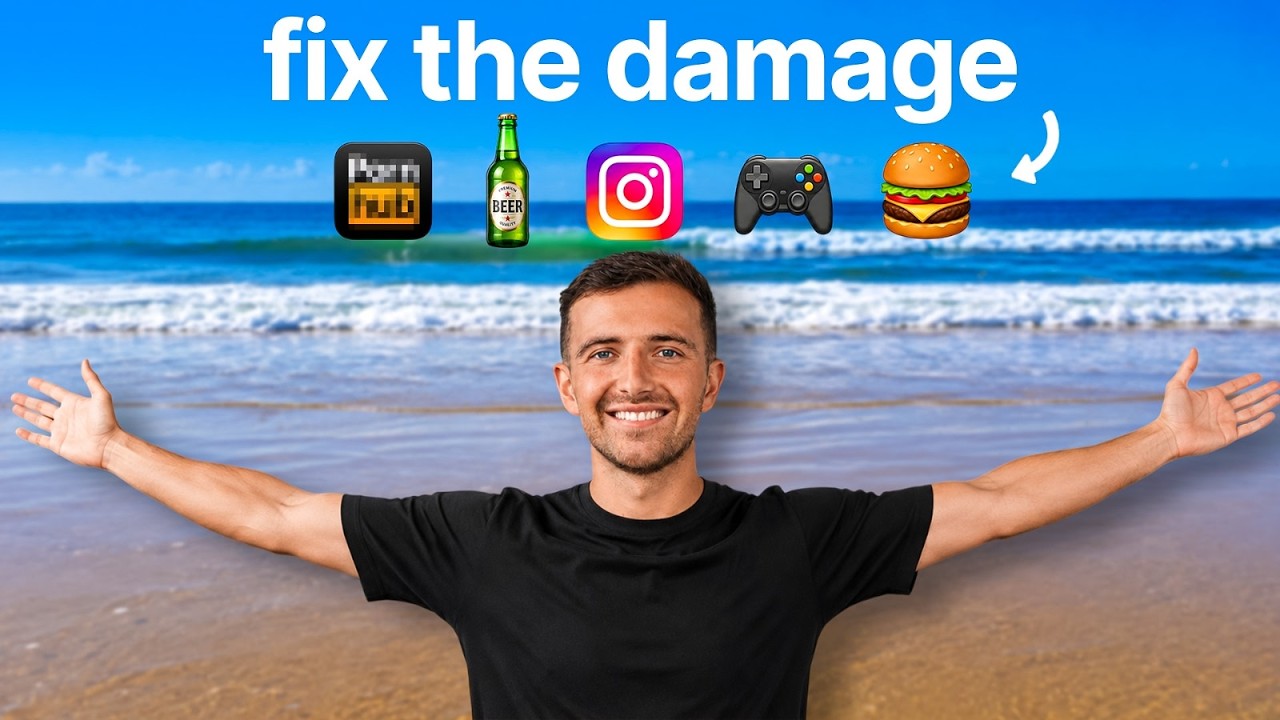
That automatic reach? That’s dopamine at work—and most people completely misunderstand what it actually does.
In a recent video, neuroscientist TJ Power ranked dopamine behaviors from worst to best, revealing how modern life hijacks this critical brain chemical and what to do about it.
Jump to:
The Dopamine Myth Most People Believe
Dopamine isn’t the pleasure chemical you feel after doing something enjoyable. It’s actually the motivation chemical that makes you reach for things in the first place.
Power, who runs a neuroscience research lab focused on building healthier brains, explains the fundamental rule: If pleasure is earned through effort, it’s healthy dopamine. If pleasure is given easily with no effort, it’s unhealthy dopamine.

If you want something simple that actually works, this is one of the most effective tools I’ve used to build strength, conditioning, and endurance without needing a full gym setup.
- Full-body training with one weight using swings, squats, and presses
- Solid cast iron build that feels stable and lasts for years
- Comfortable grip that makes high-rep workouts easier to handle
Healthy dopamine is slow. Unhealthy dopamine is fast. That distinction determines whether dopamine builds motivation or destroys it.
The Worst Dopamine Destroyers
Cocaine: The Fastest Dopamine Spike
Ranking dead last, cocaine represents the most destructive form of fast dopamine available.
Studies show cocaine can increase dopamine levels by 2.5 times within just 9 minutes. Because what goes up fast must come down fast, this creates a devastating crash that leaves users anxious, low, and craving more.
The normalization of cocaine over the last 10 years has been massive, and the destruction to your dopamine production, your sleep, and your life is huge.
Power notes this normalization is particularly concerning given the drug’s impact on dopamine production, sleep quality, and overall life stability.
Pornography: The Silent Brain Breaker
Second on the worst list sits pornography—something Power admits personally struggled with from a young age.
I watched porn from way too young and it honestly broke my brain.
After diving deep into research, Power decided to quit watching pornography entirely. While difficult, the results were transformative.
If you want something simple that actually works, this is one of the most effective tools I’ve used to build strength, conditioning, and endurance without needing a full gym setup.
- Full-body training with one weight using swings, squats, and presses
- Solid cast iron build that feels stable and lasts for years
- Comfortable grip that makes high-rep workouts easier to handle
His motivation, focus on goals, and excitement for life all dramatically improved. The subtle dopamine burn from pornography was quietly destroying his drive to build a better life.
Binge Drinking: The Normalized Destroyer
Alcohol ranks third, capable of doubling dopamine levels within 15 minutes—nearly matching cocaine’s destructive spike.
Power, who started drinking young and struggled with alcohol himself, recommends everyone try a period without drinking to discover its honest impact.
The central thing I noticed when I stopped drinking alcohol and had a big break from it was I felt less anger in my system. There was just this constant irritable tension in me, and without the booze, it seemed to fade.
Other Major Dopamine Destroyers
Power’s complete worst list includes:
- Gambling and betting – Creates devastating expectation versus reality gaps that crash dopamine into depressive states
- Late-night revenge scrolling – Possibly worse than all others due to its insidious, subtle nature that creeps into every aspect of life
- Pointless phone checks – Humans now check phones 205 times daily, creating a constant hamster wheel of addiction
- Ultra-processed foods – Damage gut lining where dopamine and serotonin are partially produced
- Getting angry at strangers online – Triggers tribal defensive responses that platforms intentionally design into algorithms
The Best Dopamine Builders
Embracing Boredom: The Foundation
Before building healthy dopamine, hyper-stimulated brains must first learn to de-stimulate.
Try eating a meal alone while looking out a window instead of watching YouTube. Initially, you’ll feel an intense itch for stimulation—that’s your brain craving dopamine.
If you want something simple that actually works, this is one of the most effective tools I’ve used to build strength, conditioning, and endurance without needing a full gym setup.
- Full-body training with one weight using swings, squats, and presses
- Solid cast iron build that feels stable and lasts for years
- Comfortable grip that makes high-rep workouts easier to handle
Learning to settle into boredom is the first domino that needs to fall for dopamine pathways to rebuild into a more motivated, healthy brain.
Reading: The Definition of Slow Dopamine
Reading fiction or non-fiction books requires line-by-line, page-by-page effort that delivers satisfaction slowly.
Power recently read Dan Brown’s neuroscience-focused novel The Secret of Secrets aloud to his partner each night—a magical, connecting experience that left him feeling deeply satisfied.
That post-activity satisfaction signals your brain saying: Do more of this thing. This makes you healthier and happier.
Cold Water Immersion: Matching Cocaine’s Spike Sustainably
Research shows cold water immersion can match cocaine’s 2.5x dopamine increase—but unlike cocaine’s 9-minute crash, this elevation sustains for 2 hours.
Power admits hating cold water but uses brief cold showers when needing morning motivation. The key? Make it cold enough to feel uncomfortable but not unbearable.
If you want something simple that actually works, this is one of the most effective tools I’ve used to build strength, conditioning, and endurance without needing a full gym setup.
- Full-body training with one weight using swings, squats, and presses
- Solid cast iron build that feels stable and lasts for years
- Comfortable grip that makes high-rep workouts easier to handle
That brief moment of discomfort and pain is going to build the dopamine for your day ahead.
Morning Workouts and Cleaning
Completing challenging workouts builds dopamine through physical effort—something sedentary modern humans desperately need.
Power recommends a non-negotiable 2-minute minimum workout each morning. Some days you’ll only do a few push-ups. Other days you’ll keep going.
Surprisingly, cleaning your home first thing in the morning ranks even higher. Power discovered this while helping his partner after their daughter’s birth.
Simple tasks like emptying the dishwasher or wiping surfaces build healthy dopamine. Most importantly: wherever your brain gets dopamine first thing in the morning, it craves that thing all day.
Get dopamine from hard work early, and you’ll crave hard work. Get it from doom scrolling, and you’re stuck in that cycle.
Walking in Forests Without Technology
Nature walks without phones create space for honest self-reflection that’s impossible in constant distraction.
If you want something simple that actually works, this is one of the most effective tools I’ve used to build strength, conditioning, and endurance without needing a full gym setup.
- Full-body training with one weight using swings, squats, and presses
- Solid cast iron build that feels stable and lasts for years
- Comfortable grip that makes high-rep workouts easier to handle
Out there in the forest without my phone is where I actually met the truth of my reality about all the addictive behaviors. I had honest conversations with myself about my alcohol addiction, substance addictions, food addictions, scrolling addictions.
Natural areas calm the nervous system, making difficult thoughts easier to manage. In that quiet space, you hear the truth about how you’re living—and that painful truth may lead to the greatest freedom imaginable.
Contributing to Others Through Effort
Acts of service rank second best because human brains evolved to operate in tribes where survival depended on mutual contribution.
Helping neighbors, supporting loved ones through difficulties, or making dinner for someone after surgery—these actions live at the center of what our neurochemistry is designed to do.
Observe how satisfied you feel after contributing to others, and you’ll understand its neurochemical importance.
Mastering a Skill: The Ultimate Dopamine Builder
Based on research, skill mastery represents the absolute best dopamine behavior possible.
Dopamine evolved to keep humans alive by motivating hard things: making fires, hunting, building shelters, creating tools. Everyone in ancestral tribes mastered specific skills that enabled group survival.
If you want something simple that actually works, this is one of the most effective tools I’ve used to build strength, conditioning, and endurance without needing a full gym setup.
- Full-body training with one weight using swings, squats, and presses
- Solid cast iron build that feels stable and lasts for years
- Comfortable grip that makes high-rep workouts easier to handle
Skill mastery provides:
- Purpose – Direction and meaning in daily life
- Development – Neuroplasticity that literally rewires your brain
- Healthy dopamine – Natural, sustained motivation that compounds over time
- Satisfaction – Deep fulfillment from continuous improvement
The skill could be anything: guitar, knitting, video creation, dancing, singing. Power himself is currently learning to sing and loves the slow dopamine process.
The Weekly Brain Experiment
Power challenges viewers to identify one skill they want to master and make time for it this week—sacrificing scrolling for skill development.
Practice first thing in the morning or use it as a new form of relaxation. The goal? Feel 1% better at that skill by week’s end.
Healthy dopamine comes from earning pleasure. The question to ask yourself is: How could you work for your dopamine this week? How could you earn your dopamine instead of accessing it for free all the time on your phone?
When you don’t give your brain easy dopamine from phones, it has abundant resources to hunt for dopamine elsewhere—in skill acquisition that actually builds motivation and satisfaction.
Your brain wants dopamine. The only question is whether you’ll let modern technology hijack this critical chemical or reclaim it through effort, mastery, and the slow satisfaction our ancestors knew intimately.
If you want something simple that actually works, this is one of the most effective tools I’ve used to build strength, conditioning, and endurance without needing a full gym setup.
- Full-body training with one weight using swings, squats, and presses
- Solid cast iron build that feels stable and lasts for years
- Comfortable grip that makes high-rep workouts easier to handle