Dr. Clay Moss doesn’t look like most doctors.
He’s lean, muscular, and clearly practices what he preaches when it comes to fitness and nutrition.
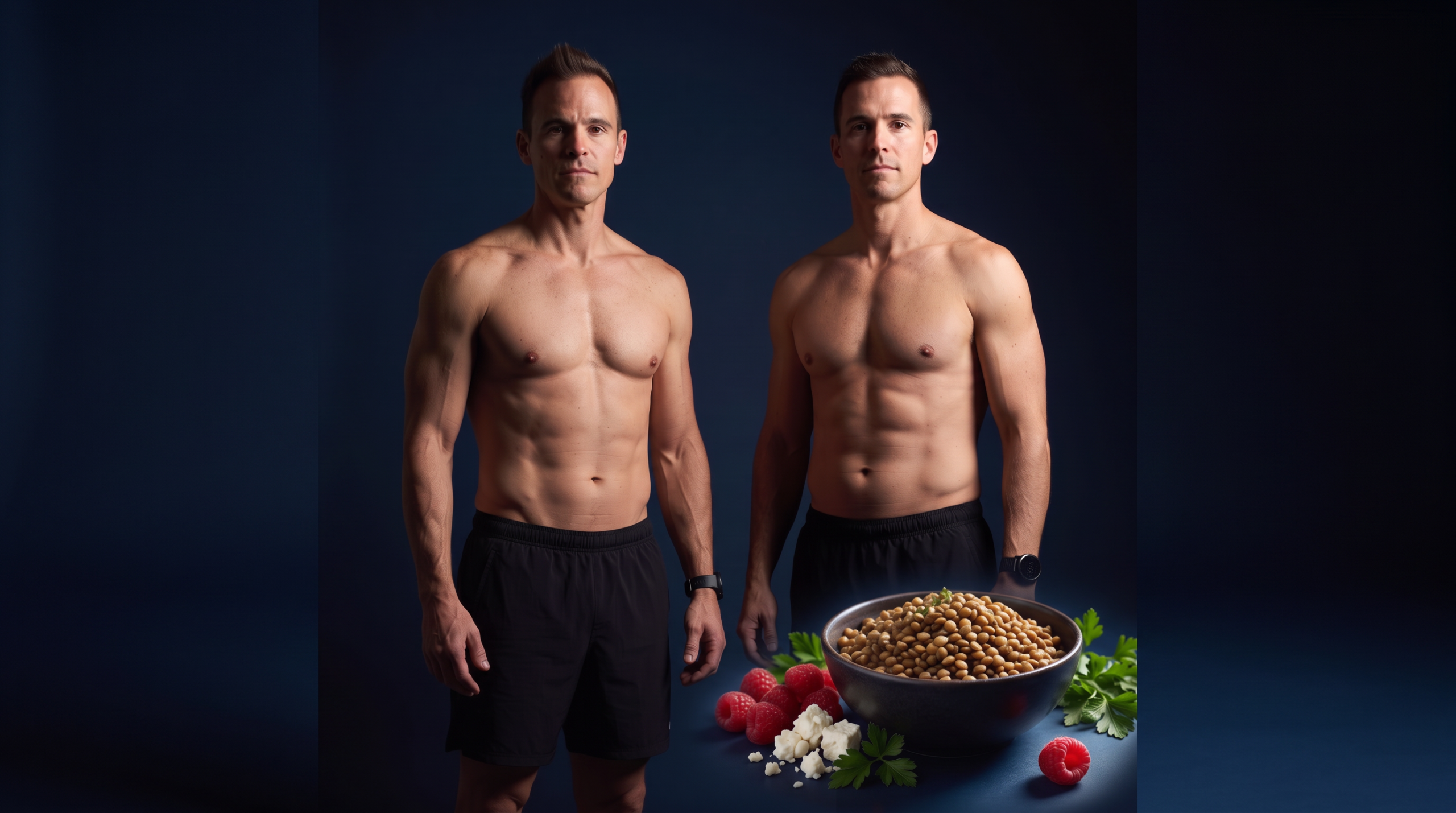
In a candid conversation about his approach to eating and training, Moss revealed the surprisingly simple strategies that keep him in peak condition—strategies that challenge much of what we think we know about dieting.
From intermittent fasting to training in a fasted state, his methods offer a refreshing departure from overly complicated meal plans and restrictive protocols.
Jump to:
- The Foundation: Mediterranean-Style, High Protein
- Why Carb Sensitivity Matters
- A Day of Eating: Simple and Sustainable
- Training Fasted: An Unexpected Advantage
- The Calorie Debate: It’s Not Just About Numbers
- The Danger of Extreme Calorie Restriction
- The Cristiano Ronaldo Diet: A Case Study in Simplicity
- Identity-Based Habits: The Key to Consistency
- Five Fat Loss Strategies That Actually Work
- The Problem With GLP-1 Drugs
- Listen to Your Body—Really
- The Takeaway: Simplicity Wins
The Foundation: Mediterranean-Style, High Protein
Moss doesn’t follow a single rigid diet. Instead, he’s experimented extensively—carnivore, vegan, ketogenic—before settling on what works best for his body.
I just try to stick to is pretty much a high protein Mediterranean style diet. Sometimes I’ll tamper with more of a ketogenic diet just cuz I’m a little bit more carb sensitive than a lot of other people are.
His approach centers on whole, single-ingredient foods with minimal processing. No complicated macros. No obsessive tracking. Just real food, prepared simply.
No products found.
He targets around 160 grams of protein daily at a body weight of 182 pounds—slightly less than the often-cited one gram per pound recommendation, but well within what research supports for maintaining muscle mass.
Why Carb Sensitivity Matters
Moss discovered early that carbohydrates—especially midday—leave him crashing by late afternoon. It’s not about fat gain for him; it’s about how he feels.
If I eat carbs, especially like middle of the day, I tend to have that crash in the late afternoon.
He explains the phenomenon clearly: eating a large serving of rice, sweet potato, or bread causes a blood sugar spike. When that spike crashes back down below baseline, hunger signals fire intensely—and energy plummets.
For Moss, keeping carbs lower means steadier energy and fewer cravings throughout the day.
A Day of Eating: Simple and Sustainable
Moss often practices intermittent fasting, sometimes for weeks or months at a time. When he does eat breakfast, it’s straightforward.
Breakfast
- Protein shake: one egg, scoop of grass-fed whey protein, blueberries, water or almond milk
- Or just eggs with seasoning and avocado
- Black coffee
- No carbs in the morning
Lunch
- Leftovers from dinner the night before
- Ground beef bowl with quinoa, shredded vegetables, blueberries, avocado
- Or salmon with edamame
Dinner
- Grass-fed steak with broccoli and blueberries
- Chicken or fish with vegetables
Notice the pattern? Protein, healthy fats, vegetables, and occasional low-glycemic carbs like quinoa or blueberries.
No products found.
Nothing fancy. Nothing extreme. Just consistent, nutrient-dense choices.
Training Fasted: An Unexpected Advantage
Moss prefers training in a fasted state—both for running and weightlifting. His experience contradicts conventional wisdom that you need to fuel up before exercise.
I like training in the morning fasted better. I just tend to perform better.
While individual responses vary, fasted training can enhance fat oxidation and may improve metabolic flexibility over time. For Moss, it simply feels better—and that subjective experience matters more than any rigid protocol.
The Calorie Debate: It’s Not Just About Numbers
When asked about calories, Moss offers a nuanced perspective that goes beyond “calories in, calories out.”
I think calories determine how much weight you lose or gain. But, I think the macros that make up that calories determines your body composition and where that shape is going to go to.
In other words: Total calories affect the scale. Protein, fats, and carbs affect whether you’re building muscle or storing fat.
High protein intake becomes crucial because the body preferentially shuttles amino acids toward muscle building—especially when combined with resistance training. Protein is also highly satiating, naturally reducing hunger without the need for white-knuckle willpower.
No products found.
The G-Flux Principle
Moss and his interviewer discussed an interesting concept: energy flux, or G-Flux. The idea is simple but counterintuitive.
If you eat 2,000 calories and burn 2,000 calories, you’re at equilibrium. But if you eat 5,000 and burn 5,000, you’re actually in a metabolic deficit due to the energy cost of mobilizing and processing all that fuel.
Think Michael Phelps reportedly eating 10,000 calories daily during peak training. More energy moving through the system means more total energy expenditure—even at the same net balance.
The takeaway? It may be better to create a deficit through increased activity and adequate fueling rather than extreme restriction.
The Danger of Extreme Calorie Restriction
Moss warns against slashing calories too aggressively. Your basal metabolic rate adapts downward. Muscle mass drops. Suddenly, a “cheat meal” that used to be manageable becomes metabolically damaging.
If your BMR has now dropped to 1,000 and you go and you have that same 1,000 calorie cheeseburger, it potentially can have double the negative effect on you.
This is why yo-yo dieting backfires. You lose muscle, slow your metabolism, then rebound harder when you inevitably return to normal eating.
No products found.
Better strategy: Strategic refeeds paired with increased activity, rather than infrequent, massive cheat meals.
The Cristiano Ronaldo Diet: A Case Study in Simplicity
The conversation turned to soccer superstar Cristiano Ronaldo, whose reported diet is shockingly simple:
- Breakfast: Avocado, eggs, black coffee
- Lunch: Chicken or fish with vegetables
- Dinner: Fish or chicken with vegetables
- Occasional additions: Black rice, olive oil, lemon, liver
No dairy. No sugar. No preservatives. Minimal variety. Maximum performance.
Moss sees this as a masterclass in subtraction rather than addition. We’re conditioned to think we need more—more supplements, more superfoods, more complexity.
That’s one of the most simple diets I’ve ever seen, and you can see he’s an athlete that’s at the absolute top of his game.
Ronaldo’s approach suggests that metabolic efficiency might matter more than sheer calorie volume. His body has become ruthlessly efficient at extracting energy from whole, nutrient-dense foods—possibly getting more mileage from fewer calories than the average person.
Identity-Based Habits: The Key to Consistency
Moss references the book Atomic Habits, which emphasizes changing your identity rather than just your actions.
No products found.
Instead of saying “I’m going to eat healthy,” say “I am someone who eats healthy.”
This subtle shift makes adherence easier. You’re not white-knuckling through restriction—you’re simply being who you are.
For Moss, this means telling his wife not to bring sweets or snacks home. He knows he’ll eat them if they’re available. Removing temptation eliminates the need for willpower.
Five Fat Loss Strategies That Actually Work
When asked for his top fat loss tips, Moss didn’t hesitate:
1. Prioritize Strength Training
Muscle is your body’s biggest metabolic sink. It absorbs glucose before fat tissue does, acting as a buffer against poor dietary choices.
2. Eat More Protein
Protein keeps you full longer and preserves muscle during fat loss. Same calories, less hunger.
No products found.
3. Try Intermittent Fasting
Even if it only leads to mild calorie restriction, fasting offers metabolic benefits and simplifies meal planning.
4. Get Comprehensive Lab Work
Deficiencies in omega-3s, magnesium, or vitamin D can sabotage fat loss. Optimize foundational health first.
5. Cut Processed Foods and Excess Carbs
Shop the perimeter of the grocery store. Eliminate anything that comes in a bag. Focus on nutrient density over calorie density.
The Problem With GLP-1 Drugs
Moss acknowledges that GLP-1 receptor agonists like Ozempic can be powerful tools for people struggling with severe obesity. They reduce appetite and kickstart weight loss.
But there’s a critical problem: people lose muscle along with fat—often more muscle than they would on a traditional diet with resistance training.
We’re trading obesity for sarcopenia. We’re now both a fat and under-muscled population, which is probably the deadliest duo that you can possibly have.
He advocates using GLP-1s as a tool, not a permanent solution. The conversation must include strength training and adequate protein intake—or patients will rebound harder once they stop the medication.
No products found.
The real work, Moss argues, begins after stopping the drug. That’s when discipline and sustainable habits become essential.
Listen to Your Body—Really
One of Moss’s most powerful points: modern processed foods have hijacked our innate ability to understand what we need.
When you eliminate junk for even a short period, you start noticing how individual foods make you feel—30 minutes later, an hour later, the next day.
Eggs might be a superfood for most people, but if they make you feel terrible, don’t eat them. Dairy might be nutrient-dense, but if it crashes your energy, cut it out.
There is no one-size-fits-all approach. The goal is to become hyper-aware of your own responses and adjust accordingly.
The Takeaway: Simplicity Wins
Dr. Clay Moss’s approach isn’t revolutionary—and that’s precisely the point.
No products found.
No exotic supplements. No extreme protocols. Just whole foods, strength training, intermittent fasting, and self-awareness.
He’s living proof that the fundamentals—done consistently—deliver results that no complicated diet or expensive drug can match.
If you’re overwhelmed by conflicting nutrition advice, take a page from Moss’s playbook: subtract instead of add. Focus on real food. Train hard. Listen to your body.
Everything else is just noise.