Fitness coach Ka recently broke down nutrition into its simplest form, addressing what he calls the number one struggle for most people trying to get in shape.
With endless information available online, the problem isn’t a lack of knowledge—it’s figuring out how to actually apply it.
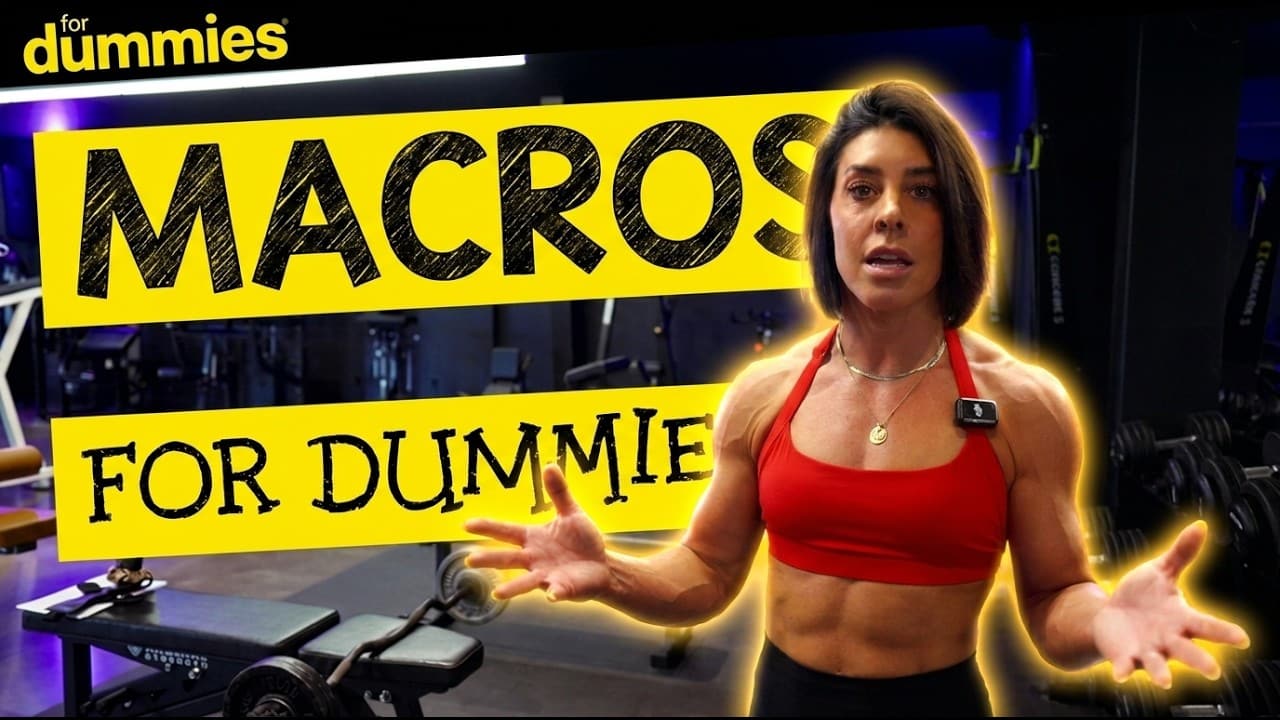
In his straightforward approach, Ka outlined a four-step system that works whether someone is trying to lose fat, build muscle, or maintain their current physique.
No complicated percentages, no confusing ratios—just practical math anyone can follow.
Jump to:
Step One: Calculate Your Calorie Target
Before worrying about macronutrients, Ka emphasizes that establishing a calorie baseline is essential.
He uses a simple multiplier system based on body weight and goals. For fat loss, multiply body weight by 12. For maintenance, use 14. For muscle gain, multiply by 16.
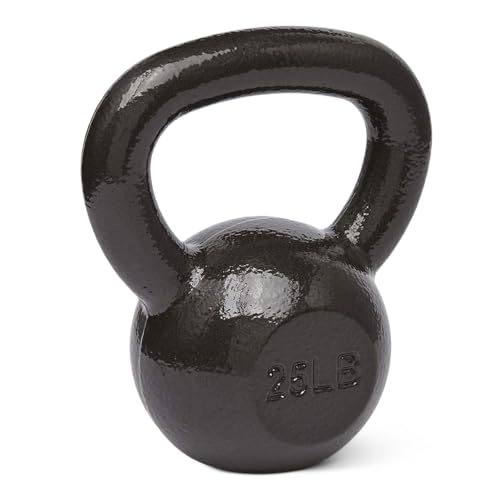
If you want something simple that actually works, this is one of the most effective tools I’ve used to build strength, conditioning, and endurance without needing a full gym setup.
- Full-body training with one weight using swings, squats, and presses
- Solid cast iron build that feels stable and lasts for years
- Comfortable grip that makes high-rep workouts easier to handle
Now, is this going to be perfect? No. But it’s enough to get you in the right direction to start making progress.
Using a 150-pound person as an example, the calculations break down like this:
- Weight loss: 1,800 calories (150 × 12)
- Maintenance: 2,100 calories (150 × 14)
- Muscle gain: 2,400 calories (150 × 16)
Ka notes that multipliers of 13 and 15 can work for those wanting more moderate approaches, particularly for muscle gain with minimal fat accumulation.
Step Two: Set Protein First
After establishing calorie targets, protein becomes the priority macro to dial in.
Ka dismisses complicated ratio systems like 40/40/20 or 50/30/20 splits, instead focusing on what matters most for body composition.
The only macro that you should care about right now as a beginner is your protein.
His recommendation follows the widely-accepted guideline of one gram per pound of body weight—or goal body weight for those in a fat loss phase.
For the 150-pound example, that means targeting 150 grams of protein daily. Since protein contains four calories per gram, that accounts for 600 calories of the daily total.
If you want something simple that actually works, this is one of the most effective tools I’ve used to build strength, conditioning, and endurance without needing a full gym setup.
- Full-body training with one weight using swings, squats, and presses
- Solid cast iron build that feels stable and lasts for years
- Comfortable grip that makes high-rep workouts easier to handle
This leaves remaining calories to be allocated between fats and carbohydrates.
Step Three: Determine Fat Intake
Contrary to outdated diet myths, dietary fat plays crucial roles in hormone production and overall health.
Fats are good for you. Fats don’t make you fat. Fats keep your hormones in check and keep them happy.
Ka recommends calculating fat intake at 0.3 to 0.5 grams per pound of body weight, which typically represents 20-35% of total calories.
For someone who prefers higher carbohydrate intake—like Ka himself—choosing the lower end (0.3) makes sense. For the 150-pound example, that’s approximately 45 grams, which he rounds to 50 grams for simplicity.
Since fat contains nine calories per gram—more than double that of protein or carbs—those 50 grams account for 450 calories.
Step Four: Fill Remaining Calories with Carbohydrates
The final step involves simple subtraction to determine carbohydrate allocation.
If you want something simple that actually works, this is one of the most effective tools I’ve used to build strength, conditioning, and endurance without needing a full gym setup.
- Full-body training with one weight using swings, squats, and presses
- Solid cast iron build that feels stable and lasts for years
- Comfortable grip that makes high-rep workouts easier to handle
Taking the 150-pound person on a fat loss plan: 1,800 total calories minus 600 from protein minus 450 from fat equals 750 calories remaining for carbohydrates.
Since carbohydrates contain four calories per gram (same as protein), dividing 750 by 4 gives approximately 188 grams—rounded to 190 for ease of tracking.
The complete macro breakdown for this 150-pound individual targeting fat loss becomes:
- Protein: 150 grams
- Fat: 50 grams
- Carbohydrates: 190 grams
- Total calories: 1,800
Putting The Numbers Into Practice
Calculating macros represents only half the equation—implementing them requires additional planning.
Ka suggests determining meal frequency first. Whether eating three main meals with snacks or following a more structured four-to-six meal approach, the daily totals need distribution across eating occasions.
For someone eating three meals daily, divide each macro by three. That creates targets of roughly 50 grams protein, 17 grams fat, and 63 grams carbohydrates per meal.
If you want something simple that actually works, this is one of the most effective tools I’ve used to build strength, conditioning, and endurance without needing a full gym setup.
- Full-body training with one weight using swings, squats, and presses
- Solid cast iron build that feels stable and lasts for years
- Comfortable grip that makes high-rep workouts easier to handle
These targets then guide food selection and portion sizes for each eating occasion.
Tracking Makes The Difference
Understanding the system is one thing; accurately following it requires accountability through tracking.
Ka strongly recommends using food tracking apps like MyFitnessPal, particularly for those new to structured nutrition.
If you are actually trying to get serious with your goals and your training and your body, then downloading something like a food app will definitely help you through this.
These apps provide education about portion sizes, calorie density, and how seemingly small snacks can significantly impact daily totals.
Someone might plan a specific dinner, only to realize that untracked snacks throughout the day consumed too many carbs or fats, requiring meal adjustments.
Why This System Works
Ka’s approach succeeds because it prioritizes simplicity over perfection.
If you want something simple that actually works, this is one of the most effective tools I’ve used to build strength, conditioning, and endurance without needing a full gym setup.
- Full-body training with one weight using swings, squats, and presses
- Solid cast iron build that feels stable and lasts for years
- Comfortable grip that makes high-rep workouts easier to handle
Rather than obsessing over exact percentages or trendy macro ratios, this method focuses on establishing reasonable targets that support specific goals.
The protein-first strategy ensures adequate intake for muscle preservation during fat loss or muscle building during a surplus. Minimum fat requirements protect hormonal health. Remaining calories from carbohydrates provide energy for training and daily activities.
Built-in flexibility—like using multipliers between 12-16 or fat ratios between 0.3-0.5—allows for individual preferences and responses.
The framework provides structure without rigidity. Someone who responds better to higher fat and lower carb intake can adjust within the guidelines. Athletes requiring more carbohydrates for performance can shift ratios accordingly.
Common Pitfalls To Avoid
Even with a straightforward system, certain mistakes can derail progress.
Eliminating fat entirely to “save calories” compromises hormone production and nutrient absorption. Fat-soluble vitamins A, D, E, and K require dietary fat for proper utilization.
If you want something simple that actually works, this is one of the most effective tools I’ve used to build strength, conditioning, and endurance without needing a full gym setup.
- Full-body training with one weight using swings, squats, and presses
- Solid cast iron build that feels stable and lasts for years
- Comfortable grip that makes high-rep workouts easier to handle
Neglecting protein targets undermines muscle retention during fat loss or growth during bulking phases. Protein also provides superior satiety compared to other macronutrients.
Failing to track intake consistently creates blind spots where calories and macros deviate significantly from targets without awareness.
Expecting immediate perfection leads to frustration. Like any skill, accurate tracking and meal planning improve with practice.
Adjusting As You Progress
Initial calculations provide starting points, not permanent prescriptions.
After two to three weeks of consistent tracking and adherence, results indicate whether adjustments are necessary. Stalled fat loss might require dropping calories by 100-200. Insufficient muscle gain might need an increase.
Body weight changes also necessitate recalculation. Someone who starts at 150 pounds but drops to 140 should recalculate targets based on current weight.
If you want something simple that actually works, this is one of the most effective tools I’ve used to build strength, conditioning, and endurance without needing a full gym setup.
- Full-body training with one weight using swings, squats, and presses
- Solid cast iron build that feels stable and lasts for years
- Comfortable grip that makes high-rep workouts easier to handle
Training volume, activity levels, sleep quality, and stress all influence caloric needs beyond simple formulas. The multipliers provide estimates that real-world feedback refines over time.
Ka’s system strips nutrition down to its functional core—creating an energy balance appropriate for goals while ensuring adequate protein and essential fats. Everything else becomes personal preference and practical implementation.
For those overwhelmed by conflicting diet information, this four-step framework offers clarity and direction without unnecessary complexity.