Twenty bodyweight squats might seem inconsequential at first glance.
Just two minutes of movement squeezed into a busy day—how transformative could that possibly be?

Yet according to Dr. Ling Yit Kim, this deceptively simple exercise triggers nine distinct physiological changes that ripple through your entire body, affecting everything from blood sugar regulation to brain health.
Even more compelling: research has linked squat performance to longevity itself.
Jump to:
- Reactivating Your Body’s Largest Muscle Groups
- Neurological Benefits Beyond Physical Strength
- Cardiovascular Effects of Lower Body Work
- Blood Sugar Regulation Through Muscle Contraction
- Strengthening Living Bone Tissue
- Balance Training That Prevents Falls
- Joint Health Through Proper Loading
- Preserving Functional Mobility
- Systemic Anti-Inflammatory Effects
- The Sitting-Rising Test: Movement as Longevity Predictor
- Consistency Over Intensity
Reactivating Your Body’s Largest Muscle Groups
Legs and glutes represent the most substantial muscle mass in your entire body. Throughout human evolution, these muscles were designed for constant use—squatting wasn’t exercise but rather a fundamental resting position.
Modern sedentary lifestyles have drastically underutilized these powerful muscle groups. When you perform squats, you’re not introducing something novel; you’re reactivating an ancient movement pattern your body craves.
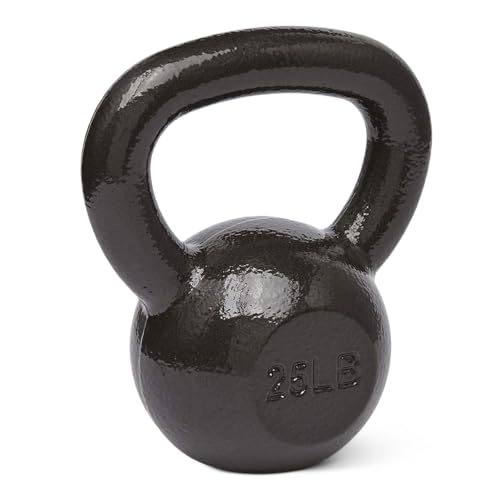
If you want something simple that actually works, this is one of the most effective tools I’ve used to build strength, conditioning, and endurance without needing a full gym setup.
- Full-body training with one weight using swings, squats, and presses
- Solid cast iron build that feels stable and lasts for years
- Comfortable grip that makes high-rep workouts easier to handle
Each repetition creates tension in muscle fibers, activating mTOR—a cellular “master switch” for muscle building. This signal prompts muscles to lay down fresh protein, reconstructing themselves slightly stronger than before.
This matters because muscle loss accelerates dramatically with age. Starting in your 30s, you lose approximately 3-5% of muscle mass per decade, with loss accelerating after 60—a process called sarcopenia.
Research demonstrates that low muscle mass at 65 more than doubles fracture risk from falls. Your daily squat practice becomes a crucial investment determining whether you maintain independence or struggle with basic movements in later decades.
Neurological Benefits Beyond Physical Strength
Working muscles releases chemical messengers into your bloodstream that trigger brain responses. Your brain releases endorphins alongside BDNF (brain-derived neurotrophic factor)—the primary driver of neuroplasticity.
BDNF maintains neuron health and facilitates new neural connections. This biological mechanism explains why people who maintain consistent movement throughout their lives show lower rates of dementia and depression while preserving cognitive sharpness.
Even brief squat sessions breaking up prolonged sitting deliver substantial protective benefits for the organ most critical to preserve as you age.
If you want something simple that actually works, this is one of the most effective tools I’ve used to build strength, conditioning, and endurance without needing a full gym setup.
- Full-body training with one weight using swings, squats, and presses
- Solid cast iron build that feels stable and lasts for years
- Comfortable grip that makes high-rep workouts easier to handle
Cardiovascular Effects of Lower Body Work
Squats function as genuine cardiovascular exercise, though they’re rarely categorized as such. When you drive your body weight upward, massive leg muscles contract forcefully, demanding sudden surges of oxygenated blood.
Your heart responds by beating faster and pumping with increased force. Twenty consecutive squats create a brief but demanding cardiac workout, prompting your heart to adapt by becoming more efficient over weeks and months.
Additionally, leg muscles function as a “second heart”—each contraction presses veins, propelling blood back toward your heart against gravity. Desk workers experience blood pooling in lower legs; squats activate this secondary circulatory pump, reducing heaviness and mental fog.
Blood Sugar Regulation Through Muscle Contraction
That post-meal fog, afternoon energy crashes, and snack cravings often stem from blood sugar spikes and subsequent drops. Leg muscles represent your body’s largest glucose storage and burning site.
Typically, insulin acts as a key, bringing GLUT4 transporters to cell surfaces where they allow sugar entry. Contracting muscles bring these same transporters to cell surfaces without requiring insulin.
Every squat pulls sugar directly from your bloodstream through an insulin-independent pathway. Performing 20 squats shortly after meals engages your largest muscles precisely when glucose floods your system, blunting spikes before they build.
If you want something simple that actually works, this is one of the most effective tools I’ve used to build strength, conditioning, and endurance without needing a full gym setup.
- Full-body training with one weight using swings, squats, and presses
- Solid cast iron build that feels stable and lasts for years
- Comfortable grip that makes high-rep workouts easier to handle
Strengthening Living Bone Tissue
Bone isn’t fixed scaffolding—it’s living tissue constantly being broken down and rebuilt. Your body invests in bone density based on mechanical demands you place upon it.
Squatting creates muscular forces pulling hard on hip, thigh, and spine bones. This force signals osteoblasts (bone-building cells) to maintain skeletal density and strength. Remove these signals, and bones gradually thin—eventually progressing to osteoporosis.
The Lift More trial demonstrated this principle dramatically. Researchers assigned postmenopausal women with existing osteoporosis to perform heavy loaded squats and deadlifts under professional supervision.
Results showed genuine bone density gains in spine and hip regions, with only one minor injury (lower back spasms) among 100 participants. Though that study used heavy weights rather than bodyweight, it proves even fragile bones can rebuild in high-risk populations.
Consider your 20 daily squats the foundational signal—progressive loading over time generates more substantial bone gains.
Balance Training That Prevents Falls
Falls represent the leading cause of injury-related death in adults over 65. Approximately one in four older adults falls annually.
If you want something simple that actually works, this is one of the most effective tools I’ve used to build strength, conditioning, and endurance without needing a full gym setup.
- Full-body training with one weight using swings, squats, and presses
- Solid cast iron build that feels stable and lasts for years
- Comfortable grip that makes high-rep workouts easier to handle
Whether stumbles become falls—and whether falls become fractures—depends on your body’s reaction speed. This represents a trainable skill.
Controlled lowering during squats trains identical muscles needed to catch yourself mid-stumble. Squats sharpen proprioception (spatial body awareness) while strengthening small stabilizing muscles around hips, knees, and ankles.
Stronger, more coordinated legs provide greater margin when you trip or lose balance. If falls do occur, getting back up essentially requires performing a squat—you’re simultaneously training your recovery mechanism.
Joint Health Through Proper Loading
Contrary to popular belief, properly performed squats benefit knee health for most people. Knee cartilage lacks its own blood supply; bending and loading joints pumps fluid in and out, bringing nutrients while removing waste.
Motion is lotion.
Joints that move and bear weight tend to stay healthier than stationary ones. Squatting strengthens muscles surrounding knees; stronger periarticular muscles create more stable, better-supported joints that resist wear and tear.
Important consideration: Squat within comfortable ranges. Never push through pain. If you have joint issues or you’re new to squatting, work with physical therapists to ensure proper form and progressive training that safely increases range of motion and repetition volume.
If you want something simple that actually works, this is one of the most effective tools I’ve used to build strength, conditioning, and endurance without needing a full gym setup.
- Full-body training with one weight using swings, squats, and presses
- Solid cast iron build that feels stable and lasts for years
- Comfortable grip that makes high-rep workouts easier to handle
Preserving Functional Mobility
Hours of daily sitting cause hip and ankle tissues to gradually tighten, shrinking usable range of motion. Eventually, getting low to the ground becomes difficult or impossible due to limited mobility.
Daily squats counteract this specific modern adaptation. This isn’t about flexibility for aesthetic purposes—it determines whether at 75 you can play on the floor with grandchildren and stand back up independently, or whether post-fall recovery requires assistance.
Systemic Anti-Inflammatory Effects
Muscle isn’t merely locomotion machinery—it’s among your body’s largest hormone-producing organs. Contracting muscles release chemical messengers called myokines that travel through your bloodstream, helping reduce chronic low-grade inflammation.
This differs from acute inflammation following infections or injuries. We’re discussing the persistent, simmering inflammation underlying heart disease, diabetes, and dementia.
Greater muscle mass used more frequently sends more anti-inflammatory signals throughout your system, quieting this harmful background process.
The Sitting-Rising Test: Movement as Longevity Predictor
Brazilian physician Claudio Araujo developed the Sitting-Rising Test (SRT)—a remarkably simple assessment with profound predictive power.
If you want something simple that actually works, this is one of the most effective tools I’ve used to build strength, conditioning, and endurance without needing a full gym setup.
- Full-body training with one weight using swings, squats, and presses
- Solid cast iron build that feels stable and lasts for years
- Comfortable grip that makes high-rep workouts easier to handle
How it works:
- From standing, lower yourself to sitting on the floor
- Stand back up using minimal support
- Start with 10 points (5 for descending, 5 for ascending)
- Deduct one point each time you use hands, forearms, knees, or leg sides for support
- Deduct half a point for wobbling or balance loss
Araujo’s study followed over 4,000 people aged mid-40s to mid-70s for more than 12 years. Results were striking: people scoring a perfect 10 showed approximately 4% mortality during follow-up, while those scoring four or below experienced over 40% mortality.
This observational study reveals correlation, not causation—low scores aren’t death sentences, and high scores aren’t guarantees. However, consider what this single movement captures: strength, balance, mobility, and leg power.
These are precisely the capabilities your 20 daily squats systematically build.
Consistency Over Intensity
None of these nine changes stem from single heroic workout sessions. They accumulate through showing up for two minutes daily until your body has no choice but to adapt.
If you’re new to squats or have joint or back concerns, consult physical therapists before beginning. Proper form guidance and progressive programs help you safely increase flexibility and volume.
If you want something simple that actually works, this is one of the most effective tools I’ve used to build strength, conditioning, and endurance without needing a full gym setup.
- Full-body training with one weight using swings, squats, and presses
- Solid cast iron build that feels stable and lasts for years
- Comfortable grip that makes high-rep workouts easier to handle
The primary goal remains getting stronger without injury.
Two minutes daily. Twenty repetitions. Nine systemic changes that compound over years into the difference between independence and dependence, vitality and frailty, longevity and premature decline.