In a recent Huberman Lab podcast episode, Harvard gastroenterologist Dr. Chris Thompson shared a surprisingly simple gut-health rule.
Feed your microbes, or they may start feeding on you.
That one idea links bowel habits, weight loss, and diabetes risk.
Thompson, chief of interventional gastroenterology at Mass General Brigham, also laid out a roadmap of early warning signs most routine checkups miss.
Curious which tests come first?
Jump to:
Why Fiber Is the Foundation of Gut Health
It’s like feed your microbes, you know, or they’re going to eat you, right?
Thompson explained that fiber is what gut microbes live on. Starved of it, they begin munching on the mucous layer protecting your intestinal lining.
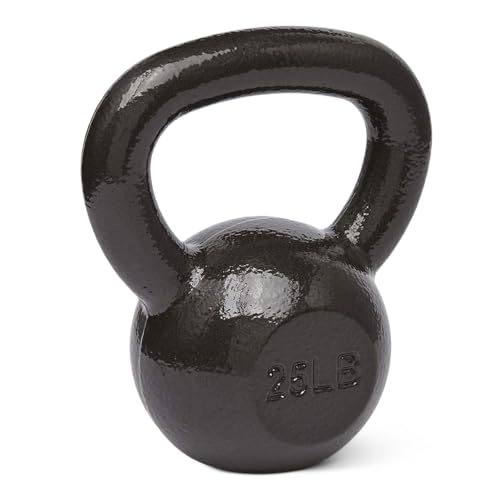
If you want something simple that actually works, this is one of the most effective tools I’ve used to build strength, conditioning, and endurance without needing a full gym setup.
- Full-body training with one weight using swings, squats, and presses
- Solid cast iron build that feels stable and lasts for years
- Comfortable grip that makes high-rep workouts easier to handle
Less fiber also means less butyrate, a short-chain fatty acid his field considers vital.
So there’s layers to this. It’s like a snowball effect.
What Butyrate Does for You
- Fuels colon cells: those cells essentially live on it
- Maintains tight junctions: structures that keep the gut barrier sealed
- Supports satiety: acts through GLP-1 pathways
- Keeps bowel acidic: harder terrain for unwanted organisms
The butyrate is magical, right?
Swallowing butyrate directly won’t work, Thompson noted, because it needs to be produced inside the colon. Bacteria cross-feed: first-layer microbes break fiber into acetate and lactate, then others convert those into butyrate.
Your Bathroom Habits Are a Fiber Report Card
Thompson offered a straightforward rule of thumb: no more than three bowel movements daily, and no more than three days without one.
- Tiny pebbles: a sign something is off, often too little fiber
- Hard stools plus infrequency: constipation, an early window into low fiber intake
- Dark, tarry, shiny stool: possible blood in the GI tract, so get it checked
Host Andrew Huberman recalled targets of 35 grams daily for men and 25 for women. Thompson agreed that’s about right, adding that quality matters too.
He also pointed to a World Health Organization publication in The Lancet suggesting most people in Western countries fall short.
Resistant Starch and the Liver
Thompson described recent trials using type 2 resistant starch, such as raw potato starch. As he recalled it, roughly 40 grams daily improved fatty liver in participants whose weight stayed stable.
If you want something simple that actually works, this is one of the most effective tools I’ve used to build strength, conditioning, and endurance without needing a full gym setup.
- Full-body training with one weight using swings, squats, and presses
- Solid cast iron build that feels stable and lasts for years
- Comfortable grip that makes high-rep workouts easier to handle
Another group used clamp studies, a precise method for detecting insulin resistance, and saw improved insulin sensitivity.
So fiber is very important. It’s not just about the bowel movements, right?
Fermented Foods: The Seeds Plus the Fertilizer
Huberman raised a Stanford study led by Justin Sonnenburg, which involved a small number of people. Fermented foods there restored microbiome diversity and lowered inflammatory markers, while fiber alone didn’t.
Thompson called fermented foods missing in the Western diet. Because trial size was limited, expect further research to refine these findings.
His reasoning: they’re partly prebiotic, feeding microbes, and partly probiotic, supplying live cultures.
So it gets the ball rolling, right?
Thompson personally enjoys kefir. Other options he mentioned:
- Kimchi
- Sauerkraut
- Yogurt
- Kombucha
Intermittent Fasting: Worth the Trade-Off?
Huberman wondered whether long stretches with an empty stomach hurt gut health, since microbes may nibble the lining during fasting. Thompson doesn’t see a major issue.
If you want something simple that actually works, this is one of the most effective tools I’ve used to build strength, conditioning, and endurance without needing a full gym setup.
- Full-body training with one weight using swings, squats, and presses
- Solid cast iron build that feels stable and lasts for years
- Comfortable grip that makes high-rep workouts easier to handle
You know, you need to give your pancreas time to relax.
Constant eating keeps insulin elevated, he said, so time-restricted eating’s benefits likely outweigh the risk. Eating earlier, with a fasting window starting in the afternoon, may even work better than skipping breakfast.
GLP-1 Drugs: Grateful, but Not Perfect
Well, I’m grateful we have them, right?
Thompson sees GLP-1s as a major step forward for obesity treatment. Adherence remains a challenge, though: by his figures, about 30% quit within a month and roughly 50% by year’s end.
Reasons include needle fatigue, nausea, uncertainty about long-term effects, and muscle loss. With older drugs like semaglutide, he said, about a third of lost weight can be lean mass.
The Yo-Yo Muscle Problem
Stop the drug and regain weight, and the returning pounds are fat rather than muscle. Each cycle can leave body composition worse.
- Resistance training: helps preserve muscle during any weight loss
- DEXA scan beforehand: confirms adequate muscle mass if sarcopenia is a concern
- Exit strategy: a maintenance or bridging plan before stopping
Thompson says many of his patients microdose for maintenance, taking smaller amounts than the approved doses. Huberman stressed he wasn’t recommending it, and none of this comes from formal trials, so talk with a prescriber first.
On social-media scares, Thompson said blindness occurs in a very small set of people with a specific optic nerve vulnerability. Screening can catch it, but GLP-1s aren’t blinding people “all over the place.”
If you want something simple that actually works, this is one of the most effective tools I’ve used to build strength, conditioning, and endurance without needing a full gym setup.
- Full-body training with one weight using swings, squats, and presses
- Solid cast iron build that feels stable and lasts for years
- Comfortable grip that makes high-rep workouts easier to handle
The Early-Warning Sequence Before Diabetes
Thompson argued that waiting for an abnormal hemoglobin A1C means missing years of warning signs. He described a predictable sequence of metabolic dysregulation, with a checkpoint at each step.
- Glucose spikes: a continuous glucose monitor can reveal which foods send levels soaring
- High fasting insulin: an inexpensive blood test
- Ectopic fat: fat in liver, muscle, or pancreas; check waist-to-height ratio, DEXA, or liver enzyme ALT
- Insulin resistance: fasting glucose times fasting insulin, divided by a constant; above two signals trouble
- Metabolic inflexibility: a breath test measuring whether you burn fat or carbs appropriately
Get one for a month or two. Learn what spikes your glucose.
Thompson cited the Whitehall II study of British civil servants, where high fasting insulin flagged future diabetes 10 to 15 years ahead. He also cited NHANES data suggesting fewer than a third of lean people are metabolically healthy.
The word there is start looking early and don’t look with the traditional things.
Processed Food and Colon Screening
Thompson recalled an NIH study in which participants ate roughly 500 more calories daily on processed foods than whole foods. Easier digestion, bigger glucose spikes, a lower thermic effect, and less fiber all play a role.
Colon screening matters too. He said adults should start at 45, or at 40 (or 10 years before a relative’s diagnosis) with family history.
- Stool DNA tests: such as Cologuard, repeated every few years
- Colonoscopy: every 10 years if normal
Thompson noted that early cancers can sometimes be removed endoscopically, letting patients keep their colon and go home the same day.