When people think of CrossFit, they often picture barbells, box jumps, and brutal WODs. But if you read the first line of CrossFit’s foundational fitness prescription—“Eat meat and vegetables, nuts and seeds, some fruit, little starch, and no sugar”—you might be surprised to find that it has nothing to do with movement at all.
That’s not a coincidence. In fact, according to longtime affiliate owner and nutrition coach Jocelyn Rylee, the future of CrossFit may hinge on a radical return to those roots.
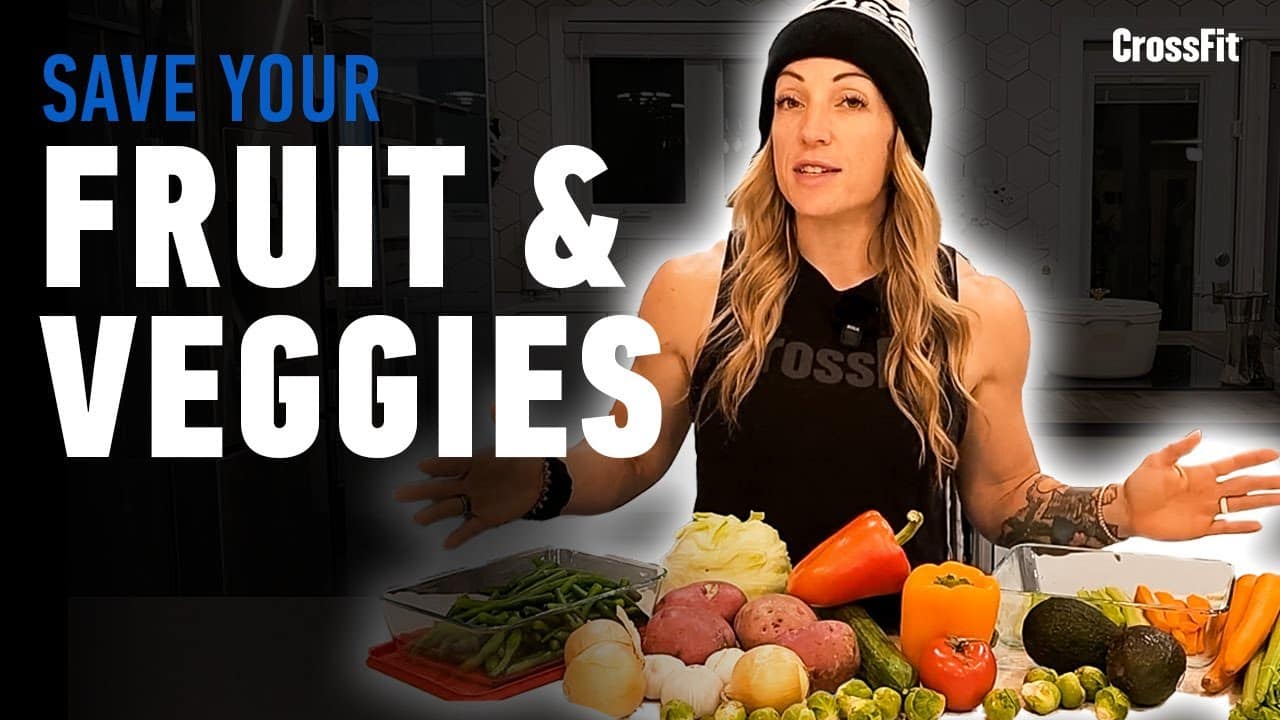
In a conversation on the CrossFit Podcast, Rylee emphasized that nutrition is not a side note—it’s the bedrock of health.
And ignoring it may be the biggest mistake athletes and everyday members make. Here’s why shifting focus from workout-first to nutrition-foundation could transform not only your performance but your long-term health.
Jump to:
- The Forgotten Foundation of CrossFit
- A Fitness Regimen That Doesn’t Support Health… Isn’t CrossFit
- Health Is More Than Aesthetics—It’s Lifelong Independence
- Why Real Food Still Wins
- What About Time and Money?
- Why Most Diets Don’t Work (And What Actually Does)
- Why CrossFit Left Nutrition Behind—and Why It’s Coming Back
- Practical Steps to Start Eating Like a CrossFitter
- Final Thoughts: Nutrition Isn’t a Side Dish—It’s the Main Course
The Forgotten Foundation of CrossFit
From the very beginning, CrossFit’s methodology has been different. Founded in 2001 by Greg Glassman, the approach offered something revolutionary: a measurable, observable, and repeatable prescription for fitness.
But what often gets lost in translation is that the methodology doesn’t begin with movement—it starts with food.
As Rylee points out, the “World-Class Fitness in 100 Words” manifesto begins with a dietary directive. The first two lines outline both what to eat (real, whole foods) and how much (enough to support exercise but not body fat). Only then does it dive into workouts.
“The first line of CrossFit’s definition of fitness has nothing to do with training,” Rylee said. “It’s about nutrition. That’s always been the prescription.”
A Fitness Regimen That Doesn’t Support Health… Isn’t CrossFit
At the heart of the methodology is a bold claim:
“A fitness regimen that doesn’t support health is not CrossFit.”
This quote, pulled directly from Glassman’s 2002 “What Is Fitness” article, serves as both a philosophical anchor and a reality check. For Rylee, it’s more than an abstract ideal—it’s a guiding principle.
After nearly two decades as an affiliate owner at CrossFit Brio in Saskatoon, Canada, she’s seen what happens when people prioritize workouts but ignore their food. Results stall. Health markers worsen. Energy tanks. It’s a cycle that contradicts what CrossFit set out to do.
“Nutrition isn’t just important—it’s essential,” said Rylee. “If you’re not addressing food, you’re only doing half of CrossFit.”
Health Is More Than Aesthetics—It’s Lifelong Independence
Ask most people what “health” means, and they’ll talk about weight loss or looking fit. But in the CrossFit world, health is measured by function—specifically, your ability to remain independent across the decades of your life.
Can you carry groceries, walk up stairs, or get off the ground without assistance at age 80?
That’s the goal. But as Rylee explains, it doesn’t just happen by accident. It’s built—intentionally—with training and nutrition working in sync.
“I think of it like a health savings account,” she said. “What I do now in my 40s—training, nutrition, sleep, recovery—I’m investing in the capacity I’ll need in my 80s and 90s.”
Why Real Food Still Wins
Rylee’s mantra is simple: Eat real food. And that starts with eliminating ultra-processed options that now make up nearly 70% of the average North American diet.
Ultra-processed foods—characterized by refined flours, seed oils, added sugars, and chemical stabilizers—have been shown to disrupt appetite regulation, increase caloric intake, and lead to metabolic dysfunction. In contrast, whole foods offer satiety, nutrient density, and hormonal balance.
“People often ask me, ‘Which protein bar should I eat?’” she laughed. “And I say none. Eat food.”
Her advice:
- Start with breakfast. Ditch the sugary cereal or oatmeal and replace it with eggs, vegetables, or meat.
- Read ingredient labels. If you don’t recognize an ingredient, don’t eat it.
- Cook more. Involve your family, use simple ingredients, and make it a joyful experience.
“Cooking isn’t hard—it just takes effort,” she said. “It’s a lost art, and bringing it back is one of the best things we can do for our health.”
What About Time and Money?
Of course, real life gets in the way. Busy schedules, tight budgets, and lack of cooking experience are real barriers.
But Rylee doesn’t buy the all-or-nothing excuse.
“People think they have to be perfect. But the truth is, any improvement in food quality makes a difference,” she said.
Her suggestion: Start small. Replace one ultra-processed item each day with something real. That might mean packing lunch instead of eating out. Swapping soda for water. Or choosing eggs over Pop-Tarts.
She also encourages families to involve kids in the kitchen—teaching them basic cooking skills to prepare real meals. In fact, her affiliate offers a kids’ CrossFit and cooking camp every summer to do just that.
Why Most Diets Don’t Work (And What Actually Does)
Rylee is no stranger to food trends. As “The Keto Athlete” on Instagram, she’s known for following a low-carb lifestyle herself. But she doesn’t push one-size-fits-all protocols.
Whether it’s keto, Zone, paleo, or another strategy, Rylee’s stance is clear: the best diet is one built on real food and aligned with your goals.
What doesn’t work? Diets based on ultra-processed food replacements, strict restriction without education, or those that prioritize aesthetics over health.
“You can look ripped and still be metabolically unhealthy,” she said. “Health is about function, not just appearance.”
Why CrossFit Left Nutrition Behind—and Why It’s Coming Back
So why has nutrition taken a back seat in recent years?
In Rylee’s view, it’s partly due to the explosive growth of the CrossFit Games and the community’s fascination with elite performance. As CrossFit expanded, many affiliates focused on training intensity and competition, while neglecting the foundation: food.
But that’s starting to shift.
CrossFit HQ is doubling down on health again, and Rylee herself is leading the charge with a new in-person CrossFit Nutrition Course called Nutrition for the Everyday Athlete. The course aims to make real food and health-focused nutrition accessible again—especially for the 99% of members who aren’t competitors.
“We don’t all need to eat like Games athletes,” Rylee said. “We need to eat for health, and that starts with understanding the basics.”
Practical Steps to Start Eating Like a CrossFitter
If you’re ready to finally prioritize your nutrition, Rylee offers a few simple, powerful actions:
1. Master One Meal at a Time
Start with breakfast. Swap high-carb, low-protein meals for real food: eggs, meat, fruit, vegetables.
2. Read Every Label
Avoid anything with enriched flours, added sugars, and seed oils. If it sounds like a chemistry experiment, it probably is.
3. Learn Basic Cooking Skills
You don’t need to be a chef—just consistent. Teach your kids. Share meals. Bring the joy back to food.
4. Understand Your Goal
Your nutrition should reflect your purpose. If you’re training for life—not the podium—your food needs are different.
“People deserve to feel good,” said Rylee. “That starts with how we eat.”
Final Thoughts: Nutrition Isn’t a Side Dish—It’s the Main Course
CrossFit has always been about more than just burpees and barbells. It’s a lifestyle aimed at empowering people to live long, independent, capable lives.
And while the workouts are flashy and fun, the foundation is food.
It’s time to stop treating nutrition like an optional upgrade. It’s the operating system. It’s the first line. And if CrossFit wants to continue being the most effective path to lifelong health, then nutrition isn’t just part of the equation—it’s the beginning of it.