Struggling to gain weight no matter how much you eat? You’re not alone. Many so-called “hardgainers” feel stuck, believing their fast metabolism is to blame.
But according to fitness coach Nick Bare in a recent video, the problem usually lies in an untracked, inconsistent approach to nutrition.
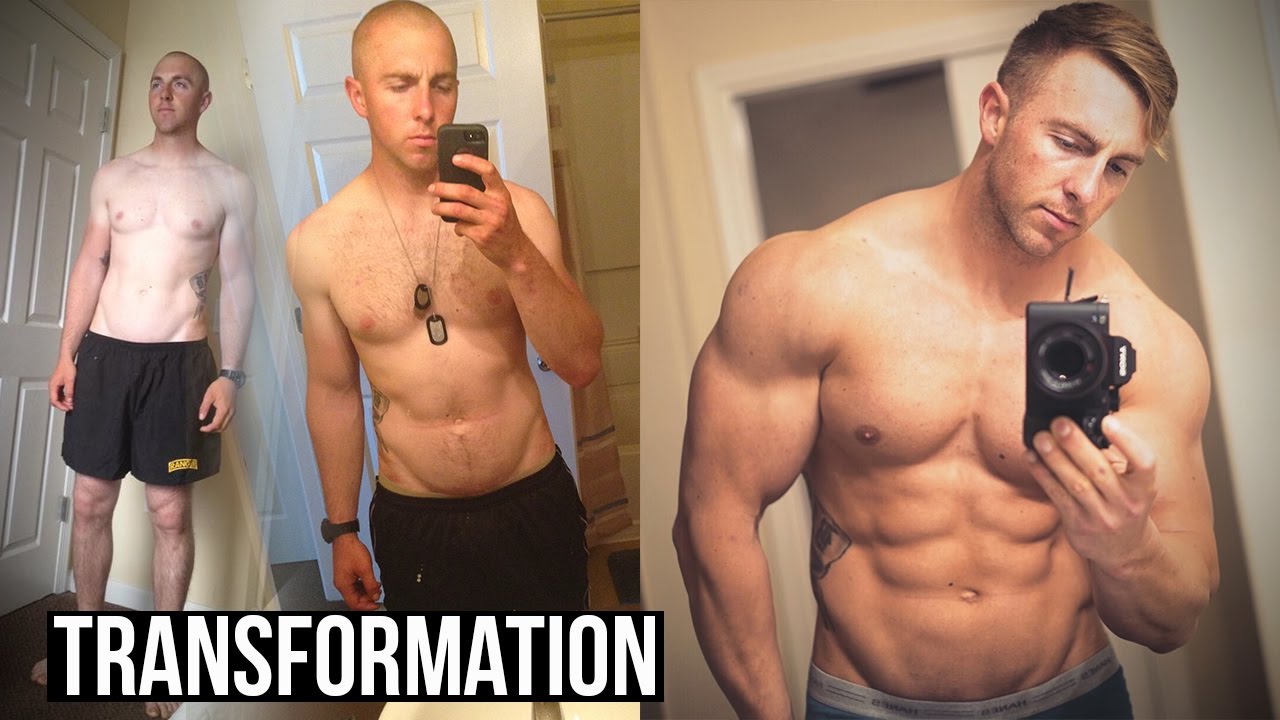
The good news? There’s a clear, manageable path to consistently gain weight: eat more – but do it smart.
In this article, you’ll learn how to strategically increase your calories, prep your meals effectively, and use high-calorie foods to your advantage.
Whether you’re a busy student, have limited time to cook, or just don’t feel hungry often, these four expert-backed tips will help you add mass and muscle—without overload or burnout.
Jump to:
1. You’re Not Eating as Much as You Think
The most common reason people fail to gain weight is simple—they underestimate their calorie intake.
In a college nutrition counseling course, Nick Bare had students record what they ate for a week. Many believed they were consuming 4,000 calories per day. But after calculating the totals using MyFitnessPal, the average was closer to 2,200. That’s a huge gap.
Solution: Write down everything you eat and drink for seven days. Include serving sizes, details like condiments, and all beverages. At the end of the week, plug your entries into MyFitnessPal or a similar app to find your daily average calorie intake.
If you’re not gaining weight, increase your average intake by 500 calories per day. No results after two weeks? Add another 500.
Tip: Don’t rely on hunger cues alone. To gain, you’ll need to eat when you’re not hungry—and that’s okay.
2. Pre-Plan Your Meals for the Next Day
Trying to freeball your meal schedule? That’s a recipe for missed targets.
When you’re trying to consume 3,000–4,000+ calories per day, hitting your macro and calorie goals without a plan can feel overwhelming. That’s why meal pre-planning and prepping is more important during a bulk than a cut.
Use an app like MyFitnessPal to lay out your meals for the next day in advance. Know your macro targets, then divide them across 5-6 meals. For example, if you need 300g of carbs daily, aim for 50g per meal. Slot in proteins and fats accordingly.
Why this works:
- You don’t have to make food decisions during a hectic day.
- You won’t forget meals or undereat out of convenience.
- It’s easier to spot mistakes or gaps in your nutrition before they happen.
Pair your pre-planning with meal prep. Make high-calorie staples like rice, fatty meats, and veggies in batches so you’re never caught without food.
3. Choose More Calorie-Dense Foods
If you’re feeling overly full but still under your calorie goals, calorie-dense foods can help bridge the gap.
Fat contains 9 calories per gram, compared to just 4 per gram for protein and carbohydrates. That means you can eat less volume but get more energy with fats. Plus, fat-rich foods often digest slower, preventing energy crashes tied to carb-heavy meals.
Examples of calorie-dense add-ons:
- Nut butters (peanut, almond): 2 tablespoons = ~190 calories
- Cashews: 1/4 cup = ~160 calories
- Coconut oil: 1 tablespoon = ~120 calories
- Grass-fed butter: 1 tablespoon = ~100 calories
Strategic swaps:
- Use whole eggs instead of egg whites
- Choose fattier cuts of meat (chicken thighs, ground turkey, beef)
- Add oils, sauces, and spreads to meals—coconut oil in rice, almond butter on toast, etc.
This method lets you squeeze in hundreds of extra calories without drastically increasing portion sizes.
Example High-Calorie Meal
One of Nick Bare’s go-to meals clocks in at over 700 calories:
- 8 oz ground turkey (higher fat content)
- 1 pack Uncle Ben’s Ready Rice (roasted chicken flavor)
- 1 tbsp coconut oil stirred in
It’s calorie-loaded, nutrient-dense, and easy to eat—especially when you’re not feeling ravenous.
4. Add a Calorie-Heavy Nighttime Meal or Shake
Sometimes the day gets away from you. Classes, meetings, or a crazy schedule makes it difficult to keep up with meals.
If that sounds familiar, add a calorie-dense late-night meal or shake before bed. It’s one of the most effective ways to sneak in those last few calories without feeling too full during the day.
Try this nighttime routine:
- 2 scoops of protein powder
- 1 cup of whole milk or almond milk
- 2–4 servings of whole grain cereal
- Peanut butter and/or almonds for added fat
Pour the shake over the cereal for a tasty, high-calorie bowl that combines protein, complex carbs, and healthy fats—all while your body winds down and begins recovery.
Calories total: 600–800+, depending on ingredients and portion sizes.
Bonus Tip: Progress Slowly to Stay Comfortable
Cramming in an extra 2,000 calories overnight might lead to digestive issues, fatigue, or frustration. Instead, ease into a surplus gradually.
Bare recommends starting with small increases—just a few hundred calories—and monitoring progress weekly. Once weight gain plateaus, adjust again.
“You have to provide your body enough nutrients and calories to grow,” he says. “But you don’t need to feel miserable doing it.”
Final Thoughts: Gaining Weight Is a Skill You Can Learn
For skinny guys who feel like “nothing works,” the real issue is typically inconsistency, lack of tracking, or poor food choices—not their genetics.
By tracking your current intake, eating calorie-dense foods, planning ahead, and using strategic nighttime meals, weight gain becomes a systematic, achievable goal.
Most importantly, do what works for your body and lifestyle. With patience and consistent effort, you’ll build the size and strength you’ve been chasing.
Need a starting point? Try adding this 638-calorie shake to your daily diet:
- 2 scoops protein powder
- 1 cup milk
- 2 tablespoons peanut butter
- 1/2 banana
Simple. Effective. Repeatable. Just like your gains will be.