Fitness professionals and enthusiasts now have their roadmap for 2026.
The American College of Sports Medicine (ACSM) just released its annual Worldwide Fitness Trends forecast, marking two decades of tracking what’s shaping the industry.
Based on insights from 2,000 clinicians, researchers and exercise professionals worldwide, this year’s report reveals where the fitness world is heading—and why it matters for your health.
Lead author Cayla R. McAvoy, PhD, emphasized how dramatically fitness has evolved over these 20 years, from childhood obesity concerns to pandemic-driven online training and now toward technology-driven, mentally supportive movement strategies.
Jump to:
Technology Takes the Crown Again
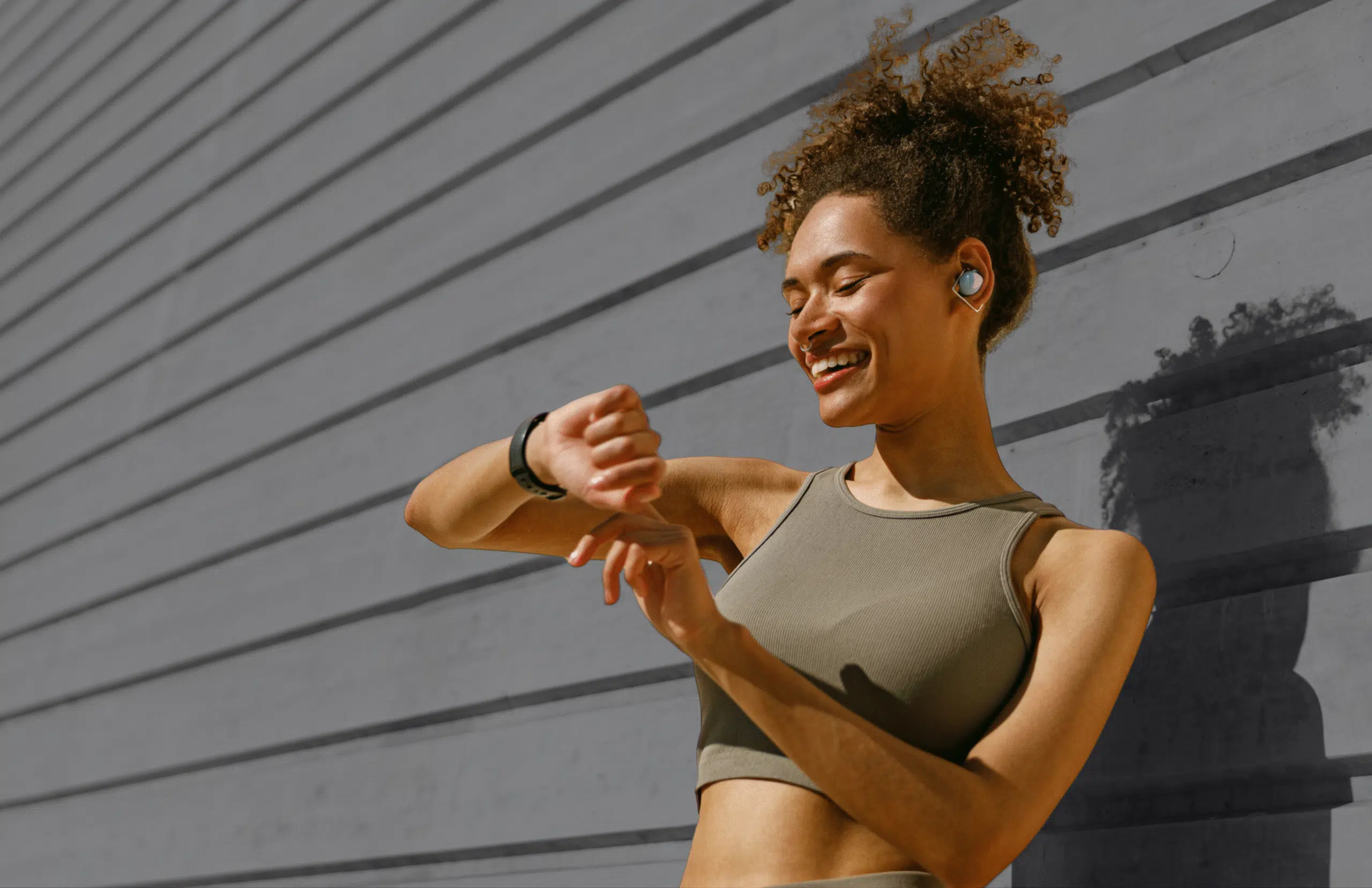
Wearable Technology claimed the number one spot for 2026, cementing its position as more than just a passing craze.
Nearly half of U.S. adults now own fitness trackers or smartwatches equipped with advanced biosensors measuring everything from fall detection to blood glucose and heart rhythm irregularities.
Nearly half of U.S. adults now own a fitness tracker or smartwatch, so the question is no longer whether people will use wearables. What matters now is teaching people how to use them in ways that best support their health and behavior change.
These devices appeal across demographics—from rehabilitation patients to elite athletes to aging adults seeking independence.
But Dr. Sarah M. Camhi cautioned that not all metrics are equally reliable. Data patterns over time provide more actionable insights than isolated readings, making certified exercise professionals essential for interpretation.
Older Adults Command Attention
Fitness Programs for Older Adults secured the second spot, reflecting demographic reality: all 73 million baby boomers will exceed age 65 by 2030.
Industry data reveals adults 65 and older now visit gyms more frequently than any other age group.
Physical activity is especially critical for older adults, as evidence consistently links regular exercise to the prevention and management of age-related conditions. Effective programs should be safe, enjoyable, and designed to enhance functional capacity in Activities of Daily Living.
Jennifer Turpin Stanfield, MA, pointed to research showing targeted programs help preserve strength, reduce fall risk through balance work, and support cardiovascular health with low-impact options.
Interestingly, classes labeled “functional” or “low intensity” attract significantly more participants than those branded “senior fitness”—suggesting language matters when designing inclusive programming.
Weight Management Gets Strategic
Climbing to its highest position yet at number three, Exercise for Weight Management reflects both obesity’s 42.4% prevalence among U.S. adults and growing use of GLP-1 medications.
Research shows combining exercise with pharmaceutical interventions produces superior outcomes: individuals maintaining activity during medication use preserve more lean muscle mass and sustain greater fat loss after stopping drugs compared to medication-only approaches.
Exercise and physical activity should be part of any weight management program due to their positive impact on both mental and physical health. Weight loss drugs may reduce muscle, which can harm health. Exercise may preserve muscle, boost strength, and improve physical function, but research is still ongoing.
Dr. Alexios Batrakoulis emphasized exercise should be considered fundamental, not optional, in treating obesity.
Apps Deliver Flexibility
Mobile Exercise Apps ranked fourth, capitalizing on convenience and self-monitoring capabilities that support goal-setting.
With 345 million users generating over 850 million downloads in 2024, these platforms attract primarily younger, urban, college-educated women—though adoption lags among older adults and those with limited digital literacy.
Features like reminders, rewards and social competition drive habit formation, though long-term effectiveness depends heavily on sustained engagement and program quality.
Mind-Body Connection Strengthens
Balance, Flow and Core Strength formats claimed fifth place, rebounding from pandemic-era declines as holistic health priorities gained traction.
Pilates, yoga, and core training are resonating across generations. Their popularity reflects a broader industry shift toward longevity, holistic health, and mind-body integration.
Dr. Rachelle Reed noted these formats excel at delivering personalized attention within group settings while improving posture, mobility and injury prevention—particularly valuable for aging populations.
Mental Health Moves Center Stage
Jumping two positions to sixth, Exercise for Mental Health reflects shifting motivations: 78% of exercisers now cite emotional well-being as their primary reason for working out, ahead of physical fitness or appearance goals.
With over one in five U.S. adults experiencing mental health conditions annually, movement-based interventions offer evidence-based, scalable support.
Resistance training reduces depressive symptoms, while mindfulness formats like yoga provide additional stress reduction and emotional regulation benefits.
The Complete Top 10
Rounding out the 2026 leaders:
- #7 Traditional Strength Training – Despite proven benefits for bone density, metabolism and mobility, fewer than 30% of adults meet muscle-strengthening guidelines
- #8 Data-Driven Technology – Over 70% of wearable users apply output data to guide exercise decisions, with heart rate variability gaining traction for personalizing training intensity
- #9 Adult Recreation and Sport Clubs – New to the top 20, this trend captures pickleball’s explosion and demand for social, low-pressure fitness options
- #10 Functional Fitness Training – Movement patterns that transfer to daily activities appeal across age ranges, from youth athletes to rehabilitation patients
What This Means for You
ACSM’s 20th-anniversary report isn’t just academic—it provides practical direction for anyone serious about sustainable fitness.
Professionals can refine program offerings, gym owners can adjust equipment investments, and individuals can make informed choices aligned with proven trends rather than fleeting fads.
Editor-in-chief Paul M. Gallo emphasized that understanding these patterns helps the industry better serve populations with specific needs, particularly as demographics shift dramatically toward older adults.
Perhaps most importantly, this year’s findings showcase fitness evolving beyond aesthetics toward comprehensive wellness encompassing physical capability, mental resilience, social connection and technological empowerment.
Whether you’re tracking biofeedback, joining a pickleball league, or prioritizing strength training for longevity, 2026’s trends confirm that movement remains medicine—you just have more options than ever for taking your dose.