Tight hips, an aching lower back, stiff neck and shoulders — sound familiar?
For most people, these aren’t just occasional annoyances. They’re daily companions that make everything from working at a desk to getting a good night’s sleep feel like a challenge.

But what if five simple mobility exercises could address all of these problem areas at once?
According to fitness experts, targeted mobility work isn’t just about feeling better in the moment — it’s about building lasting range of motion and finally eliminating chronic aches for good.
Jump to:
The Thoracic Twist: Unlocking Your Spine
That stuck-in-place feeling when waking up usually signals one thing: the thoracic and lumbar regions of your spine need attention.
While strength training certainly helps, keeping these areas loose and moving freely is equally — if not more — important. That’s where the thoracic twist becomes invaluable.
Here’s the technique: Lie on your side with knees bent and pressed together. Keeping legs grounded, rotate your top arm across your body until feeling a deep stretch through ribs and mid-back. Return with control.
For those experiencing severe stiffness, grabbing a light weight can help sink deeper into the stretch and release tension faster. Eight slow reps per side typically does the trick, though continuing until the back feels genuinely loose is the real goal.
Neck Flow: Combat Screen-Induced Stiffness
Neck tightness has become an epidemic in our screen-dominated world.
Hours spent staring at phones, laptops, TVs, and roads — often in suboptimal positions — mean neck muscles rarely experience their full range of motion. The result? Tightness, limited mobility, and cascading problems.
The neck flow drill, despite seeming unusual at first, has become a go-to solution for addressing this modern plague.
Part one involves simple neck circles:
- Start on all fours with shoulders slightly pulled back to prevent cheating the movement
- Slowly make neck circles for about 10 reps
- Feel gentle heat build up, then reverse direction
Part two adds vertical movement: From your side position, lift your neck up, hold briefly, then slowly bring it down.
When combined with proper working posture, these movements provide remarkable relief from neck tension. However, given how delicate the neck structure is, starting gently and tuning into the movement remains critical.
Loaded Ankle Rocks: The Foundation Most People Ignore
Limited ankle dorsiflexion — the ability to pull your ankle toward you — might seem minor, but research shows it completely alters movement patterns throughout your entire body.
Studies demonstrate that restricted ankle mobility increases stress on knees and hips while adding extra load to the lower back. Those stiff ankles are essentially sabotaging everything above them.
Loaded ankle rocks offer an effective solution, and they can be performed two ways:
Method one uses a lunge position: Drive your front knee over your toes, then push your heel down with your hands to deepen the stretch.
Method two incorporates weight: Grab a 10-kilogram (22-pound) weight and perform the same movement pattern.
Eight slow rocks per side for two rounds typically delivers results. Over time, squats get deeper, movement feels smoother, and knee complaints decrease considerably.
Hip Mobility: The Game-Changing Discovery
Difficulty running, squatting deep, or sitting comfortably for more than 15 minutes often points to one culprit: neglected hip mobility.
While numerous muscles surround the hips, the piriformis — a small muscle on the side of your hip controlling external rotation — deserves special attention. For most people, it’s chronically tight from excessive sitting.
The 90-90 Stretch
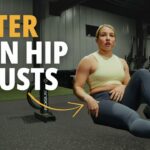
Sit with both legs bent at roughly 90 degrees. Slowly lean your chest forward over your front leg, holding for 10 to 15 seconds before returning upright and repeating.
You should feel a deep stretch in the outer part of your front hip — exactly what’s needed.
Active Pigeon Lift
From a pigeon stretch setup — one leg straight behind, the other bent 60 degrees in front — tense your core and slowly lower your torso forward. Go as low as possible, supporting yourself with hands if necessary, then press back up using your glutes.
This variation feels more strength-mobility focused and proves more demanding than the 90-90, but does a fantastic job opening hips.
Whichever approach you choose, aim for six reps per side or continue until that side of your hip begins opening up.
Crab Lift: Reversing Forward Shoulder Posture
Take a moment to check your posture right now. Chances are, your shoulders are rounding forward.
And truthfully, it isn’t your fault. Nearly everything we do — typing, driving, even push-based gym work — happens in front of us. Over time, this chronic positioning drags shoulders forward, irritating front structures of the joint and causing that annoying shoulder pain or pinching sensation.
While exercises like external rotations and subscapular work remain essential, the crab lift offers an excellent mobility-focused solution.
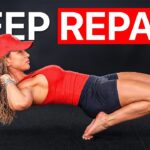
Technique breakdown: Sit on the ground with hands behind you, fingers pointing straight back. If shoulders are extremely tight, turn hands slightly outward to ease the load. Press through heels and lift hips toward the ceiling, really opening up your chest at the top. Lower slowly and repeat.
Ten slow reps for two rounds usually suffices, but caution is warranted. If you currently experience shoulder pain or have a history of shoulder problems, start extremely conservatively with slower movements or partial range.
Shoulder structures are delicate — forcing them never ends well.
Building Mobility That Lasts
These five mobility drills target the most common problem areas plaguing modern bodies: the spine, neck, ankles, hips, and shoulders.
While they appear simple, their effectiveness is undeniable. The key lies in building them up slowly and consistently, allowing your body to adapt and develop mobility that actually lasts rather than temporary flexibility that disappears after a few days.
Consistency beats intensity every time when building lasting range of motion and finally saying goodbye to chronic aches and pains.