Barbell hip thrusts might be the darling of social media fitness culture, but one coach is pushing back against the hype.
In a recent candid video, she made a bold declaration: barbell hip thrists are “the worst.”
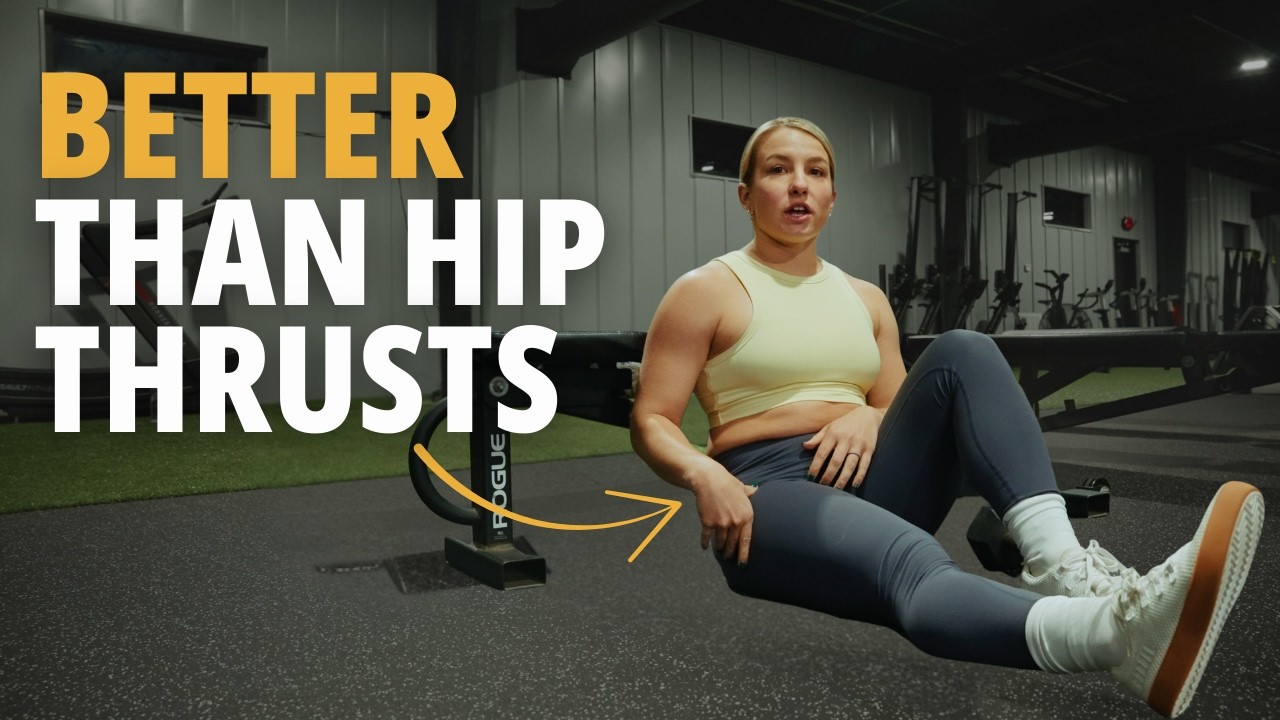
Instead, she’s championing a lesser-known variation that she claims delivers better results with less hassle—and it might just transform how you train your glutes.
Her secret weapon? The single-leg hip thrust.
Jump to:
Why She Hates Barbell Hip Thrusts
The fitness coach doesn’t mince words when it comes to the barbell variation.
When it comes to doing glute exercises I am of the stance that barbell hip thrust are the worst. I hate them. They’re clunky to set up, they take too much time to load.
She argues that the traditional barbell setup isn’t even the most effective way to target glutes in that movement pattern. Her preference? Full range of motion squats, step-ups, lunges, Romanian deadlifts, and their variations.
But when she wants a dedicated glute-focused exercise, she reaches for something completely different.
The Single-Leg Hip Thrust Advantage
This unilateral variation offers several compelling benefits over its barbell counterpart.
You’re able to load your legs single one at a time which means that you need to use less overall load but it’s still a great way to overload that hinging up or that top hinge pattern.
The single-leg approach allows you to truly isolate each glute individually. This becomes particularly valuable for addressing muscular imbalances or rehabilitation needs.
A Recovery Game-Changer
The coach’s advocacy for this exercise stems from personal experience. After developing gluteus medius issues and tendinitis from a racing fall, she turned to single-leg hip thrusts for rehabilitation.
This has been one of my favorite moves that I’ve used to actually is part of my rehab and recovery and strengthening that which is where I realize it sucks so bad and it works so well.
That combination—challenging yet highly effective—makes it her go-to movement for glute development.
How To Execute Single-Leg Hip Thrusts Properly
Setup matters significantly for this exercise. The coach recommends using a dumbbell positioned strategically for comfort.
I simply like to take a dumbbell and I like to Simply tuck it over that leg where the handle is right over my leg there so the weights the bells are to the side of my leg.
This placement avoids the awkward hip positioning required when loading barbell hip thrusts, where weight sits uncomfortably across the pelvis.
Step-By-Step Positioning
- Position bench at mid-back level, right below shoulder blades
- Place dumbbell handle over working leg with bells hanging to sides
- Start with both feet planted, then lift non-working leg
- Maintain 90-degree angle in working leg throughout movement
- Drive through heel to achieve full hip extension at top
The coach acknowledges the exercise’s difficulty level with characteristic honesty.
If anyone’s in a block of single leg hip thrust they will tell you what it’s terrible. My clients will speak to that they hate me after I do this.
Programming Strategies For Maximum Results
She recommends two distinct approaches depending on training goals.
Higher Rep Protocol
For muscular endurance and metabolic stress, perform 10-15 repetitions per leg with moderate weight. This approach creates significant time under tension and promotes muscle growth through volume.
Heavy Weight With Tempo Work
Her preferred method combines lower reps (6-8 range) with intentional tempo modifications.
Incorporating a slow tempo lowering or pauses like this, this is really spicy.
Specific tempo variations she recommends include:
- Isometric holds: Pause 2-3 seconds at top position for maximum glute contraction
- Eccentric emphasis: Three-second lowering phase with explosive concentric
- Constant tempo: Three seconds down, one second up throughout entire set
She demonstrated these variations with just 20 pounds and felt immediate glute activation.
Who Should Try This Exercise
Single-leg hip thrusts aren’t just for advanced lifters or those with injury history.
Ideal candidates include:
- Home gym enthusiasts without barbell equipment
- Runners seeking glute-specific strengthening
- Athletes rehabilitating from hip or glute injuries
- Anyone experiencing muscular imbalances between sides
- Lifters who find barbell hip thrusts uncomfortable or impractical
- Those who don’t prioritize hip thrust PR numbers
The exercise works particularly well as an accessory movement rather than primary lift. It requires minimal equipment—just a bench and dumbbell—making it accessible across training environments.
The Challenge: Try It Yourself
The coach issues a straightforward challenge to skeptics and curious lifters alike.
Perform 2-3 sets of 6-8 repetitions using a three-second eccentric lowering phase with a two-second pause at the top. Use weight that challenges you within that rep range while maintaining perfect form.
She predicts two responses: immediate post-workout regret followed by gratitude months later when results become visible.
Come back and tell me how much you hate me afterwards but then in a few months let me know how those booty gains are doing.
The single-leg hip thrust represents a return to training fundamentals: exercises don’t need to be Instagram-worthy or allow for maximum loading to be effective. Sometimes the most challenging, least glamorous movements deliver the most impressive results.
For those frustrated with barbell hip thrust logistics or seeking better glute isolation, this variation offers a compelling alternative worth exploring.