A single flawed study nearly killed one of the most effective leg exercises ever created.
In 1961, doctors banned the sissy squat from schools and military training after research claimed it destroyed knee ligaments.
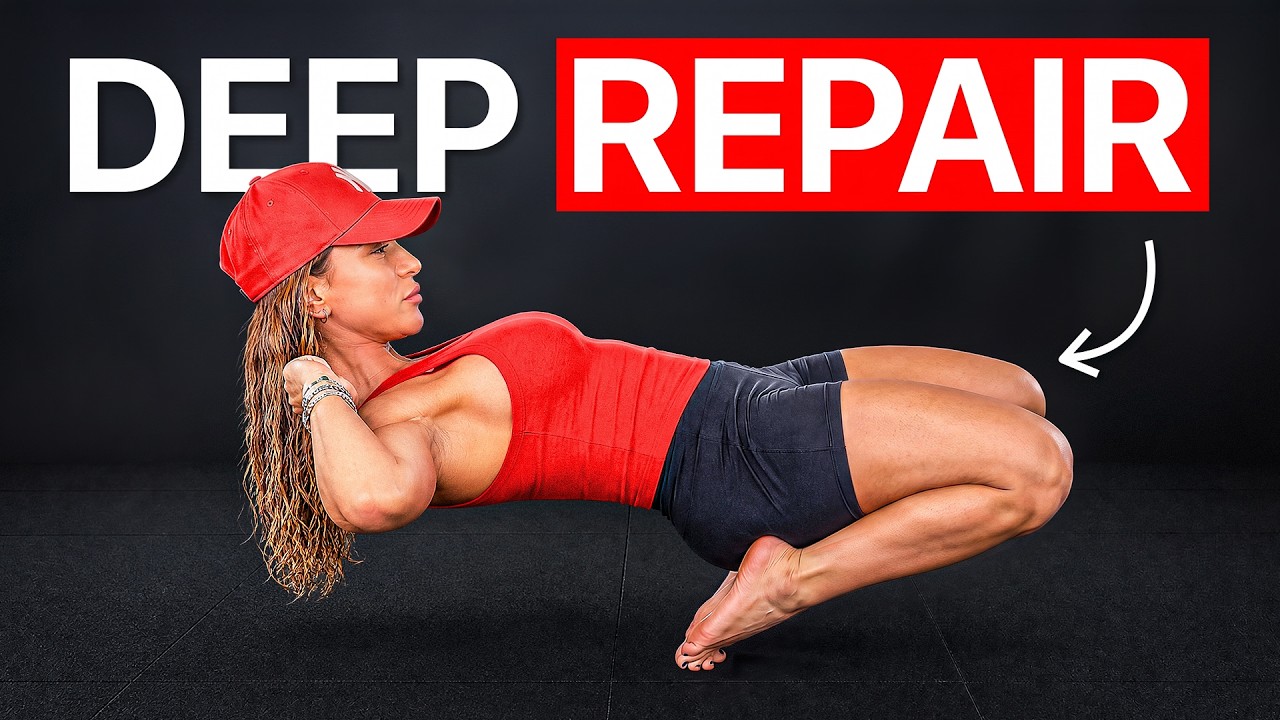
Decades later, Olympic champions and elite bodybuilders still swear by it.
Turns out, science got it wrong—and thousands of people missed out on bulletproof knees because of bad data.
Jump to:
The Study That Banned Sissy Squats
Dr. Karl Klein published research in 1961 examining weightlifters who performed deep squats. He measured knee ligaments and concluded that deep squatting stretched ligaments, making knee joints less stable over time.
Based on Klein’s findings, sissy squats—where hips push forward into extension rather than back—appeared to be dangerous exercise that should be avoided entirely.

If you want something simple that actually works, this is one of the most effective tools I’ve used to build strength, conditioning, and endurance without needing a full gym setup.
- Full-body training with one weight using swings, squats, and presses
- Solid cast iron build that feels stable and lasts for years
- Comfortable grip that makes high-rep workouts easier to handle
Schools pulled it from physical education programs. Military training dropped it from conditioning routines. For years, fitness professionals warned against performing this movement.
The Embarrassing Flaw Nobody Caught
Klein’s study had one critical problem: he measured knee ligaments using equipment he built himself.
No standardized instrument existed for other researchers to verify his work. Without replication using proper scientific tools, Klein’s conclusions remained unconfirmed for years.
When researchers finally examined deep squatting patterns with standardized measurement tools, they discovered the opposite of what Klein claimed.
Deep squatting wasn’t linked to knee instability at all. People who squatted deep regularly actually had stronger and more stable knee joints than those who didn’t.
Why Champions Still Use Sissy Squats
Despite decades of controversy, elite athletes never stopped performing sissy squats. Olympic champions, IFBB pros, and legendary coaches including Brandon Curry, Lee Priest, and Vince Gironda incorporated this movement into their training.
If you want something simple that actually works, this is one of the most effective tools I’ve used to build strength, conditioning, and endurance without needing a full gym setup.
- Full-body training with one weight using swings, squats, and presses
- Solid cast iron build that feels stable and lasts for years
- Comfortable grip that makes high-rep workouts easier to handle
They understood what Klein’s study missed: proper execution makes all difference.
What Makes Sissy Squats Different
During standard squats, hips move backward before descending. Quads, glutes, and hamstrings work together to control movement.
Sissy squats reverse this pattern completely.
Hips push forward into extension while torso leans away from knees. This positioning places entire body weight directly on quadriceps muscles.
This concentrated quad loading doesn’t make sissy squats inherently dangerous—it simply means doing them wrong carries higher risk than traditional squat variations.
Essential Warm-Up Before Attempting Sissy Squats
Proper preparation prevents injury. Before attempting sissy squats, complete this two-minute warm-up sequence:
If you want something simple that actually works, this is one of the most effective tools I’ve used to build strength, conditioning, and endurance without needing a full gym setup.
- Full-body training with one weight using swings, squats, and presses
- Solid cast iron build that feels stable and lasts for years
- Comfortable grip that makes high-rep workouts easier to handle
Heels-Elevated Cyclist Squats
Elevate heels slightly and perform deep squats. Control descent, then drive back up through balls of feet. Hold onto support if needed or keep rolled towel under heels.
- Sets: 3-4
- Reps: 10-12
- Tempo: 3-second lowering phase
Split Squats
Step into lunge position. Elevate front foot on slant board or weight plates if available—this decreases range of motion slightly and improves mobility.
- Sets: 3 per leg
- Reps: 5-8
- Final rep: Pause at bottom for 5 seconds before driving up
Long Step Reverse Lunges
Take controlled step backwards with one foot, landing on ball of foot. Bend both knees to create 90-degree angles. Back knee should hover just above floor while front knee stays stacked directly over ankle. Keep torso upright throughout movement.
- Sets: 3 per leg
- Reps: 8-10
- Tempo: 3 seconds down
Front Split Trio
Get into lunge with posterior pelvic tilt—hips pushed forward, glutes squeezed. Lunge down until back knee touches ground.
- Perform 5 reps
- Hold bottom position for 5 seconds, driving front knee forward over toe
- Pulse back leg for 5 reps
- Hold final position for 5 seconds
- Perform 5 split squats with hands overhead
Elevate front foot on block if mobility is limited.
Tabletop Hip Presses
Assume tabletop position with hands behind body. Open chest to stretch entire anterior chain. Press hips toward sky, stretching hip flexors.
If you want something simple that actually works, this is one of the most effective tools I’ve used to build strength, conditioning, and endurance without needing a full gym setup.
- Full-body training with one weight using swings, squats, and presses
- Solid cast iron build that feels stable and lasts for years
- Comfortable grip that makes high-rep workouts easier to handle
- 5 reps of hip presses
- 5 reps driving knees forward as far as possible
- Hold final position for 5 seconds
Step-by-Step Sissy Squat Technique
Level 1: Assisted Sissy Squat
Stand next to sturdy post, Smith machine, wall, or squat rack for stability. Grip lightly, raise onto balls of feet, and push hips forward by squeezing glutes.
Critical checkpoint: If hips sink backward instead of staying pushed forward, you’re sliding into normal squat pattern. Reset and squeeze glutes again before continuing.
Let knees travel past toes while leaning torso back as you lower. Watch knees carefully—if they drift inward, stabilizing muscles around knee joints aren’t ready for this range yet.
Slow down and only descend as deep as you can maintain proper alignment. Actively push knees outward throughout movement.
Quads will burn intensely since this exercise isolates them more than almost any other movement. Calves and ankles may also feel strain from heels lifting off ground. Slide rolled towel or small block under heels if needed.
Level 2: Unsupported Sissy Squat
Once comfortable with assisted version, remove support. Stand with feet hip-width apart, maintaining straight line from hips through shoulders.
If you want something simple that actually works, this is one of the most effective tools I’ve used to build strength, conditioning, and endurance without needing a full gym setup.
- Full-body training with one weight using swings, squats, and presses
- Solid cast iron build that feels stable and lasts for years
- Comfortable grip that makes high-rep workouts easier to handle
Bend only at knees, letting them travel forward while body leans back. Keep straight line throughout descent. Lower until knees bend as deep as controllable, then push back up through knees.
- Perform 10 reps
- Hold final position for 10 seconds
Progress by removing one hand from support, then using just one or two fingers. Physical therapists use this variation to rehabilitate damaged patellar tendons.
Level 3: Modified Range Sissy Squat
From seated squat position, drive knees forward with no hand support. Reach back to touch back of knee, hamstring, or calf—whatever range current mobility allows.
If mobility permits, reach all way back to touch floor. Move slowly, aiming to open hips slightly more with each repetition.
- Perform 3 reps per side
Level 4: Loaded Sissy Squat
Once you can perform unassisted sissy squats comfortably, add light load. Hold dumbbell or weight plate against chest and perform same movement pattern.
Extra weight increases quad stretch and builds additional strength through full range of motion.
If you want something simple that actually works, this is one of the most effective tools I’ve used to build strength, conditioning, and endurance without needing a full gym setup.
- Full-body training with one weight using swings, squats, and presses
- Solid cast iron build that feels stable and lasts for years
- Comfortable grip that makes high-rep workouts easier to handle
Level 5: Elevated Sissy Squat
Stand on elevated surface like step or bench so knees can travel further down than floor normally allows. Use band or skipping rope for support initially.
Support allows hips to shift even more forward while maintaining control at bottom of movement. Quads are already stretched during regular sissy squats, but elevated surface requires enhanced balance focus to prevent falling backward.
This advanced variation develops exceptional knee and calf flexibility.
Building Progressive Tolerance
If advanced variations feel beyond current capacity, that’s completely normal. Return to preparation exercises and earlier progressions, building gradually until ready for next level.
The problem isn’t the movement, it is skipping the preparation.
Performing sissy squats two to three times weekly provides optimal stimulus for knee strength and quad development without overtraining.
One flawed measurement device in someone’s garage nearly eliminated an exercise that builds bulletproof knees and pain-free movement into your fifties and beyond. Proper progression and technique transform sissy squats from supposedly dangerous movement into one of most effective lower body exercises available.
If you want something simple that actually works, this is one of the most effective tools I’ve used to build strength, conditioning, and endurance without needing a full gym setup.
- Full-body training with one weight using swings, squats, and presses
- Solid cast iron build that feels stable and lasts for years
- Comfortable grip that makes high-rep workouts easier to handle