Building impressive traps isn’t just about aesthetics—it’s about creating a complete, powerful physique that commands attention.
In a recent YouTube video, popular fitness creator Golden Aesthetics broke down why traditional trap training might be holding you back.
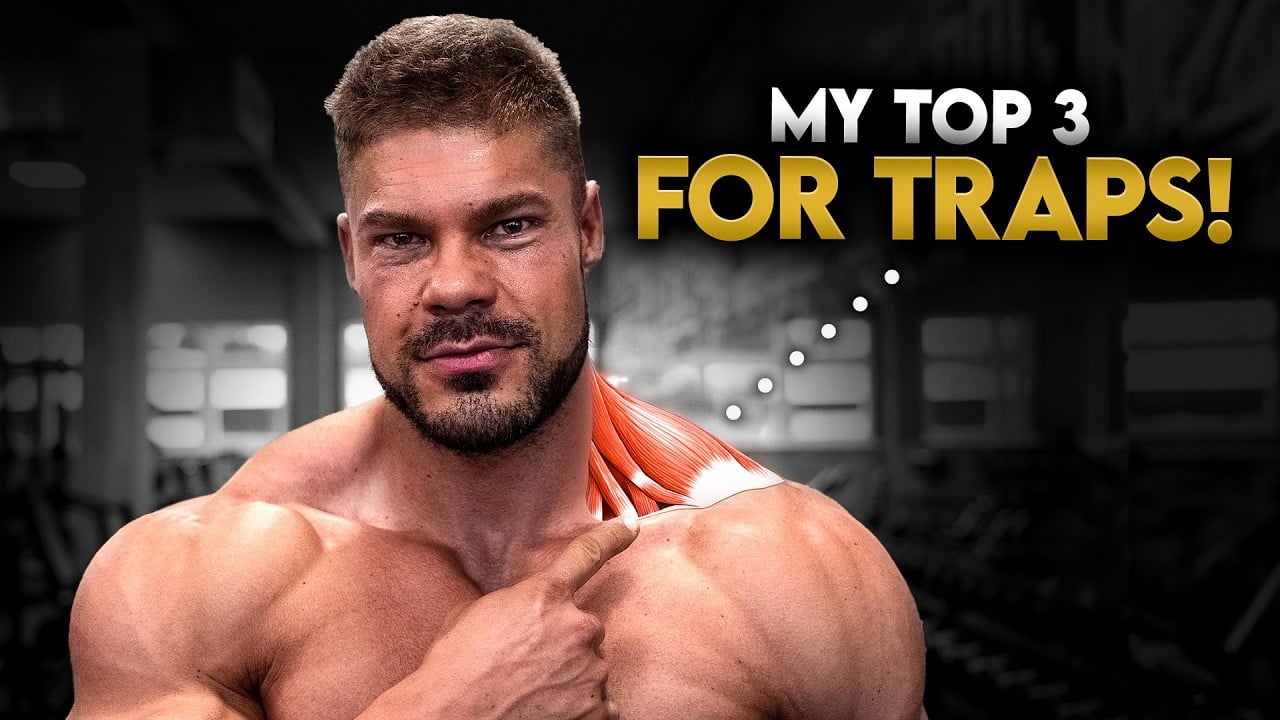
His approach challenges conventional wisdom about shrugs and offers smarter alternatives for maximum growth.
The traps are visible from both front and back, making them essential for a well-rounded muscular appearance.
Jump to:
Why Traditional Shrugs Fall Short
Most lifters default to shrugs as their primary trap builder. The problem? They’re leaving gains on the table.
Golden Aesthetics explains the fundamental flaw: “When you’re doing the shrug, you’re not contracting the traps all the way. You’re not stretching the traps all the way.”
Muscle growth thrives on two critical factors—full contraction and full stretch under tension. Standard shrugs deliver neither effectively.
While performing a basic shrug, muscles experience only passive stretch. Active stretch under load generates significantly more growth stimulus.
Sometimes you have to be a bit more intelligent about your training. This is not the full contraction, but this is the full contraction—the shoulder blades are pulling together to the back.
Understanding trap anatomy reveals why: optimal contraction occurs when shoulder blades retract fully together, not just elevate upward.
Movement #1: Leaned-Back Seated Cable Row
This accessible movement transforms a standard gym staple into a trap-building powerhouse.
Setup and Execution
Select an attachment positioned at shoulder width with neutral grip. This angle allows optimal shoulder blade retraction.
Instead of maintaining an upright torso like traditional rows, lean back slightly. This position shifts emphasis from lats to upper back and traps.
Focus intensely on pulling shoulder blades together rather than just moving weight. That squeeze creates the trap engagement most lifters miss.
Programming Details
- Sets: 3
- Reps: 8-12
- Tempo: Hold contraction for half second, control eccentric
- Load: Heavy but controllable
Golden Aesthetics emphasizes the stretch component: “Go into the stretch with every single movement, but the contraction—that’s where it’s all about.”
Movement #2: Modified Lat Pulldown
Another equipment-accessible option hides in plain sight. Standard lat pulldowns become trap builders with simple adjustments.
The Technique Shift
Traditional pulldowns emphasize vertical pull with upright posture. For traps, angle upper body backward—not extreme, just enough to change muscle recruitment.
Pull bar toward upper chest while squeezing shoulder blades together. This combination redirects tension from lats to upper traps.
Pull it towards your upper chest and bring those shoulder blades together. That is the secret of training the traps.
Grip Width Matters
Position hands so upper and lower arms form 90-degree angle at full contraction. This geometry minimizes bicep involvement and maximizes trap activation.
Volume Recommendations
- Sets: 3
- Reps: 12-15
- Focus: Quality over weight
- Pause: Half second at peak contraction
Higher reps suit this movement pattern. Controlled execution trumps ego lifting for trap development.
Movement #3: Chest-Supported High Row
Chest support eliminates momentum, forcing traps to handle entire workload. This isolation proves particularly effective.
Mind-Muscle Strategy
Rather than thinking “row arms back,” visualize pushing chest forward into pad while shoulders retract. This mental shift dramatically improves trap engagement.
Golden Aesthetics describes it: “Push yourself against it and push your arms back like this. The shoulder blades automatically pull back as well—that targets traps really nicely.”
Loading Parameters
Traps respond exceptionally well to heavy loading. However, weight shouldn’t compromise full shoulder blade retraction.
Find the sweet spot where load challenges muscles without sacrificing range of motion or contraction quality.
- Sets: 3
- Reps: 8-12
- Weight: Heavy with full ROM
- Stretch: Emphasize both lengthened and shortened positions
Modified Shrugs: Making Traditional Moves Work
For those genuinely committed to shrugs, modifications unlock better results.
Backward Shrug Technique
Instead of purely vertical movement, pull dumbbells backward and upward simultaneously. This diagonal path creates superior contraction.
Avoid fully straightening arms at bottom—this shifts tension to biceps. Keep slight bend throughout movement.
Rotational Variation
Incorporate rotation during shrug motion. Move weights from front position to back in circular pattern.
That creates a bigger range of motion. Instead of going just up and down, at least go to the back for a much better contraction and slightly larger range of motion.
Adding bounce at bottom position—when controlled—enhances stretch stimulus further.
Programming Your Trap Training
Strategic placement within training split determines results. Traps can slot into multiple workout configurations.
Option 1: Back Day Addition
Add 2-3 trap-focused movements after primary back work. Muscles are pre-fatigued but still capable of quality work.
Option 2: Shoulder Day Integration
Upper traps assist in shoulder movements. Training them same day creates logical pairing.
Option 3: Dedicated Trap Session
For serious trap development, allocate separate training day. This allows maximum volume and intensity without competing muscle groups.
Golden Aesthetics notes: “Those big traps really make your physique—to finish off your physique and make it look a lot better than it could be without those traps.”
Common Execution Mistakes
Even with proper exercise selection, technical errors sabotage progress.
Insufficient Contraction Duration
Rushing through peak contraction wastes growth opportunity. Half-second pause ensures traps fully engage.
Excessive Weight Selection
Load that prevents full shoulder blade retraction defeats purpose. Ego lifting builds ego, not traps.
Neglecting Stretch Position
Growth occurs across entire range of motion. Shortened ROM equals shortened gains.
Poor Mind-Muscle Connection
Simply moving weight misses point entirely. Feel shoulder blades retracting with each rep.
Physique Impact Beyond Size
Well-developed traps transform overall appearance in multiple ways.
They create illusion of narrower waist through upper body width. Clothing fits differently—even oversized shirts showcase muscular development.
From behind, developed upper back and traps signal serious training commitment. From front, they frame neck and shoulders impressively.
Golden Aesthetics summarizes: “It’s one of those muscle groups that make you look—pretty much either make or break your muscular look, your physique.”
Whether training for aesthetics, strength, or overall development, trap training deserves thoughtful programming. These movements provide framework for building impressive upper back development that transforms physiques and commands respect.