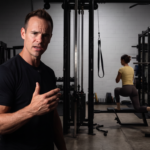
In a recent YouTube video, coach Dr. Pat Davidson broke down how to train glutes with surprising precision.
His big claim: the muscle you feel most is not always the muscle that grows most.
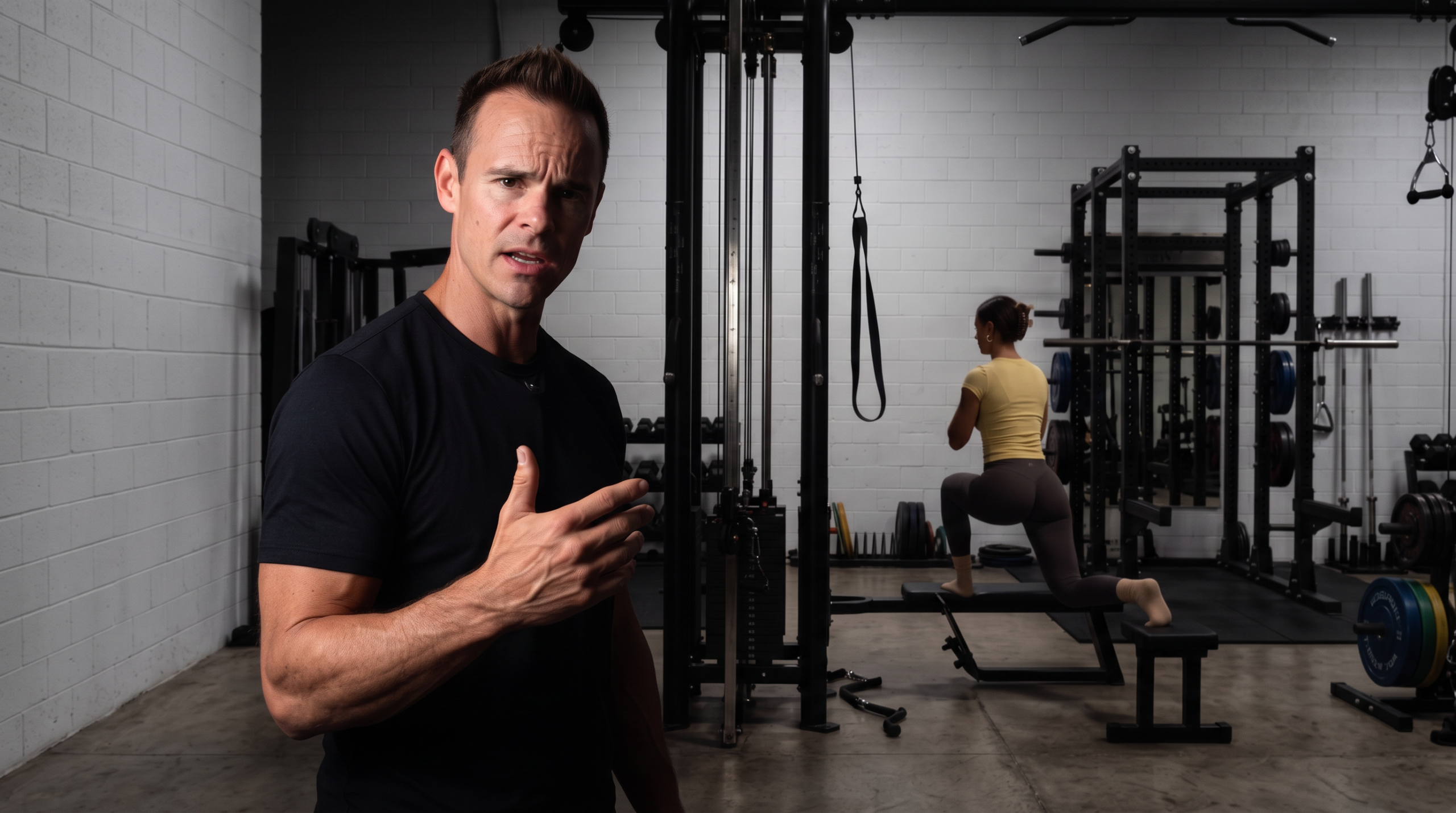
A simple hand reach can also reshape a split squat in seconds.
One hinge cue left a coach shaking, even with lighter loads.
Ready to learn what actually builds a bigger, rounder backside?
Jump to:
Feel Versus Real: Why Stretch Wins
Davidson calls this debate “feel versus real.” Squeezing a muscle hard at the top of a rep delivers a burn, yet that sensation can mislead.

If you want something simple that actually works, this is one of the most effective tools I’ve used to build strength, conditioning, and endurance without needing a full gym setup.
- Full-body training with one weight using swings, squats, and presses
- Solid cast iron build that feels stable and lasts for years
- Comfortable grip that makes high-rep workouts easier to handle
The interesting thing about short training is you’re going to feel the muscle a lot when the biggest amount of stress is put on it when it’s short. But, it doesn’t seem to grow as well as compared to when the exercise puts the most stretch on it when it’s long and stretched out.
His preference is clear. Maximum stress at stretch gets top billing.
Science on lengthened-position training keeps evolving, so treat this as a strong working principle rather than a final law. Davidson himself concedes that shortened-position work still has value, just less per unit of work.
A Quick Visual Test
Want a shortcut for judging any glute exercise? Watch the muscle itself.
You begin to know that it’s a good glute exercise if you see that butt getting bigger when the exercise is going into its stretch.
Squat, Hinge, Isolate: Three Categories
Davidson sorts glute work into three buckets, and he wants at least one squat or hinge in every plan.
- Glute-driven squats: hips travel back while knees stay modest
- Glute-driven hinges: a knee-bent position shifts load away from hamstrings
- Isolation moves: abduction, straight extension, and the 45-degree angle between them
Everything hinges on a simple rule. Knees far from the line of force build quads; hips far from it build glutes and hamstrings.
Who am I to judge anybody else’s goals? It’s like you want atrophied quads and a huge butt? Okay, fine. I’ll help you scientifically figure out how to do that.
Program design stays individual. Flat from the side? Push more squats and hinges. Lacking roundness up top and out wide? Shift volume toward abduction work for the gluteus medius and minimus.
If you want something simple that actually works, this is one of the most effective tools I’ve used to build strength, conditioning, and endurance without needing a full gym setup.
- Full-body training with one weight using swings, squats, and presses
- Solid cast iron build that feels stable and lasts for years
- Comfortable grip that makes high-rep workouts easier to handle
The Frontal-Plane Split Squat
First up was a split squat with the front foot elevated on a Smith machine. Davidson evaluates it from the side, asking one question: which glute looks bigger?
Working-side glute should sit further back in space. If the opposite cheek wins, the pelvis needs repositioning.
Step One: Reach With the Opposite Hand
Reaching forward with the arm opposite the working leg drives the ribs back, which drags the pelvis along. Reaching slightly toward midline sharpens the effect.
I accomplish what I want at the pelvis without talking at the pelvis.
Why bother? Hands and feet carry far more sensory information than hips, so they make better steering tools.
Step Two: Turn the Back Heel Out
Rotating the rear heel outward turns that leg inward, which twists the pelvis further toward the working side. Fear of “scary” knee positions is misplaced here.
You’re not doing a split squat to train the back leg. You’re using the split squat to train the front leg. And I’m using the back leg as a bit of a boat rudder.
The payoff is eccentric loading. Davidson calls absorption “the real big hammer” for growth.
If you want something simple that actually works, this is one of the most effective tools I’ve used to build strength, conditioning, and endurance without needing a full gym setup.
- Full-body training with one weight using swings, squats, and presses
- Solid cast iron build that feels stable and lasts for years
- Comfortable grip that makes high-rep workouts easier to handle
Step Three: Stack Your Axis
Move head-to-hips as one unit: nose over sternum, belly button, zipper, knee, then big toe. Most lifters let the knee shoot past the big toe or the foot flop open.
- Keep weight on the inside edge of the front foot
- Stop the thigh from flying outward, which kills glute tension
- Set the rear-foot reference at standing height, since too high dumps the body forward
One lifter reported feeling the glute go “numb” after only three reps. Adductors lit up too, because they hold the thigh in place.
The 45-Degree Hinge: Tip the Pelvis
Next came a 45-degree back extension, chosen because it traps the body so hips become the lesson. Goal: tip the pelvis until the tailbone points toward the ceiling at the bottom.
A glute is attached to a pelvis. So, I need the pelvis to move and try to get to parallel on my hinges for the glute to be stressed maximally.
Cues That Changed Everything
- Lengthen the torso. Send the crown of the head away from the feet.
- Travel forward. Up or down, the head keeps moving ahead.
- Flip the butt cues. Descending, think cheeks up; rising, think cheeks down.
- Look forward. Let the neck extend, since looking up recruits more hamstrings.
Result? The lifter described feeling glutes “like that” for the first time, with no hamstring or back takeover. Expect to use less load than before.
Setup Details That Matter
Bending the knees shortens the hamstrings, so they contribute less force. Lowering the hip pad and raising the backrest angle also helps.
A pad set too high blocks pelvic tipping. Davidson says people then move only from the back.
If you want something simple that actually works, this is one of the most effective tools I’ve used to build strength, conditioning, and endurance without needing a full gym setup.
- Full-body training with one weight using swings, squats, and presses
- Solid cast iron build that feels stable and lasts for years
- Comfortable grip that makes high-rep workouts easier to handle
Protecting the Lower Back
Gravity pulls straight down through the mid-foot, and Davidson treats that as the line of force. Anything behind the barbell absorbs stress; anything in front escapes it.
The whole back gets stressed with the good morning, only the part of the back that’s in behind the bar with the RDL gets stressed.
Hence his preference for a straight-arm barbell hold over a Zercher grip. Projecting forward keeps more of the spine ahead of the load.
Bench-Supported Kickbacks: Brace to Drive
Free-standing kickbacks often leave lifters feeling only the standing leg. Bench support fixes that.
Anytime I’m trying to move something backwards, I need to brace against something forwards.
Compare a dumbbell row with no hand support: less weight, less stimulation. For abduction, the knee and hand must block exactly opposite the leg’s path.
Abduction Version
To abduct the left leg, turn the pelvis left. Everything on the right side should internally rotate: right hand turned one way, right foot another.
If I want to get your left hip to ER, I need to make your right hip IR.
Seated two-leg abduction machines probably won’t maximize joint actions, he notes. They still grow tissue well enough.
If you want something simple that actually works, this is one of the most effective tools I’ve used to build strength, conditioning, and endurance without needing a full gym setup.
- Full-body training with one weight using swings, squats, and presses
- Solid cast iron build that feels stable and lasts for years
- Comfortable grip that makes high-rep workouts easier to handle
Gluteus Maximus Version
For straight extension, face forward on the bench and flip the setup: internally rotate the working side, pronate the same-side hand, and think heel down.
Davidson cares little about the back end of the rep. Big stimulus lives up front, where force begins.
Want extra stretch? Twist toward the working leg while it is forward, then away from it during the drive.
Your Glute Game Plan
- Prioritize stretch: favor exercises that load glutes lengthened
- Steer from the extremities: reach and foot position set the pelvis
- Bend the knees: hinging with bent knees trims hamstring involvement
- Look forward: forward gaze reduces hamstring and back takeover
- Brace opposite the force: knee and hand anchor kickbacks
- Judge by shape: choose volume based on individual glute shape
Test one tweak next session. Your glutes might notice immediately.