Brazilian CrossFit athlete Gui Malheiros has made a tough decision: he will not compete in CrossFit Games this year.
Instead, he will focus on competing in the World Fitness Pro (WFP) circuit—a choice driven by financial, professional, and strategic factors.
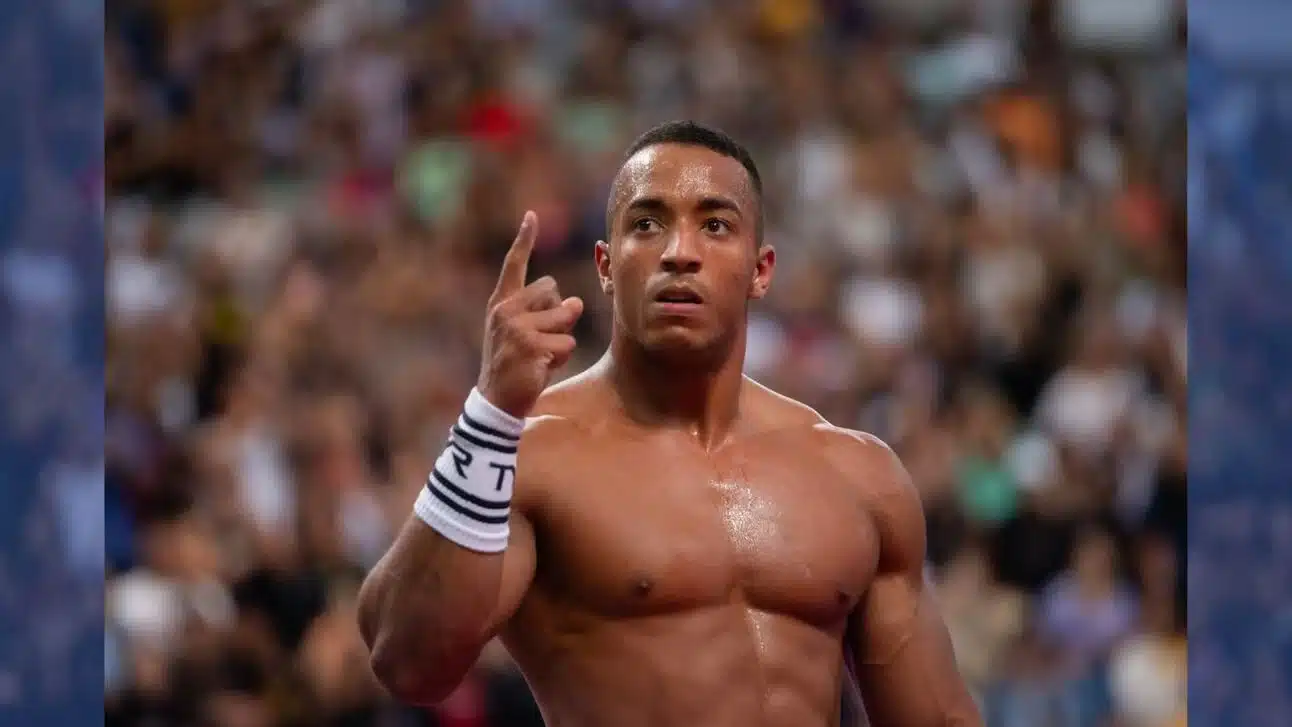
“It was a really difficult decision to make, really annoying,” Malheiros admitted. “I spent several days feeling bad about it, but I had to rationalize it and realize—this is what makes the most sense for me right now.”
Jump to:
Returning to Training After a Long Break
After spending 20 days in Brazil, Malheiros is working to regain his conditioning. He admitted that training was inconsistent while traveling, with only three training sessions during his stay. The situation was further complicated by a wisdom tooth removal, which kept him sidelined for nearly two weeks.
Now back in training, Malheiros is rebuilding his aerobic base and increasing cardio volume. His most recent session included a 4-6 km run alongside training partners Tito and Dinha Quantina.
With just three weeks until his next event—the Men’s Classic on April 5-6—he is focusing on getting back into peak condition. He is also considering competing in a Half Ironman on May 31, but there’s a catch: “I need a bike. If anyone out there wants to finance a bike for me, let me know,” he joked.
The Financial Reality of Competing
One of the biggest factors influencing Malheiros’ decision was the financial burden of competing in Brazil. Without significant sponsorships covering expenses, the costs quickly add up.
“To go to Brazil and compete in the season, I just spend money,” he explained. “I already paid for the Open. Then I’d have to pay for the Semifinals. If I went to the South Cup, I’d have to pay for that too. Then the Games—flights, hotels, food—it’s all on me.”
In contrast, competing in the WFP offers full financial support. The organization covers his travel, accommodations, and even provides an annual salary.
“I only earn money in the WFP—I don’t spend anything,” he said. “That makes a huge difference.”
Why This Year Is Different
In past seasons, Malheiros had sponsorship deals that provided performance-based bonuses. Winning an event came with a significant financial reward, making the investment in competing worthwhile.
But this year, the sponsorship landscape has changed. Without those bonuses, the return on investment (ROI) for competing in Brazil is much lower.
“If I’m putting energy into two things, and only one is bringing me returns, I’ll end up doing both poorly,” he explained. “I prefer to channel my energy into one thing where I get a bigger return.”
Balancing Career and Community
Despite the financial and strategic advantages of competing in the WFP, the decision wasn’t easy. Malheiros has a deep connection with Brazilian fans and the local CrossFit community, making it difficult to step away.
“I love competing in Brazil—it’s my people, the atmosphere is amazing,” he said. “But at the same time, I have to see this as my profession. This is how I make a living.”
Ultimately, it was community encouragement that convinced him to compete in the Open this year. “Jorge told me, ‘Don’t do it for the company—do it for the community, for the people around us,’” Malheiros recalled. “That really moved me.”
Looking Ahead: A Possible Return to Brazil?
While Malheiros is fully committed to the WFP this season, he hasn’t ruled out a return to competing in Brazil in the future.
“Maybe next year it will be more worthwhile,” he said. “They change things every year, so nothing is certain.”
For now, his focus is clear: performing at his best in the WFP circuit and earning a spot at the Rogue Invitational.
“I want to be invited to Rogue this year—that’s my goal,” he said. “So I’m focusing on what will take me there.”
The Bottom Line
Malheiros’ decision to step away from competing in Brazil wasn’t an easy one, but it was a necessary one. The shift to the WFP offers financial stability, professional growth, and a more sustainable career path.
As he pushes forward with training, fans can expect to see him competing at the highest level—whether on the WFP stage or in future events that align with his long-term career goals.