Memory loss might not be what scientists thought it was.
New research analyzing over 10,000 brain scans is completely reshaping our understanding of why cognitive function declines with age.
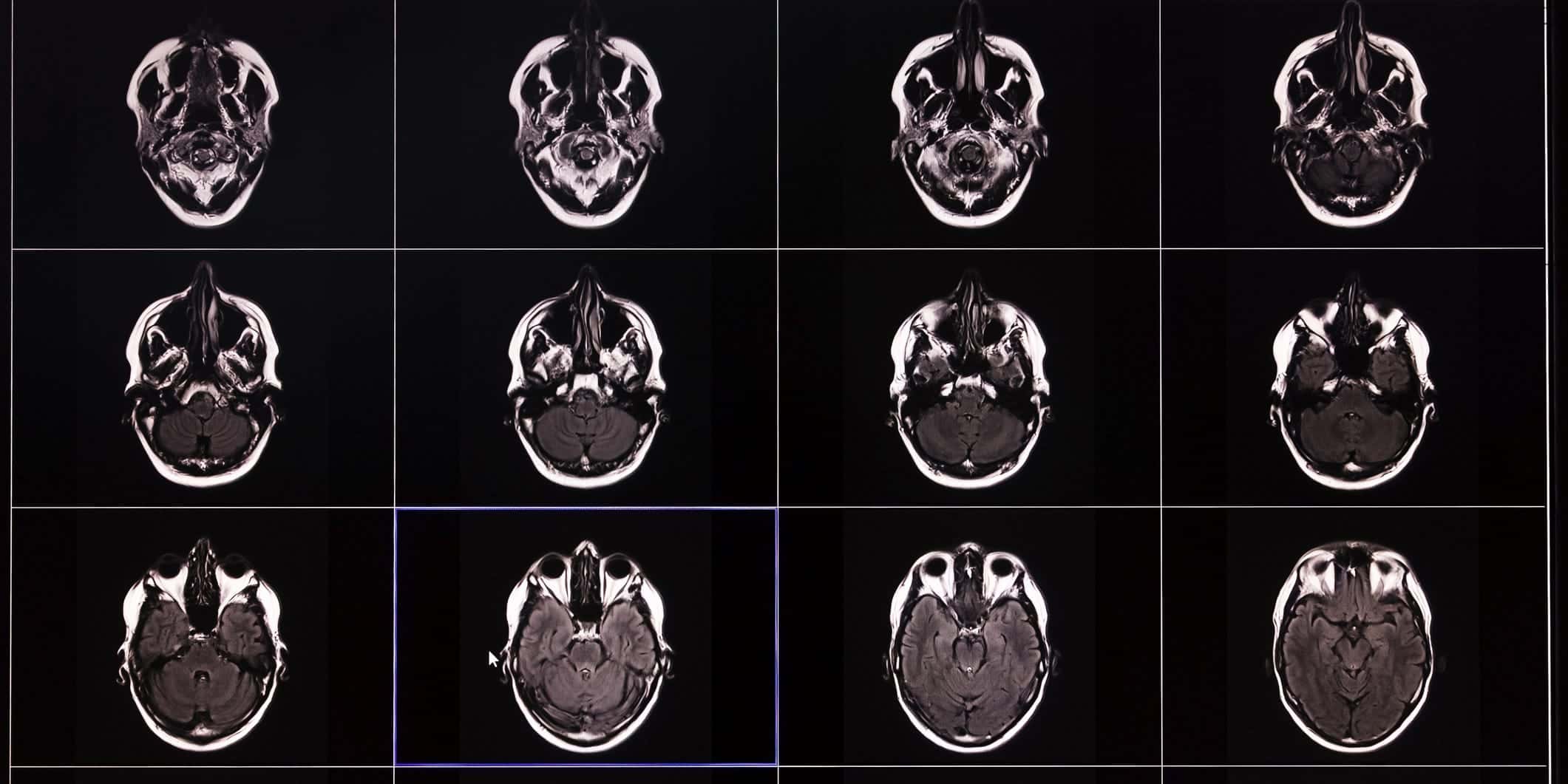
For decades, researchers zeroed in on one specific brain region as the culprit behind fading memories—but this groundbreaking study reveals the truth is far more complex.
The implications could change how we approach brain health for the rest of our lives.
Jump to:
The Traditional View Just Got Flipped Upside Down
For years, neuroscience pointed fingers at the hippocampus when discussing memory loss. This brain region handles learning and memory formation, making it the star player in Alzheimer’s research.
Dementia-related memory decline often shows hippocampal damage, which cemented its reputation as the memory center. But focusing solely on this area was like studying one instrument in an entire orchestra.
Researchers from Harvard Medical School and the Hinda and Arthur Marcus Institute for Aging Research decided to zoom out. Way out.
What 10,000+ Brain Scans Revealed
The team examined 10,343 MRI scans alongside results from 13,460 memory tests involving 3,737 cognitively healthy adults. Their findings, published in Nature Communications, paint a dramatically different picture of memory decline.
Memory loss doesn’t live in one neighborhood of the brain. It’s spread across multiple regions working together—or failing to work together as we age.
By integrating data across dozens of research cohorts, we now have the most detailed picture yet of how structural changes in the brain unfold with age and how they relate to memory.
That’s according to Alvaro Pascual-Leone, MD, PhD, professor of neurology at Harvard and senior scientist at the Marcus Institute for Aging Research.
Multiple Brain Regions Show Significant Changes
While the hippocampus still showed the most structural changes—emerging as early as the late 50s—four other connected brain areas also displayed significant volume loss. These regions maintain neural connections to and from the hippocampus.
As brains age, these neural pathways can weaken, disrupting the delicate processes behind memory formation and learning. Think of it as communication lines slowly breaking down across a network.
Six additional brain areas associated with memory decline were located in the temporal lobe. This region processes auditory and visual information from our environment—the raw material our brains use to construct and retrieve memories.
When these areas shrink, our ability to encode and recall the sensory details of memories becomes compromised. That beautiful sunset or your grandchild’s laughter? The brain needs healthy temporal lobe tissue to properly file those experiences away.
Memory Loss Isn’t Always Gradual
Here’s where things get really interesting. Everyone experiences some degree of brain aging, but cognitive decline isn’t guaranteed to follow a predictable, steady path.
The number of affected brain regions matters tremendously. More areas showing shrinkage correlates with accelerated memory loss—not the slow, gradual decline scientists previously assumed was standard.
This finding overturns conventional wisdom about aging and cognition. Some people maintain sharp memories well into their 80s and 90s, while others experience noticeable decline much earlier. The difference lies in how widespread structural changes become across the brain.
These results suggest that memory decline in aging is not just about one region or one gene—it reflects a broad biological vulnerability in brain structure that accumulates over decades.
Dr. Pascual-Leone emphasizes that understanding this complexity could revolutionize how researchers identify at-risk individuals early and develop targeted interventions.
What This Means For Your Brain Health
The research opens doors to more personalized approaches for maintaining cognitive function throughout life. Instead of one-size-fits-all recommendations, future interventions could target specific vulnerable regions based on individual brain patterns.
Early identification becomes crucial. If scientists can spot which brain areas are beginning to show changes, preventive strategies could potentially slow or stop progression before noticeable memory problems emerge.
Protect Your Cognitive Function Starting Now
While researchers work toward precision treatments, there’s plenty you can do today to support brain health. The brain functions like a muscle—regular exercise keeps it strong.
Physical movement boosts blood flow to brain tissue, delivering oxygen and nutrients essential for cellular health. But mental workouts matter just as much.
Challenging your brain through learning new skills, languages, or hobbies creates neural connections and builds cognitive reserve. This reserve acts like a buffer, potentially protecting against memory decline even as structural changes occur.
Evidence-Based Brain Protection Strategies
- Regular aerobic exercise: Increases hippocampal volume and enhances memory formation
- Continuous learning: Strengthens neural pathways across multiple brain regions
- Social engagement: Activates diverse cognitive processes simultaneously
- Quality sleep: Allows the brain to clear toxins and consolidate memories
- Mediterranean-style diet: Provides nutrients that support brain structure and function
These strategies aren’t just folklore—they’re backed by neuroscience research showing measurable effects on brain health markers.
The Bigger Picture on Aging and Memory
This study represents a fundamental shift in how neuroscience approaches memory and aging. Rather than hunting for single causes or magic bullets, researchers now recognize that cognitive health depends on maintaining structure and connectivity across the entire brain.
Biological vulnerability accumulates over decades, making midlife and even earlier periods critical windows for intervention. Waiting until memory problems surface might mean missing opportunities to preserve cognitive function.
The good news? Understanding is power. With this comprehensive view of how memory decline unfolds, both individuals and researchers can take informed action to support lifelong brain health and potentially prevent cognitive disability before it starts.
Your brain doesn’t have to follow a predetermined path toward decline. The choices you make today—from how much you move to what you learn to how you challenge yourself mentally—can influence which direction that path takes decades from now.