Building a V-shaped torso doesn’t require dozens of exercises or complicated training splits.
In fact, focusing on just three strategic movements can deliver the broad shoulders, wide back, and powerful physique you’re after.
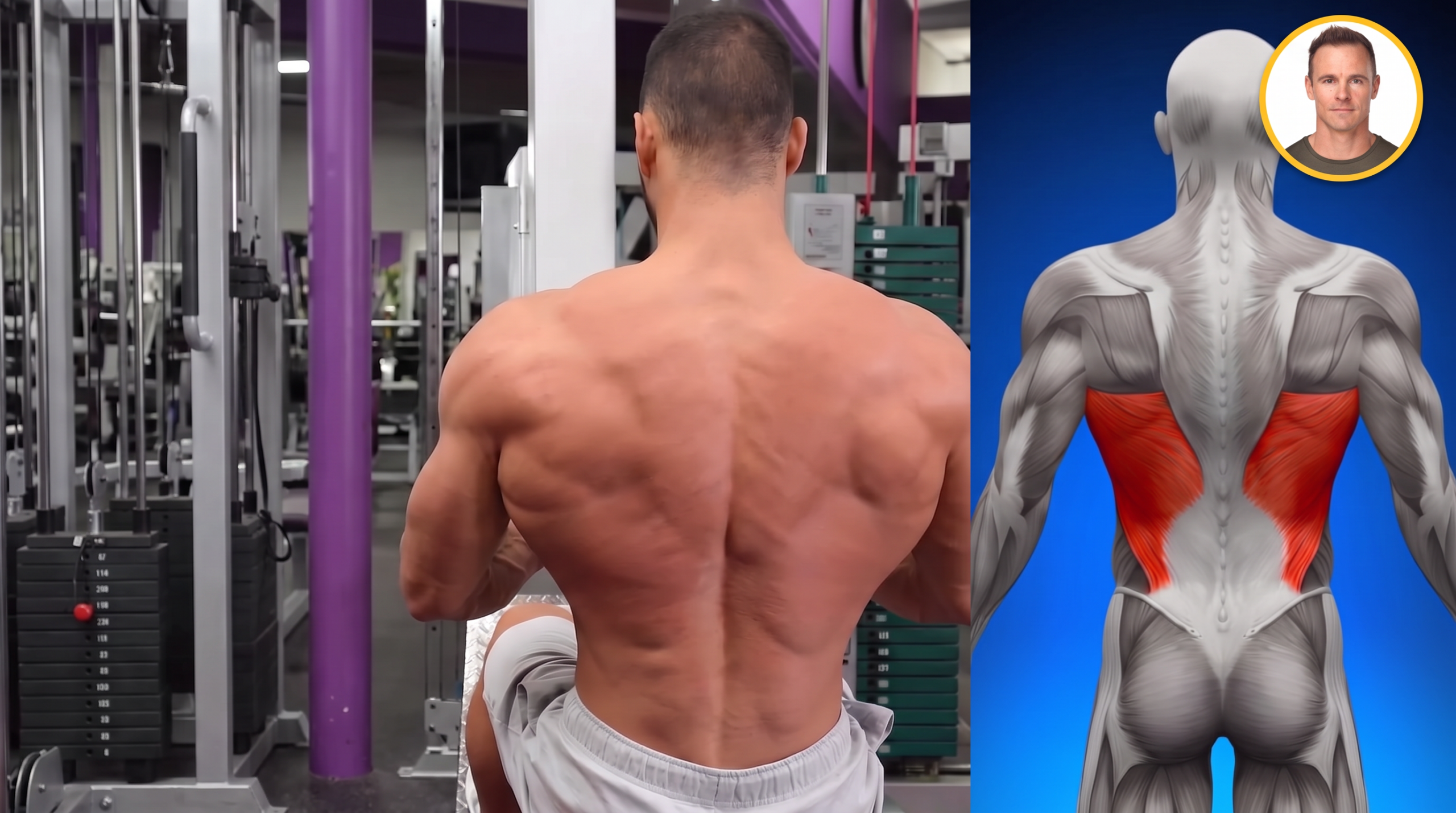
These exercises target the key muscle groups that create that coveted taper from shoulders to waist, combining efficiency with effectiveness.
Whether you’re a beginner looking to build your foundation or an experienced lifter streamlining your routine, mastering these three movements can transform your upper body.
Jump to:
Pull-Ups: The Ultimate Back-Width Builder
Pull-ups stand as the cornerstone exercise for developing a wide, powerful back that creates the top portion of your V-shape.
This bodyweight movement primarily targets the latissimus dorsi—those wing-like muscles that span your back—while simultaneously engaging your biceps, upper back, and core for a comprehensive upper body workout.
The beauty of pull-ups lies in their simplicity and effectiveness. No fancy equipment needed, just a bar and your determination.
Mastering Pull-Up Form
Proper technique begins with your grip. Position your hands shoulder-width apart using an overhand grip, palms facing away from you.
Hang with arms fully extended and engage your core to prevent swinging. This is where many people go wrong.
Initiate the movement by pulling your shoulder blades down and back—imagine trying to squeeze a pencil between them. Then pull your body upward until your chin clears the bar.
Keep your elbows close to your body throughout the movement rather than letting them flare outward. Lower yourself with control back to the starting position.
Common Mistakes That Sabotage Your Progress
Swinging or kipping might help you squeeze out extra reps, but it robs you of the muscle-building tension you need. Focus on controlled, deliberate movements instead.
Another critical error is partial range of motion. Fully extending your arms at the bottom maximizes lat engagement and builds real strength.
Elbow flaring not only reduces lat activation but also places unnecessary stress on your shoulder joints.
Pull-Up Variations for Every Level
Different grip widths shift the emphasis to different muscle groups. Wide-grip pull-ups place maximum stress on your lats, creating that broad back appearance.
Narrow-grip variations increase bicep involvement. Chin-ups, performed with an underhand grip, target your biceps even more intensely while still building back width.
If you’re not ready for full pull-ups yet, don’t worry. Assisted pull-ups using resistance bands or an assisted pull-up machine help you build the necessary strength.
Negative pull-ups offer another excellent progression tool. Jump or step to the top position, then lower yourself as slowly as possible. This eccentric training builds tremendous strength.
Overhead Shoulder Press: Building Powerful Shoulders
The overhead shoulder press directly targets your deltoids—the muscles that cap your shoulders and create that broad, powerful look essential for a V-shaped torso.
This fundamental movement also engages your upper back and triceps, contributing to overall upper body strength and stability.
Broad shoulders make your waist appear narrower, amplifying that V-taper effect you’re working toward.
Perfect Your Pressing Technique
Begin with your feet shoulder-width apart for optimal stability. Hold the weights at shoulder height with palms facing forward and elbows pointing downward.
Before pressing, engage your core muscles. This critical step stabilizes your spine and prevents the lower back arching that leads to injury.
Press the weights straight up until your arms reach full extension overhead. Maintain a slight bend in your elbows at the top rather than locking them completely.
Lower the weights back to shoulder height with control. The lowering phase builds just as much muscle as the pressing phase, so don’t rush it.
Posture Makes or Breaks This Exercise
Maintaining good posture throughout the overhead press isn’t just about form—it’s about safety and effectiveness.
Keep your spine neutral and shoulders pulled back. Excessive lower back arching shifts stress away from your shoulders and onto your spine, inviting injury.
Engaging your core and glutes helps maintain that stable, upright position throughout the movement.
Equipment Options and Their Benefits
Dumbbells allow greater range of motion and help identify and correct strength imbalances between your left and right sides.
Barbells enable you to lift heavier weights overall, which can accelerate strength gains. The fixed bar path also makes the movement slightly easier to control.
Resistance bands provide constant tension throughout the entire range of motion. They’re excellent for beginners or adding variety to prevent training plateaus.
Standing Versus Seated: Which Is Better?
The standing overhead press engages more core muscles because you must stabilize your entire body. This makes it more functional and translates better to real-world activities.
The seated variation eliminates the balance component, allowing you to focus exclusively on shoulder development. Many lifters find they can maintain stricter form when seated.
Both versions build impressive shoulders—choose based on your goals and experience level.
Deadlifts: The Foundation of Total-Body Strength
Deadlifts might seem like a lower-body exercise, but they’re absolutely essential for developing the powerful posterior chain that supports your V-shaped torso.
This compound movement targets your lower back, glutes, hamstrings, and core—all muscles that contribute to an athletic, powerful physique.
The deadlift builds functional strength that carries over to virtually every other exercise and daily activity.
Deadlift Form Fundamentals
Position your feet hip-width apart with the barbell over the middle of your feet. This ensures optimal leverage and power transfer.
Bend at your hips and knees to grip the bar just outside your knees. You can use an overhand grip or a mixed grip where one palm faces forward and one faces back.
Set your back by straightening your spine and engaging your core before you lift. This neutral spine position is non-negotiable for safety.
Push through your heels while extending your hips and knees simultaneously. Keep the bar traveling in a straight vertical line close to your body.
Stand fully upright at the top with shoulders back and chest up. Then reverse the movement, hinging at your hips and bending your knees to lower the bar with control.
Why Spine Position and Core Engagement Matter
Maintaining a neutral spine throughout the deadlift protects your lower back from excessive stress and potential injury.
Rounding your back shifts load onto your spinal discs rather than your muscles. This is how injuries happen.
Engaging your core creates intra-abdominal pressure that stabilizes your spine. Think of your core as a weightlifting belt made of muscle.
Deadlift Variations for Different Goals
The conventional deadlift represents the standard form and targets your entire posterior chain effectively.
Sumo deadlifts use a wider stance with hands positioned inside your knees. This variation emphasizes glutes and inner thighs while reducing range of motion.
Romanian deadlifts keep your legs straighter and focus movement at your hips. This places maximum tension on hamstrings and glutes.
Progressions for Every Experience Level
Beginners should start with lighter weights or even a kettlebell to master proper hip hinge mechanics. Trap bar deadlifts offer a more forgiving starting point because they’re easier on the lower back.
Intermediate lifters can gradually increase weight while maintaining perfect form. Incorporating sumo or Romanian variations targets muscles from different angles.
Advanced athletes might explore deficit deadlifts (standing on a platform) or paused deadlifts to break through plateaus and build additional strength.
Building Your V-Shape: Putting It All Together
These three exercises—pull-ups, overhead shoulder press, and deadlifts—form a complete blueprint for developing a V-shaped torso.
Pull-ups widen your back and create that sweeping lat development. Overhead presses build the broad, capped shoulders that make your waist appear narrower. Deadlifts strengthen your entire posterior chain while developing the core stability that ties everything together.
Consistency matters more than perfection. Progressive overload—gradually increasing weight, reps, or difficulty—drives continuous improvement.
Your form must remain solid as you progress. Sacrificing technique for heavier weights leads to injury, not gains.
Start where you are right now. Use assisted variations if needed. Add weight when you’re ready. The path to a V-shaped torso isn’t a sprint—it’s a journey of consistent effort and smart training.
These three exercises provide everything your body needs to develop that powerful, athletic silhouette. Master them, stay consistent, and watch your physique transform.